
 Search
 Pioneer of Tibet Tourism for Overseas Travelers since 1984!

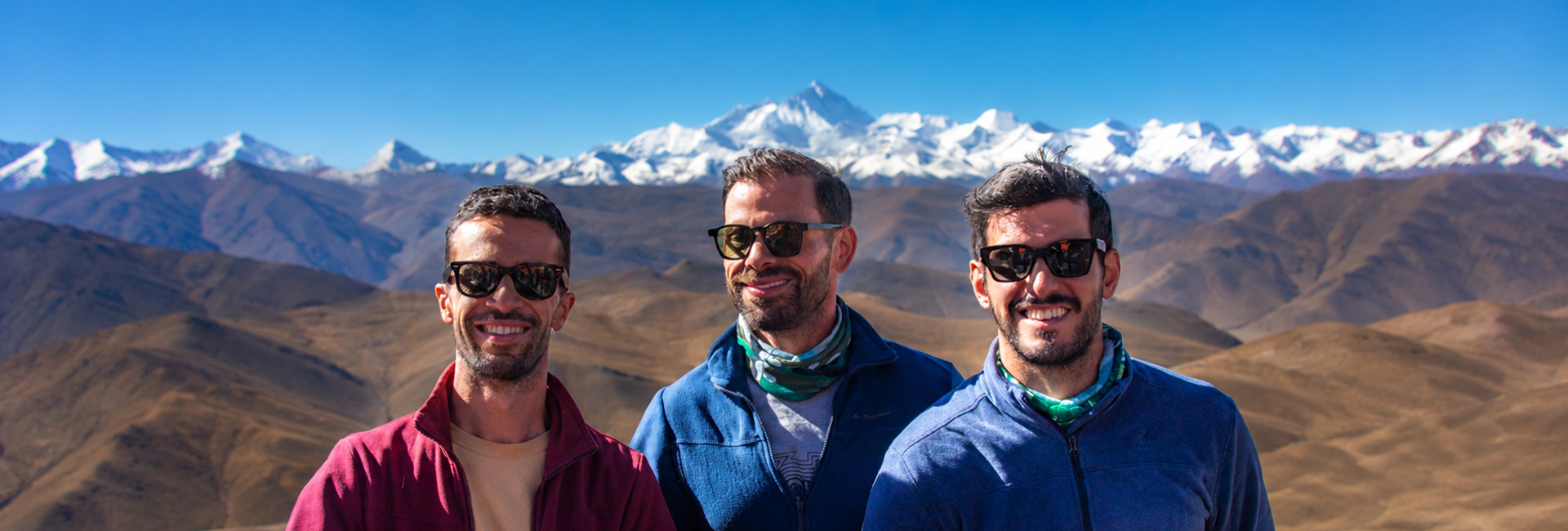
Everest Base Camp in Tibet is normally open in December and January, and winter trips to EBC continue during these months. The dry winter season often brings clear skies and good visibility of Mount Everest, although temperatures can fall well below freezing and road conditions may change after snowfall.
Winter accommodation is different from the warmer months. The seasonal tent camp is generally closed during the coldest part of winter, while indoor accommodation remains available near Everest Base Camp and in nearby towns. This guide explains what to expect at EBC in December and January, where to stay, and how to prepare for a winter visit.
Everest Base Camp Is Still Open in December and January
Tibet Everest Base Camp normally remains open in December and January, and winter tours continue during these months. The road to Everest Base Camp is generally accessible in winter, although temporary traffic controls may occur after heavy snowfall or during severe weather.
International travelers can also visit Everest Base Camp in winter as part of an organized Tibet tour. A licensed Tibet travel agency will arrange the required travel permits, local guide, vehicle, and driver before the journey.
December and January are among the quieter months at Everest Base Camp. The dry winter climate often brings clear skies and good visibility of Mount Everest, while fewer visitors make the viewpoints less crowded than during the main travel seasons.
The main differences are the colder temperatures and winter accommodation. Temperatures can fall well below freezing, especially at night, and the seasonal tent camp at EBC is closed during winter. Travelers instead stay in indoor accommodation near Rongbuk Monastery or in Tashi Dzom Township. Your guide will also check the latest weather and road conditions before traveling to EBC.
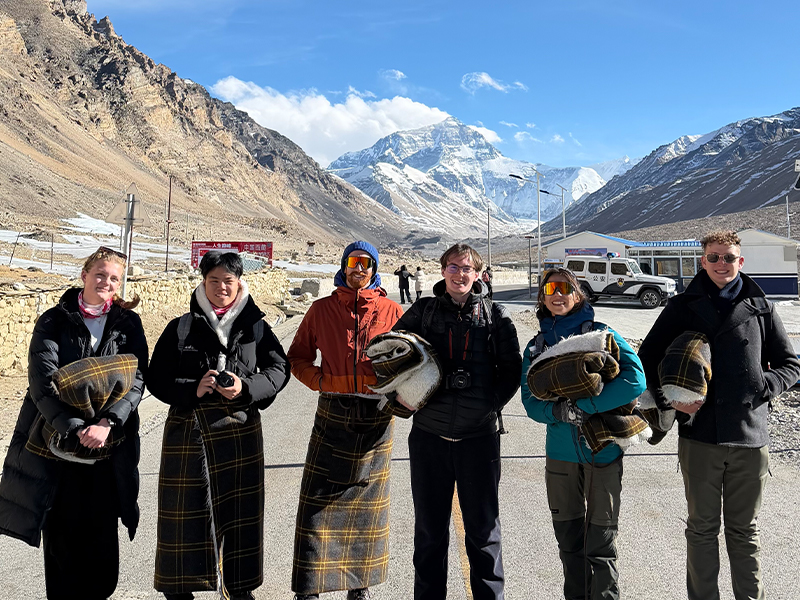
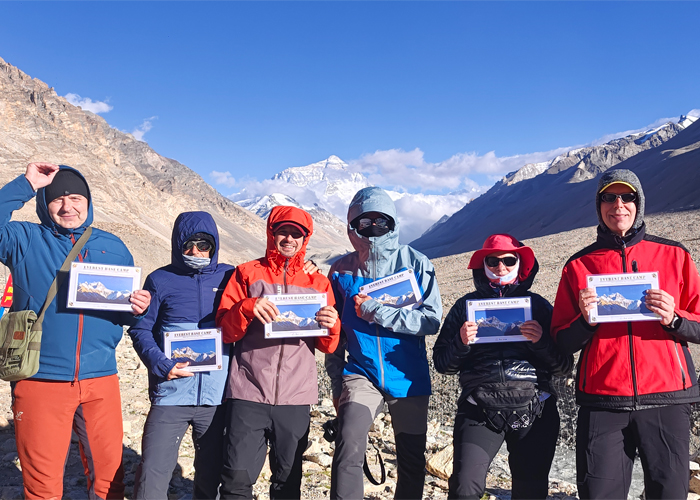
Our guests enjoy clear views of Mount Everest during a winter visit to Tibet Everest Base Camp.
Where to Stay at Everest Base Camp in Winter: Hotels or Tents
Winter accommodation at Everest Base Camp is different from the warmer months. The seasonal tent camp is generally closed in December and January, but indoor accommodation is available near EBC and in lower-altitude areas such as Zhaxizong and Tingri.
Staying Near Everest Base Camp: Rongbuk Hotel
Rongbuk Hotel, formerly known as the Rongbuk Monastery Guesthouse, is the closest indoor accommodation to the tourist base camp. Staying here makes it easier to enjoy Mount Everest at sunset, sunrise, and after dark when the weather is clear.
The renovated hotel offers floor heating, bedside oxygen supply, Wi-Fi, humidifiers, and kettles. Upgraded twin rooms have a private Western-style toilet and washbasin, although shower facilities are not available. The rooms are simpler than hotels in Lhasa or Shigatse, but they provide a warm and practical place to stay close to Everest in winter.
Staying at a Lower Altitude: Zhaxizong
Zhaxizong is another practical option for a winter EBC trip. It is located at the foot of Mount Everest and serves as the main transfer point for the scenic-area eco-bus to Everest Base Camp.
Hotels here offer standard indoor rooms and more comfortable facilities than the seasonal tent camp. Staying at a lower elevation may also feel more comfortable for some travelers, although everyone responds to altitude differently.
Staying in Tingri
Tingri is farther from Everest Base Camp but has a wider choice of hotels and restaurants. It can be used as a base for visiting EBC, although the additional driving makes it less convenient for travelers who want to see sunset, sunrise, or the night sky close to Mount Everest.
For an overnight winter visit focused on Everest views, staying closer to EBC or in Zhaxizong usually involves less travel time.
Everest Base Camp Tent Hotels
Usually not. The tourist tent camp at Everest Base Camp operates seasonally and is generally closed during December and January when temperatures are at their lowest.
The exact opening and closing dates can vary each year, so winter travelers should confirm the current arrangement in advance. Indoor accommodation is the practical choice during the coldest months.
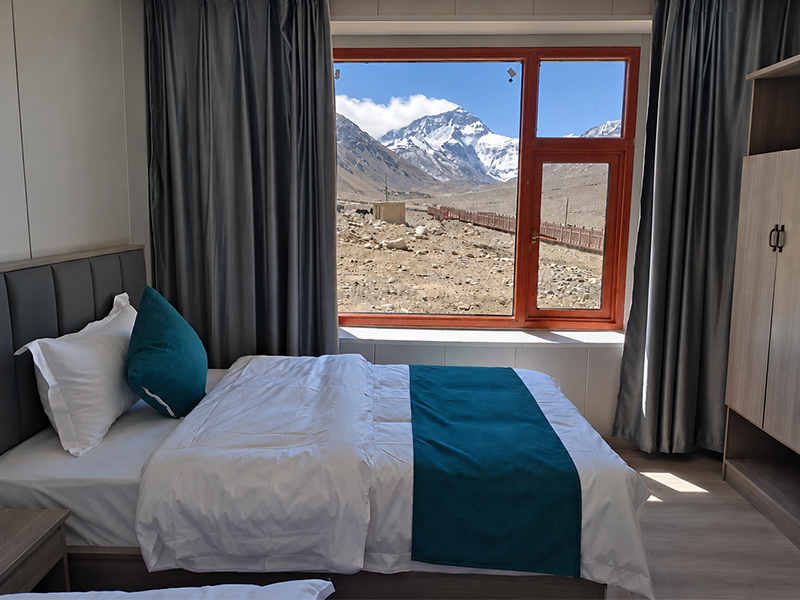
Enjoy views of Mount Everest right from your room at Rongbuk Hotel.
Winter Travel Experience at Everest Base Camp
Winter at Everest Base Camp is cold, dry, and often windy. Daytime temperatures in December and January are usually below freezing, while nights are much colder. Sunshine can make it feel warmer during the day, but temperatures drop quickly after sunset.
| Month | Average Daytime Temperature | Average Nighttime Temperature |
|---|---|---|
| December | -3°C | -16°C |
| January | -6°C | -19°C |
Everest Base Camp sits at around 5,200 meters above sea level, where the high altitude and exposed location make the cold feel more noticeable, especially in the early morning, evening, and on windy days. Warm layers, a down jacket, gloves, a hat, and suitable winter shoes are important for spending time outdoors.
One of the main advantages of visiting EBC in December and January is mountain visibility. Winter is part of Tibet’s dry season, with less precipitation and often clearer skies than during the wetter summer months. This can provide excellent views of Mount Everest, especially around sunrise and sunset.
Winter also brings fewer visitors to EBC. Viewpoints are generally quieter, giving you more time and space to enjoy the mountain and take photographs. Mountain weather can still change, so clear views cannot be guaranteed every day.
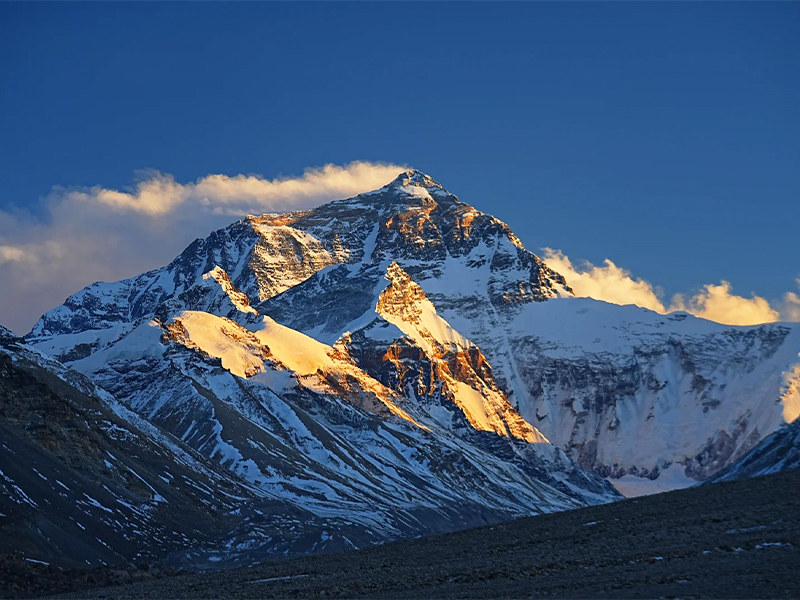
The golden morning sunlight illuminates Mount Everest in winter.
Who Is Winter Everest Base Camp Suitable For?
Winter is a good choice for travelers who value clear mountain views, fewer crowds, and a quieter experience. December and January are part of Tibet’s dry season and can be especially rewarding for photography. Spring and autumn, however, may be more suitable for travelers who prefer milder temperatures.
EBC is generally much quieter in December and January than during the main travel seasons. With fewer visitors at the viewpoints and accommodation areas, you can spend more time enjoying the mountain at a relaxed pace.
Travelers should be prepared for very cold temperatures and the high altitude of around 5,200 meters. A gradual itinerary with enough time to acclimatize is important before reaching EBC. Travelers with health conditions that may be affected by very high altitude should consult their doctor before the trip.
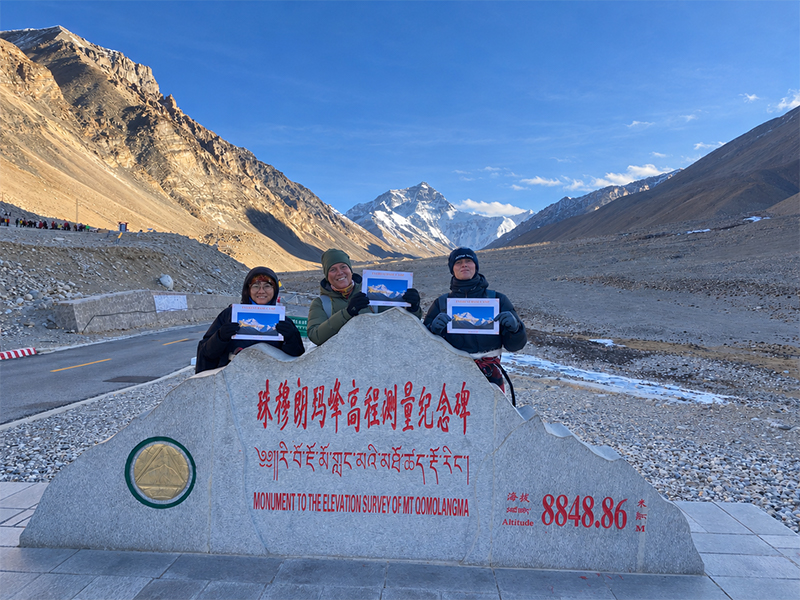
Our guests pose for a photo at the Mount Everest elevation monument in winter.
Preparation Tips for a Winter Everest Base Camp Trip
Pack for Everest Base Camp in Winter
Dress in layers for the changing temperatures between daytime and night. Bring thermal base layers, a warm mid-layer, an insulated down jacket, and a windproof outer layer. Insulated gloves, a warm hat, and thick socks are also important, especially for early mornings and evenings at EBC.
Wear warm walking or hiking boots with good traction. Snow or ice may occasionally be present in winter, and suitable footwear will make walking around the viewpoints more comfortable.
The sun and wind are strong at around 5,200 meters. Bring sunglasses, high-SPF sunscreen, lip balm, and moisturizer to protect yourself from the strong UV and dry air.
If you plan to take photos, carry spare batteries or a power bank. Cold temperatures can drain phone and camera batteries faster than usual.
Allow Enough Time for Altitude Acclimatization
A gradual journey to Everest Base Camp is important in every season. A typical route spends two to three days in Lhasa at 3,650 meters before continuing through Shigatse and eventually reaching EBC at around 5,200 meters. This gives your body more time to adjust as the altitude increases.
During the first few days, keep activities relaxed, get enough rest, and avoid rushing your itinerary. Drink water regularly and eat normally even if your appetite is slightly reduced at altitude.
Pay attention to how you feel as you travel higher. If you experience persistent headache, nausea, dizziness, or unusual fatigue, tell your guide rather than trying to push through the symptoms. Your guide can help adjust the pace or travel plan according to your condition.
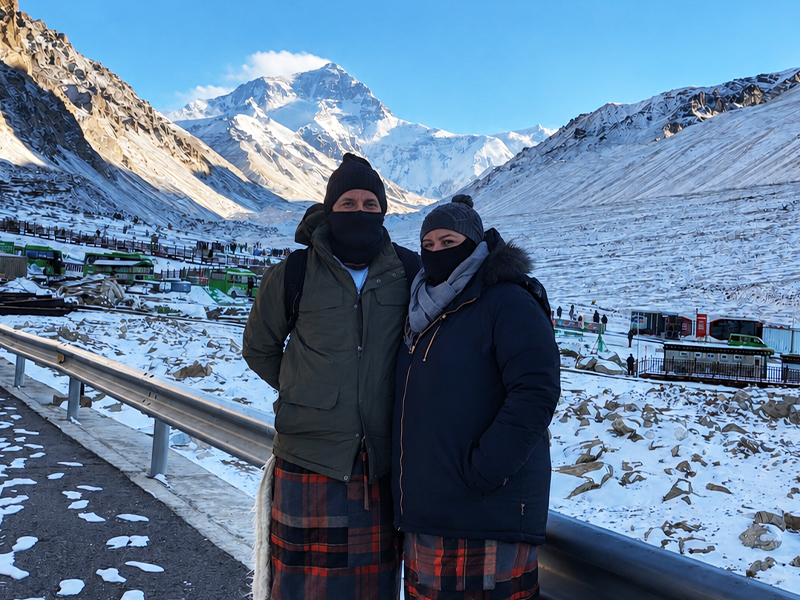
We provide warm wraps to help guests stay comfortable during winter visits to Everest Base Camp.
Conclusion
Everest Base Camp is normally open and accessible in December and January, making a winter visit a practical option for travelers prepared for the cold. These quieter months often bring clear mountain views, fewer visitors, and a very different atmosphere from the busier travel seasons.
The main differences are the colder temperatures and accommodation. The seasonal tent camp is generally closed, while indoor stays are available at Rongbuk Hotel, Zhaxizong, and Tingri. With enough time to acclimatize, proper winter clothing, and the latest local arrangements confirmed before departure, you can still enjoy a comfortable and rewarding journey to Mount Everest in winter.

"Everest Base Camp in December and January: Is It Open and Where to Stay in Winter?"