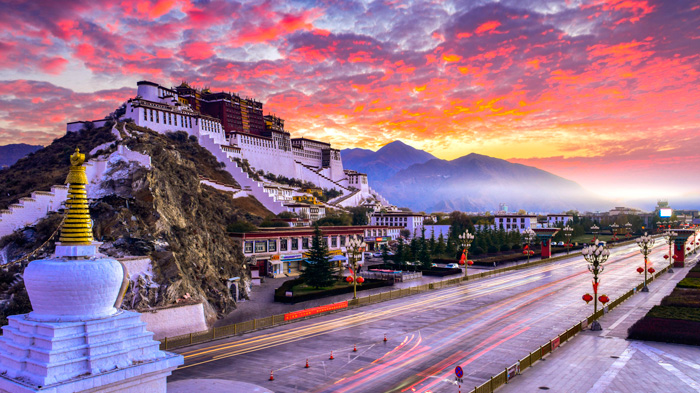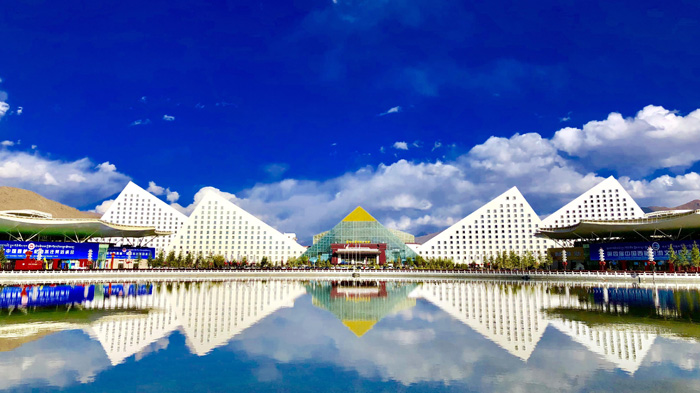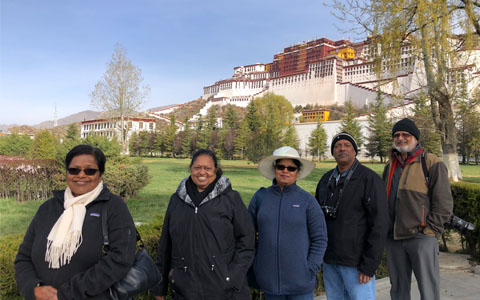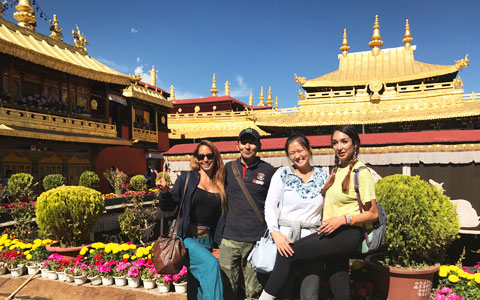

Tibet Tourism 2026: 20 Essential Things You Need to Know
In 2026, Tibet tourism is entering an exciting new phase, ready to welcome more travelers from around the world.
Thanks to China’s continued visa-free policies, visiting Tibet has become easier than ever, as international travelers can obtain a Tibet Travel Permit more conveniently with a valid passport and a pre-booked itinerary.
At the same time, 2026 marks the Holy Year of the Horse, a particularly sacred time for visiting Mount Kailash, drawing pilgrims and travelers in greater numbers than ever before.
Meanwhile, travel experiences in Tibet continue to improve. Ongoing developments in tourism infrastructure, including better hotels, enhanced local services, and improved road conditions, have made Tibet tours in 2026 more comfortable, accessible, and enjoyable than ever.
If you are planning a trip to Tibet in 2026, this guide to Tibet tourism in 2026 will give you a better understanding of the current state of tourism in Tibet and help you plan your trip more effectively.
1. In 2026, Foreign Travelers Still Need a Tibet Travel Permit, but Most Are Visa-Free for China
2. In 2026, Independent Travel to Tibet Is Still Not Allowed — Organized Tours Are Required
3. In 2026, Tibet Becomes More Accessible with Two International Flight Routes
4. In 2026, the Most Popular Itinerary Remains the Lhasa to Mount Everest Overland Tour
5. In 2026, it’s easy to get oxygen in Lhasa, Shigatse, Nyingchi, and even Mt.Everest
6. In 2026, Tibet Vista Upgrade: Free Mt. Everest Stay with Private Bathroom and Heating
7. In 2026, Self-Driving Tours Are Available for Travelers in Tibet
8. In 2026, Road Conditions Across Tibet Are Better Than Ever
9. In 2026, There is Still Road Speed Control for All Tourist Vehicles
10. In 2026, More Travelers Are Choosing Tibet for Meditation and Spiritual Journeys
11. In 2026, the Most Beautiful Trekking Route of Tibet Is Closed
12. Know This: Lhasa Is a Modern City While Preserving Authentic Tibetan Culture
13. Know This: Best Time to Visit Tibet vs. Less Crowded Seasons
14. Know This: Winter Is the Most Budget-Friendly Season to Visit Tibet
15. Know This: Small Group Tours Offer Great Value and Experience
16. Know This: Tibet Is Also a Premium Destination for Luxury Travelers
17. Know This: High Altitude Is an Important Factor for All Tibet Trips
18. Know This: There is No Age Limit to Visit Tibet
19. Know This: Some Areas of Tibet Are Still Closed for a Visit
20. Know This: Toilets and Hotels in Most Tourist Destinations of Tibet Have Greatly Improved
1. In 2026, Foreign Travelers Still Need a Tibet Travel Permit, but Most Are Visa-Free for China
In 2026, foreign tourists still need a Tibet Travel Permit to visit Tibet, in addition to a Chinese Visa.
However, due to China’s recently introduced visa-free policies, travelers from certain countries are now eligible for visa-free entry to China, which simplifies the process of visiting the Tibet Autonomous Region.
Tibet Travel Permit Requirement for Foreign Travelers
The Tibet Travel Permit can only be applied for through a local travel agency after booking a Tibet tour. Individual application is not accepted by the Tourist Bureau.
Only with the Tibet Travel Permit can you board a flight or train to Tibet. It will also be checked when you travel outside the city of Lhasa. After you arrive in Tibet, your tour guide will keep your Tibet Travel Permit for you.
Quick Facts about Tibet Travel Permit for Foreign Travelers:
- A must for all trips to Tibet
- Can only be arranged through a licensed local travel agency
- Requires booking a Tibet tour in advance
- Cannot be applied for individually
- Required to board flights or trains to Tibet
How Long Does It Take to Get a Tibet Travel Permit?
Generally, the process of the Tibet Travel Permit takes 8 to 9 working days. If you plan to visit Mount Kailash or other remote destinations, it takes longer to obtain additional local travel permits, such as the Military Permit.
To avoid delays, it is strongly recommended to book your Tibet tour in advance so your permit can be processed on time.
How to Apply for a Tibet Travel Permit:
- Step 1: Book a Tibet Tour with a local travel agency
- Step 2: Provide a scanned copy of your passport and Chinese Visa (if required)
- Step 3: The agency will apply for your Tibet Travel Permit on your behalf
- Step 4: Get the permit issued and delivered to your address in the mainland of China.
Chinese Visa-Free Policy Makes It Easier to Travel to Tibet in 2026
Thanks to ongoing visa-waiver policies, many international travelers no longer need to apply for a Chinese Visa. This has made the application process for the Tibet Travel Permit significantly more convenient.
If you are eligible for visa-free travel to China, you can:
- Skip the Chinese visa application
- Apply directly for your Tibet Travel Permit
This makes traveling to Tibet in 2026 more convenient than before.
Notice: Your entire trip in the Tibet Autonomous Region, as well as the mainland of China, must stay within the visa-free duration.
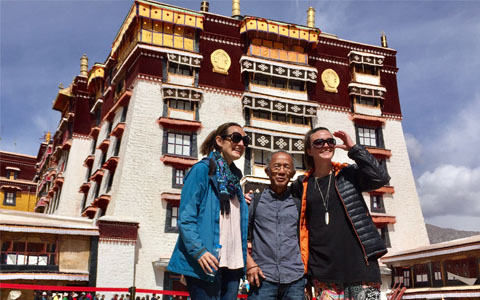
The Tibet Travel Permit is a must for your trip to Tibet.This Chengdu to Tibet tour is a favorite among first-time travelers to China.
2. In 2026, Independent Travel to Tibet Is Still Not Allowed — Organized Tours Are Required
Although it is becoming increasingly convenient to travel to Tibet, independent travel to Tibet is still not allowed in 2026. You need to travel on a pre-arranged tour, whether a join-in group tour or a customized private tour, and be accompanied by a local tour guide during your trip to Tibet.
Why Is Independent Travel to Tibet Not Allowed?
To ensure a smooth and well-organized journey, all Tibet tours must be arranged through a licensed travel agency.
As Tibet is vast, sparsely populated, and culturally unique, traveling with a local guide also helps ensure better safety, logistics, and a deeper understanding of the region.
What Types of Tibet Tours Can You Choose?
Even though independent travel is not allowed, you can still choose between different types of Tibet tours:
- Join-in group tours: share costs with other travelers and follow a fixed itinerary
- Customized private tours: enjoy a more flexible and personalized travel experience
Both options include a local Tibetan guide, transportation, and necessary travel permits.
Explore Tibet with a Customized Private Tour
If you prefer more freedom to explore Tibet at your own pace, the best option is to tailor your Tibet tour with us.
This way, you can visit Tibet at your own speed, with just your personal guide by your side. You can enjoy a more flexible and personalized experience in Tibet.
However, the price will be higher, as you won’t be sharing expenses with other travelers.
Who Can Travel Independently to Tibet?
The following individuals are allowed to visit Tibet without the restrictions of an organized tour:
- Chinese citizens holding a Chinese ID Card
- Residents of Hong Kong and Macau with a Mainland Travel Card
For everyone else, booking a Tibet tour remains the only way to visit Tibet.
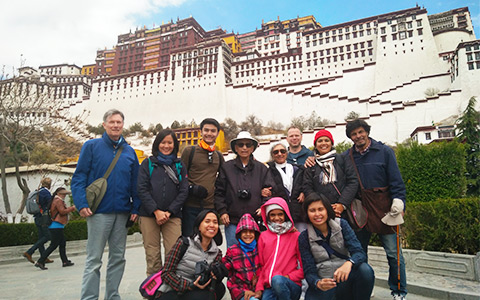
Enjoy a private tour of the Potala Palace with our dedicated guide.3. In 2026, Tibet Becomes More Accessible with Two International Flight Routes
In 2026, traveling to Tibet by air has become more convenient, with two international flight routes to Lhasa.
Currently, foreign travelers can take international flights to Tibet from:
- Kathmandu (Nepal)
- Singapore
While Kathmandu has long been the traditional gateway to Tibet, the newly added Singapore to Lhasa flight offers a more convenient option for travelers from Southeast Asia and beyond.
Kathmandu to Lhasa Flight Schedule 2026
The Kathmandu to Lhasa flight was once the only international flight to Tibet, operating daily and serving as the most convenient way to travel between Nepal and Tibet.
Operated only by Himalaya Airlines, the Kathmandu to Lhasa flight runs 2 to 5 times a week. It generally takes about 2 hours to fly from Kathmandu Tribhuvan International Airport to Lhasa Gonggar International Airport.
Kathmandu to Lhasa flight frequency varies by season:
- Peak Season (June–September): flights from Monday to Friday
- Shoulder Season (April, May, October): flights on Monday, Thursday, and Friday
- Other Months: flights on Monday and Friday
Due to the reduced number of flights, this route has become relatively limited. It is strongly recommended to book your flight tickets in advance if you plan to travel between Kathmandu and Lhasa.
Important Notice:
Flights between Kathmandu and Lhasa are often affected by weather conditions, which may lead to delays or cancellations. Always check the latest schedule and prepare a backup plan when traveling.
Singapore to Lhasa Flight Schedule 2026
Since December 2024, a new Singapore to Lhasa flight route has been introduced, making Tibet more accessible for international travelers.
For visiting Tibet in 2026, this route provides an additional convenient flight option to Tibet, besides Nepal.
Key Information about Singapore to Lhasa Flights
- Departure Airport: Singapore Changi Airport
- Arrival Airport: Lhasa Gonggar Airport
- Airline: West Air
- Duration: about 10 hours 10 minutes (with a stopover in Chongqing)
Singapore to Lhasa Flight Schedule 2026 (Timetable & Frequency)
| Flight Route | Flight Number | Dep. | Arr. | Duration | Frequency |
| Singapore to Lhasa | PN6444 | 04:45 | 14:55 | 10 h 10 m | Tues. / Thur. / Sat. |
| Lhasa to Singapore | PN6443 | 17:25 | 03:45 +1 | 10 h 20 m | Mon. / Wedn. / Fri. |
Note: There is no time difference between Singapore and China. The above schedule is for reference only. Please check the exact flight schedule on your preferred date while planning your journey.
Enjoy the stunning views of the Himalayas from a Kathmandu to Lhasa flight.4. In 2026, the Most Popular Itinerary Remains the Lhasa to Mount Everest Overland Tour
In 2026, the most popular Tibet itinerary remains the classic Lhasa to Mount Everest Base Camp overland tour. This route offers a perfect combination of cultural exploration and breathtaking Himalayan scenery, making it the top choice for first-time visitors to Tibet.
Why Is the Lhasa to Everest Base Camp Tour So Popular?
The north Everest Base Camp in Tibet is widely favored among global tourists. As the only base camp that can be reached by car directly, it is easy for all types of tourists to witness the majestic Everest up close without any hiking or climbing.
Moreover, along the way from Lhasa to Everest Base Camp in Tibet, you can experience the most iconic and popular landscapes and cultural heritages in Tibet.
Quick Facts about Lhasa to Everest Base Camp:
- Travel Route: Lhasa - Yamdrok Lake - Gyantse - Shigatse - Tingri - Everest Base Camp - Shigatse - Lhasa
- Duration: The classic journey takes 8 days; you can tailor it to a shorter or longer trip.
- Altitude: From 3,650 m at Lhasa to around 5,000 at the base camp.
What Can You Expect from This Overland Journey?
The Lhasa to Everest Base Camp tour is designed as a gradual ascent, allowing travelers to acclimatize to the high altitude safely and comfortably.
Along the journey, you can expect:
- Scenic drives across the Tibetan Plateau, such as Yamdrok Lake and Karola Glacier
- Stunning views of the Himalayan mountain ranges, including panoramic views at Gawula Pass
- Visits to traditional Tibetan towns and monasteries, like the Tashilhunpo Monastery in Shigatse
- Overnight stays in key locations, including tent hotels at Everest Base Camp
This overland route from Lhasa to Everest Base Camp not only offers incredible landscapes, but also provides a deeper understanding of Tibetan culture and daily life in a seamless journey.
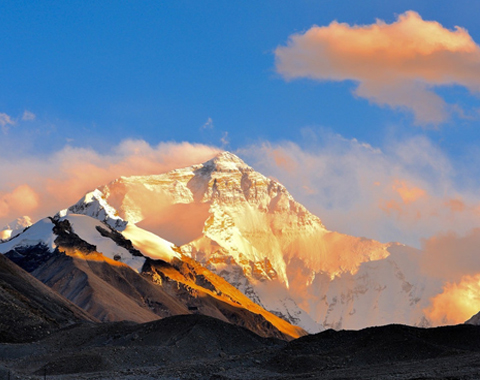
Take a photo with Mount Everest and create a lifelong memory at Everest Base Camp in Tibet.Join our top Everest Base Camp adventure and discover the best of Tibet in a single trip!
5. In 2026, it’s easy to get oxygen in Lhasa, Shigatse, Nyingchi, and even Mt.Everest
Don’t worry too much about altitude sickness in Tibet. Nowadays, oxygen is widely available in major tourist destinations such as Lhasa, Shigatse, Nyingchi, and even Everest Base Camp.
Oxygen supply systems, portable oxygen bottles, and basic medical support are all easily accessible, helping ensure a safer and more comfortable journey.
Oxygen Supply in Tibet Hotels
Most hotels in major cities in Tibet, like Lhasa, Shigatse, and Nyingchi, are equipped with oxygen supply systems, and some luxury hotels in Tibet also have diffuse oxygen supply rooms.
If you feel any discomfort in the hotel, you can contact the front desk and use the oxygen supply equipment.
Can You Buy Oxygen Bottles in Tibet?
Yes, portable oxygen bottles can be easily purchased at local shops and pharmacies in Tibet.
If you are going to Everest Base Camp, Mount Kailash, or other high-altitude areas, you can buy some in advance in case of an emergency.
How to Deal with Altitude Sickness in Tibet?
Generally speaking, when you first arrive in Tibet, you should not arrange any strenuous activities. Give your body enough time to adapt to the high-altitude environment.
It usually takes 1 to 2 days for your body to adapt to the high altitude.
If your discomfort is more serious, please contact your tour guide in time and go to the local hospital for medical treatment. Especially in Lhasa, the hospital has rich experience in dealing with altitude sickness, so don't worry too much.
It is easy to buy oxygen bottles during your Tibet tour.6. In 2026, Tibet Vista Upgrade: Free Mt. Everest Stay with Private Bathroom and Heating
In 2026, one of the most exciting upgrades for Tibet travel is the improved accommodation experience at Everest Base Camp.
By booking your Everest Base Camp tour with us in 2026, you will receive a FREE accommodation upgrade, which allows you to enjoy much greater comfort, even at altitudes above 5,000 meters.
What Makes Rongbuk Hotel Special at Everest Base Camp?
Located near the iconic Rongbuk Monastery, Rongbuk Hotel is the closest hotel to Mount Everest on the Tibetan side.
From here, you can enjoy breathtaking views of Mount Everest just steps from your room. With the latest upgrade, Rongbuk Hotel is currently the only hotel at Everest Base Camp offering rooms with private bathrooms.
While staying in Rongbuk Hotel, you will experience:
- Standard room with private bathroom
- In-room oxygen supply and heating
- Stunning views of Mount Everest from some rooms and the restaurant
This upgrade represents a major improvement in accommodation conditions for travelers visiting Everest Base Camp.
How Can You Get This Free Upgrade in 2026?
You can enjoy this exclusive accommodation upgrade when you:
- Book your Everest Base Camp tour at least 3 months in advance
- Travel during the 2026 season
In general, the 2026 upgrade of accommodation at Everest Base Camp makes the experience more comfortable than ever before, offering a rare combination of extreme high-altitude adventure and improved living conditions.
As the number of rooms with private bathrooms is limited, early booking is highly recommended to secure this rare level of comfort at Everest Base Camp.
Upgraded rooms at Rongbuk Hotel with stunning Everest views and private bathrooms.7. In 2026, Self-Driving Tours Are Available for Travelers in Tibet
In 2026, you have a more adventurous way to explore Tibet, which is self-driving. In fact, self-driving in Tibet has been open for international tourists for years, but many tourists still don’t know it.
As part of an organized Tibet tour, your Tibet self-drive journey must be arranged by a local travel agency, and with a local tour guide accompanying your journey.
Can You Rent a Car or Drive Your Own Car in Tibet?
At present, you can either rent a car from a licensed local car rental provider after arriving in Tibet, or drive your own car to Tibet for a road trip.
All rental cars in China are left-hand drive vehicles. We provide well-maintained vehicles, along with an experienced local tour guide who accompanies you throughout the journey and offers co-driving support.
This allows you to enjoy a self-drive road trip in Tibet at your own pace, while ensuring safety and smooth travel.
What Travel Documents Are Required for Self-Drive in Tibet?
In addition to a basic Chinese Visa (if required), the Tibet Travel Permit, and other related local travel documents, you also need to apply for an international driver’s license in advance.
If you drive your own car, you will also need to complete the relevant procedures for your vehicle.
Checklist for Required Travel Documents for Tibet Self-Driving Tour
- A Chinese visa (if required)
- A Tibet Travel Permit
- Other necessary local travel permits (depending on your route)
- An international driver’s license (arranged in advance)
How to Arrange a Self-Driving Tour in Tibet?
To ensure a smooth self-driving experience in Tibet, we provide safe and enjoyable Tibet self-drive tour packages, which include:
- Tibet Travel Permit application
- Car rental arrangements
- Itinerary planning
- Professional local tour guide support
From the permit application to car rentals in Tibet, and from itinerary design to knowledgeable tour guides, we take care of every aspect of your journey in Tibet.
Recommended Tibet Self-Driving Tour Itineraries
To help you better plan your self-driving journey in Tibet, here are some of the most popular routes.
These Tibet self-driving itineraries are carefully designed to balance driving distance, altitude adaptation, and sightseeing experiences:
- Lhasa to Everest Base Camp (around 10 days)
The most popular overland route, from the holy city of Lhasa to the world’s highest peak - Kathmandu to Lhasa (around 8 days)
A classic cross-border journey across the Himalayas from Nepal to Tibet - Chengdu to Lhasa Overland (around 12 days)
One of the most scenic routes along the Sichuan–Tibet Highway, with stunning landscapes throughout
Experience a safe and enjoyable self-driving adventure across Tibet with us.Enjoy a lifetime self-driving journey along the most popular route from Lhasa to Everest Base Camp in Tibet!
8. In 2026, Road Conditions Across Tibet Are Better Than Ever
Road conditions in Tibet have improved significantly in recent years, making travel in Tibet more convenient and pleasant. The upgrade of roads from Lhasa to major areas and attractions in Tibet has made overland travel more convenient and safer in Tibet.
How about the Road Conditions in Tibet?
Most roads to major attractions in Tibet are now well-paved asphalt roads, providing a smoother and safer travel experience.
For example, all sections of the road to Everest Base Camp are well-paved asphalt roads. You can now take a comfortable drive directly to the Everest Base Camp without any hiking.
What Major Highway Have Been Improved in Tibet?
Several important highways in Tibet have been upgraded or newly built, including:
- The Sino-Nepal Friendship Highway
- The G318 National Highway (Sichuan–Tibet Highway)
- New expressways connecting key regions in Tibet
These improvements have greatly enhanced the safety, comfort, and travel efficiency of Tibet overland tours.
Enjoy a smooth drive on the well-paved road to Everest in Tibet.9. In 2026, There is Still Road Speed Control for All Tourist Vehicles
However, even though road conditions in Tibet have improved greatly, there is still road speed control in Tibet. All tourist vehicles must follow regulated speed limits to ensure safety during overland travel.
What Is the Speed Limit in Tibet?
The general speed limits in Tibet are:
- Up to 60 km/h (40 mph) on open roads
- Below 30 km/h (20 mph) when passing through villages
These limits apply to all tourist vehicles traveling across Tibet.
Why Does Travel in Tibet Take Longer Than Expected?
Due to strict speed control, travel times in Tibet are often longer than expected, even on well-paved roads.
For example, it takes around 7 hours to travel about 370 km from Shigatse to Everest Base Camp, despite the good road conditions.
What Should You Expect When Traveling by Road in Tibet?
When traveling beyond Lhasa to other destinations, you should be prepared for:
- Longer driving times compared to other regions
- A slower and more relaxed travel pace
- Possible stops or checkpoints to ensure vehicles follow speed regulations
Although the journey may take more time, it allows you to enjoy the scenery and travel more safely across Tibet.
Don't miss the opportunity to take a scenic stop at Gawula Pass and enjoy the view of the Himalayas and Everest.10. In 2026, More Travelers Are Choosing Tibet for Meditation and Spiritual Journeys
In 2026, Tibet is becoming an increasingly popular destination for meditation and spiritual journeys, attracting travelers seeking peace, reflection, and a deeper connection with themselves.
One key reason is that 2026 is the Holy Year of the Horse, which is considered especially sacred for visiting Mount Kailash. According to Tibetan beliefs, completing a Kailash Kora during the Holy Year of the Horse is believed to bring greater spiritual merit.
At the same time, more travelers are looking for meaningful travel experiences as a way to step away from the stress of modern life. This has made Tibet a top choice for meditation retreats and spiritual exploration.
Why Is Tibet Ideal for Meditation and Spiritual Travel?
Tibet offers a unique environment that naturally supports meditation and inner reflection.
Deeply influenced by Tibetan Buddhism, Tibet offers:
- A deeply rooted Tibetan Buddhist culture and spiritual atmosphere
- Sacred sites such as Mount Kailash, Lake Manasarovar, the holy Jokhang Temple, and many ancient monasteries
- Quiet and vast landscapes of the Tibetan Plateau
- A slower pace of life that encourages mindfulness and reflection
These elements create an ideal setting for those seeking a meaningful and transformative journey.
What Can You Experience on a Meditation or Spiritual Journey in Tibet?
A meditation tour in Tibet can include a wide range of authentic experiences, such as:
- Walking kora (pilgrimage routes) with local pilgrims
- Watching unique monks debate at Sera Monastery
- Completing the sacred kora around Mount Kailash or Lake Manasarovar
- Practicing meditation in ancient meditation caves
- Participating in traditional rituals and observing daily religious practices
- Spending quiet time in nature for personal reflection
These experiences allow you to connect with Tibetan culture while also finding space for inner calm.
In general, Tibet offers a unique combination of spiritual depth, sacred landscapes, and peaceful surroundings, making it an ideal destination for meditation and inner exploration.
Meditation at Mount Kailash’s sacred south face during the Kailash Kora.This off-the-beaten-path trip to Drak Yerpa Monastery near Lhasa offers a great meditation experience.
11. In 2026, the Most Beautiful Trekking Route of Tibet Is Closed
The greatest pity for 2026 Tibet Tourism is that trekking routes in the Everest region on the Tibetan side are currently closed due to environmental protection policies.
This means that some of the most iconic trekking routes, such as the Tingri to Everest Base Camp trek and the Gama Valley trek on the eastern slope of Mount Everest, are no longer accessible to travelers.
While this may come as a disappointment for trekking enthusiasts, it reflects ongoing efforts to preserve the fragile high-altitude environment of the Everest region.
Recommended Tibet Trekking Routes for 2026:
Despite the closure of Everest trekking routes, there are still several outstanding trekking options available in Tibet:
- Mount Kailash Trek: One of the most sacred pilgrimage routes in the world. This 3-day kora offers a powerful combination of spiritual experience and dramatic high-altitude landscapes, attracting both pilgrims and adventurous travelers.
- Ganden Monastery Trek: Located about 45 km from Lhasa, this is a relatively easy and scenic trek around the ancient monastery. It is also a traditional kora route, offering panoramic views of valleys and surrounding mountains.
- Tsurphu to Yangpachen Trek: A classic route through northern Tibet’s nomadic grasslands, combining alpine scenery, monasteries, hot springs, and encounters with local nomadic life.
These routes provide diverse trekking experiences, from spiritual journeys to scenic hikes across the Tibetan Plateau.
While some Everest trekking routes are currently closed, Tibet trekking tours still offers a wide range of unique and meaningful trekking experiences across its vast and diverse landscapes.
If you are looking for a trekking experience on the Tibetan Plateau, it’s better to visit your desired places sooner rather than later.
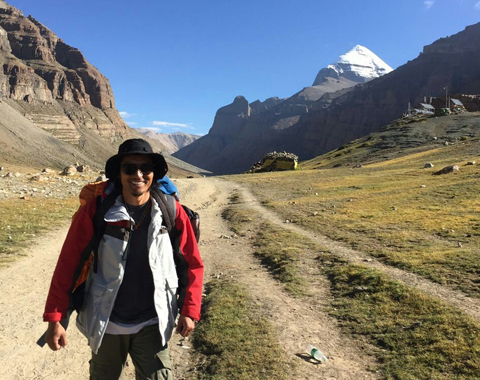
Our 3-day Mount Kailash trek with a Tibetan guide is popular even among non-pilgrimage travelers.Join us for a spiritual journey to Mount Kailash with a 3-day trekking experience."
12. Know This: Lhasa Is a Modern City While Preserving Authentic Tibetan Culture
As the spiritual, political, and economic center of Tibet, Lhasa draws a large number of international tourists and pilgrims every year. Over the years, Lhasa has become a modern high-altitude city that blends contemporary infrastructure with deeply rooted Tibetan culture.
Rather than replacing tradition, modern life in Lhasa exists alongside it, creating a unique travel experience where the old and new coexist naturally.
What Makes Lhasa a Modern City?
Lhasa has developed into a well-equipped city with modern infrastructure and services that make travel convenient and comfortable.
Today, you can expect:
- International hotels such as St. Regis, Shangri-La, and InterContinental
- Modern shopping centers, cafes, and global brands
- Well-developed roads, railway connections, and an international airport
- Widespread mobile payment, 4G/5G coverage, and modern public services
These developments make Lhasa the most accessible and comfortable destination on the Tibetan Plateau.
How Is Traditional Tibetan Culture Preserved in Lhasa?
Despite modernization, Lhasa remains the spiritual and cultural heart of Tibet, where traditions are part of daily life rather than staged performances.
You can still experience:
- Pilgrims walking kora routes around Jokhang Temple and the Potala Palace
- Local life in Barkhor Street, including traditional Tibetan tea houses
- Tibetan dances and community gatherings in parks
- Traditional crafts such as thangka painting, incense making, and metalwork in local workshops
These elements reflect a living culture that continues to thrive in modern Lhasa.
How Do Modern Life and Tradition Coexist in Lhasa?
In Lhasa, modern and traditional lifestyles are deeply interconnected.
It is common to see:
- Locals performing religious rituals in the morning and shopping in modern malls later in the day
- Ancient monasteries standing alongside cafes, boutique hotels, and restaurants
- Public spaces used for both leisure activities and traditional gatherings
This seamless blend creates a unique urban environment found nowhere else in the world.
What Does This Mean for Travelers Visiting Lhasa?
For travelers, this balance offers the best of both worlds:
- Comfort and convenience: Modern hotels, transport, and services ensure a smooth journey
- Authentic cultural experience: Real Tibetan life can be experienced in streets, temples, and local communities
You can explore ancient traditions without sacrificing comfort, making Lhasa an ideal starting point for your Tibet journey.
In short, Lhasa is a rare destination where modern comfort and authentic Tibetan culture exist side by side, offering a travel experience that is both convenient and deeply meaningful. A well-designed Lhasa city tour allows you to explore both its modern life and traditional culture in depth.
It's a good way to experience authentic Tibetan life by visiting a traditional Tibetan tea house.13. Know This: Best Time to Visit Tibet vs. Less Crowded Seasons
The best time to visit Tibet is not necessarily the peak season. While summer (June to August) is the busiest period due to school holidays, it is often more crowded and less ideal for those seeking an immersive travel experience.
In contrast, spring and autumn are widely considered the best seasons to visit Tibet, offering pleasant weather, fewer crowds, and clearer views of the Himalayan landscape.
When Is the Best Time to Visit Tibet?
The best time to visit Tibet is generally during spring (April to May) and autumn (September to October), when the weather is mild and the skies are clear. These months offer excellent visibility, especially for viewing Mount Everest and the surrounding Himalayan ranges.
The ideal travel times vary depending on the specific destinations in Tibet:
- The Best Time to Visit Everest Base Camp with Clear Views: April, May, September, October, November, December, January, and February.
- The Best Time to take a Kailash Manasarovar Yatra: Late April to early October, especially during the Saga Dawa Festival (Generally falls on May or June)
- The Best Time to Visit Namtso Lake in the Northern Tibet: June to September, especially when the grasslands of northern Tibet are at their most lush.
- The Best Time to Visit Nyingchi in Eastern Tibet: Late March to September, especially during the annual Peach Blossom Festival from late March to early April.
When Is the Peak Season for Tibet Tourism?
The peak season for Tibet tourism is summer (July to August), when domestic travel increases significantly during school holidays.
Another busy period is Golden Week in early October, one of China’s major national holidays. During these peak times:
- Popular attractions can be crowded
- Travel costs may be higher
- Hotels and transportation may be in high demand
If you plan to visit Tibet during the peak season, it is recommended to book your tour as early as possible to ensure a smooth journey.
When is the Less Crowded Season to Visit Tibet?
The least crowded time to visit Tibet is during the winter months (November to February). During this period:
- Tourist numbers are significantly lower
- Major attractions are quieter
- Travel costs are often more affordable
Although the weather is colder, winter offers clear skies and excellent visibility, especially for viewing Mount Everest, making it a good choice for travelers who prefer fewer crowds.
Also, winter is the best time to experience authentic local culture, such as the Tibetan Losar New Year Festival, with fewer tourists and more opportunities to interact with local Tibetans.
If you visit Tibet in winter, you might experience the Tibetan Losar Festival with a local family.14. Know This: Winter Is the Most Budget-Friendly Season to Visit Tibet
Winter is the low season of Tibet tourism. With fewer tourists, Tibet in winter offers a more tranquil and peaceful atmosphere.
Every winter, normally from November to next February, there are great winter discounts offered by the local Tourist Bureau. During the promotion months, you can enjoy free entrances to some of the popular attractions, such as the Potala Palace, Yamdrok Lake, and Everest Base Camp.
Why Is Winter the Cheapest Time to Visit Tibet?
Winter in Tibet is considered to low season for Tibet tourism, which means:
- Fewer tourists and a more peaceful travel experience
- Lower demand for hotels and flights
- More attractive travel deals
This makes winter the best time for a budget trip in Tibet.
What Discounts Are Available for a Tibet Winter Tour?
Every winter, the local Tourist Bureau offers special winter discounts.
Moreover, you can get the cheapest prices of Tibet hotels and flights to Tibet in the winter months.
If you are planning a budget trip, a Tibet winter tour allows you to enjoy:
- Free Entry Tickets for major attractions such as the Potala Palace and Everest Base Camp
- Discount Flight tickets to Tibet
- The Lowest Hotel Prices among the Year
These promotions make winter travel in Tibet even more affordable.
Is Winter in Tibet Too Cold to Visit?
No, winter in Tibet is not as cold as you think.
The average daytime temperature in Lhasa is around 7°C to 9°C with great sunshine. Even the Everest Base Camp, over 5,000 meters, can be visited during winter months.
Recommended Tibet Winter Travel Routes for 2026
Here are some recommended Tibet winter travel routes based on different travel needs:
- Lhasa to Everest Base Camp Tour
Everest Base Camp can be visited year-round. In winter, you may stay in villages near the base camp, as tent hotels are usually closed.
- Overland Journey from Lhasa to Kathmandu or Vice Versa
The legendary overland journey across the Himalayas is also available during winter months.
- Lhasa to Shigatse Tour
This route is a good option for a short winter trip, covering the two largest cities in Tibet. Generally, it takes 6 days for the round trip. If you don’t have enough time, you can also take a 4 to 5 days short journey in Lhasa and its surroundings for a winter break in the City of Sunshine.
You can also travel from Lhasa to Everest Base Camp in Tibet during winter months.Experience the best of Kathmandu to Lhasa overland journey with year-round departures!
15. Know This: Small Group Tours Offer Great Value and Experience
Joining a small group tour is one of the most popular and cost-effective ways to explore Tibet. As travel in Tibet involves permits, transportation, and guide services, costs can be relatively high.
By traveling in a small group in Tibet, you can share these expenses while still enjoying a well-organized and comfortable journey.
What Can You Expect from a Small Group Tour in Tibet?
A well-designed small group tour offers both convenience and value, especially for first-time visitors. As the first and largest Tibetan local tour operator running join-in small group tours in Tibet, we offer you:
- Carefully planned itineraries covering key highlights of Tibet
- Small group sizes (usually no more than 13 travelers) for a more personal experience
- Transparent pricing with no hidden costs or forced shopping
- Professional local guides and reliable transportation
With everything arranged in advance, you can focus on enjoying the journey without worrying about logistics.
What Are the Most Popular Tibet Small Group Tours?
For first-time visitors, several classic routes are especially popular:
- 8 Days Lhasa to Everest Base Camp Tour: The most popular journey to see Mount Everest up close
- 15 Days Lhasa to Mount Kailash and Lake Manasarovar Tour: A deeply spiritual pilgrimage experience
- 7 Days Lhasa to Kathmandu Overland Tour: A scenic journey across the Himalayas
- 8 Days Kathmandu to Lhasa Overland Tour: A classic cross-border route including Everest Base Camp
These itineraries are well-designed to showcase the best of Tibet within a limited time.
In general, small group tours in Tibet offer an ideal balance of cost, convenience, and experience, making them one of the best ways to explore Tibet for first-time travelers.
Join our scenic overland journey across the Himalayas from Lhasa to Kathmandu.Join us for a week-long Himalayan adventure from Lhasa to Kathmandu!
16. Know This: Tibet Is Also a Premium Destination for Luxury Travelers
Although Tibet is located on the highest plateau in the world, it is no longer an isolated and underdeveloped place for tourism.
Today, you can enjoy a comfortable and even luxurious travel experience across major cities in Tibet.
What Are Luxury Hotels Like in Tibet?
In cities such as Lhasa, Shigatse, and Nyingchi, there are a variety of high-end accommodations, including international luxury brands and boutique hotels.
These hotels typically offer:
- Modern facilities and comfortable rooms
- Private bathrooms and high-quality services
- Oxygen supply systems to help with high-altitude adaptation
- Scenic views of surrounding landscapes or iconic landmarks
For example, some luxury hotels in Lhasa, such as The St. Regis Lhasa Resort, offer stunning views of the Potala Palace, combining Tibetan design with international standards of comfort.
You can explore more carefully selected luxury hotels in Tibet as part of your customized Tibet tour.
What Does a Luxury Tibet Tour Include?
A luxury tour in Tibet is designed to offer a smooth, comfortable, and personalized experience. It typically includes:
- A private tour guide with local expertise
- An experienced driver and a comfortable private vehicle
- A tailor-made itinerary based on your interests
- Carefully selected hotels and services
This allows you to explore Tibet at your own pace while enjoying a high level of comfort throughout your journey.
Stay in a room with breathtaking Potala Palace views at The St. Regis Lhasa.17. Know This: High Altitude Is an Important Factor for All Tibet Trips
Tibet, with an average elevation of over 4,000 meters, is one of the highest regions in the world and a unique destination for high-altitude travel. For travelers coming from low-altitude areas, high altitude in Tibet is an important factor to consider when planning a Tibet trip.
Altitude sickness is relatively common, especially during the first one or two days after arrival. However, most travelers can gradually adapt to the high altitude with proper rest and acclimatization.
Hotels in major tourist areas are often equipped with oxygen supply, and bottled oxygen is also widely available, which can help relieve discomfort during your journey.
What is Altitude Sickness in Tibet?
Altitude sickness, also known as Acute Mountain Sickness (AMS), occurs when your body does not get enough oxygen at high elevations.
Common symptoms include:
- Headache
- Dizziness
- Shortness of breath
- Nausea
- Fatigue
These symptoms are usually mild and temporary, and they often improve after your body adjusts to the altitude.
How to Prevent Altitude Sickness in Tibet?
Although altitude sickness cannot be completely avoided, there are several effective ways to reduce the risk during your stay in Tibet:
- Take it slow: Avoid intense activities during the first 1–2 days
- Get enough rest: Allow your body time to acclimatize
- Stay hydrated: Drink plenty of water
- Avoid alcohol and smoking in the first few days
- Consider consulting your doctor before the trip
If needed, oxygen support and medication can help relieve symptoms and ensure a more comfortable experience.
With proper preparation and a gradual pace, most travelers can safely enjoy a Tibet trip despite the high altitude. Understanding altitude sickness and taking the right precautions can help you adapt more easily and enjoy your journey in Tibet with confidence.
Discover Tibet’s stunning culture and landscapes on a well-planned journey to the highlands.
18. Know This: There is No Age Limit to Visit Tibet
In general, there is no age limit for visiting Tibet. Travelers of all ages can explore this unique high-altitude region as long as they are in good health and well prepared.
We have successfully arranged Tibet tours for a family with a baby at 1 year old and a trip for a guest to visit Everest Base Camp at the age of 89.
Traveling to Tibet as a Senior Tourists
For those interested in senior travel to Tibet, age itself is not a barrier to visiting Tibet. The key factor is overall health and the ability to adapt to high-altitude conditions.
Before traveling, it is recommended to consult your doctor that whether your body is suitable for the unique climate and altitude in Tibet.
Upon arrival, make sure you get enough rest to acclimate to the high altitude and then start your adventure in Tibet. A slower-paced itinerary is also advisable to ensure a safe and comfortable experience.
Traveling to Tibet with Kids
While taking a Tibet family tour with kids, proper preparation is essential. It is generally recommended that children are old enough to clearly express how they feel, especially in case of altitude discomfort.
Parents should closely monitor their children’s condition throughout the trip and ensure they have enough time to rest and adapt to the high altitude. Taking things slowly and avoiding overexertion can help ensure a safe and enjoyable journey for the whole family.
We helped our guest fulfill his dream of reaching Mount Everest and Mount Kailash at the age of 82.Hear what our Gold Medal Tour Guide Jamyang and our 74-year-old traveler have to say.
19. Know This: Some Areas of Tibet Are Still Closed for a Visit
Not all areas of Tibet are open to foreign travelers. Due to special regulations and local conditions, some regions remain restricted or require special permits.
Which Areas in Tibet Are Not Open to Foreign Travelers?
Certain remote or sensitive regions are currently not accessible to international tourists. These may include:
- Yadong County in Shigatse
- Pangong Lake in Ngari
- Yarlung Tsangpo Grand Canyon
- Nanyi Valley in Nyingchi
- Tsonag County and Lhamo La-tso in Shannan
- Most areas of Qamdo
Access policies may change from time to time, so it is important to check the latest travel regulations before planning your trip.
How Can You Plan Your Tibet Trip Around These Restrictions?
Although some areas are closed, most of Tibet’s main tourist destinations, such as Lhasa, Everest Base Camp, and Mount Kailash, are open and accessible with the required permits.
When you inquire about a Tibet tour, our local travel expert will help you:
- Confirm which destinations are currently open
- Help adjust your itinerary if needed
- Arrange all necessary permits and logistics
This helps you avoid unexpected changes and ensures your Tibet trip is both enjoyable and hassle-free.
Enjoy a hassle-free journey from Lhasa to Kathmandu, covering Mount Everest and Mount Kailash.
20. Know This: Toilets and Hotels in Most Tourist Destinations of Tibet Have Greatly Improved
In Tibet, you can’t expect the same sanitary condition as that in Western countries. The accommodation and sanitary conditions in Tibet have improved significantly in recent years, especially in major tourist destinations.
However, due to the region’s unique geography and development level, facilities can vary between cities and remote areas.
What Are Hotels Like in Tibet?
Usually, the standard hotels in Tibet in major cities like Lhasa and Shigatse offer considerate services and comfortable stays. Many mid-range and higher-rated hotels in Tibet provide:
- Comfortable beds and heating
- Private bathrooms with Western-style toilets
- Oxygen Supply in-room
- Hot water and basic amenities
These hotels in big cities can offer a level of comfort similar to what many international travelers are used to.
In more remote areas of Tibet, there are basic hotels and Tibetan-style guest houses. Facilities may be more basic, and private bathrooms are not always available.
However, no matter where you could like to travel, we promise to always select the hotels and guesthouses that can offer better conditions.
What Are Toilets Like in Tibet?
When out of hotels or guest houses, you need to use the local public toilets.
With the continuous upgrading of infrastructure construction in Tibet, the sanitary conditions of public toilets in highway service areas and major scenic spots have been greatly improved.
However, in more remote or mountainous regions:
- Toilets may be more basic
- Squat toilets are common
- Access to running water may be limited
It is recommended to bring wet wipes and tissues, especially when traveling to remote areas.
In general, while facilities in Tibet may differ from those in Western countries, ongoing improvements, especially in major tourist destinations, are making travel more comfortable than ever before.
Many mid-range and higher-rated hotels in Tibet offer private bathrooms with Western-style toilets.More FAQs about Tibet Tourism in 2026
Before planning your Tibet trip in 2026, you may still have some practical questions about travel rules, safety, costs, and overall experience.
To help you better prepare, here are some of the most frequently asked questions about Tibet tourism, with clear and concise answers based on the latest travel information.
Can I visit Tibet without a tour in 2026?
No, independent travel to Tibet is still not allowed for foreign travelers in 2026. You must join an organized tour arranged by a licensed travel agency, which includes a local guide, transportation, and required permits.
Do I still need a Chinese visa to visit Tibet in 2026?
Not always. Thanks to China’s visa-free policies, travelers from certain countries may enter China without a visa. However, all foreign travelers still need a Tibet Travel Permit to visit Tibet.
Is it safe to travel to Tibet because of high altitude?
Yes, it is generally safe to visit Tibet if you follow proper acclimatization guidelines. Most travelers only experience mild altitude symptoms, and oxygen supply is widely available in hotels, vehicles, and major tourist areas.
Are There Any International Flights to Tibet?
Yes. In 2026, there are two international flight routes to Lhasa, one from Kathmandu and the other from Singapore. Kathmandu has long been the traditional international gateway to Tibet, while the Singapore to Lhasa route offers a more convenient option for travelers from Southeast Asia and beyond.
Can I see Mount Everest without trekking in Tibet?
Yes. The north Everest Base Camp in Tibet is accessible by road, allowing travelers to get close to Mount Everest without the need for trekking or climbing.
What is the best way to travel around Tibet?
The most common way is by joining a small group tour or a private tour with a local guide and driver. Self-driving tours are also possible but must be arranged through a travel agency.
When Is the Best Time to Visit Tibet?
The best time to visit Tibet is during spring (April to May) and autumn (September to October), when the weather is mild and visibility is clear across the plateau. These seasons offer the most comfortable travel conditions and the best views of the Himalayas.
When is the cheapest time to visit Tibet?
Winter in Tibet (November to February) is the most budget-friendly season, with fewer tourists, lower hotel prices, and special travel discounts offered by the local tourism authority.
Is Tibet suitable for first-time travelers?
Yes. Tibet is very suitable for first-time visitors, especially through well-designed itineraries such as the Lhasa to Everest Base Camp tour, which combines culture, scenery, and gradual altitude adaptation.
Are accommodation conditions in Tibet comfortable?
Yes. Accommodation in Tibet has improved significantly in recent years. In major cities, hotels offer modern facilities, while even remote areas like Everest Base Camp now provide upgraded options such as rooms with private bathrooms.
Plan early for a hassle-free visit to the stunning Yamdrok Lake near Lhasa!
Conclusion
Tibet in 2026 is more accessible, diverse, and experience-rich than ever before. From improved travel policies and infrastructure to upgraded accommodations at Everest Base Camp, travelers can now explore the Tibetan Plateau with greater comfort and convenience.
At the same time, Tibet continues to offer what makes it truly unique, such as breathtaking landscapes, deep spiritual traditions, and meaningful travel experiences. Whether you are drawn by Mount Everest, a pilgrimage to Mount Kailash, or a quiet meditation journey, Tibet provides something far beyond a typical trip.
With proper planning and the right itinerary, your journey to Tibet can be both smooth and unforgettable.
If you are considering a trip to Tibet in 2026, working with experienced local travel agency can help you make the most of your time, from arranging permits to designing a route that fits your interests and travel style.
Search