Tibet Train: A Popular and Scenic Way to Get to Tibet
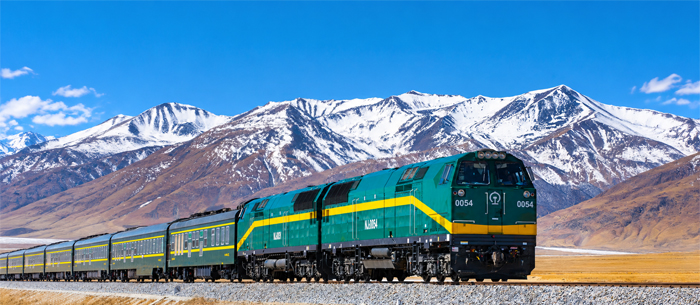
Taking a Tibet train is one of the most memorable ways to travel to Tibet. As the train travels along the Qinghai-Tibet Railway, you can enjoy stunning views of snow-capped mountains, vast grasslands, and the beautiful Tibetan Plateau right outside your window. Tibet trains connect Lhasa with major Chinese cities, including Beijing, Shanghai, Guangzhou, Chengdu,…
October 22, 2026 BY
Kunga
View Details
7 Days in Tibet: Best Itineraries and Travel Planning Guide
7 days is enough for a memorable first trip to Tibet. You can explore the cultural highlights of Lhasa and visit another major destination, depending on your interests and travel plans. Many 7-day Tibet itineraries include 1 day for arrival and acclimatization, 2 days exploring Lhasa, 3 days visiting destinations beyond the city, and a…
October 16, 2026 BY
Kunga
View Details
Tibet Travel Restrictions You Should Know Before Visiting Tibet
You can absolutely visit Tibet in , but Tibet has a few special travel rules that are different from other parts of China. Foreign travelers need a Tibet Travel Permit and must travel with an organized tour through a local travel agency. If you plan to visit places such as Everest Base Camp or Mount…
October 10, 2026 BY
Kunga
View Details
During the 3-Day Mount Kailash Trekking: What to Drink, Eat and Where to Stay?
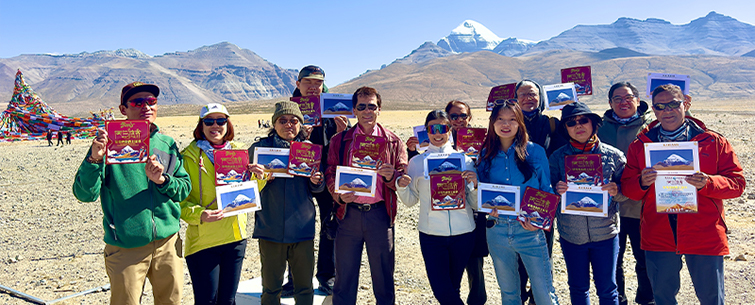
The Mount Kailash Trek is a 3-day spiritual kora covering around 52 kilometers at an average elevation above 4,500 meters. Starting and ending in Darchen, the trek includes two nights along the route, usually in local guesthouses near Dirapuk Monastery and Zutulpuk Monastery. Due to the high altitude and remote location, food and accommodation along…
View Details
Everest Base Camp in December and January: Is It Open and Where to Stay in Winter?
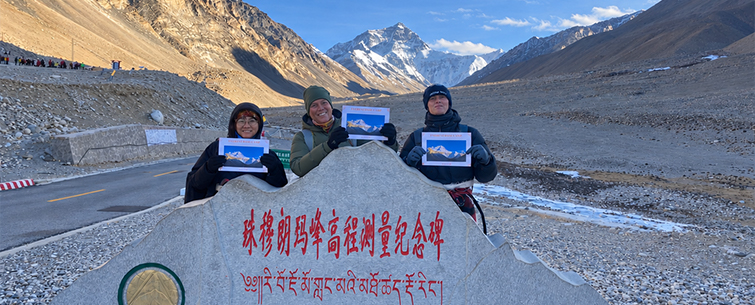
Everest Base Camp in Tibet is normally open in December and January, and winter trips to EBC continue during these months. The dry winter season often brings clear skies and good visibility of Mount Everest, although temperatures can fall well below freezing and road conditions may change after snowfall. Winter accommodation is different from the…
View Details
Tibetan Prayer Flags: Why Do Tibetans Hang Them? What Do They Mean?
As you travel through Tibet, you will often see strings of colorful prayer flags fluttering in the wind. They appear on mountain passes, near monasteries, around sacred lakes, and along pilgrimage routes, adding bright colors to the high-altitude landscape. Tibetan prayer flags are more than colorful decorations. Printed with Buddhist mantras and sacred symbols, they…
September 28, 2026 BY
Kunga
View Details
Is Drinking Water Safe in Tibet? Can I Drink Tap Water During a Tibet Trip?
Water is always something to pay attention to when traveling internationally, and in Tibet, it’s particularly important. At 3,500 meters and above, your body loses fluid faster than at sea level. Staying hydrated helps prevent dehydration and keeps you more comfortable, but it does not prevent altitude sickness on its own. Where that water comes…
September 24, 2026 BY
Kunga
View Details
Top 10 Mount Kailash Travel Advice from Our Tibetan Tour Guide – Keldor
Mount Kailash is one of the most remote destinations in Tibet. Located more than 1,200 km from Lhasa, the journey involves long-distance travel, high altitude, changing weather, and a three-day kora that reaches 5,630 meters at Dolma La Pass. A little preparation can make a big difference. I’m Keldor, a local Tibetan tour guide from…
View Details
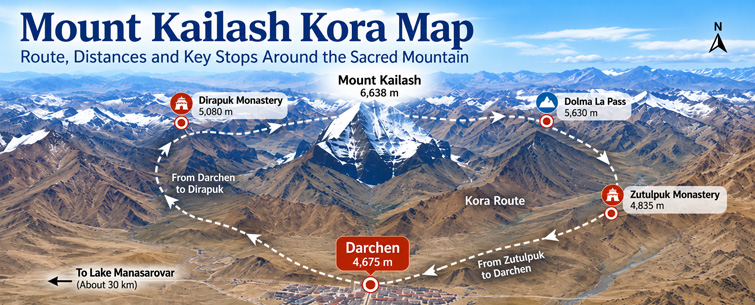
Mt Kailash Yatra Route Map: A Detailed Route Map for Your Kora around Mt. Kailash
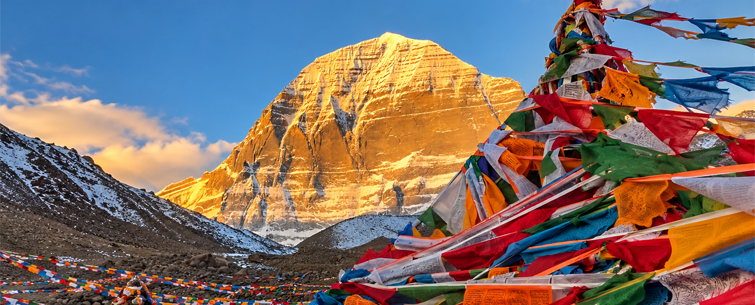
The Mount Kailash Kora is a 52 km pilgrimage and trekking route around Mount Kailash in western Tibet, usually completed over 3 days. Starting from Darchen, the route passes Dirapuk Monastery, crosses the 5,630-meter Dolma La Pass, continues to Zutulpuk Monastery, and finally returns to Darchen. To help you understand the journey, we have put…
September 16, 2026 BY
Kunga
View Details
Luxury Tibet Travel vs Budget Tibet Travel: What’s the Difference?
Tibet can be experienced in many ways, from a private luxury journey to an affordable group tour. The main differences come down to comfort, flexibility, personalization, and cost. Luxury travel usually offers a private, customized journey, while budget travel follows a fixed group itinerary with shared services to keep costs more affordable. Both options can…
View Details

 Search
 Pioneer of Tibet Tourism for Overseas Travelers since 1984!