
 Search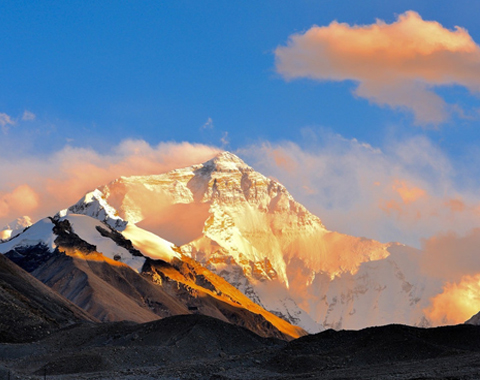
 Pioneer of Tibet Tourism for Overseas Travelers since 1984!

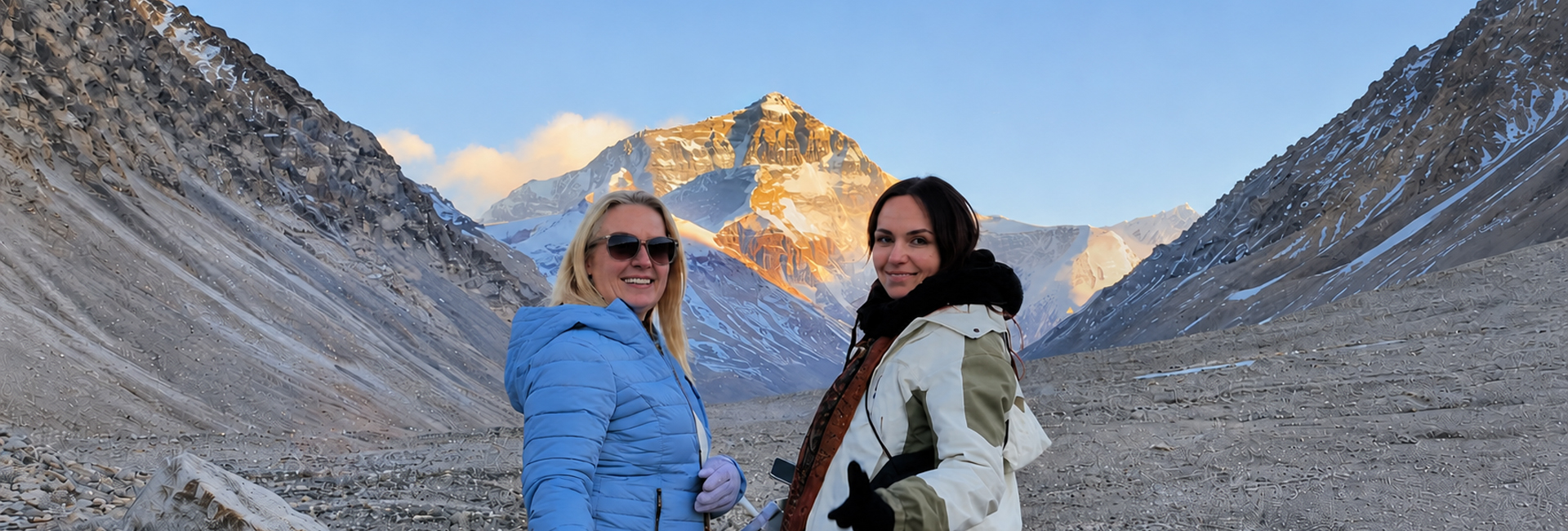
If you’re planning a trip to Tibet, the high altitude is one of the most important things to prepare for. With many areas of the Tibetan Plateau located above 4,000 meters, your body needs time to adjust to the thinner air and lower oxygen levels.
The good news is that most travelers can enjoy Tibet comfortably with the right preparation. Staying healthy before departure, planning a gradual itinerary, packing suitable gear, and knowing how to pace yourself after arrival can all help you adapt better and make the most of your journey.
A little preparation goes a long way when traveling to Tibet. Here are some practical tips to help you prepare for the altitude and enjoy a smoother Tibet adventure.
Get Your Body Ready Before Traveling to Tibet
You do not need special high-altitude training before visiting Tibet. However, maintaining a reasonable level of fitness before your trip can still be beneficial.
For classic Tibet tours, including exploring Lhasa, visiting ancient monasteries, and experiencing natural wonders like Everest Base Camp and Lake Namtso, you only need to be in good general health. As long as you allow your body enough time to adapt to the altitude and follow proper acclimatization tips, you can comfortably explore the top attractions in Tibet.
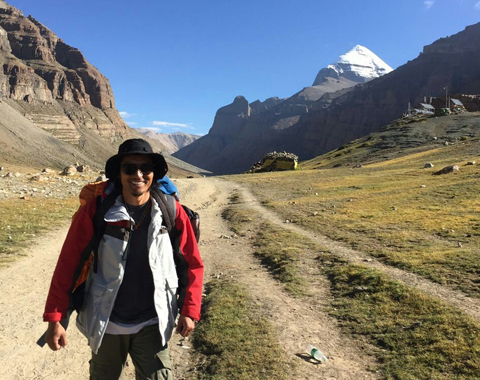
If your Tibet itinerary includes more physically demanding activities, such as the Mount Kailash Kora or cycling across the Tibetan Plateau, it is advisable to begin moderate exercise 2 to 4 weeks before departure. Gradually increasing your endurance through regular aerobic exercise can help improve your stamina and prepare you for these adventures.
Just make sure to reduce intense workouts before your departure so you can arrive in Tibet well-rested and ready for your journey.
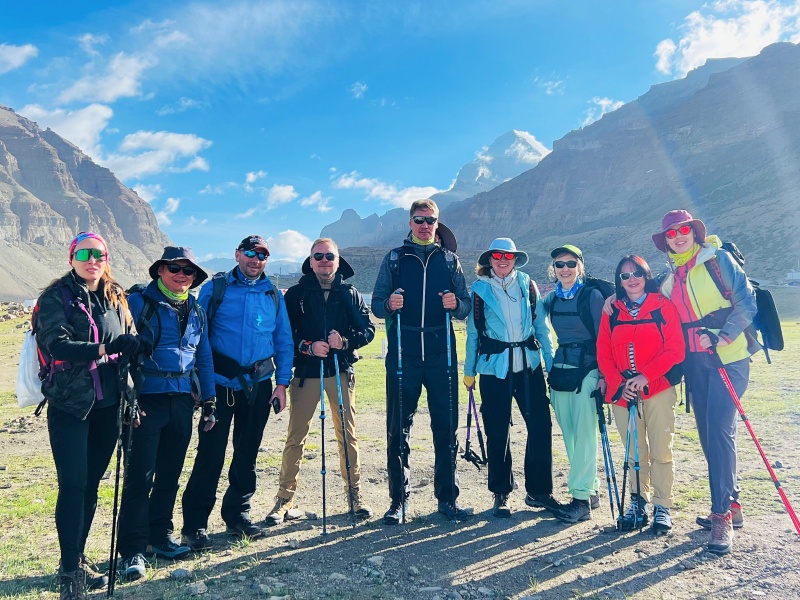
Building fitness and endurance for high-altitude adventures like the Mount Kailash Kora.
Avoid Catching a Cold Before Traveling to Tibet
If you have a cold, it is strongly recommended that you postpone your Tibet trip until you have fully recovered. A cold can affect your respiratory system and reduce your body’s ability to adapt to the lower oxygen levels at high altitude.
Traveling to Tibet while experiencing cold symptoms may significantly increase discomfort during altitude acclimatization and raise the risk of altitude-related problems, including high-altitude pulmonary edema (HAPE) and other serious conditions.
For a safer and more enjoyable Tibet journey, make sure your body is in good condition before departure. It is best to wait until your cold symptoms have completely disappeared and you have returned to your normal health before traveling to the Tibetan Plateau.
Taking care of your health before arrival gives your body the best foundation to adapt to the altitude of Tibet and helps you enjoy the incredible landscapes and cultural experiences Tibet has to offer.
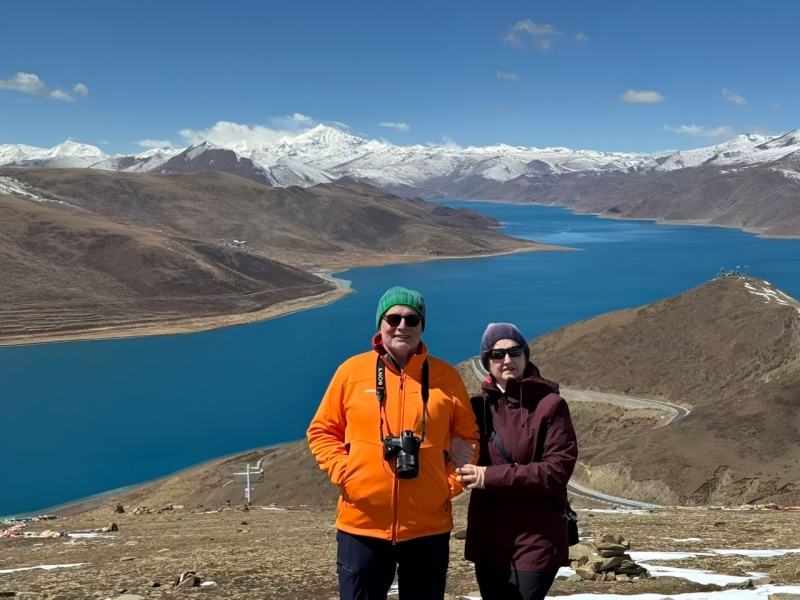
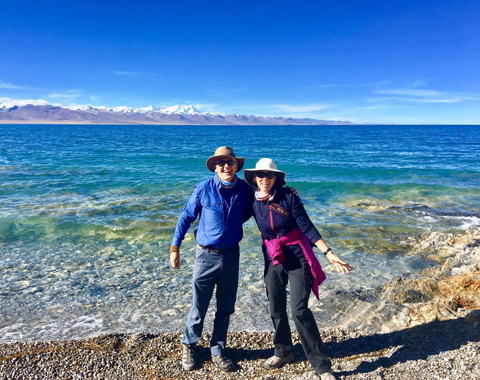
Wear warm, windproof clothing for a more comfortable visit to Yamdrok Lake.
Prepare Necessary Altitude Medication and Check Your Health Condition
There are some medications that may help relieve symptoms related to altitude sickness, but they are not suitable for everyone. Before taking any altitude-related medication, it is best to consult a professional doctor and follow their advice based on your personal health condition, medical history, and travel plans.
Besides altitude-related medication, you can also prepare some basic medicines according to your own needs. Common travel essentials may include motion sickness medicine, medication for stomach discomfort or diarrhea, pain relievers, band-aids, and other personal medicines you regularly use.
Keep in mind that medication is only a supportive measure. The most important ways to adapt to Tibet’s high altitude are allowing your body enough time to acclimatize, avoiding overexertion during the first days, staying hydrated, and listening to your body throughout the journey.
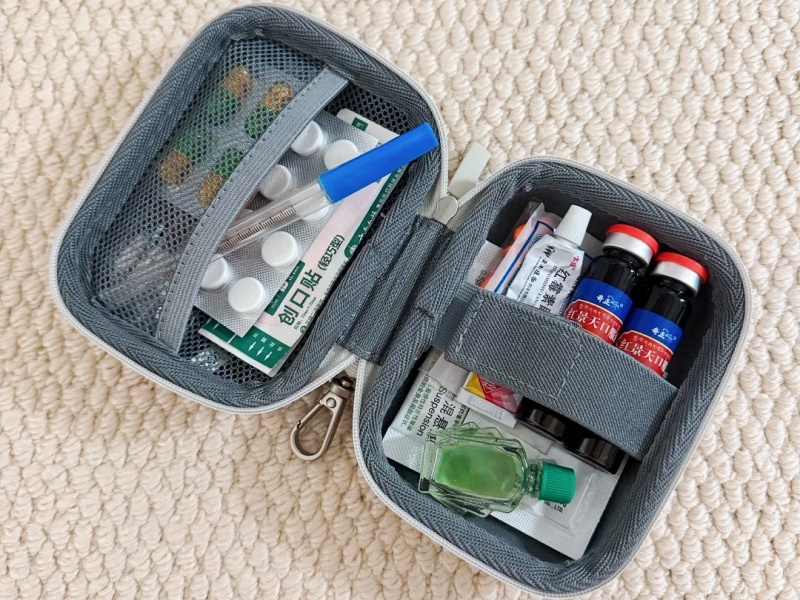
Prepare a necessary medical kit for your Tibet trip.
Plan Your Tibet Itinerary for Better Acclimatization
Your Tibet itinerary can make a big difference in how smoothly your body adjusts to the altitude. While you may be excited to start exploring as soon as you arrive, giving yourself enough time to acclimatize is one of the best ways to enjoy your journey more comfortably.
Upon arrival in Lhasa, avoid rushing into a busy sightseeing schedule. Take it easy, get some rest, and give your body time to gradually adjust to the altitude. Spending two or three days in Lhasa at a relaxed pace allows you to explore highlights such as the Potala Palace, Jokhang Temple, and Barkhor Street while giving your body time to adapt.
From Lhasa, you can gradually continue to higher-altitude destinations across Tibet. Whether you travel west toward Shigatse (around 3,840 m) and Everest Base Camp (over 5,000 m), or head north to Namtso Lake (around 4,718 m), a well-planned route allows your body to adjust step by step instead of facing a sudden increase in elevation.
The classic Lhasa to Everest Base Camp tour is a good example of a well-paced itinerary. Starting from Lhasa (around 3,650 m), the journey gradually moves higher through Shigatse (around 3,840 m) before reaching Everest Base Camp (over 5,000 m). This slower increase in altitude helps travelers adjust along the way and enjoy the journey more comfortably.
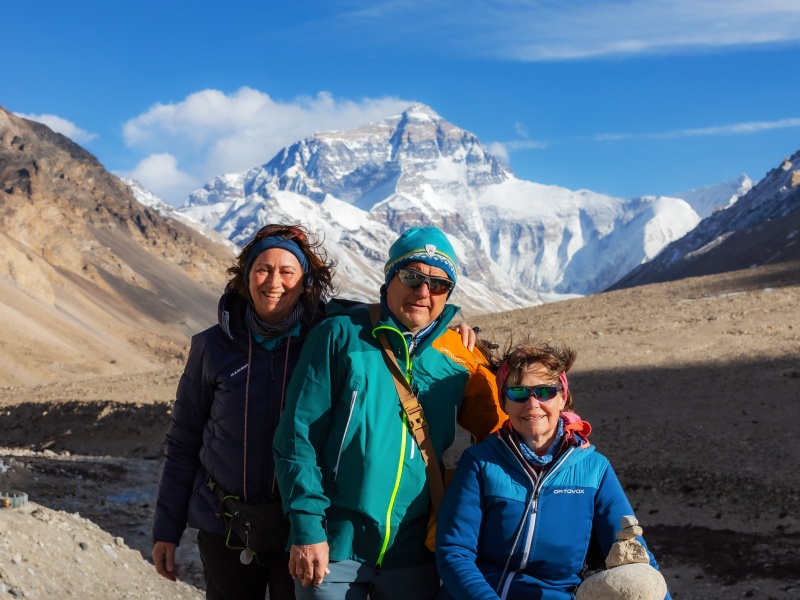
Enjoy a more comfortable journey to Everest Base Camp by following a gradual route for better altitude acclimatization.
Pack the Right Gear for Tibet’s High Altitude
Tibet’s high elevation brings rapidly changing weather conditions, so packing the right gear can make your journey much more comfortable.
Even in summer, temperatures in Tibet can vary significantly between daytime and nighttime. Across the plateau, strong sunshine, dry air, and powerful winds are common, especially in open areas and at higher elevations.
The best way to prepare for Tibet’s weather is to pack versatile gear that can handle changing conditions:
- Layered clothing: Layering is the most practical way to dress in Tibet. A moisture-wicking base layer helps regulate body temperature, while a fleece jacket provides warmth during cool mornings and evenings.
- Warm jacket or down jacket: A down jacket is especially useful when traveling in spring, autumn, or winter, or when visiting high-altitude areas such as Everest Base Camp, where temperatures can drop below freezing after sunset.
- Windproof outer layer: Strong plateau winds can make temperatures feel much colder than they actually are. A lightweight windproof jacket is useful for mountain passes, open valleys, and other exposed areas.
- Sun protection: UV radiation is stronger at high altitude because the atmosphere is thinner. Even on cool or cloudy days, bring high-SPF sunscreen, UV-protection sunglasses, and a wide-brimmed hat or cap to protect your skin and eyes.
With the right preparation, you can stay comfortable while experiencing incredible Tibetan landscapes in different seasons and regions.
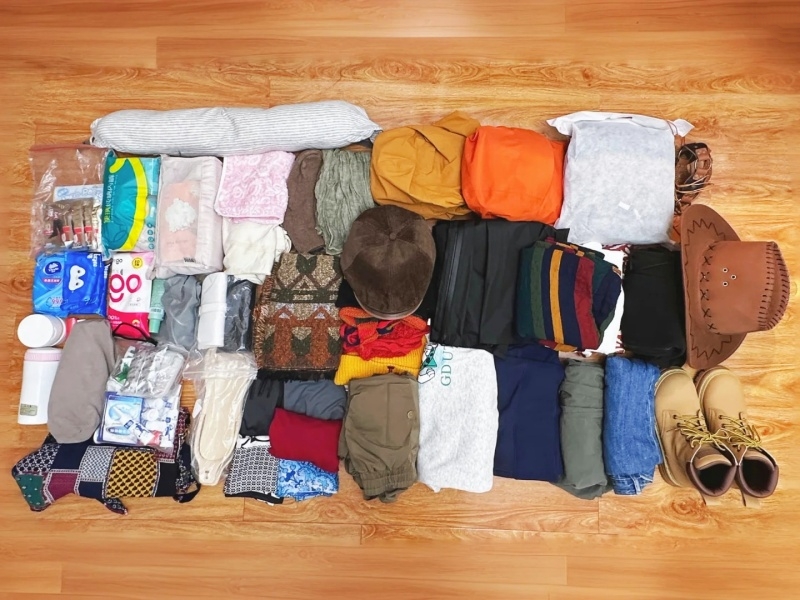
Pack essential clothing and gear for your Tibet travel.
Know What to Do During Your First Days in Tibet
The first few days in Tibet are the most important time for your body to adjust to the high altitude. Even if you feel completely fine after arrival, it is best to take things slowly and give your body time to adapt.
After arriving in Tibet, especially on your first day in Lhasa, avoid planning a busy sightseeing schedule. Take time to rest at your hotel, relax, and allow your body to get used to the new environment. A short and easy walk is usually fine, but avoid overexerting yourself.
During the first few days, keep your activities light and avoid strenuous exercise, such as long hikes, intense trekking, or physically demanding activities. Drink enough water throughout the day to stay hydrated, but avoid drinking excessive amounts at once.
By allowing yourself a slower start, you give your body a better chance to adapt to Tibet’s altitude and enjoy the rest of your journey more comfortably.
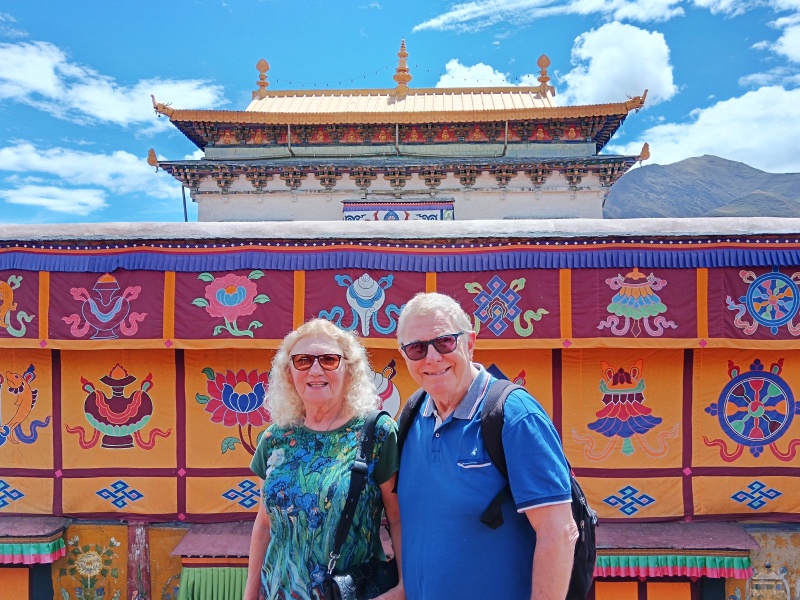
Visit Jokhang Temple at a relaxed pace to help acclimatize to Lhasa’s high altitude.
Conclusion
Preparing for Tibet’s high altitude does not require complicated training or extreme physical preparation. For most travelers in good health, a comfortable Tibet journey is possible with proper planning, a gradual itinerary, and the right preparation before departure.
The key is to give your body enough time to adjust. Spending a few days in Lhasa before heading to higher-altitude areas, avoiding overexertion during the first days, and maintaining good habits such as staying hydrated, getting enough rest, and packing suitable clothing can all help you adapt more comfortably to the Tibetan Plateau.
If you have any questions about Tibet’s altitude, itinerary planning, or how to prepare for your journey, feel free to contact us. We are happy to help you plan a safe and enjoyable Tibet adventure.

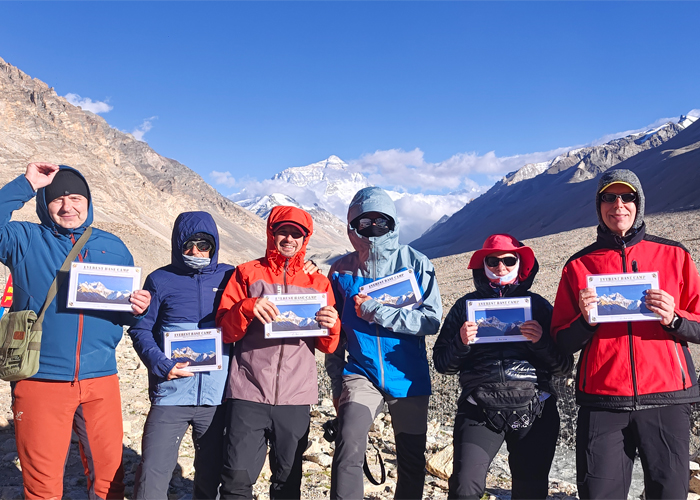
"How to Prepare for High Altitude Before Traveling to Tibet?"