Top Five Himalayan Valleys Hiding in Shigatse
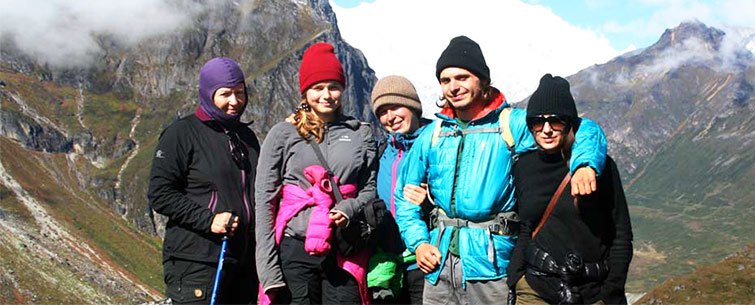
The Himalayas are the youngest mountains in the world. These are the longest and most beautiful mountain range. Though it has many fascinating things to see including the flora and fauna and taste the adventures, it also has the many valleys rich in beauty and natural splendours, some of them may be still are untouched…
November 2, 2018 BY
Kunga
View Details
Journey to Lhanagtso Lake, The Most Mysterious Lake In Tibet
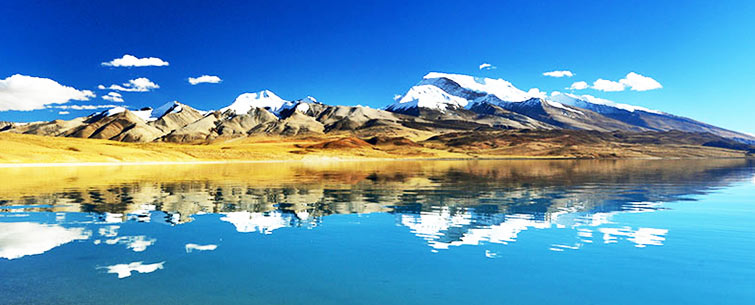
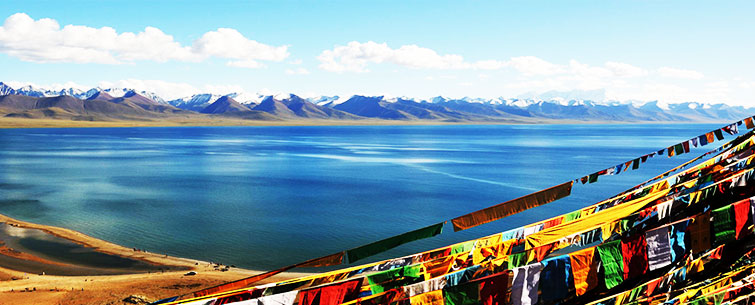
Lhangtso Lake has dark blue coloured water, the lake looks beautiful but it has highly salty water which is prohibited to drink. Lake is considered as the inauspicious and called as Ghost Lake as this lake is associated with a number of stories. This lake is located in Pulan Country at Nagari prefecture and at…
September 15, 2017 BY
Kunga
View Details
Complete Guide to Tibetan Kailash Kora
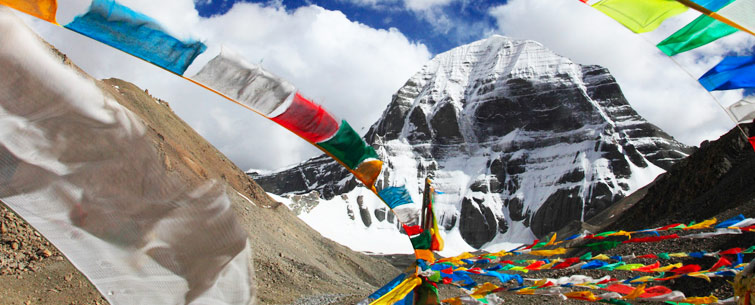
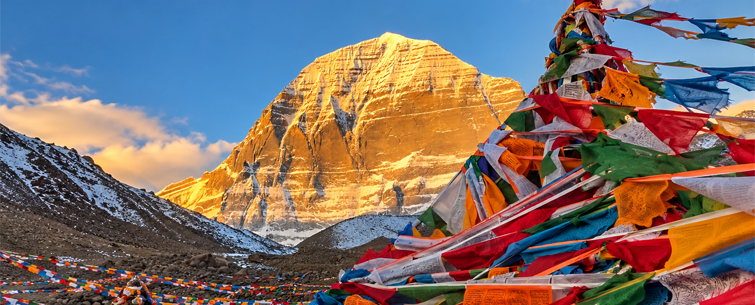
Kora is a Tibetan word which literally in English means ‘circumambulation’ or revolution. Kora also refers to the act of showing reverence to the holy aspects of the world that the Tibetans believe to be holy and sacred. It is not only a form of pilgrimage but also meditation and a way of enlightenment. It…
September 4, 2017 BY
Kunga
View Details
Tracing China’s Ancient Tea-Horse Road to Tibet
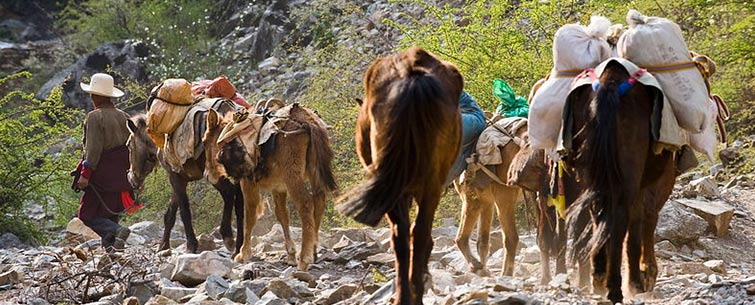
The Ancient Tea-Horse Road locally known as Chamagudao is a network of meandering caravan paths through the mountains of Yunnan, Guizhou and Sichuan in Southwest China. It is also known as Southern Silk Road. The 2250 kilometer long trail begins with the Sichuan Province of China and stretches to Lhasa, the capital city of Tibet.…
View Details
Ultimate Guide to Five Monasteries in Kailash Kora
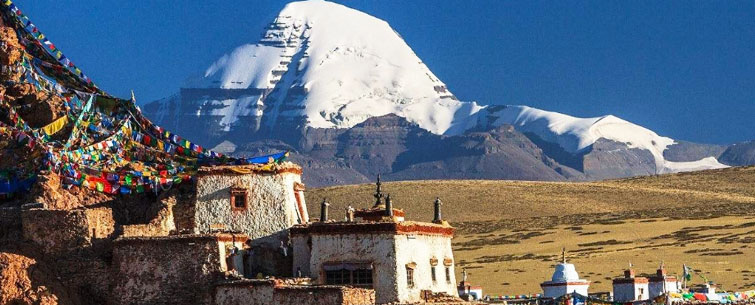
Mount Kailash, situated in the enigmatic land of Tibet is considered immensely holy by the Tibetan people. As is the ritual, a distinct kora is performed around Mount Kailash. The kora refers to the act of showing respect to the holy aspects of the Tibetan lands by circumnavigating the aspect and chanting prayers. Often prostrations…
September 4, 2017 BY
Kunga
View Details
How to Travel Sichuan, Yunnan and Tibet in Just One Go
To reach Tibet overland routes are the best options for travelers with adventurous spirits as they present you one of the most precious travel experience of your lifetime. However it must be mentioned that it demands a determined body and mind, enormous time and adequate cost from the traveler. Five Overland Routes to Tibet 1.…
View Details
Sherpa People, Professional Everest Guide at Nepal Tibet Border
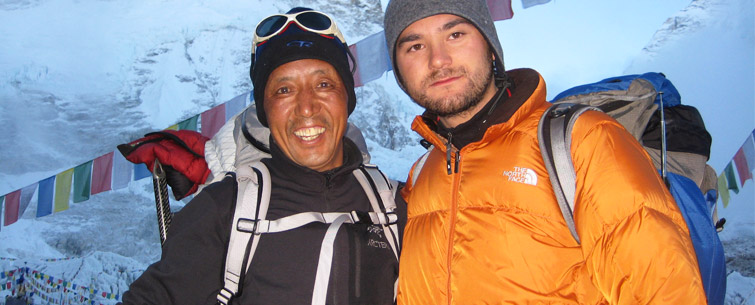
Sherpa is an ethnic group belonging to the hill areas of Tibet, Nepal, Bhutan as well as India. They are the peoples of the Himalayas. Sherpa is a Tibetan term meaning eastern people (Sher = east and pa = people). The use of the word Sherpa as a surname is but an outcome of a…
View Details
Tibetan Prayer Flags: Why Do Tibetans Hang Them? What Do They Mean?
As you travel through Tibet, you will often see strings of colorful prayer flags fluttering in the wind. They appear on mountain passes, near monasteries, around sacred lakes, and along pilgrimage routes, adding bright colors to the high-altitude landscape. Tibetan prayer flags are more than colorful decorations. Printed with Buddhist mantras and sacred symbols, they…
September 28, 2026 BY
Kunga
View Details
Nagqu, Home to Qiangtang Nomadic Culture
In Tibet Autonomous region, there are seven prefectures and the Nagqu prefecture is the largest administrative division of the Tibet Autonomous Region. It has an area of 450,537 square kilometers with a well constructed and facilitated airport and a railway. The airport, Nagqu Dagring Airport is considered to be world’s highest altitude airport, standing at…
View Details
Explore Ancient Artistry in Nimu, Tibet
Nimu or Nyemo, in Tibetan language means ‘wheat’. With an area of 3275 square kilometers and the average altitude of 4000m, above sea level, it is located in the western side of the central point of Lhasa. There are various rivers that border this county. On the northern bank of river Yarlung Tsangpo, this county…
View Details

 Search
 Pioneer of Tibet Tourism for Overseas Travelers since 1984!