
 Search


 Pioneer of Tibet Tourism for Overseas Travelers since 1984!

A woman’s name may reveal a family’s blessings for a child’s future, a connection to Buddhist teachings, or a wish for happiness, health, and prosperity. Understanding some of the popular Tibetan women’s names will help you connect more deeply with the people you meet, enriching your Tibet experience.
A woman’s name may reveal a family’s blessings for a child’s future, a connection to Buddhist teachings, or a wish for happiness, health, and prosperity. Understanding some of the popular Tibetan women’s names will help you connect more deeply with the people you meet, enriching your Tibet experience.
How Are Tibetan Women’s Names Structured?
Tibetan names are usually made up of two or four syllables. Unlike Western naming traditions, Tibetan names don’t include a family name or surname. A person is usually known by their given name alone, rather than by a combination of first name and last name.
Because there is no surname system, many Tibetan people share the same name. For example, several women in the same village may be called Dolma or Lhamo. This does not create the same confusion that it might in cultures with family names because people often recognize individuals through their personal relationships, occupations, or other details.
Sometimes additional words are used to distinguish between people with the same name. A person may be identified by adding information about their hometown, family background, or role in the community. In everyday life, the personal name itself remains the most important part of a Tibetan person’s identity.
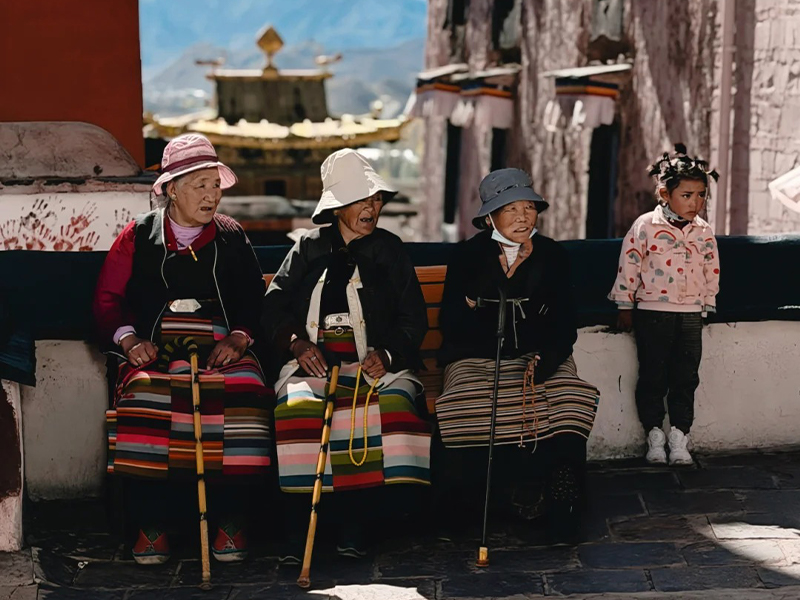
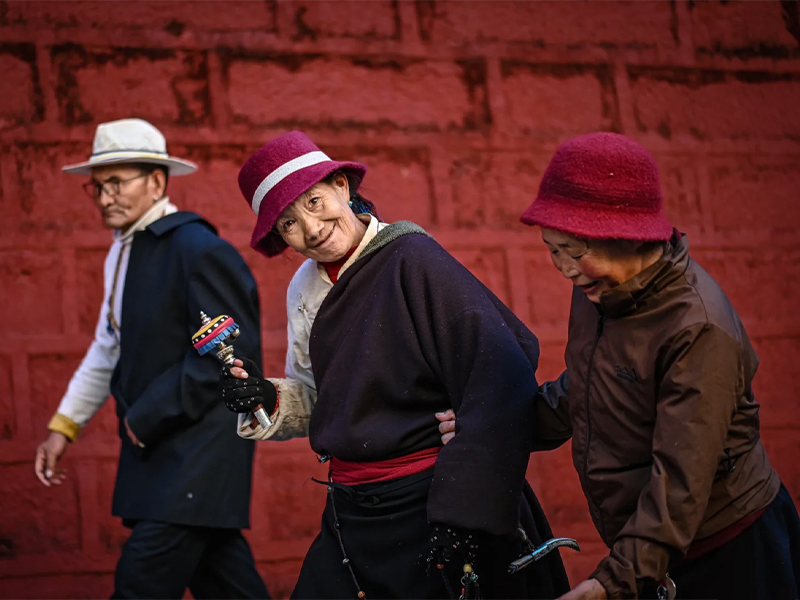
Many Tibetans share the same name.
Many Tibetan Women’s Names Have Religious Meaning
Tibetan Buddhism has a strong influence on Tibetan naming traditions. Many Tibetan women’s names contain spiritual meanings connected to Buddhist teachings, deities, virtues, and hopes for a meaningful life.
One of the most common Tibetan women’s names is Dolma, which means Tara, a female Buddhist deity associated with compassion, protection, and kindness. Tara is highly respected in Tibetan Buddhism, and the name Dolma reflects wishes for a woman to be compassionate and virtuous.
Another popular name is Lhamo, meaning “goddess” or “divine being.” This name expresses a sense of beauty, purity, and spiritual connection. It is also associated with qualities that families may hope their daughters will possess.
The name Choden is related to the Dharma, the Buddhist teachings and principles that guide spiritual practice. A person with this name may be connected symbolically with wisdom, morality, and religious devotion.
Pema, meaning “lotus,” is another widely used Tibetan name. The lotus flower has an important meaning in Buddhism because it grows from muddy water while remaining pure and beautiful. It represents spiritual growth, purity, and enlightenment.
| Name | Literal Meaning | Cultural Significance |
|---|---|---|
| Dolma | Tara | A popular Buddhist name symbolizing compassion, protection, and kindness. |
| Lhamo | Goddess / Divine Being | Reflects beauty, purity, and a strong spiritual connection. |
| Choden | Related to the Dharma | Represents wisdom, morality, and devotion to Buddhist teachings. |
| Pema | Lotus | Symbolizes purity, spiritual growth, and enlightenment in Tibetan Buddhism. |
| Name | Literal Meaning | What It Symbolizes |
|---|---|---|
| Metok | Flower | Beauty, growth, vitality, and the preciousness of life. |
| Namkha | Sky, space, or heaven | Freedom, openness, limitlessness, and vastness. |
| Dawa | Moon or month | Calmness, serenity, and tranquility. It is also traditionally given to children born on a Monday. |
| Nima (Nyima) | Sun | Warmth, light, hope, and positive energy. It is traditionally given to children born on a Sunday. |
| Tsering | Long life | Longevity, good health, and a long, blessed life. It is one of the most popular Tibetan names for both women and men. |
| Yangzom | Prosperity / Beautiful combination | Prosperity, harmony, beauty, and good fortune. It reflects parents’ wishes for a happy and successful life. |
Although these names have traditional meanings, modern Tibetan families may choose names for different personal, cultural, or religious reasons. As a result, the significance of the same name may vary slightly from one family to another.
How Do Tibetan Women Get Their Names?
Many Tibetan families ask a monk or lama to choose a name for their newborn. Because Buddhist teachers are respected for their spiritual knowledge, their suggestions are often considered meaningful and auspicious.
Monks in Tibet will consult Buddhist scriptures and astrology when choosing a name. From their extensive traditions, they can select from names with auspicious meanings that represent blessings, protection, or good fortune.
Some families choose names themselves based on family traditions or meanings they hope to give their child. Whether chosen by parents or a monk, the name reflects love and cultural values.
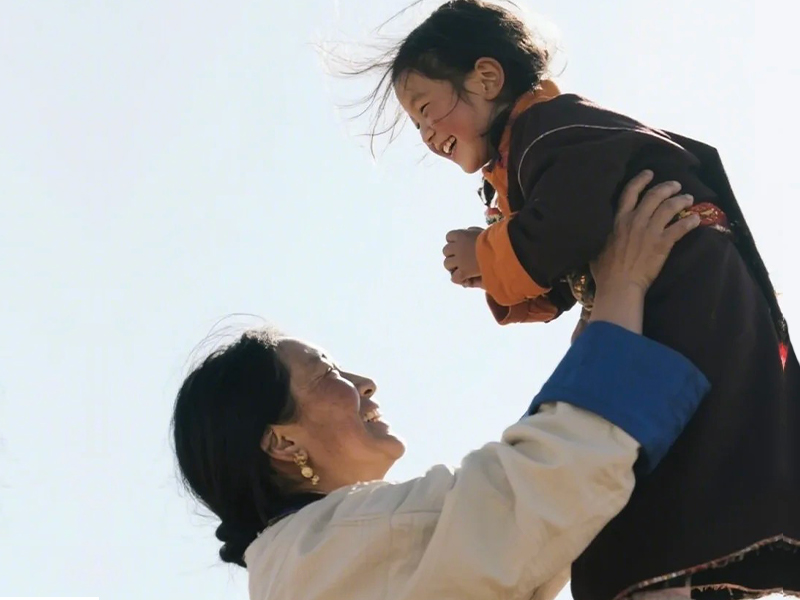
Tibetan women’s names often carry auspicious meanings and wishes.
Do Tibetan Women Change Their Names After Marriage?
Traditionally, Tibetan women keep their original names after marriage. Since Tibetan people generally do not use family names, marriage does not involve changing from one surname to another. A woman’s personal name remains an important part of her identity throughout her life.
Keeping the same name after marriage also reflects the idea that a person’s identity is connected to who they are as an individual rather than only their relationship to a family line.
How Should You Address Tibetan Women During Your Tibet Trip?
The most natural way to address someone in Tibet is with their name, whenever you know it. To someone like your tour guide or people you are introduced to, it is a friendly and respectful way to address them.
For older women, Ajia is a polite and commonly used term. It is often used when speaking to older women in everyday situations, such as visiting local homes, shopping, or meeting elderly residents. Similar to saying “auntie” in English, it expresses warmth and respect rather than referring to a close family relationship.
For younger women, there is another Tibetan term, Bumu, which refers to a young girl or a young unmarried woman. However, unlike Ajia, Bumu is not a term that foreign visitors should casually use when addressing unfamiliar young women, as it may sound unnatural or overly familiar. While traveling in Tibet, if you are unsure how to address someone, using their name when possible or asking your Tibetan guide for advice is always the best choice.
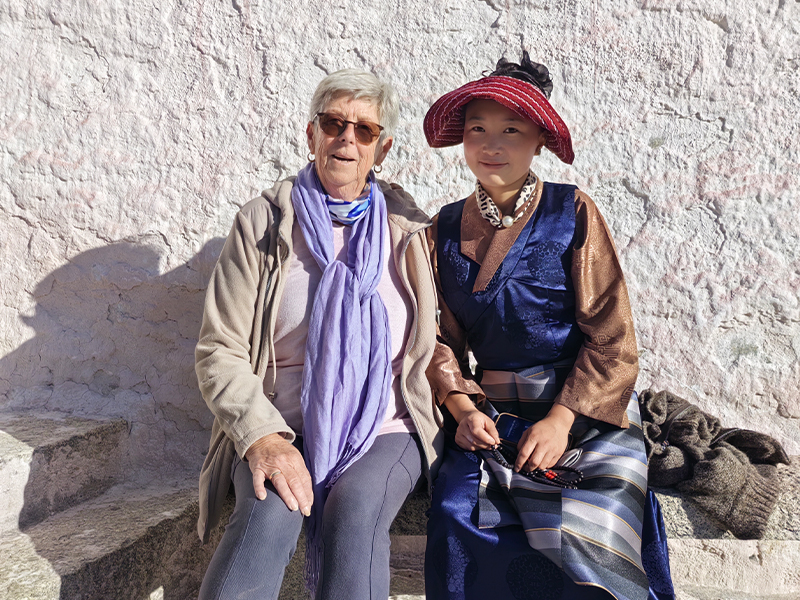
Friendly terms of address for Tibetan women during a trip to Tibet
Conclusion
Tibetan women’s names reveal the deep connection between language, religion, nature, and cultural traditions. In the absence of surnames, Tibetan names focus on personal identity and the values that families hope to pass on.
When you’re visiting Tibet, understanding the meaning behind Tibetan women’s names provides a deeper appreciation of local culture. A respectful greeting, the correct use of someone’s name, and an awareness of naming traditions will help create more meaningful connections with the local people during your Tibet tour.

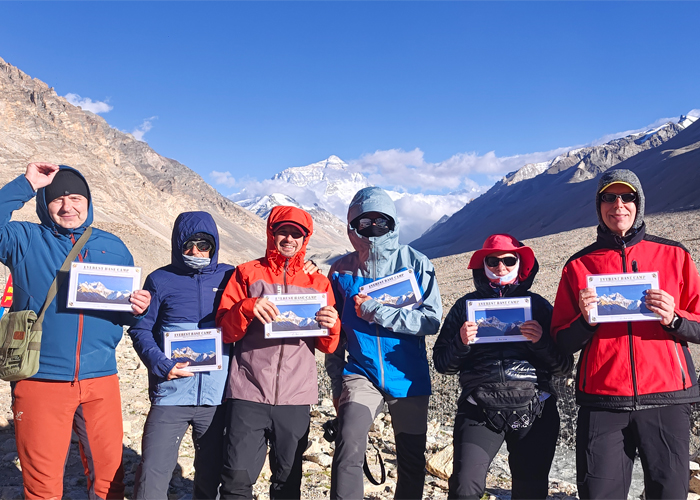
So if you’re ready to an Adventure Tour to Tibet
1.) enjoy the mind-blowing Himalayas
2.) trek to the foot of Mt. Everest, the world’s summit
3.) explore mysterious Tibetan Buddhism
4.) appreciate the beauty of holy Tibetan lakes
5.) experience divine kora around holy Mt. Kailash
6.) witness exotic Tibetan culture
7.) taste Tibetan, Nepali, Indian cuisine
8.) look for a paradise of photography
9.) have safari on the roof of the world
Then Let’s Get Started with Our Local Tour Experts
"Tibetan Women Names: Meaning Behind Tibetan Women’s Names"