You Should Never Miss Out the Autumn Scenery of Nyingchi when Touring Tibet in September and October
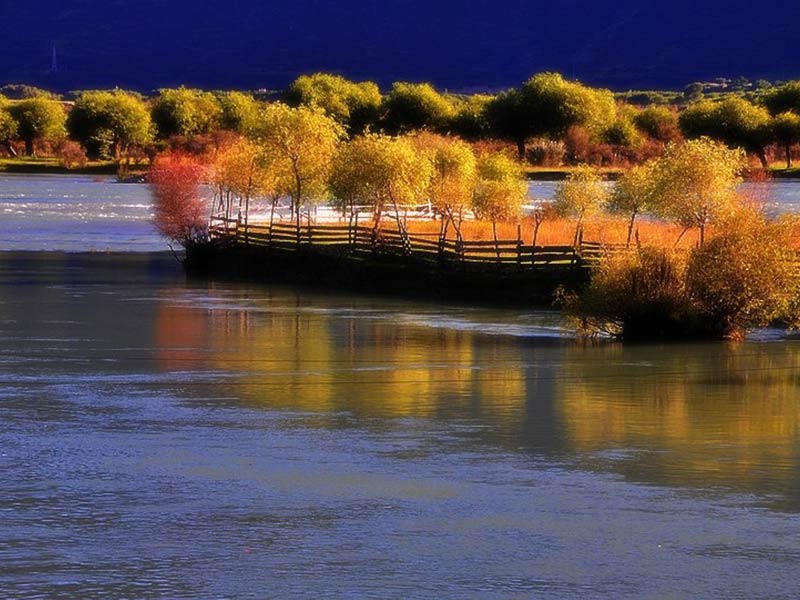
With a fresh breeze puffing, many places begin to put on their colorful dresses. Autumn is suitable to travel for its pleasant climate and agreeable holidays. In this post, we’ll recommend a hidden paradise for you. It is neither gorgeous Kanas nor golden Ejin Banner, just Nyingchi, where you can capture the most colorful Tibet!…
September 23, 2016 BY
Kunga
View Details
10 Misunderstandings about Tibetan Culture You May Have When Touring Tibet
Misled by ambiguous information on the internet, many foreign tourists have mistaken some facts about Tibet. In this post, we’ll clear all those misunderstandings up, including Tibetan people, Galsang flower, Tibet altiplano red, Tibet winter, Tsangyang Gyatso, prostration pilgrimage, palm-up gesture, altitude sickness, Tibetan body language, etc. 1. Tibetan People and Local Security Misunderstanding A…
September 20, 2016 BY
Kunga
View Details
How to Plan a Visit to Tibet? – The Most Complete Guide
When someone plans to pay a visit to Tibet, a couple of questions will come into his mind. Is it possible for foreigners to tour Tibet alone? Will i suffer from altitude sickness? In this post, we make a summary of those top concerns, including Tibet travel permit policy, best time to go to Tibet,…
September 19, 2016 BY
Kunga
View Details
FAQs for Travelers Who Are First Time to Visit Tibet
Here we have collected Top 30 tips for first-time foreign travelers, aiming to make your Tibet tour more pleasant. In this post, you’ll find practical answers to Tibet travel faqs, including Tibet Travel Permit, altitude sickness, best time to Tibet, how to get to Tibet, Tibet weather, Tibetan monasteries,etc. 1. Are there any restrictions on…
September 19, 2016 BY
Kunga
View Details
Hidden Tourist Destinations and Sites – Tibet Top 10 Unknown Attractions
When referring to Tibet tour, people always make great determination to run through the whole Tibetan area. Wishes are good but it seems impossible to realize this dream, even for local Tibetans. Why is that? Because Tibet is so vast and remote. Some places are really difficult to get into, especially the no man’s lands.…
September 13, 2016 BY
Kunga
View Details
How to Get to Tibet from Mainland China – The Most Convenient and Budget Way from China to Lhasa
Tibet, known as the roof of the world, is a place of mystery and legend for most outsiders. Blue sky, white clouds, holy mountains and sacred lakes make it reputed as the last piece of pure land on earth, arousing people’s yearnings. Travelers always hold a firm belief that Tibet is the destination i won’t…
September 13, 2016 BY
Kunga
View Details
The Valley of Mount Kailash
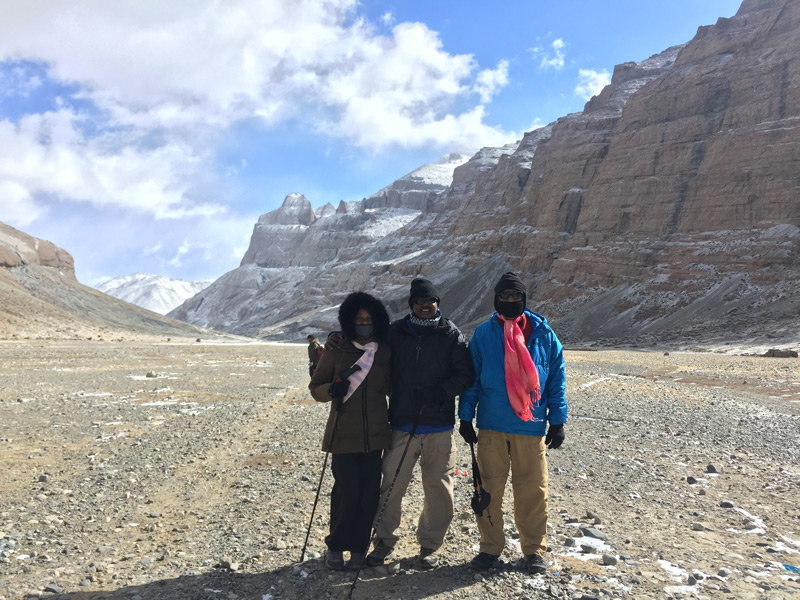
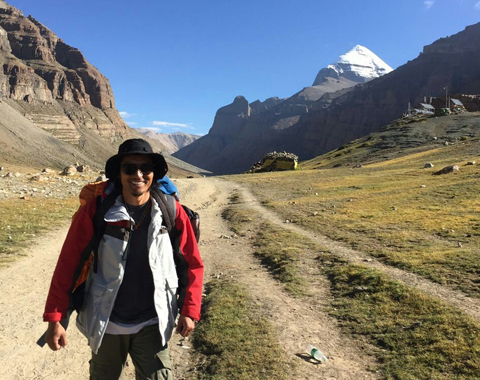
Holy Mount Kailash has an altitude of 6,714 meters. It is the main peak of the Gangdise mountains which extend more than 1,100km. Mt. Kailash in Tibetan means “Treasure Snow Mountain” which is commonly esteemed as the “King of the holy mountains” In Buddhism, Hinduism, Bobo religion and Jainism. In the pilgrimage season, pilgrims of…
View Details
Tibetan Buddhism has Five Colors with Five Meaning
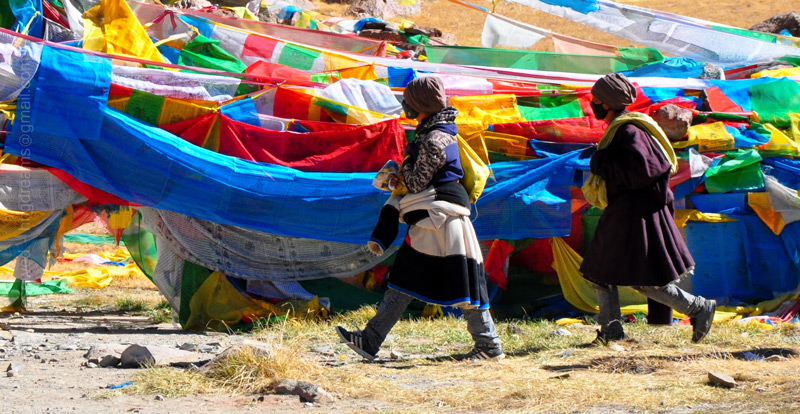
In Tibetan Buddhism, different colors will have different meanings. When you have your wonderful trip in Tibet, you can see these colors everywhere, such as: blue, white, yellow, green, red. So, the Tibetan pray flag have five colors. Blue means space. It is believed that anger can be transformed into wisdom when meditating on this…
View Details
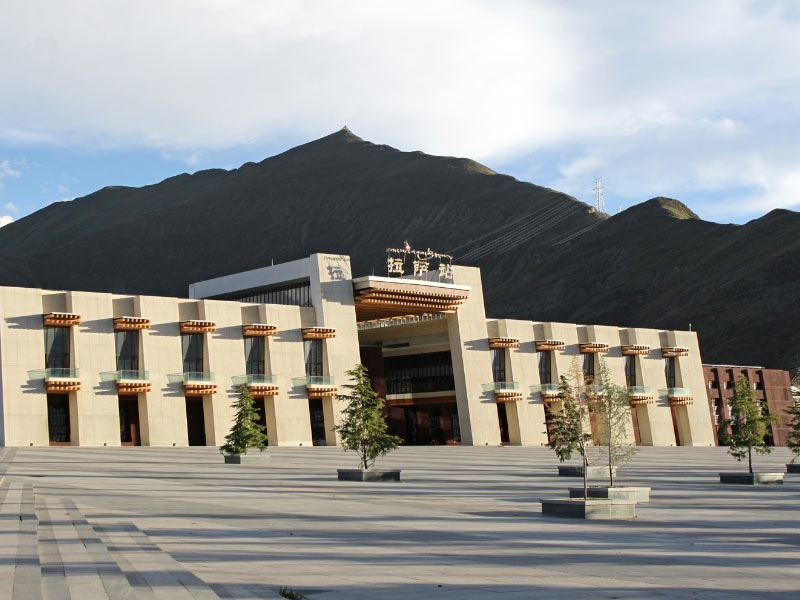
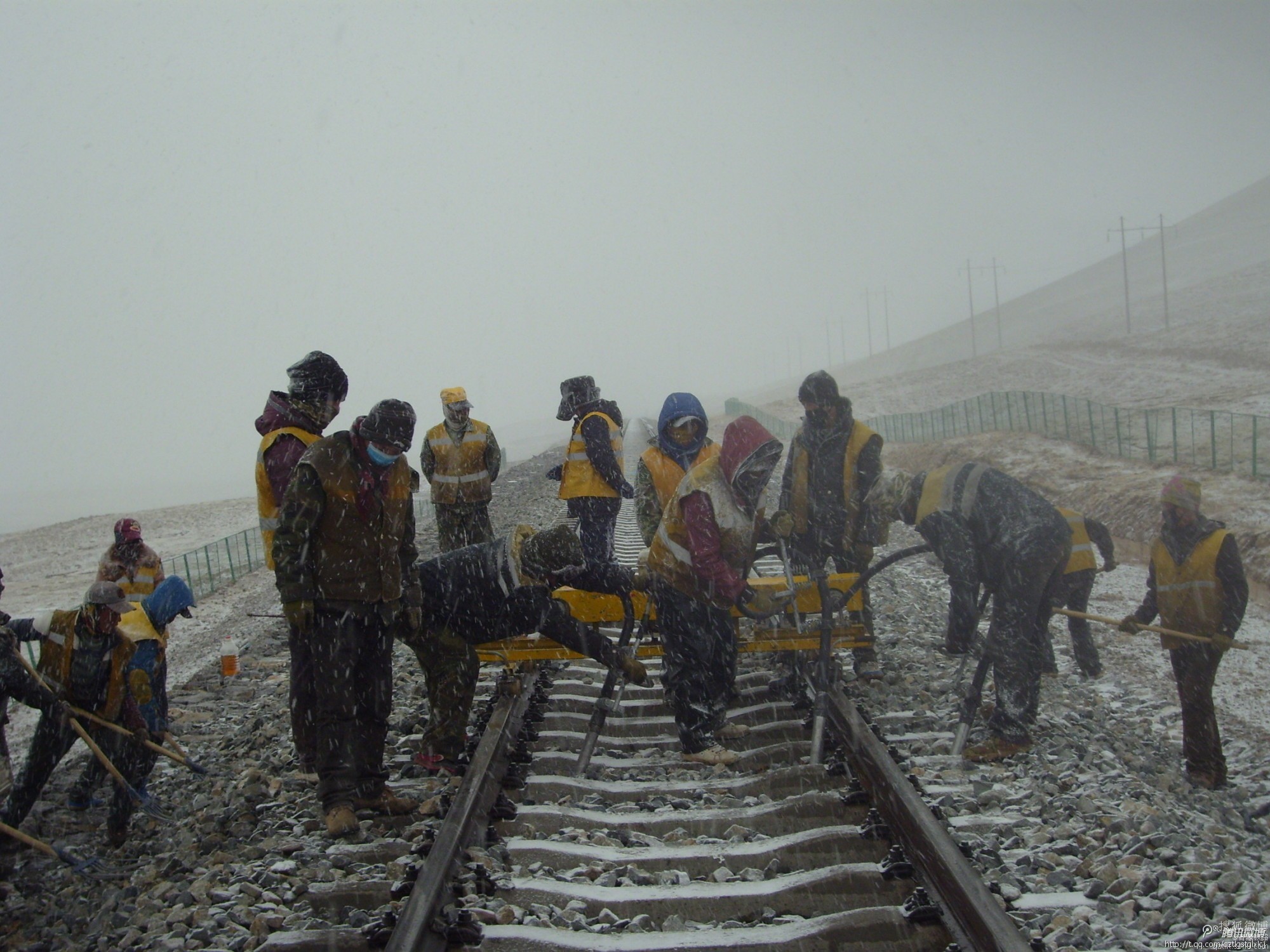
Lhasa-Nyingchi Railway Starts Construction in 2014
A new railway connecting Lhasa and its southeast neighbor Nyingchi Prefecture is about to be built in 2014. Project of the Lhasa-Nyingchi Railway is now at the feasibility study stage with two designs going southward and northward under discussion. The Lhasa-Nyingchi Railway marks the second extension of the Qinghai-Tibet Railway, following the Lhasa-Shigatze Railway terminating…
View Details
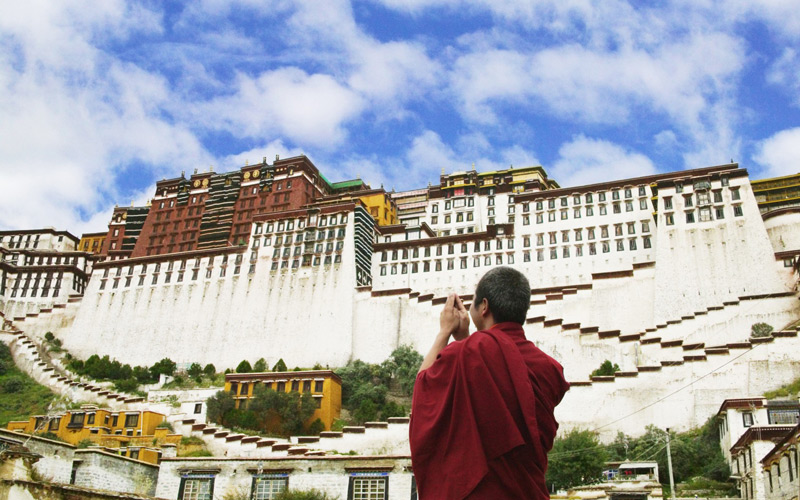
Potala Palace, the landmark of Lhasa and Tibet
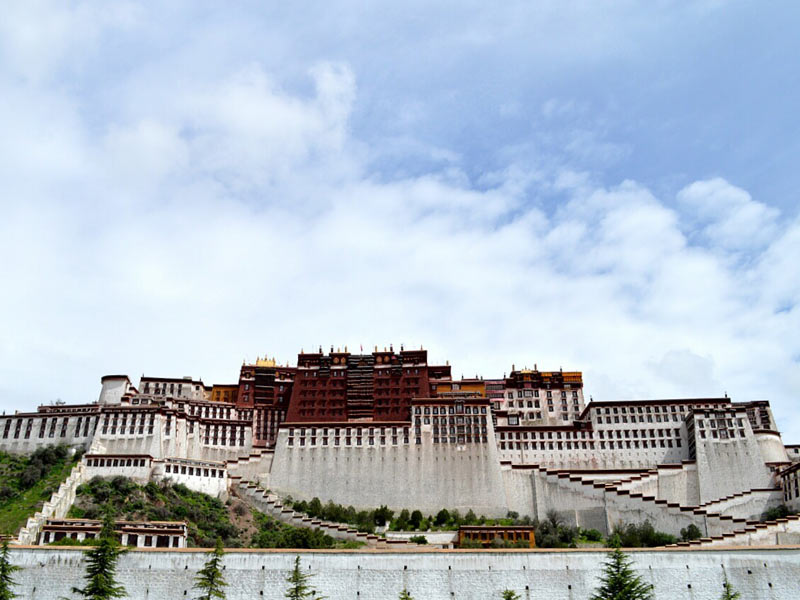
Located on the southern slope of the Red Hill, the Potala Palace was built along the hill. It is the No.1 “must-visit” attraction in Lhasa city during your Tibet tour. In 1994, it was listed on the UNESCO World Heritage List because it is a treasure house of Tibetan history, religion, culture and art. It…
View Details

 Search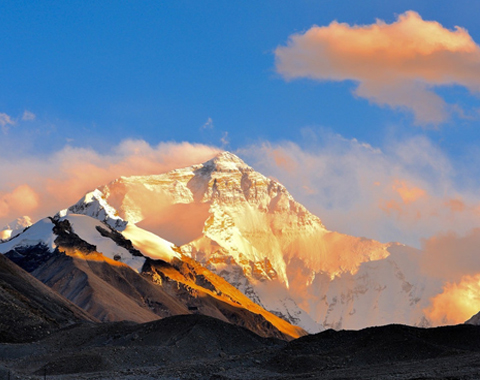
 Pioneer of Tibet Tourism for Overseas Travelers since 1984!