
.jpg "Tibetan Local Travel Agency")




Changing Life Of Tibetan Herdsman
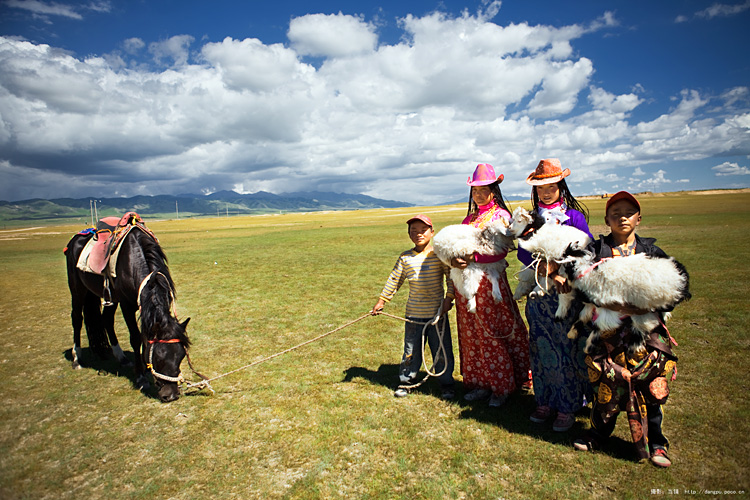
Traditional Tibetan herdsman followed a tranquil and nomadic lifestyle. Despite of the low temperature and thin air, herders raise their cattle and sheep. For many of them, it’s the only way of life that they know of. Chimey Lhatson, a Tibetan herder said “Mother Nature has given us clear skies, abundant water, green grass and so many animals. We should pass down this lifestyle by our ancestors.”
.
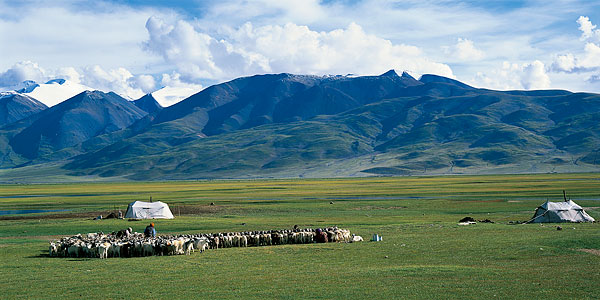
The 500 sheep he raised 10 years ago in Gansu province faced crisis as a consequence of overgrazing. The grassland was unable to hold so many animal any more. In 2003 Gannan Tibetan Autonomous Prefecture started to take care of the pasture, banning grazing on barren grasslands. Maximum herd sizes were assigned to each piece of land. Herders could receive subsidies if they keep the restrictions.
Kunsangyi got about 2.2 U.S. dollars per acre in compensation, and established a barn which could keep his animals warm and steady in winter with government funds. To comply with official rules, he reduced the number of his sheep to 300 head. “Now my sheep have enough food and they grow strong and fast”, she said.

With exceptional passion and outstanding leadership, Mrs. Catherine has dedicated herself to Tibet inbound tourism and China tour for 15 years. As one of the handful females who see great potential of Chinese inbound tourism, Catherine has made great contribution to promoting Tibet tourism and enhancing the employment of Tibetans and prosperity of local Tibetan community.
Over the years, she travelled overseas with Tibet Tourism Bureau many times to promote Tibet tourism. Currently, Catherine works as the marketing director of Tibet Vista, an opinion leader behind the whole team of Tibet Vista.
Related Articles & Posts

Latest Tibet Travel News
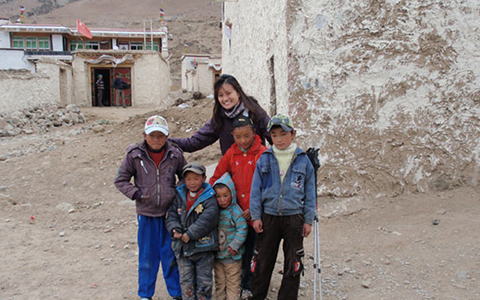
Tibet Vista: A Social Responsible Tour Organizer
Aug 14,2023

Tibetan Monks Debate in Drepung Monastery
Jun 10,2023
Tips for Traveling to Tibet in Spring
Feb 17,2022
Snow Will Hit Qinghai-Tibet Plateau
Feb 17,2022

0 Comment ON " Changing Life Of Tibetan Herdsman"