
.jpg "Tibetan Local Travel Agency")




Explore Tibet through Thangka paintings
As a quintessential art form of traditional Tibetan art, Thangka paintings originated from the Songtsen Gampo Age, when King Songtsen Gampo founded the Tubo Kingdom in the 7th century. It gained full-wing in the Song and Yuan Dynasties, while got to its heyday in the Ming and Qing Dynasties. With the spreading of Buddhism in Tibet, Thangka became a special art form in Tibetan culture. We can explore Tibet through Thangka paintings.



With exceptional passion and outstanding leadership, Mrs. Catherine has dedicated herself to Tibet inbound tourism and China tour for 15 years. As one of the handful females who see great potential of Chinese inbound tourism, Catherine has made great contribution to promoting Tibet tourism and enhancing the employment of Tibetans and prosperity of local Tibetan community.
Over the years, she travelled overseas with Tibet Tourism Bureau many times to promote Tibet tourism. Currently, Catherine works as the marketing director of Tibet Vista, an opinion leader behind the whole team of Tibet Vista.
Related Articles & Posts

Latest Tibet Travel News
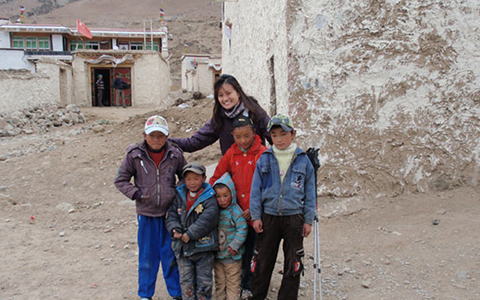
Tibet Vista: A Social Responsible Tour Organizer
Aug 14,2023

Tibetan Monks Debate in Drepung Monastery
Jun 10,2023
Tips for Traveling to Tibet in Spring
Feb 17,2022
Snow Will Hit Qinghai-Tibet Plateau
Feb 17,2022

0 Comment ON "Explore Tibet through Thangka paintings"