Ultimate Guide to Five Monasteries in Kailash Kora
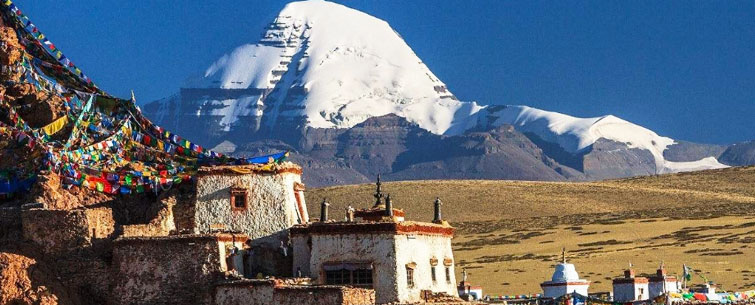
Mount Kailash, situated in the enigmatic land of Tibet is considered immensely holy by the Tibetan people. As is the ritual, a distinct kora is performed around Mount Kailash. The kora refers to the act of showing respect to the holy aspects of the Tibetan lands by circumnavigating the aspect and chanting prayers. Often prostrations…
September 4, 2017 BY
Kunga
View Details
Tracing China’s Ancient Tea-Horse Road to Tibet
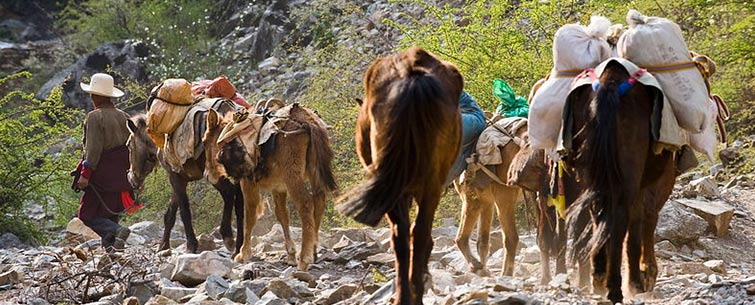
The Ancient Tea-Horse Road locally known as Chamagudao is a network of meandering caravan paths through the mountains of Yunnan, Guizhou and Sichuan in Southwest China. It is also known as Southern Silk Road. The 2250 kilometer long trail begins with the Sichuan Province of China and stretches to Lhasa, the capital city of Tibet.…
View Details
How to Travel Sichuan, Yunnan and Tibet in Just One Go
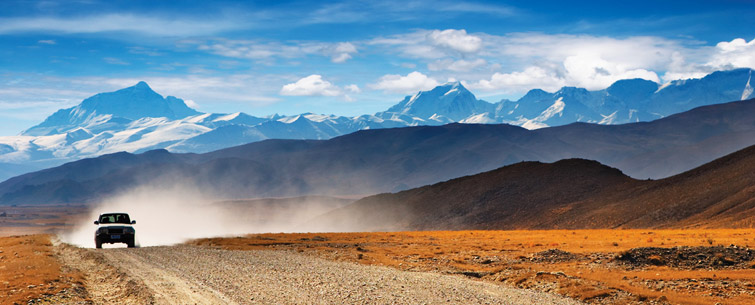
To reach Tibet overland routes are the best options for travelers with adventurous spirits as they present you one of the most precious travel experience of your lifetime. However it must be mentioned that it demands a determined body and mind, enormous time and adequate cost from the traveler. Five Overland Routes to Tibet 1.…
View Details
Sherpa People, Professional Everest Guide at Nepal Tibet Border
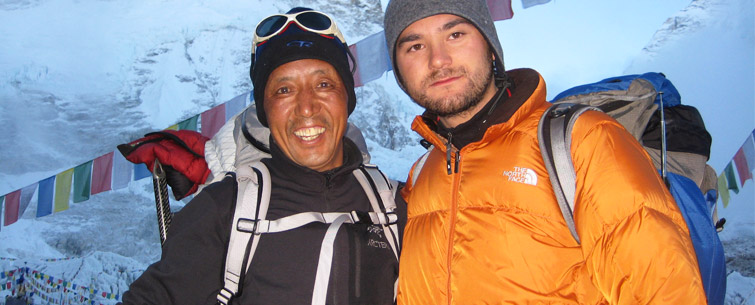
Sherpa is an ethnic group belonging to the hill areas of Tibet, Nepal, Bhutan as well as India. They are the peoples of the Himalayas. Sherpa is a Tibetan term meaning eastern people (Sher = east and pa = people). The use of the word Sherpa as a surname is but an outcome of a…
View Details
Nagqu, Home to Qiangtang Nomadic Culture
In Tibet Autonomous region, there are seven prefectures and the Nagqu prefecture is the largest administrative division of the Tibet Autonomous Region. It has an area of 450,537 square kilometers with a well constructed and facilitated airport and a railway. The airport, Nagqu Dagring Airport is considered to be world’s highest altitude airport, standing at…
View Details
Explore Ancient Artistry in Nimu, Tibet
Nimu or Nyemo, in Tibetan language means ‘wheat’. With an area of 3275 square kilometers and the average altitude of 4000m, above sea level, it is located in the western side of the central point of Lhasa. There are various rivers that border this county. On the northern bank of river Yarlung Tsangpo, this county…
View Details
Wooden Bowl, a Carrier of Tibetan Culture
Tibet is known for the strong position of tradition, old culture and religion in everyday life of Tibetan. You can see this aspect of Tibetan life in the streets of Lhasa but as you go more rural areas, you will feel its influence more. Although modern life and Chinese immigrants brought a lot of change,…
View Details
Tibetan Mask & Cham Dance Festival
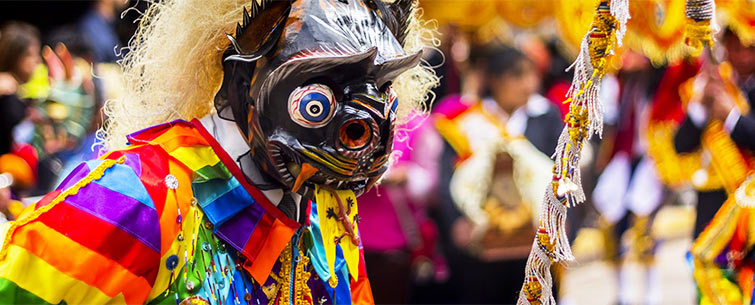
The art of Tibetan masks forms part of the traditions of Tibetan culture, and is steeped in history. The masks, which are traditionally used in Buddhist festivals, and date back to before the 6th century. Significance of Tibetan Masks Tibetan masks often embody the wrathful deities of Tibetan Buddhism, and are meant to drive fear…
View Details
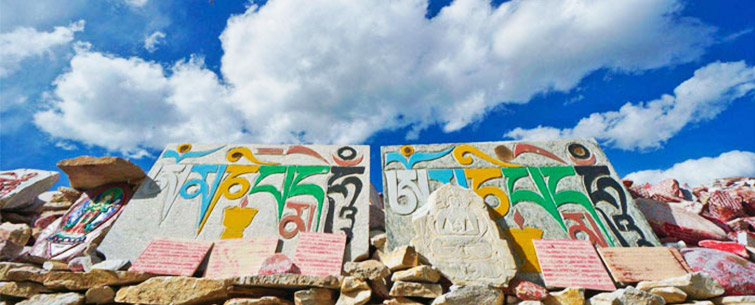
Tibetan Stone Carving Culture
One of the most important aspect of life in Tibet is the strength of tradition and Tibetan Buddhism in everyday life. Buddhism was introduced to Tibet in 7th century and became the state religion in 8th century. This late diffusion Buddhism melted into an already rich and unique culture in this high plateau and Tibetan…
View Details
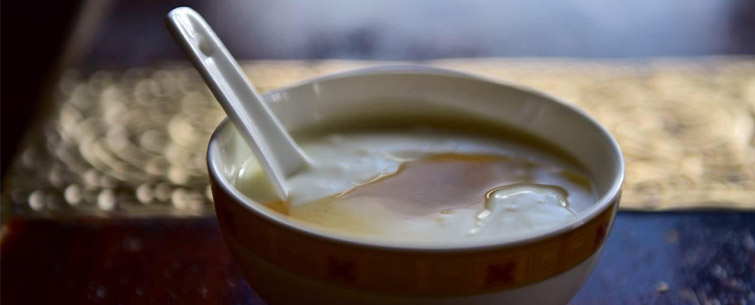
Tibetan Yoghurt and Shoton Festival
The Tibetan diet consists of mainly barley, processed into flour and used for things like tsampa, vegetables, soups, noodles, and the unforgettable yoghurt. Known in Tibet as “sho”, it is part of the staple diet of the Tibetan people, and is so popular it even has its own festival. Origins of Tibetan Yoghurt Yoghurt itself…
View Details

 Search
 Pioneer of Tibet Tourism for Overseas Travelers since 1984!