Yogurt: memory and taste of a city
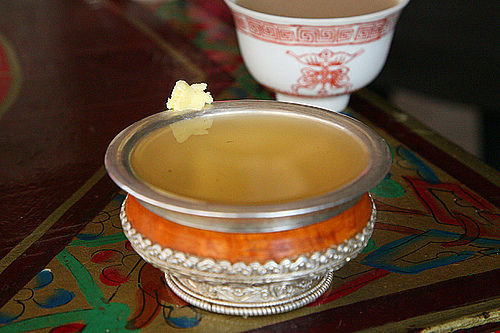
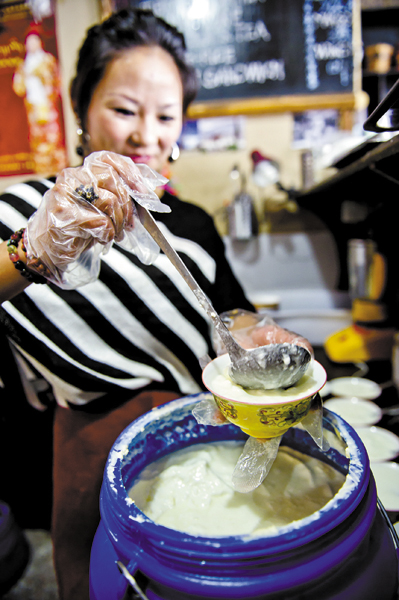
The Shoton Festival is a traditional festival that has a long history in Tibet. The festival is held at the end of the 6th Tibetan lunar month till the beginning of the 7th month. In Tibetan, “sho”means yogurt and “ton” means feast. So Shoton Festival is a festival of drinking yogurt. Previously, people only…
November 15, 2013 BY
Kunga
View Details
Buddhist prayer flags in Tibet
The five-colored prayer flags are hung on peaks, mountain passes, or by roads and monasteries in Tibet. To Tibetan Buddhism believers, each waving of the flags means reciting the scripture once, sending wishes of sentient beings to deities. In the way, the prayer flags serve as connection between human beings and the deities. The…
November 14, 2013 BY
Kunga
View Details
First Dog to Climb Mt. Everest
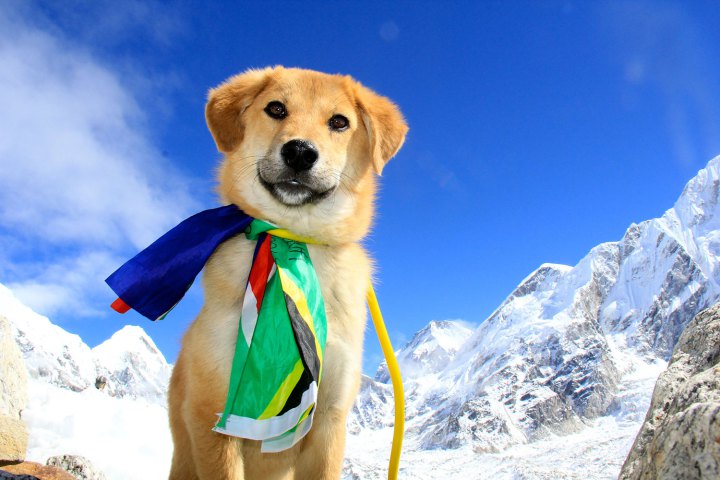
Rupee, a homeless dog was taken in by his current owner Joanne Lefson. Together with Joanne Lefson, he is thought to be the first dog to climb Mount Everest. Joanne Lefson found this little poor pup starving in a dump in India and decided to save him. After a long time’s recuperation, Rupee came…
November 14, 2013 BY
Kunga
View Details
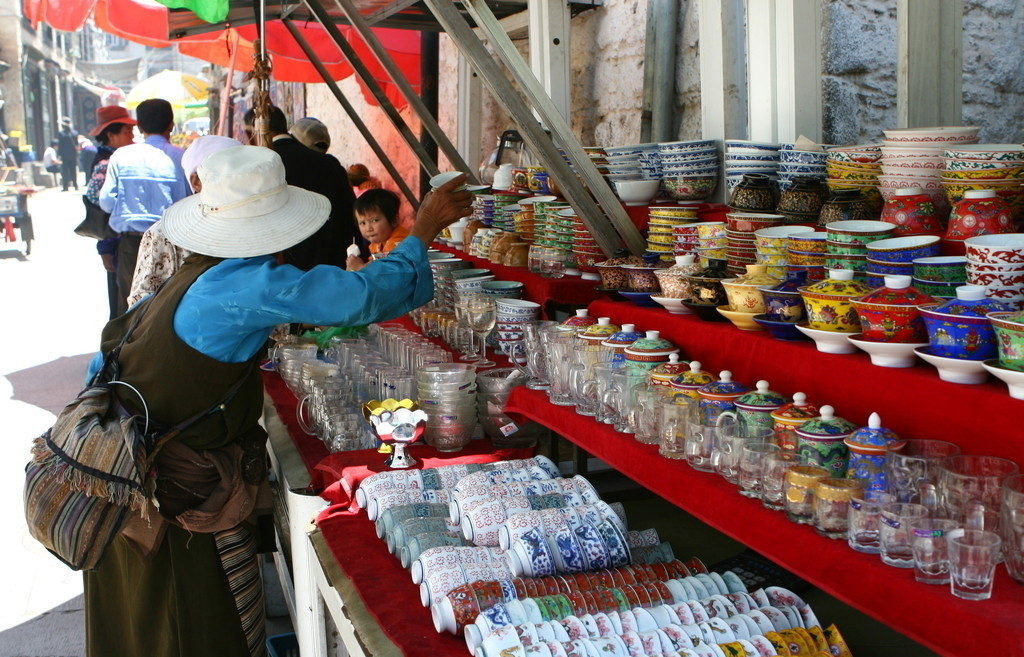
Barkor Street,the soul of Lhasa
Barkor Street is an old and traditional shopping street in the center of Lhasa,includes the areas of the older street around.As a marketplace where shaggy nomads, traders, robed monks and chanting pilgrims join together, Barkor has a long history. It is not only commercial, but also cultural. The entire street has more than 300…
November 13, 2013 BY
Kunga
View Details
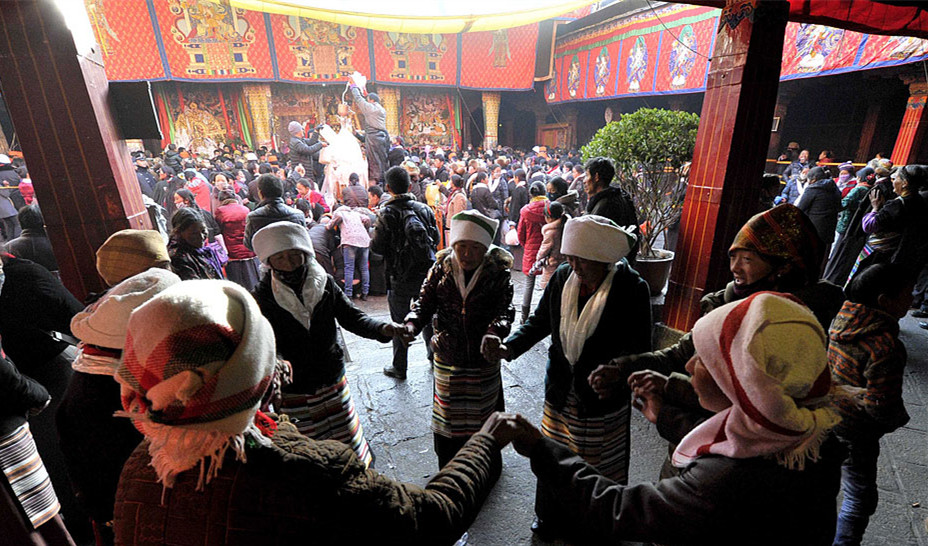
Auspicious Goddess Festival
The Auspicious Goddess Festival takes place on the 15th day of the 10th Tibetan month. On that day, women go to worship the statue of White Lhamo Goddess in the Jokhang Monastery, and carry the statue around Barkor Street as a token of worship.
November 12, 2013 BY
Kunga
View Details
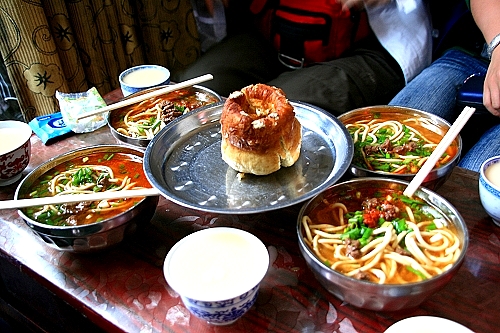
Tibetan noodle: an organic fusion of ancient history and modern city
Cailan, a famous gourmet says that a good food can not be judged by words but by tongues. Tibetan noodle, a good food that Tibetans will never be tired of eating, a distinctive smell that is alluring to many tourists, is really unique and impressive. The picture taken on the streets of Lhasa City record…
November 12, 2013 BY
Kunga
View Details
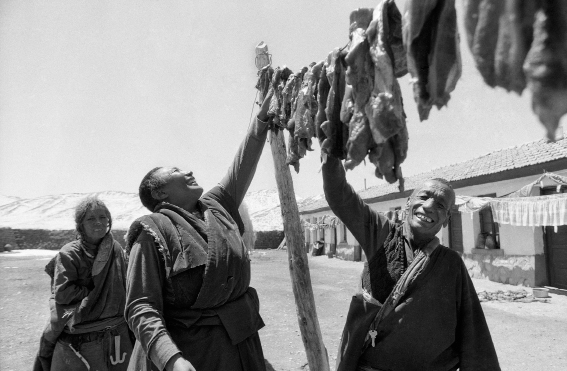
Air Dried Beef for New Year
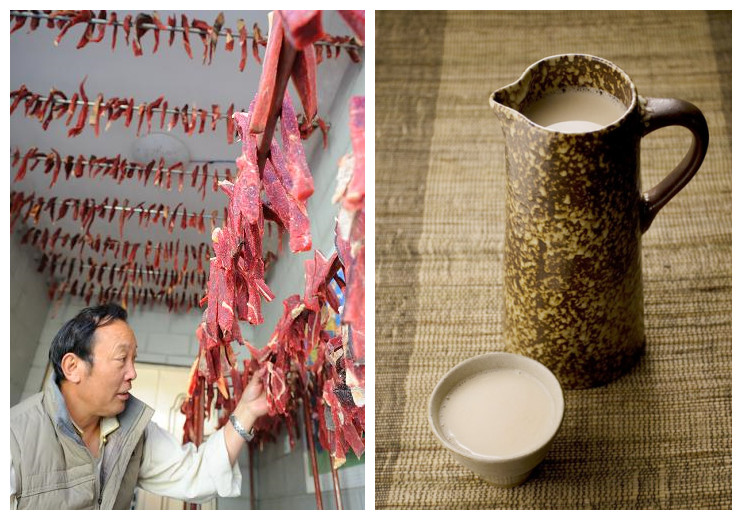
It’s a tradition for Tibetans to eat air dried beef in Tibetan New Year. Many Lhasa citizens will begin their festival preparations like making air-dried beef. Lots of chunks of yak meat for sale are against the fence of Tuan Jie Xin Cun community of Cheng Guan district. “Every chunk of air-dried beef costs over…
November 11, 2013 BY
Kunga
View Details

 Search


 Pioneer of Tibet Tourism for Overseas Travelers since 1984!