Amazing Landscape in Western Tibet
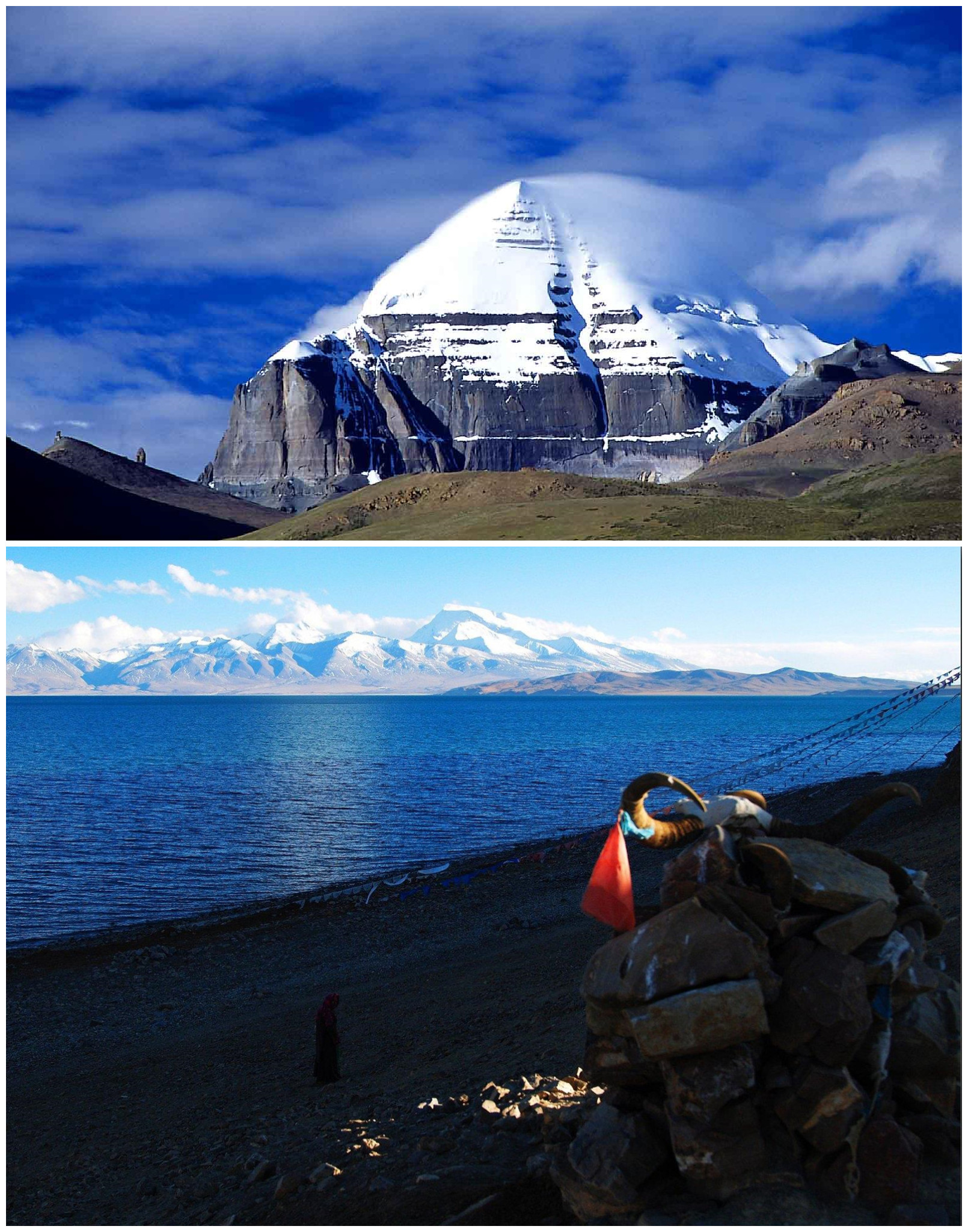
Nagri in western Tibet is home to dozens of holy lakes and mountains in Tibet such as the Mt. Kailash and the Mapam Yumco Holy Lake ( or Manasarovar Lake). The region still remains mysterious and untouchable for its high elevation and remote location. However, its splendid landscapes, typical customs and the strong atmosphere of…
November 8, 2013 BY
Kunga
View Details
“Tibet Code”: Hollywood’s bestseller zest in shooting Tibet
As a worldwide fever of bestseller adaptation keeps rolling, Hollywood was attracted to “The Tibet Code”. On June 7, 2013, Dream Works Animation — makers of “Kung Fu Panda”— announced they were teaming up with the China Film Group, a state-owned company, to make “The Tibet Code”. The movie will be an adaptation of a…
November 7, 2013 BY
Kunga
View Details
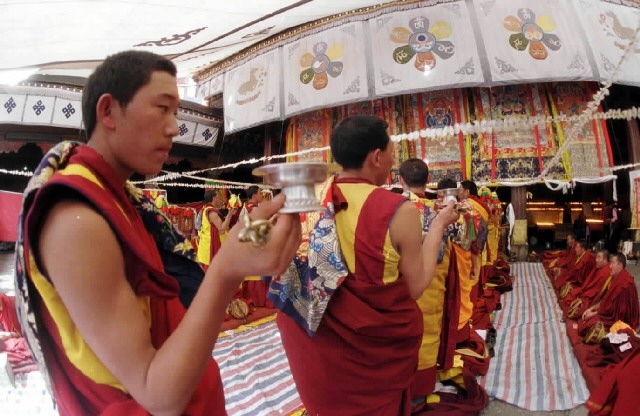
Festival of the Ritual Walk Around Holy Mountains
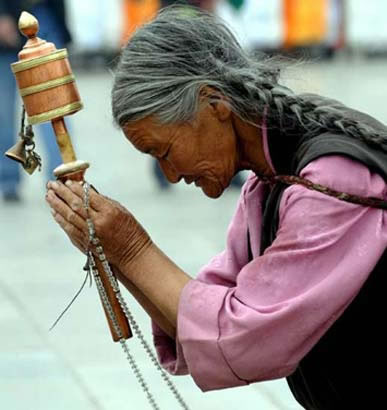
The Festival of the Ritual Walk Around Holy Mountains is held on the 4th day of the 6th Tibetan month. Called “Zhuba Ceshi” in Tibetan, the festival marks Sakyamuni’s first effort to turn the Wheel of Dharma. On this day, young men and women in Lhasa go visit mountainous monasteries in the northern suburb. They…
November 7, 2013 BY
Kunga
View Details
Ancient dance inherited in rural Tibet
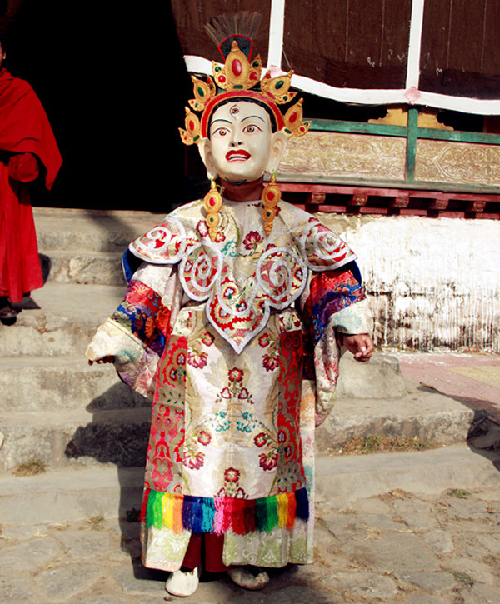
Mina Qiangmu is one of the oldest Tibetan dances. As one of the regional intangible cultural heritage of Tibet Autonomous Region, Mina Qiangmu is gaining more attention regarding its preservation and development. Demo Monastery, located in Nichi Village of Nyingchi County, is the major cradleland of Mi-nyag Qiangmu and Demo Qiangmu, a religious “holy dance”.…
November 6, 2013 BY
Kunga
View Details
Tibetan costumes: live record of Tibetan history
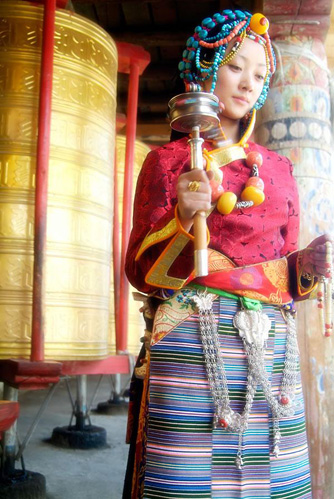
Tibetan costumes carry an unique record of its time-honored history. The study on Tibetan costumes will enhance research on the historical and cultural development of Tibetan ethnic group. Historical records show that the essential characteristics of modern Tibetan costumes took shape as early as 11th century, BC. With the intercommunication between different tribes and ethnic…
November 6, 2013 BY
Kunga
View Details
Story of Tibetan craftsman:From Ancient Town to Coastal City
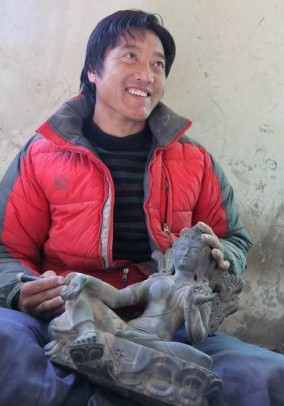
Cobblestones adorn the bed of Nyangchu River when the water falls. Dondrup Tenpa, 24 years old, picks up these stones which he treasures very much, cleans them carefully and puts them into a bag. These hand-sized, flat and rounded pebbles will be carved by Dondrup Tenpa with exquisite images of Budda and eight auspicious symbols,…
November 4, 2013 BY
Kunga
View Details

 Search


 Pioneer of Tibet Tourism for Overseas Travelers since 1984!