
 Search
 Pioneer of Tibet Tourism for Overseas Travelers since 1984!

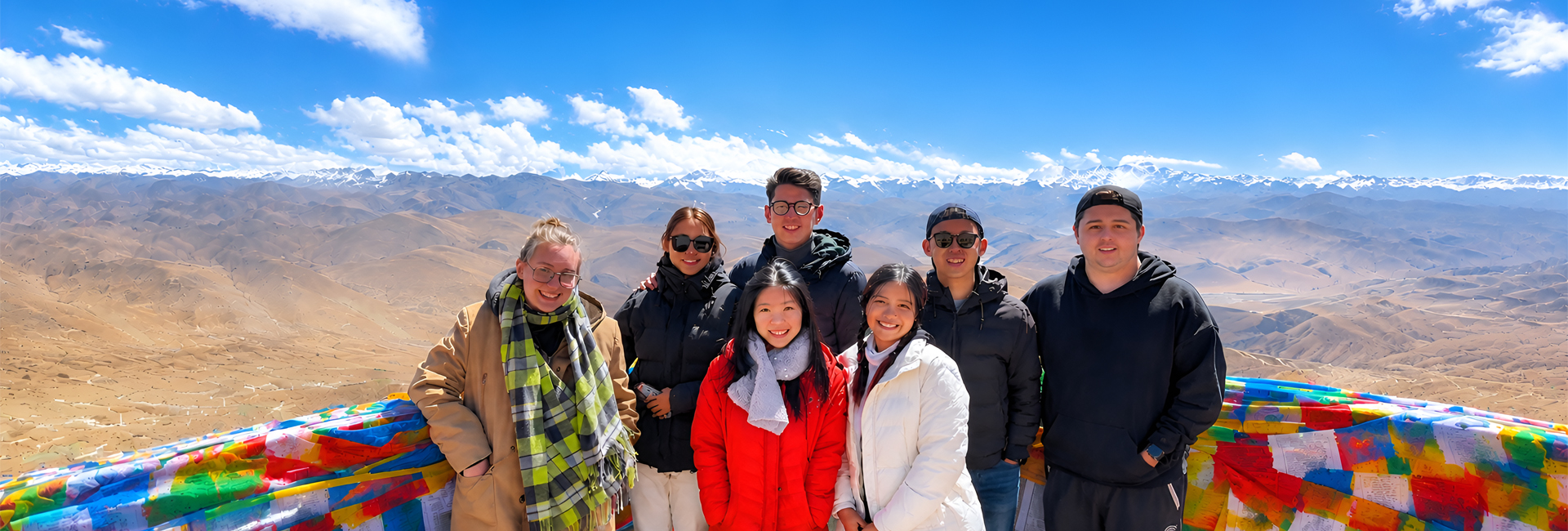
Packing for a trip to Lhasa is much easier than most first-time visitors expect. With the right travel documents, layered clothing for Lhasa’s changing weather, and proper sun protection for the high altitude, you’ll have everything you need without overpacking.
To help you pack with confidence, we’ve put together this practical Lhasa packing list for every season. From what to wear to the essentials you shouldn’t leave behind, this guide covers everything you need for a comfortable trip to Lhasa.
Essential Documents for a Smooth Entry: Passport, Chinese Visa, and Tibet Travel Permit
Before traveling to Lhasa, make sure you have all the required travel documents. Without them, you won’t be allowed to board your flight or train to Tibet.
| Document | Requirement |
|---|---|
| Passport | A valid passport with at least six months of validity remaining. |
| Chinese Visa | Required for most international travelers, unless you’re eligible for China’s visa-free entry policy. |
| Tibet Travel Permit | Mandatory for all international travelers. It is required before boarding a flight or train to Lhasa and can only be arranged through a registered Tibet travel agency. |
The Tibet Travel Permit is different from a Chinese visa because you cannot apply for it yourself. After you book a Tibet tour, your travel agency will handle the application on your behalf. The permit usually takes 15–20 days to process, so it’s best to plan your trip in advance. Once approved, the agency will make sure you receive it before you depart for Tibet.
Besides the original documents, it’s also a good idea to keep printed or digital copies in case they are lost or misplaced during your journey.
We recommend carrying copies of:
- Passport information page
- Chinese visa (if applicable)
- Tibet Travel Permit
- Emergency contact information
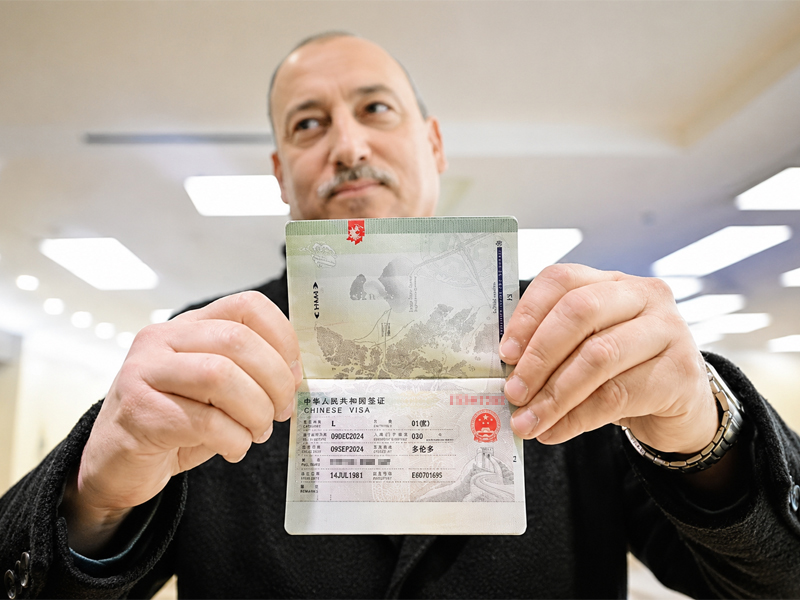
A sample of Chinese Visa
Clothing Layers: What to Wear for Lhasa’s Changeable Weather
One of the biggest surprises for first-time visitors is how quickly the weather changes in Lhasa. Sitting at around 3,650 meters (11,980 ft) above sea level, the city enjoys strong sunshine during the day, but temperatures can drop noticeably in the early morning and after sunset. Even in summer, carrying an extra layer is always a good idea.
The easiest way to stay comfortable is to dress in layers. A lightweight base layer, a fleece or sweater, and a windproof outer jacket allow you to adjust to Lhasa’s changing temperatures throughout the day without carrying bulky clothing.
| Season | Recommended Clothing |
|---|---|
| Spring (Mar, April, and May) |
Long-sleeve shirts, fleece jacket, lightweight windproof jacket, comfortable long pants, sunglasses, and a sun hat. |
| Summer (Jun and Aug) |
T-shirts or light shirts for daytime, plus a light jacket or fleece for cool mornings and evenings. A lightweight waterproof jacket is useful for occasional rain. |
| Autumn (September, Octover, and November) |
Layered clothing, fleece or sweater, windproof jacket, hiking pants or comfortable long pants. Temperatures become much cooler after sunset. |
| Winter (December, January, and February) |
Thermal base layers, fleece, down jacket or insulated coat, gloves, scarf, warm hat, and warm trousers. |
If you’re unsure what to expect during your travel dates, check our monthly Lhasa weather guide before you pack.
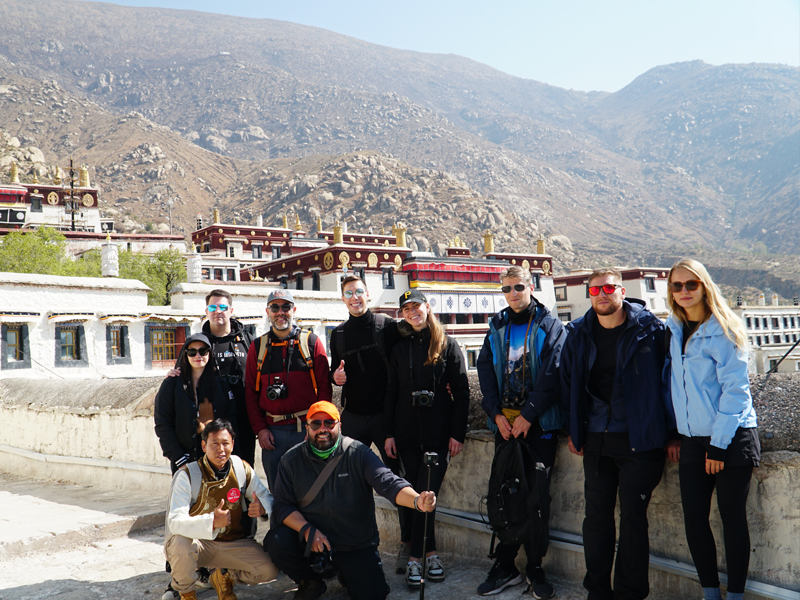
Layered clothing is the best way to stay comfortable as Lhasa’s weather changes throughout the day.
Footwear: Comfortable Shoes for Lhasa Sightseeing
You don’t need heavy mountaineering boots for a Lhasa tour. However, you’ll spend plenty of time on your feet exploring monasteries, strolling through Barkhor Street, and climbing the many steps to the Potala Palace. A pair of comfortable walking shoes or lightweight hiking shoes is the best choice.
Choose shoes that are already broken in rather than a brand-new pair. It’s also worth packing a few pairs of moisture-wicking socks to keep your feet dry and comfortable during long days of sightseeing. Comfortable footwear can make a big difference, especially if your itinerary includes light trekking around Lhasa.
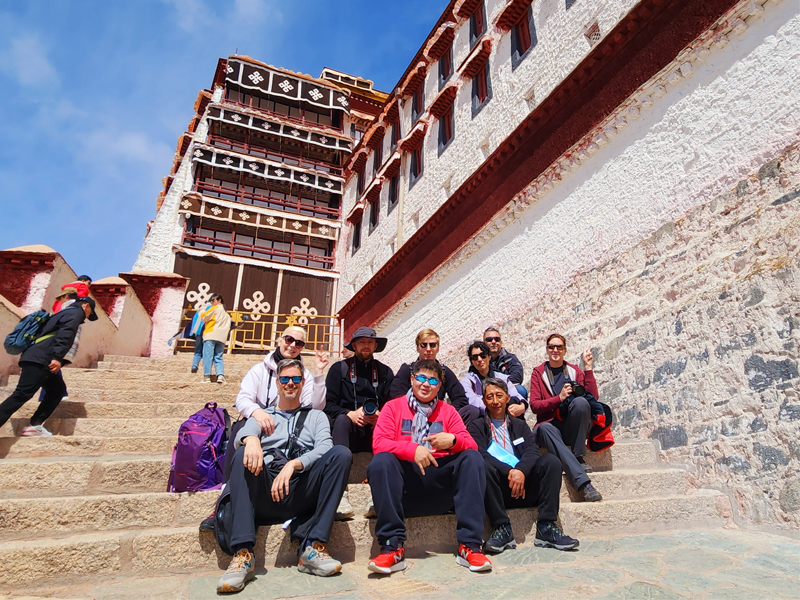
It is essential to wear comfortable walking shoes for exploring Lhasa and climbing the Potala Palace.
Sun Protection: High-Altitude Skincare and Eye Care
Known as the “City of Sunshine,” Lhasa enjoys over 3,000 hours of sunshine each year. At an altitude of around 3,650 meters (11,980 ft), UV radiation is much stronger than at lower elevations, so it’s possible to get sunburn even during a winter trip to Lhasa.
A high-SPF sunscreen is essential. Choose SPF 50 or higher and reapply throughout the day, especially if you are spending long periods outdoors. Lip balm with UV protection will also protect you from sunlight and dry air.
Quality UV-protective sunglasses help prevent eye strain and keep you comfortable, and a wide-brimmed hat can provide additional protection from direct sunlight.
The combination of strong sunlight, dry air, and high altitude can cause skin to become dry more quickly than expected, so bring a good moisturizer as well.
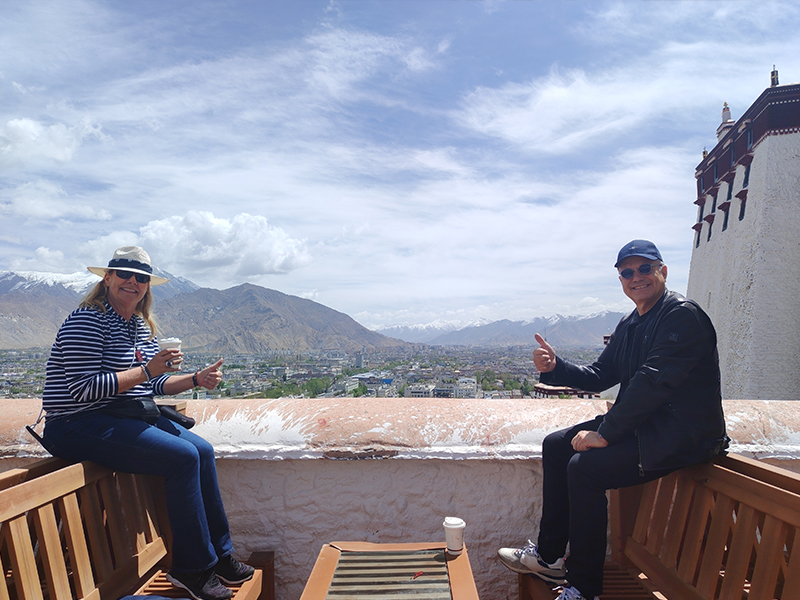
Wearing sunglasses and a hat is essential for sun protection during your Lhasa sightseeing tour.
Personal Toiletries and Hygiene Essentials for Visiting Lhasa
Most hotels in Lhasa provide basic toiletries, but bring any personal favorites from home. Your favorite brands of shampoo, conditioner, toothpaste, and skincare products may not be available in Tibet. Pack travel-sized versions to make your trip more comfortable.
Hand sanitizer and wet wipes are also useful for long days of sightseeing, especially before meals or after visiting attractions where handwashing facilities may not be convenient. A small pack of tissues is another handy item to keep in your daypack.
If you’re staying only in Lhasa, you’ll have no trouble finding supermarkets, pharmacies, and convenience stores should you need to buy additional toiletries during your trip.
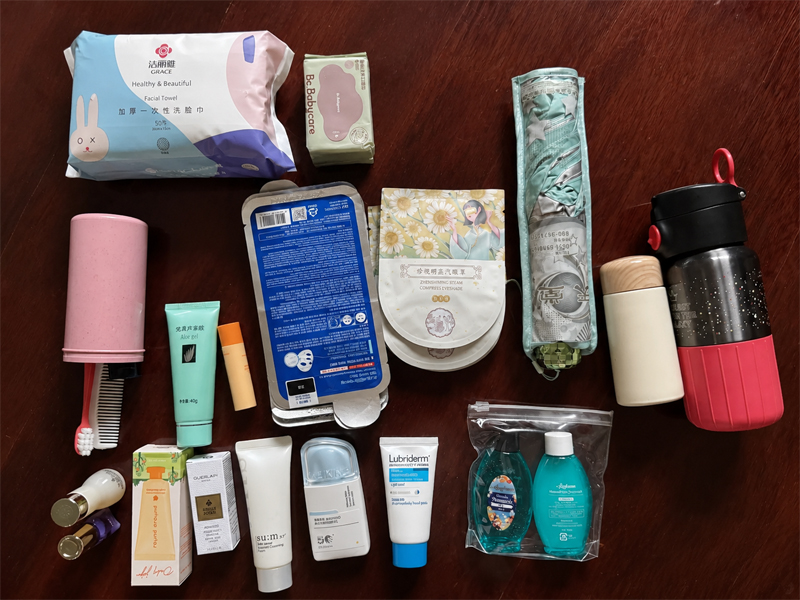
Pack travel-sized toiletries and your preferred skincare products, as some brands may not be available in Lhasa.
First-Aid Kit: Altitude Sickness Remedies and Personal Medicine
Although most travelers adapt well to Lhasa’s altitude, it’s common to experience mild symptoms such as headaches, shortness of breath, or fatigue during the first day or two. Before your trip, consult your doctor if you’re considering medication to help prevent or relieve altitude sickness.
It’s a good idea to pack a small travel first-aid kit with a few everyday essentials, including:
- Pain relievers
- Cold and flu medicine
- Anti-diarrheal medication
- Motion sickness tablets (especially for day trips to Namtso Lake)
- Bandages and antiseptic wipes
- Any other personal medications you may need
If you take prescription medication regularly, bring enough for your entire trip, plus a few extra days in case of unexpected travel delays. While pharmacies are easy to find in Lhasa, your usual medications or familiar brands may not always be available.
For more tips on staying healthy at high altitude, check our complete guide on how to avoid altitude sickness in Tibet before your trip.
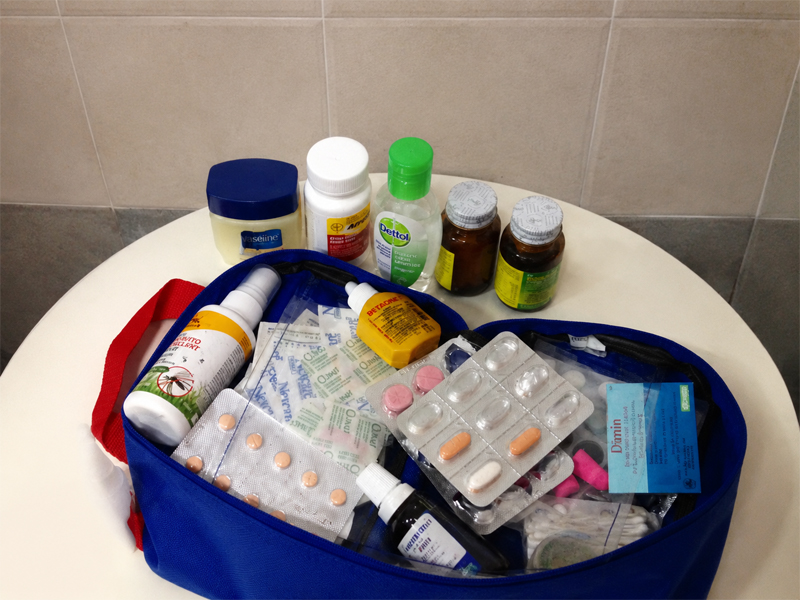
Prepare a first aid kit and pack your personal medications for your Lhasa tour.
Money and Payments: Cash vs. Mobile Payment Apps in Lhasa
Like most cities in China, mobile payment is the most common way to pay in Lhasa. Restaurants, shops, taxis, and convenience stores widely accept Alipay and WeChat Pay, and international travelers can now link eligible foreign credit or debit cards to both apps.
It’s still a good idea to carry some cash (Chinese yuan/RMB) for small purchases or as a backup. While credit cards are accepted at many major hotels, they’re not commonly used in smaller restaurants, local shops, or markets.
If you need local currency, you can exchange money at the Bank of China or withdraw cash from ATMs throughout Lhasa. Bank of China ATMs generally offer the best compatibility with international bank cards.
For more practical tips, see our guide on how to use money and make payments in Tibet.

You can exchange foreign currency, including US dollars, for Chinese yuan at Bank of China branches in Lhasa.
Connectivity Gear: Local SIMs, eSIMs, and WiFi Options
Staying connected in Tibet is straightforward. Most hotels in Lhasa offer WiFi access, and mobile coverage is good throughout the city.
You can buy a local SIM card when you arrive in China at the airport. Major providers such as China Mobile, China Unicom, and China Telecom have reliable service in Lhasa and along popular tourist routes.
Currently, ESIM support in China is still limited. Before your trip, check whether your phone is unlocked and compatible with Chinese networks or international eSIM services.
Keep in mind that internet access in China differs from many other countries. Downloading offline maps, translation tools, travel documents, and essential information before your trip can be very helpful.
Electronics: Chinese Adapters, Voltage, and Power Bank Regulations
China uses 220V electricity, with Type A and Type I power outlets commonly found in Lhasa. While many hotels provide universal sockets, bringing a universal travel adapter is the easiest way to ensure you can charge your devices wherever you stay.
A power bank is also worth packing, especially for full days of sightseeing or day trips to places like Yamdrok Lake or Namtso Lake. If you’re flying to Lhasa, remember that power banks must be carried in your hand luggage and should comply with airline regulations, including China’s 3C certification requirements. Most airlines only allow power banks with a capacity of 100 Wh or less without prior approval.
If you enjoy photography tour in Lhasa, don’t forget to bring extra camera batteries and memory cards. Lhasa’s historic monasteries, breathtaking mountain scenery, and nearby lakes offer countless photo opportunities, and you’ll likely take more pictures than you expect.
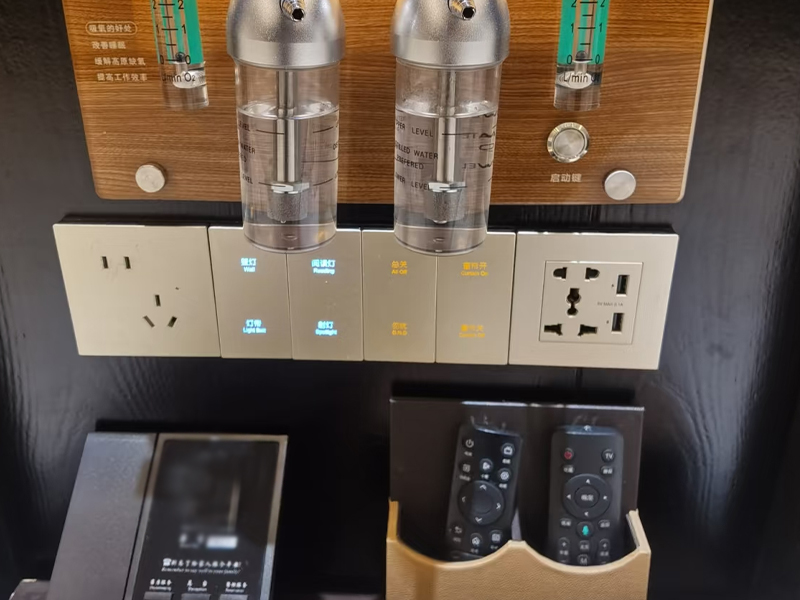
Pack a suitable power adapter for charging your devices in Lhasa hotels.
What NOT to Pack: Prohibited Items for Your Lhasa Tour
Most travelers won’t have any issues with packing, but there are a few items that are best left at home or require special permission.
Avoid bringing:
- Drones – Drone use is strictly regulated in Tibet and is prohibited in many areas, including near airports, government buildings, monasteries, and other sensitive locations. If you plan to bring one, check the latest regulations with your tour operator in advance.
- Political or restricted materials – Avoid carrying books, magazines, flyers, or other printed materials that may violate local laws or regulations.
If you’re unsure whether an item is permitted, it’s always best to check with your tour operator before you travel. A quick confirmation can help you avoid unnecessary delays during security inspections.
Luggage Tips for Flights and Trains to Lhasa
Whether you’re traveling to Lhasa by flight or train, a little smart packing can make your journey much more comfortable.
If you’re flying to Lhasa:
- Keep your passport, Tibet Travel Permit, and other important travel documents in your carry-on bag for easy access during check-in and boarding.
- Power banks must be carried in your hand luggage and should comply with airline regulations. Never pack them in checked baggage.
- Check your airline’s baggage allowance before departure, as size and weight limits may vary between airlines.
If you’re taking the Tibet train:
- Since you’ll spend at least one night on the train, it’s a good idea to pack a small day bag with the items you’ll need during the journey.
- Keep essentials such as toiletries, medications, electronics, chargers, a power bank, water, snacks, and a change of clothes within easy reach instead of packing everything in your suitcase.
- This way, you won’t need to repeatedly open or unpack your main luggage while you’re on the train.
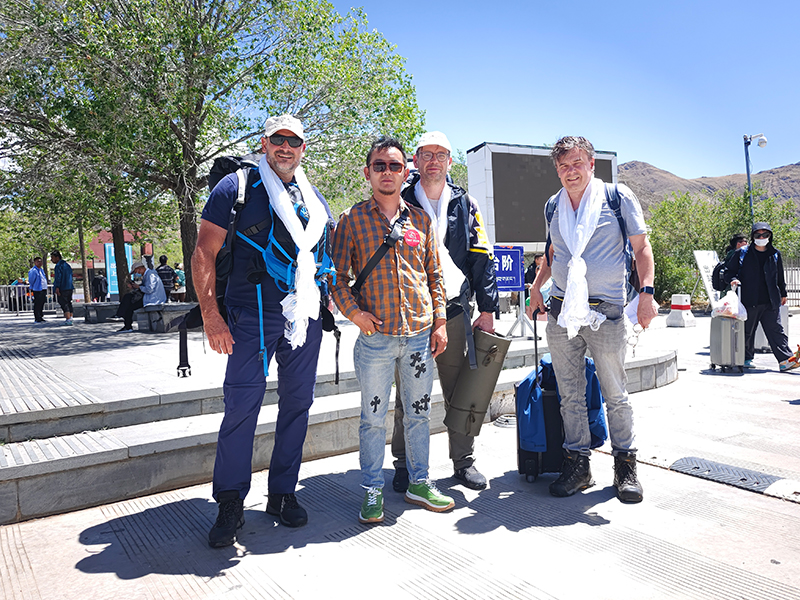
Packing smart and light for a comfortable Lhasa tour
Conclusion
Packing for a Lhasa tour doesn’t have to be complicated. Once you’ve packed the right clothing for the weather, your essential travel documents, and a few everyday necessities, you’re ready to enjoy your journey without worrying about what you’ve left behind.
Use this Lhasa packing list as a simple checklist before you travel, and you’ll be well prepared for a comfortable and memorable trip to the City of Sunshine.

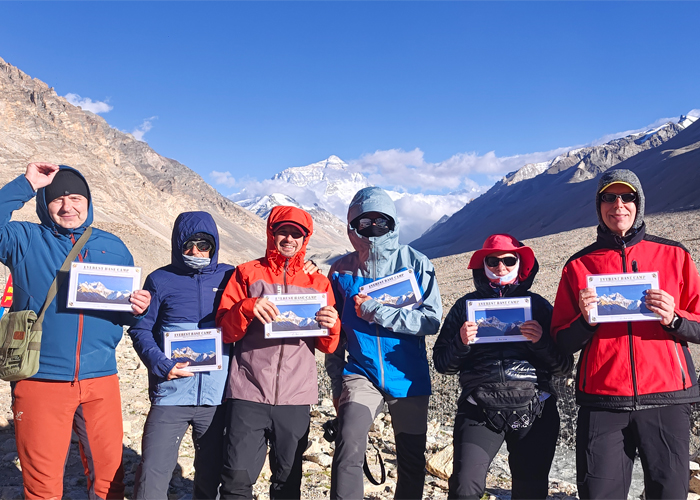
"What to Pack for Lhasa Tour: Ultimate Packing List ([year_txt] Updated)"