
Yamdrok Lake Tour Facts: What to Know Before Visiting Yamdrok Lake
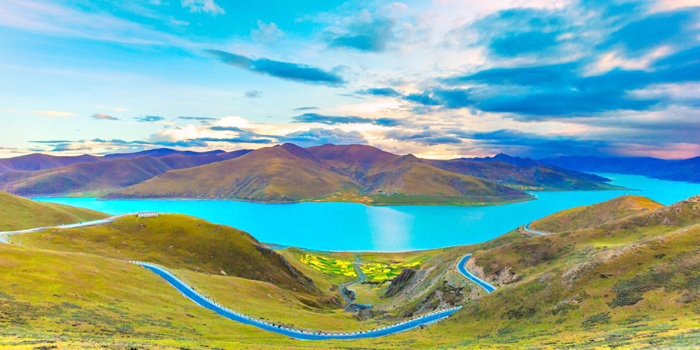
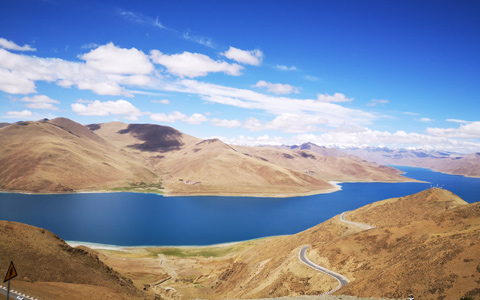
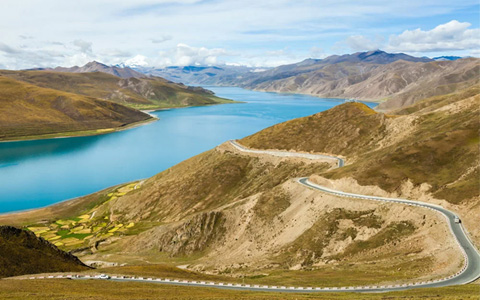
Yamdrok Lake is one of the most scenic lakes in Tibet and holds immense spiritual significance. Located at an altitude of approximately 4,441 meters, It is a high-altitude freshwater lake that stretches across the Tibetan Plateau. It covers an area of about 638 square kilometers and is surrounded by snow-capped mountains, making it one of the most picturesque spots in Tibet.
What Makes Yamdrok Lake Unique
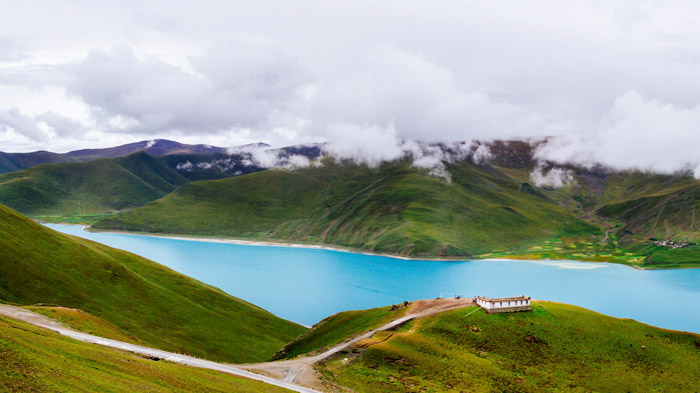
- Turquoise Water: The lake's striking turquoise color makes it one of the most visually stunning lakes in the world.
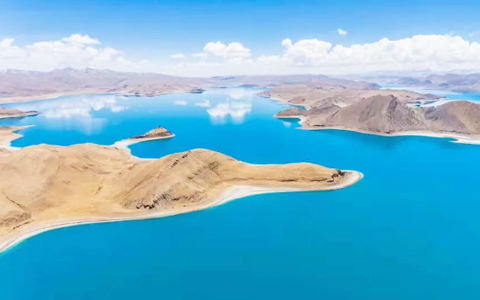
- Sacred Sites: The 21 islands in the lake are considered sacred, with several temples and monasteries built along its shores.
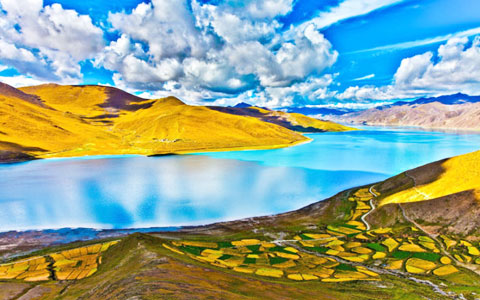
- Scenic Views: Surrounded by snow-capped peaks and verdant valleys, Yamdrok Lake offers some of the best scenic photography opportunities in Tibet.
- Spiritual Significance: As one of the three holy lakes in Tibet, it plays a central role in Tibetan spiritual life. Tibetans believe that the lake is the spiritual home of the female deity, and it is often visited by pilgrims who come to pay their respects and seek blessings.
In this guide, we will explore Yamdrok Lake’s significance, best time to visit, how to get there, and the famous attractions surrounding the lake. Whether you’re visiting for its spirituality, scenic views, or historical importance, Yamdrok Lake promises an unforgettable experience in Tibet.
Basic Facts About Yamdrok Lake in Tibet
Where Is Yamdrok Lake Located & How Far Is It from Lhasa
Best Time to Visit Yamdrok Lake: Weather & Seasonal Facts
Yamdrok Lake Altitude & Altitude Sickness: What Travelers Should Know
Yamdrok Lake Tour Options from Lhasa
Accommodation and Dining Around Yamdrok Lake
Permits Needed to Visit Yamdrok Lake in Tibet
What to Pack for a Yamdrok Lake Tour
Best Viewpoints & Photography Tips at Yamdrok Lake
Cultural Facts & Travel Etiquette at Yamdrok Lake
Legendary Tales and Myths of Yamdrok Lake
What to See Around Yamdrok Lake: The Famous Attractions Nearby
Basic Facts About Yamdrok Lake in Tibet
Yamdrok Lake sits at an altitude of around 4,441 meters above sea level, making it one of the highest Tibet lakes in the world. It covers an area of about 638 square kilometers and stretches over 72 kilometers in length. There are 21 islands scattered throughout the lake.
The snow-capped mountain near Yamdrok Lake is Ningjin Kangzang Peak, the highest summit of the Lagui Gangri Mountain Range. Surrounded by snow-capped mountains, Yamdrok Lake is fed by glacial meltwater and is part of the Yarlung Tsangpo river basin. The lake’s color ranges from emerald green to deep turquoise, depending on the time of day and weather conditions.
Significance of Yamdrok Lake: The lake is considered sacred in Tibetan Buddhism. It is believed to be the home of the goddess, and many Tibetans visit the lake as part of their spiritual pilgrimage , making offerings at the lake to seek blessings for health and prosperity. For Tibetans, Yamdrok Lake represents the natural connection between the earthly world and the divine.
Yamdrok Lake’s Hydrology: The lake also plays a significant role in water conservation and irrigation in the surrounding areas, especially as part of Tibet’s agricultural system. The Yamdrok Dam, located near the lake, is a major hydropower project that provides electricity to the region.
Essential Information:
- Yamdrok Lake is located 110 km southwest of Lhasa at 4,441 meters above sea level.
- The lake has a surface area of 638 square kilometers and is fed by glacial meltwater.
- It is considered a sacred lake in Tibetan Buddhism, home to the goddess.
- 21 islands in the lake hold spiritual significance, and the lake serves as a pilgrimage site.
- Yamdrok Dam contributes to the region’s electricity and irrigation.
Surrounded by snow-capped mountains of Yamdrok Lake and the lake’s color ranges from emerald green to deep turquoise.Where Is Yamdrok Lake Located & How Far Is It from Lhasa
Location of Yamdrok Lake
Yamdrok Lake, also known as Yamdrok Yumtso, sits southwest of Lhasa, the capital of Tibet. It lies in Gongga county and Nangartse county of Shannan prefecture, surrounded by snow-capped mountains. Its coordinates are approximately 29°49′N latitude and 90°54′E longitude.
How Far Is Yamdrok Lake from Lhasa?
The distance from Lhasa to Yamdrok Lake is about 110 kilometers, and the journey typically takes around 2-3 hours by car. The lake is easily accessible via the Lhasa - Gyantse - Shigatse main road, which makes it a popular stop for travelers exploring the Lhasa region.
Travelers can take a private vehicle or join a guided small group tour to reach the lake, passing through scenic landscapes along the way, including views of the Yarlung Tsangpo River.
Join our 5-day Lhasa & Yamdrok Lake tour to discover the essence of Lhasa and admire the breathtaking beauty of Yamdrok Lake.
Why Visit Yamdrok Lake: Scenic Highlights & spiritual importance
Yamdrok Lake is one of the most beautiful and spiritually significant lakes in Tibet, making it a must-visit destination for both tourists and pilgrims. It offers breathtaking scenery, cultural richness, and a deep connection to Tibetan Buddhism. Here are the scenic highlights and the religious importance of Yamdrok Lake.
Scenic Highlights of Yamdrok Lake
- Turquoise Waters: The lake is famous for its turquoise-blue waters. The color is due to the freshwater flowing from melting glaciers in the surrounding mountains. The serene lake, offers one of the most photogenic landscapes in Tibet. The blue color of Yamdrok Lake changes throughout the day with sunlight, as well as across different seasons.
- Fish in Yamdrok Lake: Unlike most other Tibetan lakes, Yamdrok Lake is home to an abundance of fish. However, Tibetans consider the fish to be incarnations of the water god, and it is considered a sin to eat or harm them. This sacred belief also adds to the spiritual connection. With its clear water, spotting fish in Yamdrok lake is definitely one of the highlights.
- Sacred Islands: Yamdrok Lake is dotted with 21 islands, most of which serve as pasturelands for local sheep herders. One notable island is home to the ancient Nyingma Temple, which was built around the 16th century near what is believed to be the sacred handprint of Padmasambhava, the second Buddha.
- Migratory Bird Watching: The lake is an important site for a Tibet birding tour. During the winter months, Yamdrok Lake becomes a haven for migratory birds from northern Tibet and Mongolia. The Bird Island, located on the lake, is one of the best spots for observing these birds. Bar-headed geese, black-necked cranes, and brown-headed gulls are among the species that can be seen.
Spiritual Importance of Yamdrok Lake in Tibetan Buddhism
In Tibet, lakes are considered sacred, and Yamdrok Lake is one of the most revered. Together with Lake Namtso and Lake Manasarovar, they hold significant spiritual meaning in Tibetan Buddhism, and many pilgrims visit the Yamdrok lake every year to perform Kora and seek blessings.
- Sacred Site: Yamdrok Lake is believed to be the home of the goddess in Tibetan Buddhist belief, making it one of the Great Three Holy Lakes of Tibet and a pilgrimage destination. Additionally, several monasteries are scattered along the shores of the lake, with Rutog Monastery being the most famous, often referred to as “the loneliest monastery on Earth”.
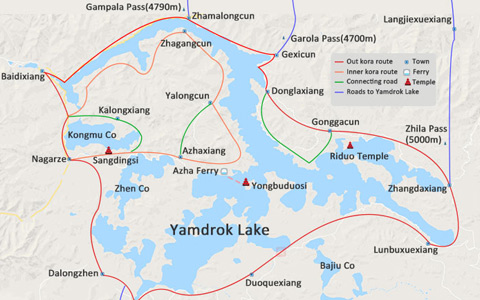
- The Kora: Pilgrims walk the kora (circumambulation route) around Yamdrok Lake as part of their spiritual practice. It is believed that walking the kora, especially around one of the Great Three Holy Lakes, can wash away sins and help accumulate merit, particularly during the Year of Goat.
Depending on the pace, this journey can take anywhere from weeks on horseback to months on foot. For some devout pilgrims, the kora is even performed with full body prostrations at each step, which can take up to 2 to 3 months.
Essential Information: Why Visit Yamdrok Lake
- Natural Beauty: The turquoise-blue water and the snow-capped mountains surrounding the lake make it one of the most stunning landscapes in Tibet.
- Sacred Significance: Yamdrok Lake is a sacred site in Tibetan Buddhism, associated with the goddess, and a popular pilgrimage site for Tibetans and many monastery scattering around.
- Wildlife and Bird Watching: The lake is home to various wildlife, abundant fishes and migratory birds, making it a great location for nature lovers and photographers.
Our guests visit Rutog Monastery near Yamdrok Lake and interact with local Tibetan Monk.Best Time to Visit Yamdrok Lake: Weather & Seasonal Facts
Just like the most attractions in Tibet, Yamdrok Lake is a stunning destination year-round, but the best time to visit largely depends on weather conditions and seasonal factors. Understanding the climate and weather patterns will help you plan the perfect visit.
Spring (April to June) - The Ideal Season for Visiting Yamdrok Lake
Weather: Spring in Shannan prefecture in Tibet brings mild temperatures and clear skies, making it the ideal season to visit Yamdrok Lake. During this time, temperatures at the lake range from 5°C to 15°C (41°F to 59°F) during the day, with cooler nights at around -2°C to -8°C.
Why It’s Great:
- Perfect for photography: The clear skies provide the best visibility and are great for capturing the turquoise waters of Yamdrok Lake against the snow-capped mountains, as well as the wild creatures like seagulls and fishes.
- Fewer tourists: Spring is just before the peak travel season, so you’ll experience fewer crowds and more peaceful surroundings.
Summer (July to August) - Warmest with Lush Greenery but Rainy
Weather: Summer in Tibet brings warmer temperatures, with highs ranging from 8°C to 17°C (46°F to 63°F). Nights are still cool, with temperatures between 0°C to -3°C (32°F to 27°F).
Why It’s Great:
- Lush landscapes: Summer’s warmth makes the surrounding areas of Yamdrok Lake come alive with lush green grass and wildflowers. This is the season when the lake is at its most vibrant, surrounded by blooming plants.
- Great for nature lovers: Summer is also a good time for wildlife watching, with many species of birds and local animals like Tibetan fox and Tibetan gazelles coming out in the warm weather.
Challenges: Summer, especially from July to August, is the rainy season in Tibet. Shannan Prefecture, where Yamdrok Lake is located, experiences more rainfall than western and central Tibet. Expect wet weather around the lake, which could limit outdoor activities.
Autumn (September to November) - Perfect for Scenic Views & Photography
Weather: Autumn brings clear skies and cooler temperatures, with daytime highs ranging from 3°C to 13°C (37°F to 55°F) and nighttime lows between -5°C to -12°C (23°F to 10°F).
Why It’s Great:
- Stunning views: The autumn months offer ideal conditions for photography, as the lake’s colors are particularly striking in the crisp air, with sunrises and sunsets casting beautiful golden hues over the lake.
- Fewer tourists: Similar to spring, the autumn months also have fewer tourists, allowing for a more tranquil experience at the lake.
- Great for trekking: If you’re visiting as part of a trek in Tibet, autumn provides the ideal conditions for high-altitude hiking and exploration.
Winter (November to March) - Cold but Clear
Weather: Winter in Tibet is cold, with temperatures often dropping below freezing. Daytime highs are around -1°C to 10°C (30°F to 50°F), while nighttime temperatures can fall to -10°C to -15°C (14°F to 5°F).
Why It’s Great:
- Clear visibility: Despite the cold, winter offers clear skies and excellent visibility, making it a good choice for photography if you can handle the colder temperatures.
- Less crowded: Winter is the off-season for tourists, so you’ll have a solitary and serene experience at Yamdrok Lake. We offer accommodation upgrade for our Tibet winter tours without extra charge, together with Tibetan dress photography and experience of Tibet culture center.
Summary of the Best Time to Visit
- For most tourists, the best time to visit Yamdrok Lake is from late April to June and September to November. These months offer mild and pleasant temperatures, with clear skies and ideal weather.
- Summer (July to September) brings lush greenery and warmer temperatures, but also the rainy season. The lake area can get quite wet, which may affect outdoor activities.
- Winter provides clear visibility, though it is cold and experiences fewer tourists.
Our guests visit the turquoise Yamdrok Lake during Tibet trips in June.Yamdrok Lake Altitude & Altitude Sickness: What Travelers Should Know
Yamdrok Lake sits at an altitude of 4,441 meters (14,570 feet), one of the highest lakes in the world. While its stunning beauty draws visitors, the high elevation poses potential risks for altitude sickness. Here’s what you need to know.
What Is Altitude Sickness, and Is It Common During the Lhasa to Yamdrok Lake Trip?
Altitude sickness in Tibet, also known as acute mountain sickness (AMS), occurs when the body does not receive enough oxygen at high altitudes and is quite common above 3,000 meters. Symptoms include headaches, nausea, fatigue, and shortness of breath.
While some travelers may experience mild symptoms during the Lhasa to Yamdrok Lake trip, there is usually no need to worry, as these symptoms are generally manageable with proper acclimatization and preparation.
What Is the Elevation of the Viewpoints on the Yamdrok Lake Trip?
There are a total of five main viewpoints around Yamdrok Lake. Two of the highest are Luri La Viewpoint, located at an altitude of approximately 4,960 meters, and Kamba La Pass Viewpoint, which sits at around 4,900 meters above sea level. These two viewpoints offer the best panoramic views of Yamdrok Lake from above, allowing visitors to admire the lake in its full scale.
The other three viewpoints are scattered along the shoreline of Yamdrok Lake and sit at roughly the same elevation as the lake itself, around 4,400 meters. Once you pass the highest points, it is generally comfortable to explore these viewpoints, as they are lower in altitude and experience less wind compared with Luri La Viewpoint and Kamba La Pass.
How Much Time Is Needed to Explore Yamdrok Lake?
For a private tour or a dedicated small-group Yamdrok Lake tour from Lhasa, a full one day is usually needed to explore the lake properly. This includes driving from Lhasa and returning the same day, visiting all five major viewpoints, enjoying a Tibetan-style lunch with a local family along the lakeshore, and stopping at the famous Rutog Monastery.
If Yamdrok Lake is part of a longer Tibet itinerary, such as a Lhasa to Shigatse tour or a journey continuing to Everest Base Camp, the visit typically takes half a day. In this case, exploration usually includes scenic stops at Kamba La Pass and selected viewpoints along the lakeshore. After lunch with a local Tibetan family, the journey continues west toward Shigatse.
How Does Tibet Vista Manage Altitude Sickness During the Yamdrok Lake Tour?
- Carefully designed itineraries with proper acclimatization: All of our Yamdrok Lake tours are thoughtfully planned to allow sufficient time for acclimatization. After spending two days touring Lhasa (3,650 meters) visiting highlights such as the Potala Palace, Jokhang Temple, and Barkhor Street, your body has time to adjust to the high altitude. This gradual approach significantly reduces the risk of altitude sickness before traveling to Yamdrok Lake.
- Portable oxygen support on board: In case any guests experience symptoms of altitude sickness during the tour, our vehicles are equipped with portable oxygen cans and medical-grade oxygen bottles, allowing immediate support when needed.
- Experienced Tibetan guides with oxygen monitoring: Our local Tibetan guides have over 20 years of guiding experience and receive professional training in altitude sickness management. They carry blood oxygen meters and closely monitor each guest throughout the journey, ensuring your safety and well-being at all times.
- Plenty of drinking water and warm beverages: Staying hydrated is essential at high altitude. We provide ample bottled water in our tour vehicles, along with hot drinks such as coffee and traditional Tibetan sweet tea, helping to prevent altitude sickness while keeping you energized and comfortable throughout the trip.
Our guests visit panoramic views of Yamdrok Lake at Lurila Viewing Platform.Join our classic Lhasa to Everest Base Camp tour and explore the stunning Yamdrok Lake along the way.
Yamdrok Lake Tour Options from Lhasa
Yamdrok Lake is easily accessible from Lhasa, with several tour options available depending on your preferences. Whether you're looking for a group experience, private comfort, or adventurous biking and motorcycling tours, there are various ways to explore this sacred lake.
Yamdrok Lake Small Group Tour Options
For those on a budget or looking to join a group, there are several group tour options available from Lhasa to Yamdrok Lake and surrounding regions. These tours offer set itineraries and include professional guides who provide information about the lake’s spiritual significance.
5-Day Lhasa to Yamdrok Lake Tour: This short group tour focuses on the key highlights of Lhasa and Yamdrok Lake, including a visit to Potala Palace, Jokhang Temple, and Sera Monastery before heading to Yamdrok Lake. It’s perfect for travelers who have limited time but want to experience the cultural richness and natural beauty of the region.
- Duration: 5 days
- Highlights: Potala Palace, Jokhang Temple, Barkhor Street, Sera Monastery, Yamdrok Lake.
- Best For: Short trips focused on Lhasa and Yamdrok Lake.
8-Day Lhasa to Everest Base Camp Tour with Yamdrok Lake:This extended tour not only includes Yamdrok Lake but also takes travelers to Everest Base Camp. The 8-day itinerary covers Lhasa, Gyantse, Shigatse, and the Tibetan Plateau, offering a deeper cultural and spiritual experience.
- Duration: 8 days
- Highlights: Lhasa, Gyantse, Shigatse, Everest Base Camp, Yamdrok Lake.
- Best For: Travelers seeking an extended Tibet tour with cultural exploration and mountain adventure.
6-Day Central Tibet Tour with Lhasa, Shigatse, and Yamdrok Lake: This 6-day tour provides an overview of central Tibet, covering Lhasa, Shigatse, and Yamdrok Lake. It includes visits to important Tibetan landmarks such as Tashilhunpo Monastery and Karola Glacier, along with a relaxing visit to the sacred Yamdrok Lake.
- Duration: 6 days
- Highlights: Lhasa, Shigatse, Tashilhunpo Monastery, Karola Glacier, Yamdrok Lake.
- Best For: Travelers wanting to explore central Tibet with a focus on both cultural heritage and natural beauty.
Yamdrok Lake Private Tour
A private tour offers the ultimate comfort and flexibility for travelers who want to explore Yamdrok Lake at their own pace, without the constraints of a group schedule. This option allows visitors to make multiple stops, spend more time at key locations, and enjoy a personalized itinerary.
- Flexibility: Enjoy a customizable itinerary, allowing you to decide your own pace and route.
- Comfort: A private vehicle provides comfort and privacy, making it the best option for those seeking a relaxed experience.
- Ideal for families or groups: Perfect for private groups or families who want to enjoy personalized travel with no schedule restrictions.
Motorcycling and Biking Tour to Yamdrok Lake
For those seeking a thrilling adventure, a Tibet motorcycling tour or biking tour provides an exciting and flexible way to experience Yamdrok Lake. This option is for adventurers looking for a self-guided experience and an opportunity to explore Tibet’s landscapes at their own pace.
- Flexibility: Motorcyclists and bikers have the time to explore independently, with the flexibility to take detours and stop at hidden spots along the route.
- Adventure: This tour offers a unique way to see Tibet’s landscapes - from mountain roads to lake views - for those who enjoy a more active experience.
- Best for experienced travelers who enjoy a sense of adventure and want to avoid traditional tour routes.
Essential Information:
- Group Tours: Budget-friendly, social, and guided - perfect for those who want to experience Yamdrok Lake with a group.
- Private Tour: Best for those seeking comfort, flexibility, and a personalized experience.
A family from South America participating in our Yamdrok Lake private tour.Accommodation and Dining Around Yamdrok Lake
There are a few basic accommodation and dining options around the Yamdrok lake, making it possible for travelers to experience its beauty and spiritual significance. The area does not have luxury hotels close to the lake, but there are guesthouses and small hotels in nearby towns where you can rest and enjoy local cuisine.
Accommodation Around Yamdrok Lake
There are currently no hotels directly by Yamdrok Lake, but one is expected to open in March 2026. Currently the nearest accommodation is located about 10 kilometers south of the lake, in Nangartse County. This distance is considered far, but there are several guesthouses and small hotels along the route and in Nangartse, which is the largest town to the west of Yamdrok Lake.
- Camping by the Lakeshore: If you visit from spring to autumn, camping by the lake is a popular option. The serene environment and stunning views make it an ideal spot to pitch a tent, though basic amenities may be limited.
- Yamdrok Seven Stars Hotel (Opening in March 2026): Located within the Yamdrok scenic area along the lakeshore, this hotel offers stunning close-up views of Yamdrok’s crystal-blue waters right from your window. It is an excellent option for travelers who wish to stay overnight by the lake without camping.
- Yanghu Hotel: Yanghu Hotel is one of the best options in Nangartse, located on Provincial Road 307. The hotel offers clean, basic rooms and is known for its comfortable beds and hot showers - a welcome relief after a long day of sightseeing.
- Nangartse Grain Hotel: A two-story hotel run by a local Tibetan, Nangartse Grain Hotel offers rooms that overlook the main intersection of the town. The hotel provides basic services, including cold water in large buckets for washing. It’s ideal for budget travelers who are looking for a simple, no-frills stay.
Dining Around Yamdrok Lake
While dining options are limited near Yamdrok Lake, Nangartse offers a few restaurants that serve a variety of Tibetan, Chinese, and even Western dishes. Here are a few places to eat when staying in Nangartse:
- Lhasa Restaurant: Lhasa Restaurant is a well-established spot in Nangartse, with a colorful dining hall decorated with old photos of Lhasa. The restaurant offers a wide selection of Tibetan and Chinese dishes, with the Chicken Chowmein being highly recommended by previous visitors.
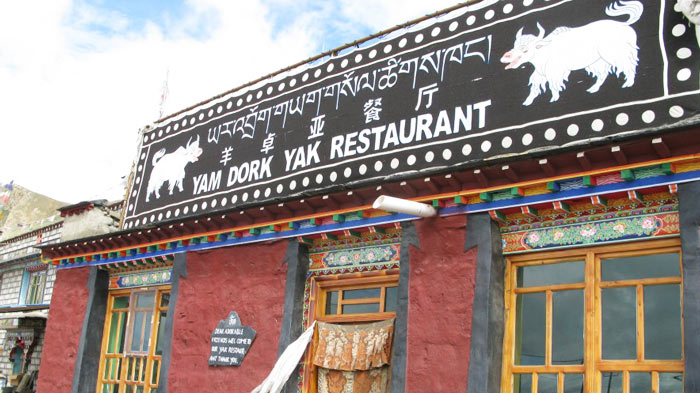
- Yamdrok Yak Restaurant: A branch of the popular Yak Restaurant in Gyantse, Yamdrok Yak Restaurant serves a fusion of Tibetan, Chinese, Western, and Indian cuisine. It also offers French cuisine and a lunch buffet from 11 am to 4 pm, with an English menu available.
- Dining with a Local Family: To give you the most authentic Tibetan experience, most of our Yamdrok Lake tours include a visit to a local family by the lake, where you can enjoy traditional Tibetan food with them.
Essential Information:
- No hotels directly by Yamdrok Lake, but Nangartse offers various accommodation options like guesthouses and small hotels.
- Camping by the lake is a great option during spring to autumn, providing an immersive experience in nature.
- Dining options in Nangartse include Lhasa Restaurant (Tibetan and Chinese food), Yamdrok Yak Restaurant (a mix of Tibetan, Western, and Indian dishes), and local hotels that serve simple meals.
Our guests visit a local Tibetan family by the Yamdrok Lake and enjoy traditional Tibetan food with them.Permits Needed to Visit Yamdrok Lake in Tibet
Visiting Yamdrok Lake in Tibet requires certain permits. It’s important to understand the permits needed to travel through this unique and sacred area. Here’s a guide to help you navigate the permit requirements for visiting Yamdrok Lake.
Tibet Travel Permit
The primary permit required for any traveler to visit Yamdrok Lake is the Tibet Travel Permit, which is a must-have for anyone entering Tibet. This permit is issued by the Tibet Tourism Bureau and is required for all travelers, regardless of nationality, to travel within Tibet.
- Required for: All travelers planning to visit Tibet, including Lhasa and Yamdrok Lake.
- How to Obtain: You can obtain the Tibet Travel Permit through a licensed travel agency. It is important to note that individuals cannot apply for this permit directly.
- Processing Time: The permit usually takes 7 to 10 business days to process. It’s advisable to apply well in advance of your travel dates.
Alien Travel Permit (ATP)
If you plan to travel to areas outside of Lhasa and Yamdrok Lake (e.g., Shigatse, Nyingchi, or Mount Everest), you will also need an Alien Travel Permit (ATP). This permit is required for foreign travelers wishing to visit regions outside Lhasa and the general Tibet region.
- Required for: Travelers visiting areas outside Lhasa, such as Shigatse or Everest Base Camp.
- How to Obtain: This permit can also be arranged through your tour operator or licensed travel agency. It is often required to be accompanied by a Tibet Travel Permit.
- Processing Time: The ATP can take about 2 - 3 days to process, but this depends on the areas you plan to visit.
Permit Application Process
The permit application process for visiting Yamdrok Lake is straightforward, but you’ll need to go through a Tibet travel agency to handle the paperwork. Here's a breakdown of the process:
- Choose a Licensed Travel Agency: Only licensed agencies like Tibet Vista can apply for the required permits. We will help you arrange the necessary documentation for your trip.
- Submit Passport and Visa Copies: You’ll need to provide a copy of your passport and Chinese visa to the agency.
- Collect Permits: Once approved, the Tibet Travel Permit will be sent to your hotel or your agency will arrange for it to be handed to you directly before you board the flight or train to Lhasa.
Things to Keep in Mind
- Permits are checked at various checkpoints along your travel route in Tibet, as well as before you board the Tibet train or flight to Lhasa. Be sure to carry your permits with you at all times during your trip to avoid any delays or issues.
- Traveling independently in Tibet is not allowed without a licensed guide. You’ll be required to travel with a Tibetan guide and be part of a pre-arranged tour for the duration of your visit.
Essential Information:
- Tibet Travel Permit is required for all travelers to Yamdrok Lake.
- Alien Travel Permit (ATP) is necessary for travel beyond Lhasa to areas like Shigatse.
- Permits must be arranged through a licensed travel agency in Tibet.
Tibet Travel Permit is required for all travelers to Yamdrok Lake, you’ll be to travel with our Tibetan guide.Our 7-day Lhasa to Kathmandu tour lets you admire the majestic Himalayas from both sides, as well as the stunning Yamdrok Lake.
What to Pack for a Yamdrok Lake Tour
Whether you’re planning to take a short day trip or spend more time exploring the lake’s shores, it’s important to pack the right gear to ensure a safe and comfortable visit. Here’s a comprehensive packing guide to help you prepare for your Yamdrok Lake tour.
- Click here to see the ultimate packing list for a Tibet tour
Clothing: Layers Are Key
Given the high-altitude environment and variable weather conditions, it’s essential to pack clothes that will keep you comfortable throughout the day.
- Base Layer: Pack a thermal base layer made of merino wool or synthetic fabrics to help wick moisture and provide insulation.
- Mid Layer: A fleece jacket or down vest will help keep you warm, especially when the temperature drops in the morning or evening.
- Outer Layer: A windproof and waterproof jacket is essential to protect against the strong winds and occasional rain in the area.
- Hats and Gloves: A warm hat and insulated gloves are highly recommended, particularly if you plan to visit during the colder months or early morning/late evening.
- Footwear: Choose sturdy, waterproof boots with good traction for walking around the lake and on rocky paths.
Sun Protection
The altitude of Yamdrok Lake means that the sun’s rays are stronger, and you will be at risk of sunburn even on cloudy days. Make sure to pack the following:
- Sunscreen: Choose a high SPF sunscreen to protect your skin from the harsh UV rays.
- Sunglasses: Wear UV-protective sunglasses to shield your eyes from the strong sunlight and reflection off the water.
Camera and Electronics
You’ll definitely want to capture the breathtaking views at Yamdrok Lake, so don’t forget your camera and accessories:
- Camera: A DSLR or mirrorless camera is ideal for landscape shots. Extra memory cards and a spare battery are essential for long days of shooting.
- Power Bank: Bring a portable charger for your electronics, especially if you’re traveling in remote areas where power sources may be limited.
Essential Information: What to Pack for Yamdrok Lake
- Clothing: Dress in layers with windproof and waterproof outer layers.
- Sun protection: Pack sunscreen, sunglasses, and a hat.
- Camera gear: Bring your camera, extra batteries, and power bank.
When going to Yamdrok Lake, you need to prepare warm, windproof clothing, as well as sunglasses and sunscreen.Best Viewpoints & Photography Tips at Yamdrok Lake
Yamdrok Lake is one of Tibet's most picturesque destinations. Whether you’re a photography enthusiast or simply want to enjoy the breathtaking views, these spots are essential for capturing the magic of the lake.
Best Viewpoints at Yamdrok Lake
Kamba La Pass Viewpoint: Kamba La Pass offers one of the most iconic views of Yamdrok Lake, where you can see the vast expanse of turquoise water framed by snow-capped mountains. It’s often the first major stop when traveling from Lhasa to Yamdrok Lake, providing a dramatic panoramic view that’s perfect for capturing the lake’s majesty.
- Best for: Wide-angle landscape shots capturing both the lake and the surrounding peaks.
Number 3 and Number 4 Viewpoints Near Yamdrok Lake Shoreline: The shoreline of Yamdrok Lake is perfect for close-up shots of the lake’s reflective surface. The color of the lake changes throughout the day, offering unique photographic opportunities. The peaceful waters make it an ideal spot for nature lovers and wildlife photographers.
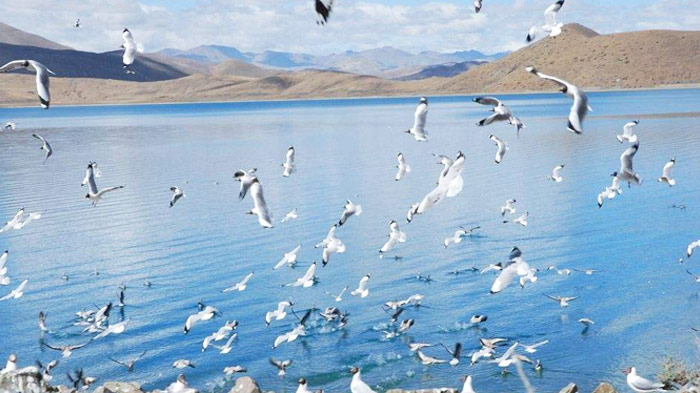
You can also capture images with decorated Tibetan yaks grazing along the shore, adding a cultural element to your photos. In addition, the lake is home to numerous seagulls, whose flight patterns make for dynamic shots against the backdrop of the mountains and lake.
- Best for: Close-up shots of the lake with mountain backdrops, and cultural and wildlife photography featuring Tibetan yaks and seagulls.
Luri La Viewpoint - Hidden Gem: Located at an altitude of approximately 4,960 meters, the Luri La Viewpoint is often referred to as the “hidden ceiling” of Yamdrok Lake. This spot offers a spectacular view of the lake from an elevated perspective. The lake's surface gleams in different shades of blue, particularly under the sun, making it a photographer’s dream.
- Why It’s Great: The best part of Luri La is that it is less crowded, allowing visitors to escape the usual tourist crowds and enjoy the peaceful surroundings. It provides an excellent “God’s eye view” of Yamdrok Lake.
- Best for: Panoramic landscape shots with minimal crowds.
Photography Tips for Yamdrok Lake
Golden Hour Photography: The golden hour, which occurs early in the morning and late afternoon, offers the best lighting for capturing the beauty of Yamdrok Lake. The soft light enhances the lake’s turquoise waters and creates stunning contrasts against the snow-capped mountains.
Use a Polarizing Filter: A polarizing filter is useful for removing reflections off the lake's surface and enhancing the blue hues of Yamdrok Lake. It also helps darken the sky and make clouds pop, creating a more dramatic contrast with the lake’s scenic backdrop.
Wide-Angle Lens for Landscapes: To capture the vastness of Yamdrok Lake and its surrounding peaks, a wide-angle lens (16mm-35mm) is ideal. It allows you to get the entire landscape in one shot and showcase the grandeur of the scene.
Drone Photography: If you have a drone and the required permissions, drone shots provide a unique perspective of the lake and surrounding peaks. Make sure to check local regulations regarding drone usage with our Tibetan guides first.
Bring Extra Batteries and Memory Cards: Cold temperatures at high altitudes can quickly drain your camera batteries. Be sure to bring extra batteries and memory cards to ensure you don’t miss capturing those perfect shots.
Essential Information:
- Best Viewpoints: Kamba La Pass, Yamdrok Lake Shoreline, and Luri La Viewpoint provide the most stunning vistas of the lake and surrounding peaks.
- Photography Tips: Capture the lake during golden hour, use a polarizing filter, and consider a wide-angle lens for landscape shots. Drone photography also provides an incredible aerial perspective.
- Wildlife and Cultural Shots: Don’t miss the decorated Tibetan yaks and seagulls at the shoreline for unique and dynamic photos.
Join our photography tour of Yamdrok Lake to capture the best moment of this holy lake.Cultural Facts & Travel Etiquette at Yamdrok Lake
Yamdrok Lake holds deep spiritual significance in Tibetan culture and is considered one of the Three Holy Lakes of Tibet, revered by Tibetan Buddhists. Visitors should understand the local customs and spiritual importance of the lake to ensure a respectful and meaningful experience.
Cultural Importance of Yamdrok Lake
Sacred Site for Tibetan Buddhists: Yamdrok Lake is believed to be the home of the goddess and a source of spiritual power. It is a key destination for Tibetan pilgrimage. Tibetan walk the kora around the lake to accumulate merit. Along the shoreline of Yamdrok lake also scatters many famous Tibetan monasteries including the Rutog Monastery and Samding monastery.
Pilgrimage and Kora Rituals: Pilgrims perform kora around the lake to purify their sins and gain spiritual merit. Visitors should avoid disrupting their rituals or walking along their paths.
Travel Etiquette at Yamdrok Lake
Respect Pilgrims and Rituals: Give space to pilgrims performing prostrations or walking the kora. Avoid disrupting their spiritual practices.
Greet Locals with Tashi Delek: Use the traditional Tibetan greeting, "Tashi Delek" (meaning "Good fortune"), when meeting locals.
Respect Sacred Sites and wild creatures: Always ask for permission before taking photos, especially of pilgrims or during religious ceremonies. And also please don’t harass the wild creatures like the seagulls and yaks.
Maintain Peaceful Atmosphere: Keep noise levels low and avoid behaviors that could disturb the tranquil environment.
Dispose of Trash Properly: Carry a trash bag and dispose of any waste in designated areas to help keep the environment clean.
The hovering brown-headed gulls around Yamdrok Lake.Legendary Tales and Myths of Yamdrok Lake
Lake Yamdrok is one of the lakes in Tibet which is surrounded by myths and legends, and it is said that the lake was once a set of nine lakes, and the fairy, Dakini Yeshe Tsogyal, feared that, as individual lakes with no inlets, they would dry up.
To save the lakes and the people, she threw a handful of gold dust into the air, and where it landed, the channel formed that joined the nine lakes, saving the animals and people in the area. Even today, the legend persists that, if Lake Yamdrok should ever dry up, Tibet will no longer be inhabitable.
Another legend of the lake tells of a young girl that lived by the lakeshore, who loved to bathe in the lake in the early morning. The legend says that a rich man fell in love with her, and hid by the lake one morning, grabbing her as she drew close to take her to his home to be his wife.
As he strode out of the water, a fairy appeared and beat the man to death with her beads, but he refused to release the young girl, who was dragged to the bottom of the lake with him and drowned. When the villagers came to look for her, a beautiful white bird flew up from the lake, and they found only the body of the rich man.
The people believed the fairy had turned the girl into the white bird when she drowned, and ever since, the lake has been home to a wide variety of birds.
Unveiling the Secrets of Yamdrok Lake: The Ultimate Guide for Travelers
What to See Around Yamdrok Lake: The Famous Attractions Nearby
Yamdrok is not the only tourist attraction in the area, and there are a host of places you can see and visit close by, all of which are amazing sights and great places to visit.
Samding Monastery: The lake has close links to the second Buddha, Padmasambhava, also known as the Guru Rinpoche, who had the nearby Samding Monastery constructed during his mission to re-establish Buddhism in Tibet in the 8th century. The monastery is unique in that it has the only female abbot in Tibetan Buddhism, who leads a community of around 30 monks and nuns.
The monastery was the home to Samding Dorje Phagmo, the most famous woman in Tibetan Buddhism, and the female abbot is her reincarnation. The monastery lies on one of the many peninsulas that jut out into the lake.
Yamdrok Dam: The dam that lies at the western end of the lake, near the small village of Baidi, houses the Yamdrok Hydropower Station, originally designed to generate power without the use of a dam, through long tunnels. However, a dam was built later to restrict the flow of water from the lake to the bare minimum required to generate the power needed, and maintain the delicate status of the lake’s ecosystem.
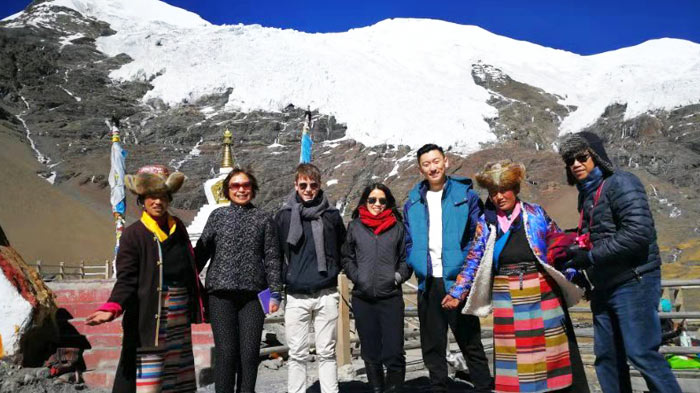
Karola Glacier: A short distance to the west of Lake Yamdrok lies one of the most pristine glaciers in Tibet, the stunning Karola Glacier. Located just to the north of the road towards Shigatse, between Lake Yamdrok and Gyantse, this small but beautiful glacier shines a spectacular white that can be clearly seen from the highway, and is a great place to stop for some photos.
Mindroling Monastery: One of the Six Great Monasteries of the Nyingma School of Tibetan Buddhism, Mindroling Monastery was built in the late 10th century as one of the seats of the Nyingma School in Southern Tibet. Covering more than 10,000 square meters, this unique monastery is the only place in Tibet where the monks are allowed to marry and have a family.
Our guests visit Karola Glacier, the most accessible glacier in Tibet, near the Yamdrok Lake.FAQs: Things to Know Before Visiting Yamdrok Lake
Visiting Yamdrok Lake is an unforgettable experience, but there are a few key things you should know. From permitting requirements to practical travel tips, this section will answer some of the most common questions about Yamdrok Lake and help you prepare for your visit.
1. How Do I Get to Yamdrok Lake from Lhasa?
- Answer: Yamdrok Lake is located about 110 kilometers southwest of Lhasa, and it typically takes 2 to 3 hours to reach the lake by car. The drive offers beautiful views of the Kamba La Pass, where you can stop for panoramic photos of the lake and the surrounding mountains.
2. Can I Camp at Yamdrok Lake?
- Answer: Yes, camping is a popular option for visitors, particularly during the spring and autumn months. Camping along the shores of Yamdrok Lake provides an immersive experience, with breathtaking views of the turquoise waters and surrounding mountains.
3. Can I Swim in Yamdrok Lake?
- Answer: While the turquoise waters of Yamdrok Lake may look inviting, swimming is not recommended. The lake's sacred nature prohibits any form of disturbance, and the cold temperatures and strong currents make it unsafe for swimming.
4. What Wildlife Can Be Found Around Yamdrok Lake?
- Answer: The area around Yamdrok Lake is home to several species of wildlife, including wild yaks, Tibetan fox and Tibetan gazelles. The lake also attracts migratory birds during the winter months, such as bar-headed geese and black-necked cranes. Birdwatching is a popular activity, particularly around Bird Island.
5. Is It Safe to Travel to Yamdrok Lake?
- Answer: Yes, Yamdrok Lake is pretty safe for travelers. However, due to its high altitude, visitors should be aware of the risks of altitude sickness. It is important to acclimatize in Lhasa before heading to the lake, stay hydrated, and avoid overexertion.
Conclusion: Plan Your Yamdrok Lake Tour with Tibet Vista
Thanks to its convenient location near Lhasa, breathtaking scenery, and deep spiritual significance, Yamdrok Lake can be enjoyed as a scenic day trip or seamlessly included in longer itineraries such as a Central Tibet cultural tour or an EBC journey. Whether you visit for spiritual reflection or as part of a Tibet adventure, Yamdrok Lake promises an unforgettable experience.
With Tibet Vista’s comprehensive services, your Yamdrok Lake tour becomes even more comfortable. Traveling with us ensures a smooth, safe, and deeply enriching journey. Backed by over 30 years of experience and a team of more than 60 professional local Tibetan guides, we offer flexible small-group and private tours tailored to your needs.
From comfortable private vehicles and professional drivers to full permit arrangements and altitude sickness prevention, we take care of every detail. This allows you to focus entirely on appreciating the natural beauty, spiritual atmosphere, and cultural richness of Yamdrok Lake.
Whether you’re planning a short visit or a complete Tibet adventure, we can help you explore Yamdrok Lake with confidence and comfort. Plan your Yamdrok Lake tour today and experience one of Tibet’s most iconic and sacred landscapes the right way.
Search