
.jpg "Tibetan Local Travel Agency")



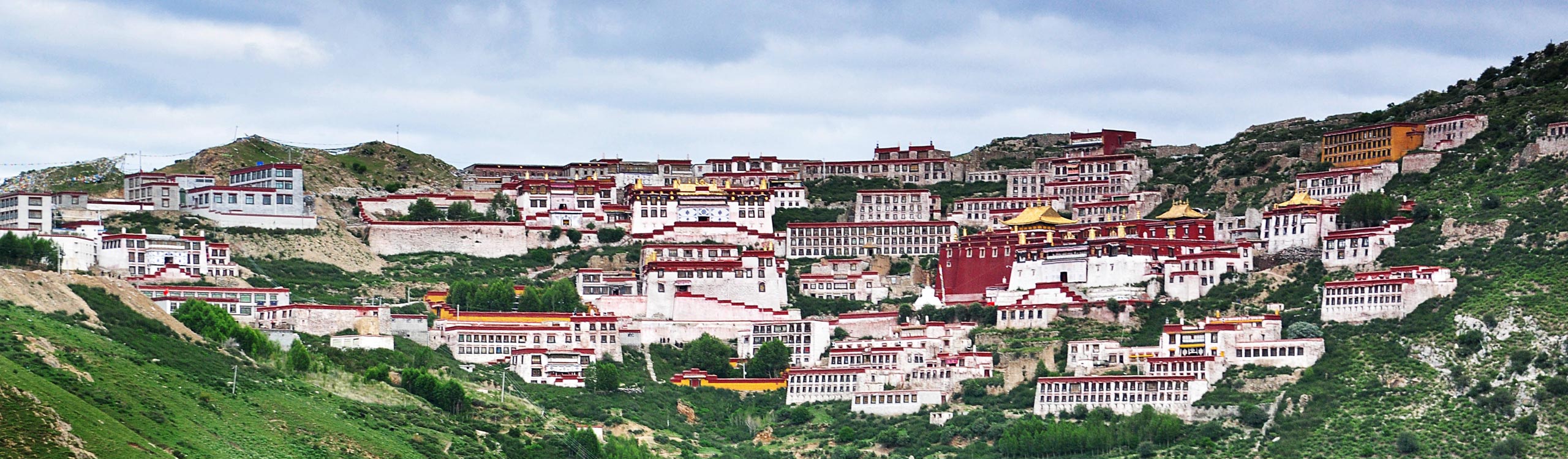
Ganden Monastery in Lhasa, Tibet
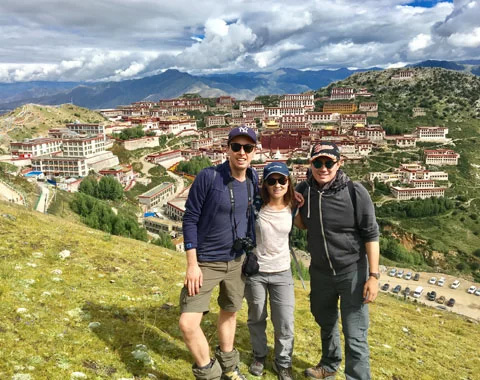
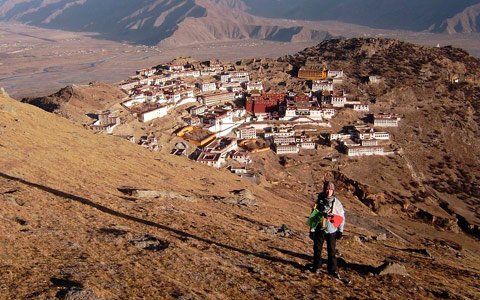
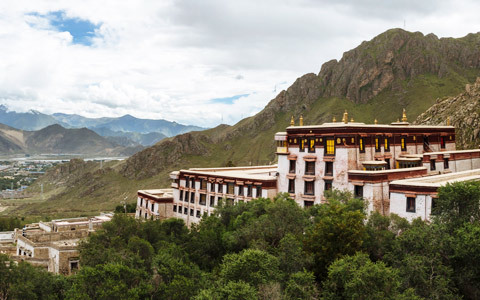
Towering on the Wangbori Mountain, Ganden Monastery, built by Je Tsongkhapa in 1409, is the 1st and primary monastery of the Gelug School of Tibetan Buddhism as well as one of the Great Three Holy Monasteries of Lhasa, along with Sera Monastery and Drepung Monastery.
The highlights for visiting Ganden Monastery involve one-day Ganden Kora to see the enchanting vista of Lhasa Valley and surrounding mountains; five-day Ganden to Samye trek to enjoy the most spectacular views of Lhasa and Shannan’s countryside; oberserving Ganden Monastery incense making to know more about Tibetan handicraft and art; Ganden Thangka Unveiling Festival to watch the giant Buddha Thangka unfurled on the hillside; Ganden Ngachen Chenmo Festival to light up butter lamps to commemorate Je Tsongkhapa, etc.
To sum up, Ganden Monastery offers you an excellent opportunity to dive deep into the profound Gelugpa culture of Tibetan Buddhism and enjoy the stunning landscape of alpine mountains outside Lhasa City. Please follow our in-depth guide below and make the most of Ganden Monastery tour.
Basic Facts:
Chinese name: 甘丹寺 Gāndān Sì
Location: Dagzê County, Lhasa, China; or Wangbori Mountain, around 57 kilometers to the east of Lhasa City
Altitude: 3,800 m (12,000 ft)
Founder: Je Tsongkhapa (1409)
Type: the 1st and primary monastery of the Gelug School of Tibetan Buddhism; one of the Great Three Holy Monasteries of Lhasa
Opening Hours & Ticket: 09:00-16:00; 50CNY/Person (all year round)
How to Get There: There are shuttle buses at the square of Jokhang Temple. But international tourists can not take public bus alone, unless accompanied by tour guide. Luckily, we, Tibet Vista team, can offer you the clean and safe tour vehicle with seasoned local tour guide and driver.


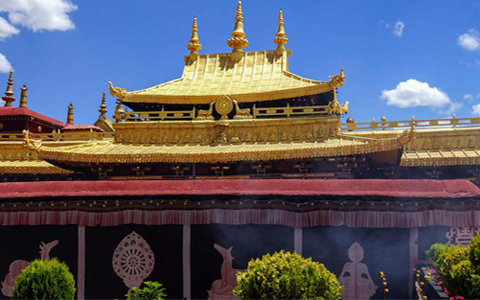
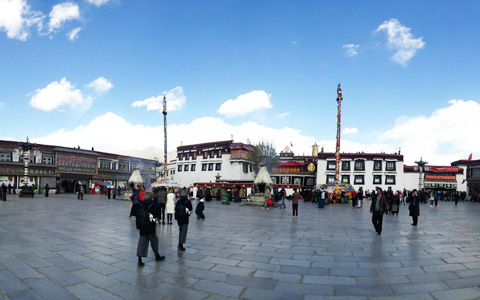
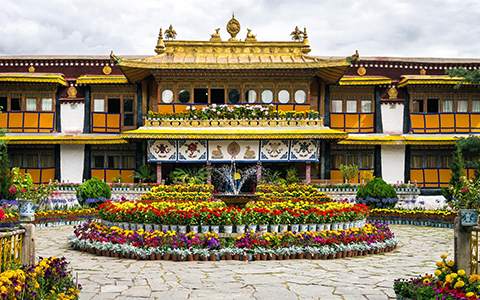
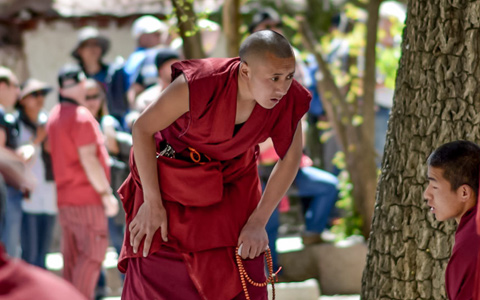
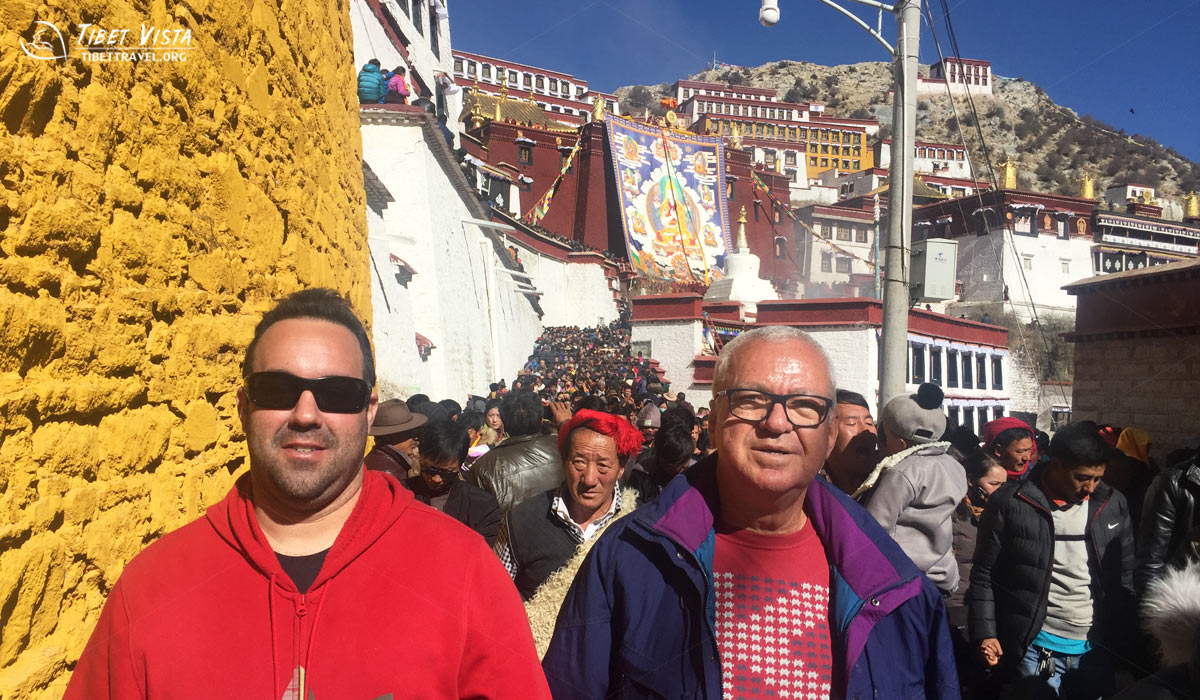
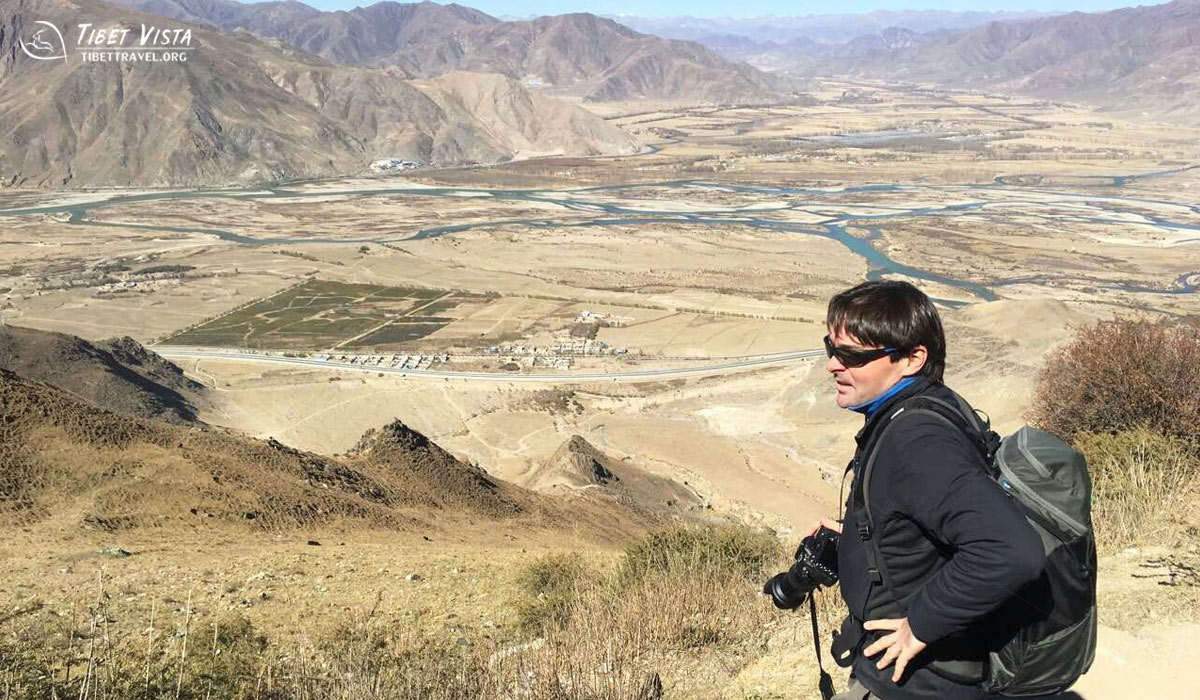
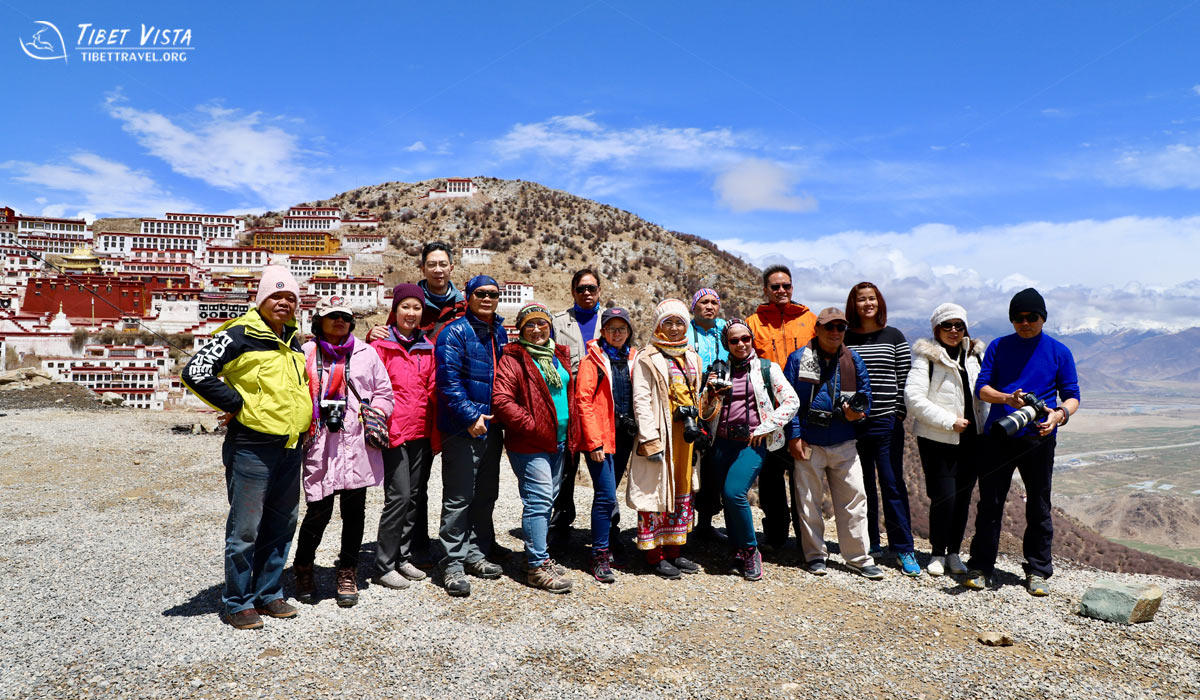
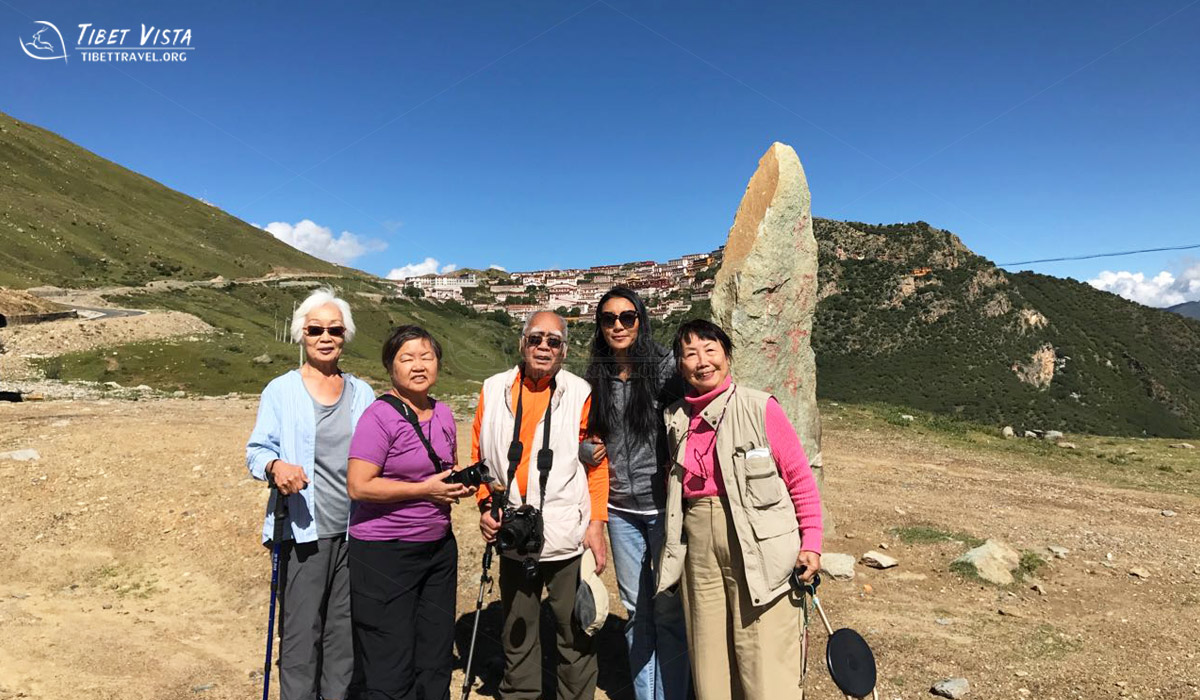
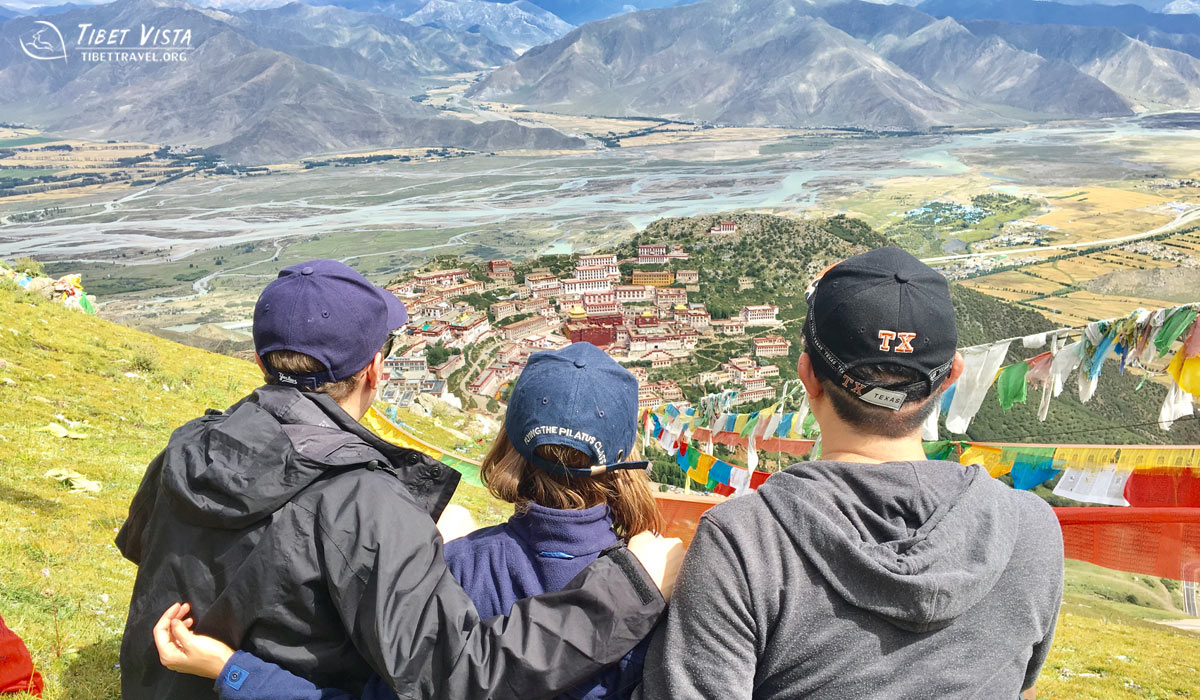
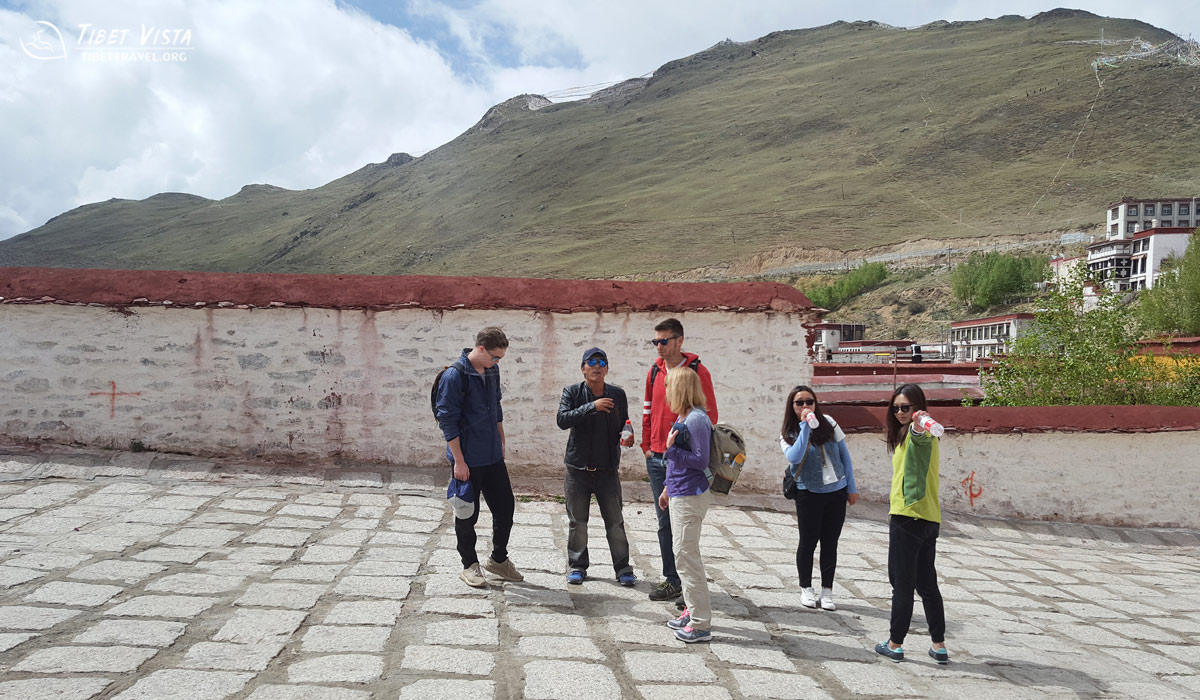
Ganden Monastery Photo Gallery

All Articles about Ganden Monastery
To make sure you can enjoy the best Ganden Monastery travel experience available, we kindly prepare the latest and most easy-to-use Ganden Monastery travel and tour guides below for you. From Ganden Monastery history and festivals to the one-day Ganden Kora and scenic Ganden to Samye trekking, etc., you can follow the insider’s tip and won’t miss the single moment when visiting the most significant Gelugpa monastery in Tibet.
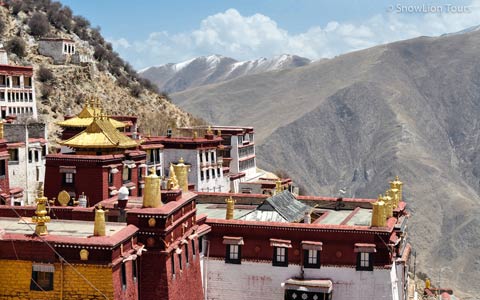 Ganden Monastery History: stories and legends behind the mysterious Buddhist monastery
Every monastery in Tibet has its mysterious past and promising future while Ganden Monastery has no exception. The full name of it is Ganden Namgyal Ling with "Ganden" meaning "joyful" while "Namgyal Ling" the "victorious temple". Virtually, you can call this Monastery a lot of things but "joyful" is definitely the one that describes Ganden Monastery’s glorious past. Was the long-last prosperity an impulse action or the destined product of time? Just follow us to ......
View More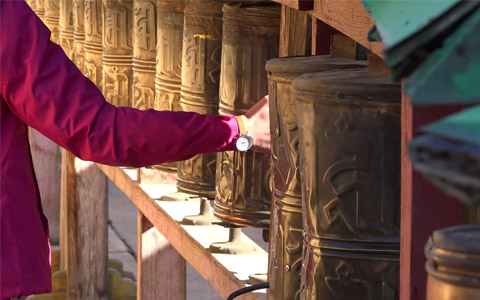 Ganden Monastery Kora: the best scenic trek to view Lhasa Valley
The primary monastery of the Gelug School of Tibetan Buddhism, Ganden Monastery is also the first of the Gelug monasteries in Tibet, and is one of the Great Three Holy Monasteries of Tibet, along with Sera and Drepung. The monastery sits on the slopes just below the top of the Wangbori Mountain in the northeast of Dagzê County of Tibet, surrounded by the Nyenchen Tanglha Mountains that lie to the northeast of Lhasa. Sitting in a small natural depression on the ......
View More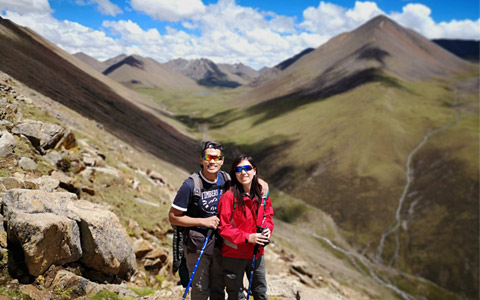 Ganden Monastery Tour: top things you need to know
Ganden Monastery in Dagzê County of Lhasa is one of the Great Three Monasteries of the Gelug School of Tibetan Buddhism, and one of the most important monasteries in Tibet. Lying around 57 kilometers to the east of Lhasa, just off the southern side of the Sichuan Tibet Highway, this unique monastery lies at the top of Wangbori Mountain, in a shallow natural depression just below the actual peak. One of the best day trips out from Lhasa, the monastery, whose ......
View More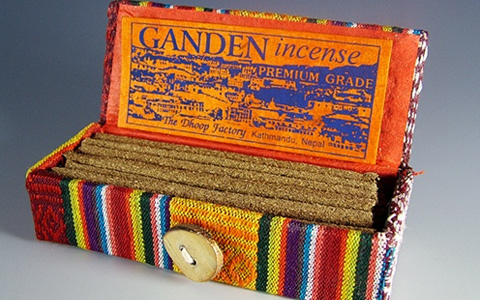 Ganden Monastery Incense: a great souvenir for Ganden visit
As the first Gelug Monasteries in Tibet, Ganden Monastery takes a predominant position in Tibetan Buddhism. Built by the great master Tsongkhapa, the founder of Tibetan Buddhism, in 1409, the monastery is highly recognized as the ancestral monastery of Gelug. To tour Ganden Monastery, you have many choices: to start the popular wilderness trek to Samye Monastery while enjoying beautiful alpine landscapes; or to pour into the hustle crowds in ......
View More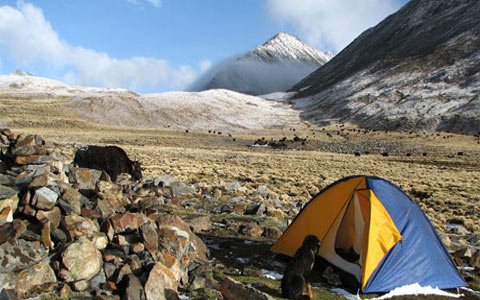 Ganden to Samye Trek
Ganden to Samye Tibet trekking route is regarded as one of the best hikes in the world. It is a fulfilling and pleasant pilgrimage trip with much to offer, an overview of Tibetan Buddhism and religious culture, blue holy lakes, high snowy passes and mountains, lush alpine meadows, sporadic herders’ camp, tranquil Tibetan villages, time-honored sacred sites, finally culminating at the barren, desert-like ......
View More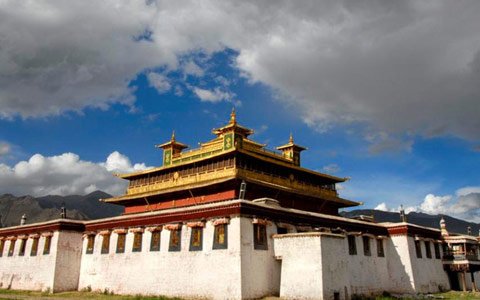 Ganden to Samye Trek Tips and Photos
Trek from Ganden Monastery to Samye Monastery is one of the most popular trekking routes in Tibet. Most of the route is located around 4000 meters above sea level, starting at 13,940 feet at Ganden, passing Shogu La at 17,220 feet and heading toward the first Buddhist monastery in Tibet, Samye Monastery. The trek is full of challenges. But this trek also has much pleasure: blue lakes, high snowy passes and mountains, lush alpine meadows, nomad ......
View More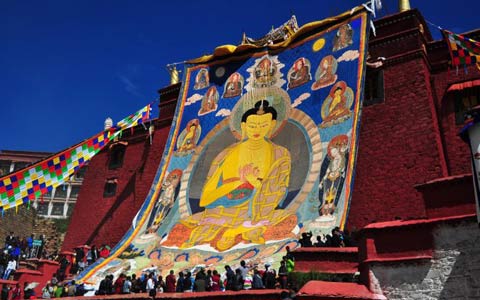 Ganden Thangka Unveiling Festival in Tibet
Unveiling Thangka of Buddha is usually an important ceremony on important traditional Tibetan festivals, such as Shoton Festival. The Ganden Thangka Unveiling Festival in Tibet is held on the 15th day of the sixth lunar month of Tibetan Calendar in memory of the enlightenment of Tsongkhapa, a well-known Tibetan religious philosopher. Travel to Tibet during the Ganden Thangka Festival will give you an impressive ......
View More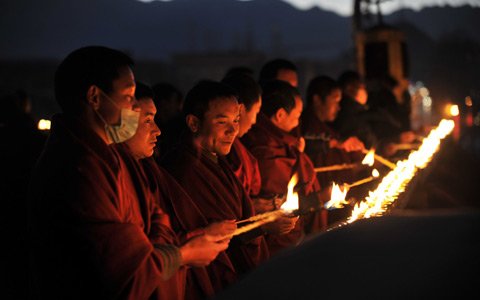 Tsongkhapa Butter Lamp Festival, Ganden Ngachen Chenmo Festival
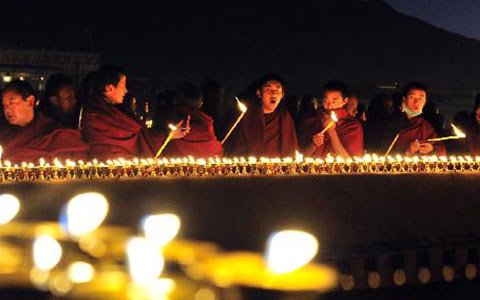
Gaden Ngachen Chenmo Festival, also known as Tsongkhapa Butter Lamp Festival, is celebrated to commemorate the parinirvana of Tsongkhapa, the founder of Gelug Sect of Tibetan Buddhism. Tsongkhapa Festival falls on the 25th day of the tenth month in Tibetan calendar. On that day, Tibetan monks would light up numerous butter lamps on the altars in and out of temples, and it’s common to see lamps illuminating day and night at Tibetan ......
View More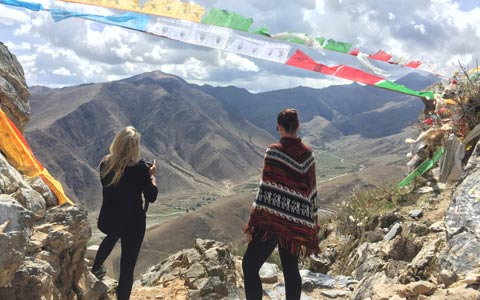 Why Ganden Kora is Our Tibet Vista Clients' Favorite Day Trek for an Extended Lhasa Tour?
Have you still been indecisive or searching blindly on the internet about where to challenge a medium level kora with just one day trek and the casual wear since the Nangkhor or Barkhor kora fails to get your attention? Or if you are travelling with your family members who are longing for a real trek but some of them have troubles in altitudinal adaption in most of the kora routes such as Namtso Lake Kora during ......
View More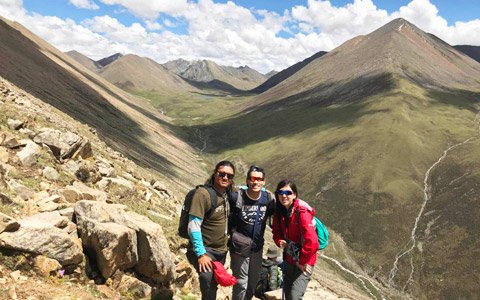 Tired of Stereotyped Visits in Downtown Lhasa? Just Go for the Trek from Ganden to Samye
Arguably, the best way to gain the authentic Tibetan experience is on foot. After a couple of days of tours in downtown Lhasa and acclimatization to high altitude, for the discerning travelers, it’s time to explore Tibet far beyond Buddhist courtyard and cozy sweet tea house. As the top trek from Lhasa region, the trek from Ganden Monastery to Samye Monastery proves to be a perfect choice when your wanderlust strikes. You are expected ......
View More Video of Optional Day Tour-Ganden Monastery
If you have one more day in Lhasa, explore the originator of the Gelugpa - Ganden Monastery. 90 kilometers northeast of Lhasa lies Ganden Monastery, the first and primary monastery of the Gelug Sect in Tibetan Buddhism. The massive Buddhist complex is built on Wangbur mountain. Inside you can see the greatest Tibetan master Tsongkha's tomb and the breathtaking scenic path offers great opportunities for you to trek for about 2 hours. During the trek, you will have an ......
View MoreRecommended Tour Itineraries Including Ganden Monastery
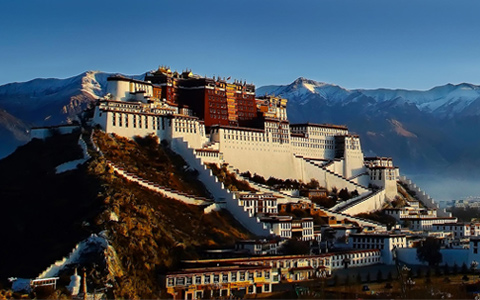
After visiting Potala Palace and Jokhang Temple and acclimatizing well in Lhasa, you can travel to Ganden Monastery to explore Tibetan Gelugpa culture, follow the scenic kora with devout pilgrims, even trek further to Samye Monastery, etc. Check the top 4 highly recommended Tibet tours with a short visit to Ganden Monastery.
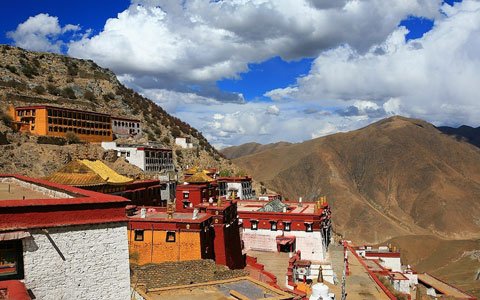 One Day to visit Ganden Monastery
The first Gelupa monastery of Tibetan Buddhism
from USD179
View Details