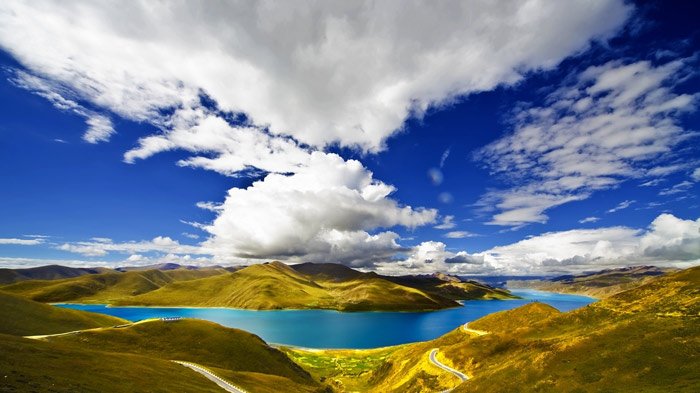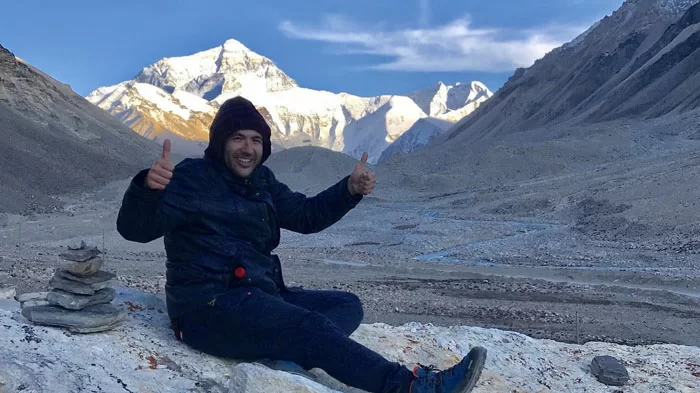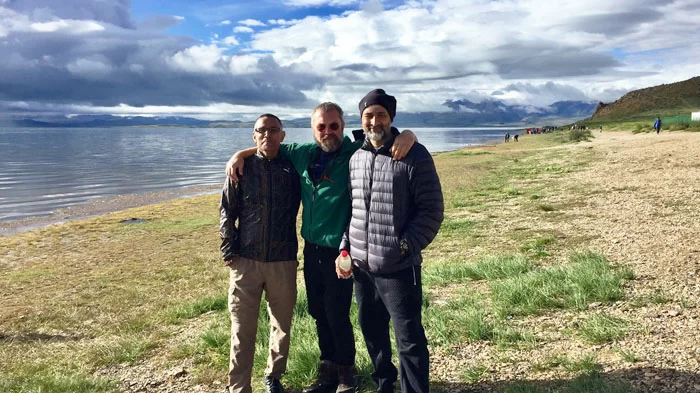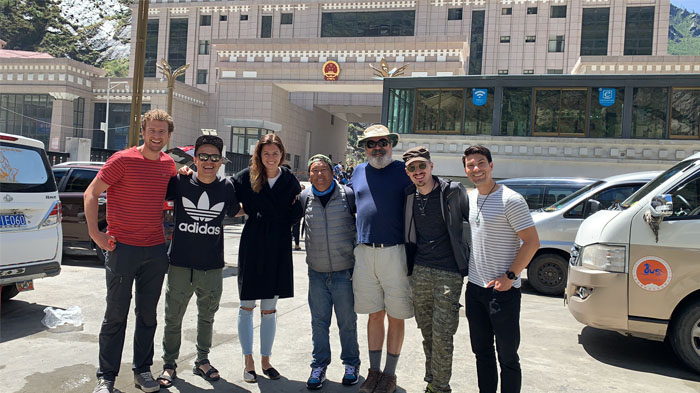

With China Tourist Visa Resumed,
Tibet Tours for All around the Globle are Available Right Now!

It is the best time to join our Tibet small group tour in 2024 at the best local price.
+ 86-28-81754631
TOP
Click to view the Small Group Tour theme

Our #1 Tibet Tour for 2026/2027

8-Day Overland Journey from Lhasa to Everest Base Camp

This is our most popular and classic Tibet tour route, showcasing the very best of Tibet’s nature, culture, and history. For 10 consecutive years, we have been recognized as the “Best Mt. Everest Tour Organizer” by the Tibet Tourism Bureau.

For 2026 & 2027, we offer the most departure dates, so you can join us on the day you prefer, whether you're traveling solo, with family, or with friends.

Book Early for Discounts: Best Mt. Everest Tour Awaits!

Lhasa to Kathmandu Overland Tour in 2026/2027: Ultimate Guide to Traversing through Roof of the World

June 12, 2026 BY Jamyang Tsering 0 Comment

The Lhasa to Kathmandu overland tour is one of the most legendary road trips across the Himalayas, connecting the spiritual heart of Tibet with the vibrant capital of Nepal.

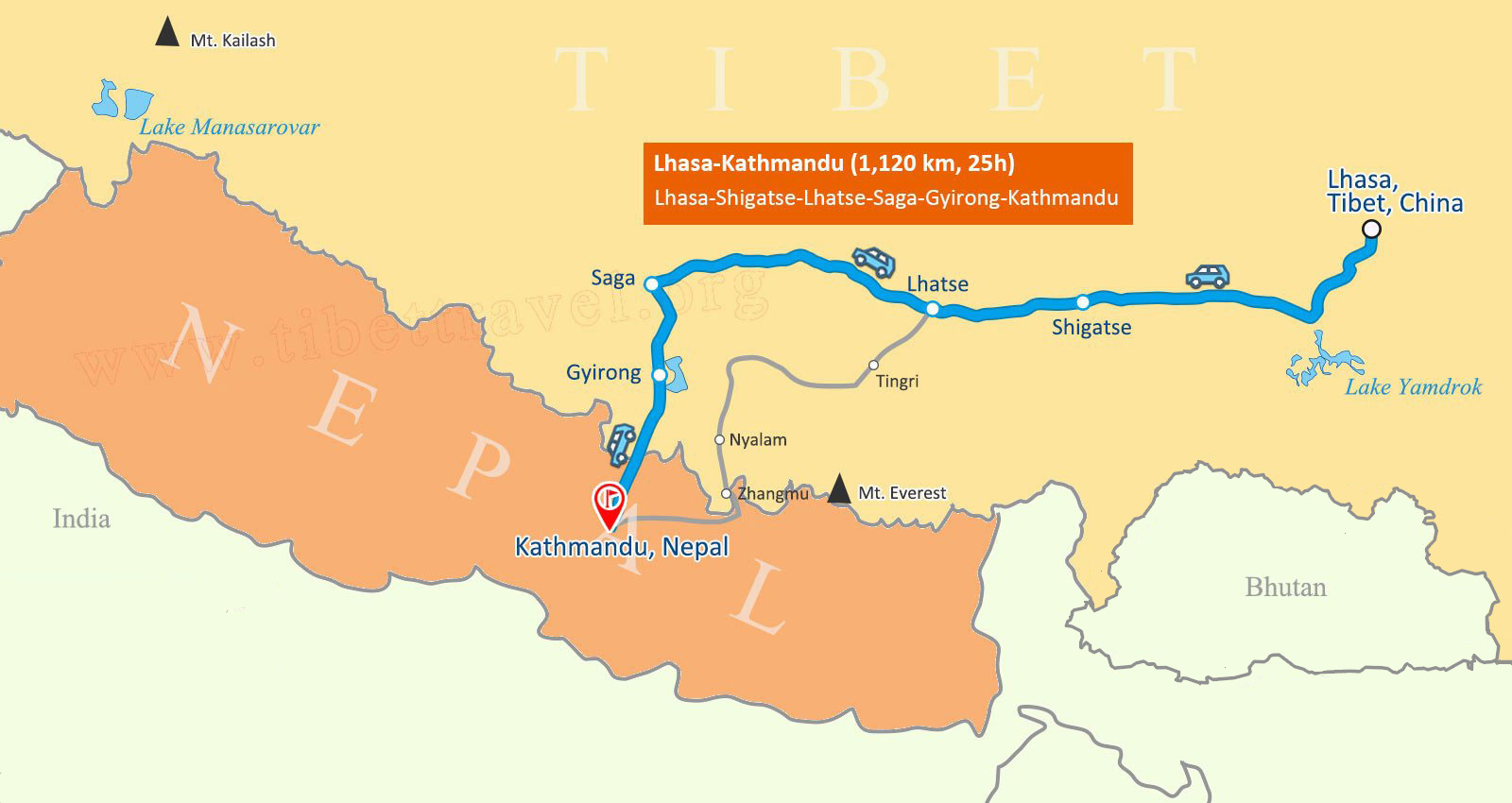
Covering approximately 1,330 kilometers, this classic overland route takes you from the holy city of Lhasa through central Tibet to Everest Base Camp, before crossing the scenic Gyirong Border and descending into Nepal's vibrant Kathmandu Valley.

Along the way, you can explore ancient Tibetan cities, experience authentic local culture, witness the world's highest mountain from multiple viewpoints, and travel across the vast Tibetan Plateau before descending into the lush valleys of Nepal.

In this guide, you'll find everything you need to know about planning a Lhasa to Kathmandu overland tour, including the most popular itinerary, the best time to travel, altitude and road conditions, travel permits, border crossing procedures, accommodation, costs, and practical travel tips for a smooth Tibet-Nepal overland journey.

Why Choose a Lhasa to Kathmandu Overland Tour Instead of Flying?

While a flight from Lhasa to Kathmandu takes only about 2 hours, the overland journey offers a far richer travel experience. Covering around 1,330 kilometers, the thrilling Lhasa to Kathmandu overland tour takes about 7 days and allows you to travel via the scenic Friendship Highway across central Tibet.

From Lhasa, the spiritual heart of Tibet, you will travel across the Tibetan Plateau, visit Everest Base Camp, explore historic Tibetan cities, and cross the Himalayas by land before descending into Nepal through the Gyirong Border.

FactLhasa to Kathmandu by OverlandLhasa to Kathmandu by Fly
Distance 1,330 km 571 km
Travel Length 7 days or more About 2 hours
Tibetan Cultural Experience Extensive Very Limited
Everest Views Multiple Viewpoints + Everest Base Camp Visit Weather Dependent
Departure Frequency At leas 3 weekly group departures;
Private tours can start on any date
About 3 flights per week;
Occasionally affected by weather

What Makes the Overland from Lhasa to Kathmandu Special?

The Lhasa to Kathmandu overland tour is considered one of the most epic road trips because it combines culture, adventure, and breathtaking scenery in a single journey.

Along the way, you can:

  • Travel across the entire Tibetan Plateau and the Himalayas
  • Visit Everest Base Camp and view Mount Everest up close
  • Explore historic Tibetan cities such as Lhasa, Gyantse, and Shigatse
  • Experience authentic Tibetan culture, monasteries, and local traditions
  • Witness dramatic landscape changes from the high plateau of Tibet to the green valleys of Nepal
Lhasa to Kathmandu tour tour mapThe classic Lhasa to Kathmandu overland route on the map.

What Are the Highlights of Lhasa to Kathmandu Overland Tour?

The 1,330-kilometer Lhasa to Kathmandu overland tour is filled with unforgettable experiences that showcase the rich culture, dramatic landscapes, and spiritual heritage of the Himalayan region.

From sacred Tibetan monasteries and historic cities to Mount Everest and stunning alpine lakes, every stage of the journey reveals a different side of Tibet before descending into the lush valleys of Nepal.

Explore Tibet’s Most Fascinating Cities and Towns

One of the greatest advantages of traveling overland from Lhasa to Kathmandu is the opportunity to explore some of Tibet's most important cultural and historical destinations.

These cities and towns s offer a fascinating introduction to Tibetan history, religion, and daily life while reveal the changing landscapes of the Tibetan Plateau.

DestinationHighlights
Lhasa Potala Palace, Jokhang Temple, Barkhor Street
Gyantse Ancient Tibetan town and Pelkor Chode Monastery
Shigatse Home of Tashilhunpo Monastery and the Panchen Lama
Tingri Gateway to Mount Everest and the northern Himalayas
Gyirong Scenic border town where the Tibetan Plateau meets the Himalayan valleys
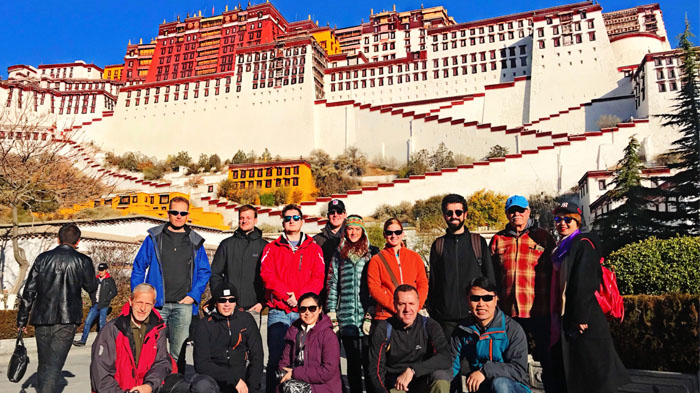
Visit the Potala Palace in LhasaVisit the magnificent Potala Palace, the most iconic landmark in Tibet.

Experience Authentic Tibetan Culture Along the Journey

Beyond the famous landmarks, the route also provides unique opportunities to experience authentic Tibetan culture and local traditions, such as:

  • Join local pilgrims for the Barkhor Street Kora around the Jokhang Temple
  • Witness dynamic monk debates at Sera Monastery
  • Enjoy Tibetan butter tea and local snacks in traditional Tibetan tea houses
  • Visit Tibetan family near Yamdrok Lake
  • Take photos with yaks and Tibetan mastiffs
  • Observe traditional Tibetan lifestyles on the plateau

These experiences offer a profound insight into Tibetan folk traditions and the serene way of life embraced by the local community.

Traditional Tibetan dress at Barkhor KoraExperience traditional Tibetan clothing while joining local pilgrims on the Barkhor Kora.

Witness Mount Everest and the Spectacular Himalayas

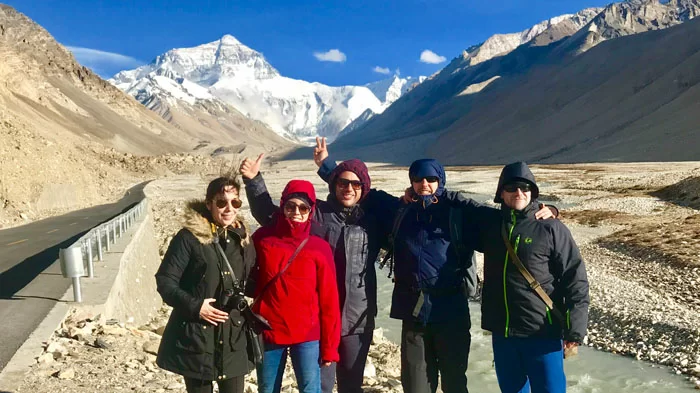
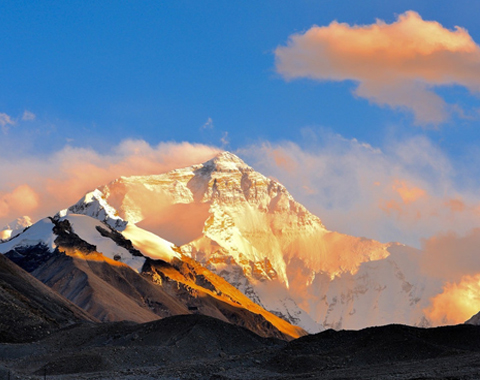
Mount Everest is the highlight of the Tibet Nepal overland journey for many travelers. Multiple viewpoints along the route offer different perspectives of the Himalayas and Everest itself. You will marvel at the stunning north face of Mount Everest up close at Everest Base Camp.

AttractionHighlights
Gyatso La Pass First distant view of Mount Everest
Gawula Pass Panoramic view of the Himalayan mountain range, including Everest
Everest Base Camp Get close to the world's highest mountain;
Watch Everest glow in changing light at sunset/sunrise;
Enjoy unforgettable night skies
Rongbuk Monastery Visit the world's highest monastery
Everest Sunset at Base CampEnjoy Mount Everest sunset in Tibet Everest Base Camp.

Discover Tibet’s Sacred Lakes and Diverse Landscapes

The natural scenery along the Friendship Highway is just as impressive as its cultural landmarks. Throughout the journey, you pass sacred lakes, glaciers, farmland, and dramatic mountain landscapes.

AttractionHighlights
Yamdrok Lake One of Tibet's three holy lakes
Karola Glacier Spectacular roadside glacier on the journey from Lhasa to Shigatse
Highland Barley Fields Seasonal golden and green farmland landscapes near Gyantse and Shigatse
Pelku Tso Lake Sacred lake beneath Mount Shishapangma
Himalayan Valleys Dramatic transition from Tibetan Plateau to lush Kathmandu Valley
Visit the turqoise Yamdrok LakeThe turquoise Yamdrok Lake is a highlight of the scenic overland journey from Lhasa to Kathmandu.

What is the Most Popular Lhasa to Kathmandu Overland Tour Itinerary?

The most popular Lhasa to Kathmandu overland itinerary is a 7-day journey covering Lhasa, Shigatse, Everest Base Camp, Gyirong, and Kathmandu. Along the way, you will explore Tibet's most important cultural landmarks, witness Mount Everest from multiple viewpoints, and travel across the Himalayas before descending into Nepal.

DayRouteKey HighlightsOvernight
Day 1 Arrival in Lhasa Be greeted by our Tibetan guide at the airport/train station;
Transfer to your hotel and relax for altitude acclimatization.
Lhasa
Day 2 Lhasa City Tour Visit the iconic Potala Palace and Jokhang Temple;
Explore Barkhor Street and experience local Tibetan life;
Enjoy traditional Tibetan tea and snacks in a local teahouse
Lhasa
Day 3 Lhasa City Tour Explore Drepung Monastery, once the world's largest monastery;
Learn about the daily life of Tibetan monks;
Witness the famous monk debates at Sera Monastery
Lhasa
Day 4 Lhasa - Gyantse - Shigatse Enjoy spectacular views of Yamdrok Lake;
Visit the roadside Karola Glacier;
Explore historic Gyantse Town;
Travel to Shigatse, Tibet's second-largest city
Shigatse
Day 5 Shigatse - Everest Base Camp Get your first view of Mt.Everest at Gyatso La Pass;
Admire the panoramic view of the Himalayas’ highest peaks from Gawula Pass;
Visit Rongbuk Monastery, the world's highest monastery;
Enjoy a close-up view of the north face of Mount Everest
Everest Base Camp
Day 6 Everest Base Camp - Gyirong Pass Mount Shishapangma and Pelku Tso Lake;
Enjoy the dramatic transition from the Tibetan Plateau to the Himalayan valleys
Everest Base Camp
Day 7 Gyirong - Kathmandu Cross the Gyirong Border into Nepal;
Travel through the Himalayan foothills to Kathmandu
Kathmandu

Day 1- 3: Acclimatize and Explore the Holy City of Lhasa
Spend the first three days acclimatizing to Tibet’s altitude while exploring the spiritual heart of Tibet. Visit the iconic Potala Palace, holy Jokhang Temple, and magnificent Drepung Monastery. Stroll along lively Barkhor Street and witness the famous monk debates at Sera Monastery.

Day 4: Journey Through Central Tibet from Lhasa to Shigatse (271km, 6hrs)
Travel westward along the scenic Friendship Highway from Lhasa to Shigatse. Along the way, enjoy breathtaking views of Yamdrok Lake, visit the spectacular Karola Glacier, and explore the historic Tibetan town of Gyantse.

Day 5: Travel from Shigatse to Everest Base Camp (353km, 7-8 hrs)
Continue through the Himalayas via Gyatso La Pass and Gawula Pass, two of the best viewpoints for Mount Everest. Arrive at Everest Base Camp, visit Rongbuk Monastery, and enjoy an unforgettable close-up view of the world’s highest mountain.

Day 6: Everest Base Camp to Gyirong Border (433km, 9.5-10 hrs)
Leave the Everest region and travel toward Gyirong, passing Mount Shishapangma and Pelku Tso Lake along the way. Descend into the lush Gyirong Valley and spend the night in the border town before entering Nepal.

Day 7: Gyirong to Kathmandu (160km, 6-8 hrs)
Cross the Gyirong Border, and continue through the Himalayan foothills to Kathmandu,completing one of the most spectacular overland journeys in Asia.

Alternative Ways to Travel from Lhasa to Kathmandu

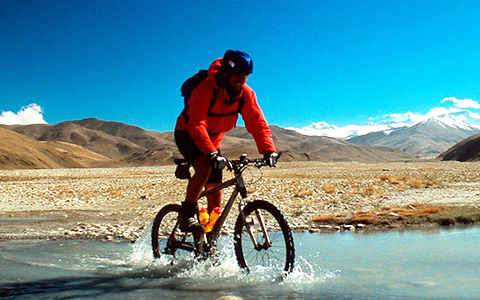
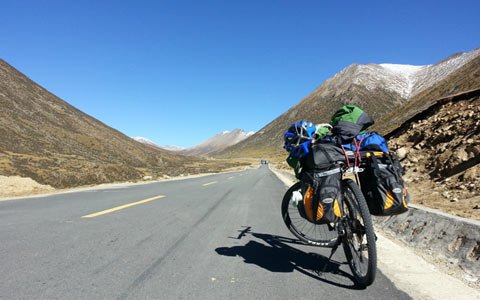
Besides the classic 7-day overland tour, you can also cycle from Lhasa to Kathmandu or drive your own vehicle (car/motorbike) to experience the mesmerizing overland journey across the Himalayas. These longer journeys offer greater flexibility and a deeper immersion in the landscapes of Tibet and the Himalayas.

Travel StyleDurationSuitable For
Classic Overland Tour 7 Days Most travelers
Cycling Tour Around 16 Days Experienced cyclists
Motorcycle Tour 11 to 13 Days Adventure travelers
Self-Drive Tour 10 to 12 Days Travelers seeking maximum flexibility

Join us on the legendary Tibet Nepal overland journey and experience the best of Tibet and the Himalayas with ease.

When Is the Best Time for a Lhasa to Kathmandu Overland Tour?

April to early June and September to November are widely considered the best times to visit Tibet and Nepal. During these months, travelers can enjoy stable weather, comfortable temperatures, and clear mountain views while avoiding the summer monsoon season.

With minimal rainfall and excellent visibility, it is easier to appreciate iconic attractions along the route, such as Yamdrok Lake, Karola Glacier, Mount Everest, and the Himalayas, making this the most popular travel season for the Tibet-Nepal overland journey.

SeasonMonthsRecommendation
Spring April, May, and Early June Excellent for pleasant weather and clear views of Mount Everest and highland lakes
Summer Mid June, July, and August Warm but affected by the monsoon;
mountains may be cloudy, and landslides are possible in border areas due to heavy rain
Autumn September, October, and Early November Best overall: most pleasant temperatures and clear mountain views
Winter Mid November, December, January, February, and March Possible for travel: dry, strong winds, clear skies
Clear Everest Views Along the Lhasa-Kathmandu RouteTraveling from Lhasa to Kathmandu during the best season for clear views of Mount Everest.

How Can You Prevent Altitude Sickness on a Lhasa to Kathmandu Overland Tour?

Most travelers can complete the Lhasa to Kathmandu overland journey safely without serious altitude sickness by following a gradual itinerary and allowing enough time for acclimatization in Lhasa.

The route starts in Lhasa at 3,650 meters above sea level and gradual climbs to some of the highest points on the Tibetan Plateau, such as the Everest Base Camp at around 5,000m, before descending into the lower elevations of Nepal.

The itinerary is carefully designed to help travelers gradually adapt to higher elevations before reaching Everest Base Camp, significantly reducing the risk of severe altitude sickness.

Altitude Overview Along the Lhasa to Kathmandu Overland Route

LocationAltitude (m/ft)Travel Tips
Lhasa 3,650m / 11,975ft Spend the first 2-3 days acclimatizing before traveling further west
Yamdrok Lake 4,441m / 14,570ft Enjoy panoramic views from Gampa La Pass (4,794m)
Karola Glacier 5,020-5,400m / 16,470-17,717ft Short sightseeing stop; avoid strenuous activity
Gyantse 4,000m / 13,123ft Lower altitude helps gradual acclimatization
Shigatse 3,800m / 12,467ft Comfortable overnight stop before Everest region
Tingri 4,300m / 14,108ft Gateway to Mount Everest
Gyatso La Pass 5,280m / 17,323ft Highest point for many travelers and the first distant view of Mount Everest
Gawu La Pass 5,210m / 17,093ft The only panoramic viewpoint of the Himalayan range, including several of the world's highest peaks
Rongbuk Monastery 5,154m / 16,909ft The world’s highest monastery, near Everest Base Camp
Everest Base Camp Around 5,000m / 16,404ft Closest accessible viewpoint of Mount Everest and the highest overnight stay of the journey
Gyirong 2,700m / 8,858ft Lower-altitude border town with lush forests and higher oxygen levels
Kathmandu 1,350m / 4,429ft End of the journey with virtually no altitude concerns

Why Altitude Sickness Happens

Altitude sickness occurs when the body cannot adapt quickly enough to lower oxygen levels at high elevations. It is most common above 2,500 meters, especially when ascending too rapidly without proper acclimatization.

Most travelers may experience mild symptoms upon arrival in Lhasa, but these usually improve after spending the first few days acclimatizing in the city.

Practical Tips to Prevent Altitude Sickness during the Journey

The best way to prevent altitude sickness in Tibet is to allow your body enough time to acclimatize naturally.

Before and during your trip:

  • Spend at least 2 to 3 days in Lhasa before traveling to higher elevations
  • Walk slowly and avoid overexertion during the first few days
  • Stay well hydrated and drink plenty of water
  • Get enough sleep and rest
  • Avoid alcohol and smoking
  • Eat light meals and maintain a healthy appetite

What to Do If Symptoms Occur

If you experience any symptoms of altitude sickness during your Lhasa to Kathmandu overland journey, inform your Tibetan guide immediately.

For mild symptoms such as headache, dizziness, or fatigue, it is usually sufficient to slow down your activities, get more rest, stay hydrated, and use portable oxygen if necessary.

Our experienced Tibetan tour guides regularly assist travelers with altitude-related concerns and can provide practical support throughout the journey.

Generally, mild symptoms improve gradually as your body adapts to the altitude, while serious altitude sickness is uncommon on the Lhasa to Kathmandu overland route.

Enjoy a smoother Lhasa to Kathmandu journey with gradual acclimatization.

What Are the Road Conditions from Lhasa to Kathmandu?

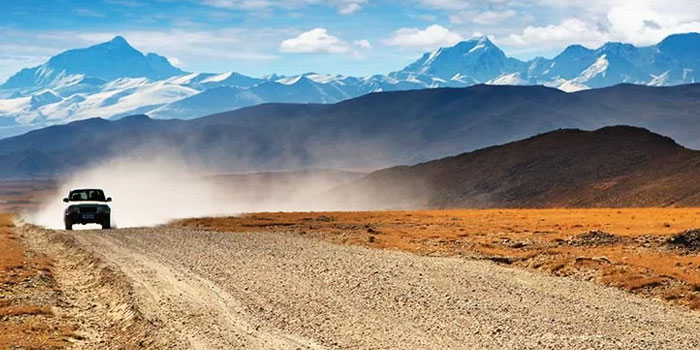
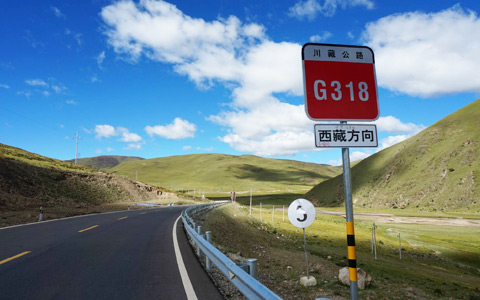
The road condition from Lhasa to Kathmandu are generally good, with most of the route following well-paved Friendship Highway and China National Highway G318 National Highway across Tibet. You can comfortably reach Everest Base Camp and the Nepal border by vehicle. Just pay attention to the winding mountain roads, high-altitude mountain passes, and long driving hours.

Route SectionDistanceRoad ConditionDriving Time
Lhasa to Shigatse About 270 km Excellent paved highway Around 6 hours
Shigatse to Everest Base Camp About 350 km Well-paved mountain roads + eco-bus transfer (the final 40-minute drive) 7-8 hours
Everest Base Camp to Gyirong About 430 km Good mountain roads with winding sections 9-10 hours
Gyirong to Kathmandu About 160 km Variable road conditions in Nepal 6-8 hours

The road condition from Lhasa to Shigatse is one of the best-maintained sections of the journey, You will experience smooth drive along well-paved roads via Gampa La Pass, passing Yamdrok Lake and Gyantse before reaching Shigatse.

The road to Everest Base Camp in Tibet is fully accessible by vehicle and has improved significantly in recent years. Although the road includes mountain curves and significant elevation changes, it is generally in good condition and suitable for regular tourist vehicles.

From Everest Base Camp to Gyirong, the road conditions are generally good. As the journey descends from the Everest region to Gyirong Valley, road conditions remain stable while the landscape gradually changes from high-altitude plateau to forested Himalayan valleys.

After crossing the Gyirong Border, road conditions on the Nepal side become more variable. Although Kathmandu is only about 160 km away, the journey usually takes 6 to 8 hours due to winding mountain roads, traffic, and seasonal weather conditions. Some sections may be uneven or affected by heavy rainfall during the summer monsoon.

Important Road Travel Tips for the Lhasa to Kathmandu Journey

While road conditions along the Lhasa to Kathmandu route are generally good, it is helpful to keep the following tips in mind for a more comfortable journey.

Travel TipsDetails
Prepare for long driving days Some days involve 7–10 hours of driving, especially between Shigatse, Everest Base Camp, and Gyirong.
Expect zigzag mountain roads Sharp bends and winding mountain roads are common in the Everest region
Be aware of possible landslides during the monsoon season Heavy rainfall during the summer monsoon may cause landslides, temporary road closures, or travel delays near the border areas.

Overall, the Lhasa to Kathmandu overland route is considered one of the safest and most rewarding road journeys in the Himalayas, combining reliable road infrastructure with extraordinary mountain scenery.

Well-Maintained Roads from Lhasa to KathmnduWell-maintained roads make the journey from Lhasa to Kathmandu comfortable and enjoyable.

How Much Does a Lhasa to Kathmandu Overland Tour Cost?

A Lhasa to Kathmandu overland tour usually costs around USD 979 to USD 1,200 or more per person for a small group tour, while private tours are generally more expensive depending on the group size, hotel standard, and travel season.

Traveling overland from Lhasa to Kathmandu is not the cheapest Tibet travel option. The route covers remote high-altitude areas, including Shigatse, Everest Base Camp, and Gyirong, where attractions are widely spread out and transportation, hotels, permits, and local services require careful arrangement.

Tour TypeTypical CostBest For
Small Group Tour From around USD 979 per person Budget-conscious travelers and solo travelers
Private Tour Higher, depending on itinerary and group size Families, couples, and travelers seeking flexibility

What Is Included in the Tour Cost?

Typically, a Lhasa to Kathmandu overland tour includes:

  • Tibet Travel Permit and related local permits
  • Accommodation listed in the itinerary
  • Local drivers, tourist vehicle and local transportation within Tibet
  • Local Tibetan guide
  • Attraction entrance tickets included in the itinerary
  • Meals included in the itinerary

For a detailed price breakdown, including accommodation, transportation, permits, and seasonal price differences, please refer to our Tibet Nepal Tour Cost Guide.

How to Save Money on Your Tibet Nepal Overland Trip?

The easiest way to reduce travel costs is to join a small group tour and share transportation and guide expenses with other travelers.

Booking early, traveling during the shoulder season, and choosing standard hotel options can also help you manage your budget more effectively.

Explore Everest Base Camp on the epic Lhasa to Kathmndu journey at the best value.

What Travel Documents Do You Need for a Lhasa to Kathmandu Overland Tour?

To travel from Lhasa to Kathmandu overland, most international travelers need a Tibet Travel Permit, a Frontier Pass for the Everest and border regions, and a valid passport. A Chinese Visa may also be required, depending on your nationality and China's latest visa-free policies.

DocumentRequired ForHow to Arrange It
Passport All travelers Apply for your passport at your country;
Ensure your passport has at least 6 months of remaining validity
Chinese Visa (if required) Travelers who are not eligible for China's visa-free entry policy Apply through the Chinese Embassy or consulate in your country
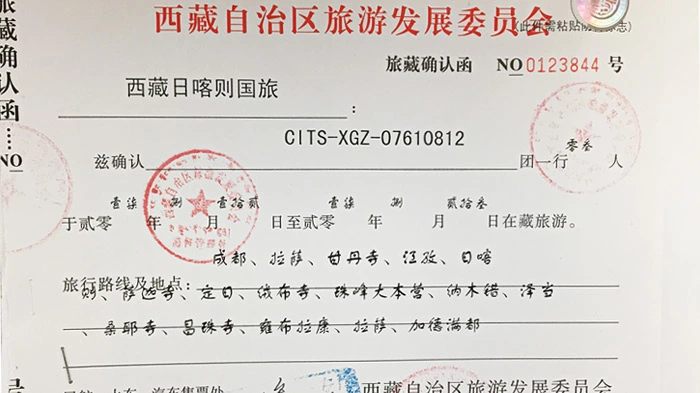
Tibet Travel Permit Foreign travelers and travelers from Taiwan Can only be arranged through a registered local Tibetan travel agency
Frontier Pass Restricted border areas, such as Everest region and border area Usually arranged by your Tibet travel agency
Nepal Visa-on-Arrival Foreign travelers entering Nepal Obtain a Nepal Visa on Arrival at the immigration checkpoint on the Nepal side after crossing the Gyirong border.

Do You Need a Chinese Visa to Travel from Lhasa to Kathmandu?

Yes, in most cases. A Chinese Visa is normally required before applying for a Tibet Travel Permit.

However, if your nationality is eligible for China's visa-free entry policy in 2026, you can apply for the Tibet Travel Permit without obtaining a Chinese Visa.

Otherwise, you need to apply for a Chinese Tourist Visa (L Visa) through the nearest Chinese embassy or consulate in your country. Make sure your passport has at least six months of remaining validity.

How to Apply for the Tibet Travel Permit?

You need to book your Lhasa to Kathmandu tour through a registered local Tibetan travel agency, like us, for an organized tour.

After booking your tour with us, simply provide clear copies of your valid passport and Chinese Visa (if needed). We will apply for the Tibet Permit on your behalf.

Once the permit is issued, we will deliver it to your hotel or even to the train station or airport in gateway cities to Lhasa in mainland China.
Do You Need a Frontier Pass for Everest Base Camp and the Border Region?

Yes. The Frontier Pass is a local travel document for visiting restricted border areas, including the Everest area and the land border between China and Nepal.

Both international and Chinese travelers need this document when visiting Everest Base Camp and the Gyirong Border region. The Frontier Pass application is usually arranged and included in our tour packages.

Can You Get a Nepal Visa on Arrival at the Gyirong Border?

Yes. You can obtain a Nepal Visa on Arrival at the immigration checkpoint on the Nepal side after crossing the Gyirong border.

To make the process smoother, prepare:

  • A valid passport
  • One or two passport-sized photos
  • Visa fee in cash (USD 30 for 15 days, USD 50 for 30 days, or USD 125 for 90 days)

The visa process is generally straightforward and allows you to continue your journey to Kathmandu on the same day.

Tibet Travel Permit SampleA sample of Tibet Travel Permit.

How to Cross the Gyirong Border from Tibet (China) to Nepal?

Crossing the Gyirong Border is a straightforward process for most travelers. After spending a night in Gyirong Town, you will complete exit procedures on the Chinese side, obtain a Nepal Visa on Arrival, and continue your journey to Kathmandu on the same day.

StepWhat to Do
Step 1 Arrive in Gyirong Town and stay overnight before the border crossing
Step 2 Travel to Gyirong Port and complete China exit formalities
Step 3 Cross the border and enter the Nepal immigration checkpoint
Step 4 Apply for a Nepal Visa on Arrival and complete entry procedures
Step 5 Take a vehicle from the border to Kathmandu

Arriving in Gyirong Before the Crossing
Most travelers arrive in Gyirong Town (2,700m) one day before crossing into Nepal. Compared with Everest Base Camp, Gyirong has a much lower altitude, a milder climate, and higher oxygen levels, making it an ideal place to rest before the border crossing.

How to Get a Nepal Visa at Gyirong Port
After completing exit procedures on the Chinese side, you can apply for a Nepal Visa on Arrival at the Nepal immigration checkpoint. To make the process smoother, prepare a valid passport, one or two passport-sized photos, and the visa fee in cash.

Transportation from the Border to Kathmandu
After entering Nepal, you can continue to Kathmandu by private jeep, shared vehicle, or public bus. The distance is about 160 km, and the journey usually takes 6 to 8 hours depending on traffic, road conditions, and weather.

If you need a border transfer service for a seamless journey from the border to Kathmandu, feel free to let us know when making your inquiry.

Cross the Gyirong BorderOur guests smoothly cross the Gyirong Border on their journey from Lhasa to Kathmandu.

Can You Visit Mount Kailash and Lake Manasarovar on a Lhasa to Kathmandu Overland Tour?

Yes. Mount Kailash and Lake Manasarovar can be added to a Lhasa to Kathmandu overland tour as an extended spiritual journey after visiting Everest Base Camp.

Instead of continuing directly from Everest Base Camp to the Gyirong Border, you can travel west via Saga to the sacred Mount Kailash region in western Tibet.

The most popular extension includes a visit to Lake Manasarovar, one of the holiest lakes in Asia, followed by the classic 3-day Mount Kailash Kora, a pilgrimage route revered by Buddhists, Hindus, Jains, and Bon followers.

After completing the Kailash pilgrimage, you will return to Saga, continue to the Gyirong Border, and then cross into Nepal for onward travel to Kathmandu.

The entire journey from Lhasa to Kathmandu via Everest Base Camp and Kailash Manasarovar Yatra typically takes around 13 days, making it one of the most comprehensive Tibet-Nepal travel experiences available.

Join us on the sacred Kailash Manasarovar Yatra from Lhasa to Kathmandu.

Where to Stay on a Lhasa to Kathmandu Overland Tour?

Accommodation on a Lhasa to Kathmandu overland tour ranges from comfortable to luxury hotels in major Tibetan cities to basic but memorable stays at Everest Base Camp. Overall, the route offers comfortable lodging facilities suitable for most travelers.

LocationTypical Hotel Standard
Lhasa 3-5 Star Hotels
Shigatse 3-5 Star Hotels
Everest Base Camp Tent Hotels / Rongbuk Hotel
Gyirong Comfortable Local Hotels

Accommodation Highlights Along the Route
Lhasa and Shigatse offer the best hotel facilities on the journey, with a wide range of 3 to 5-star hotels featuring private bathrooms, heating, Wi-Fi, and modern amenities.

The accommodation at Everest Base Camp is more basic due to the remote high-altitude environment. You can stay in tent hotels or at Rongbuk Hotel, the only hotel in the area offering private rooms and private bathrooms at such a high altitude.

In Gyirong, you stay in comfortable local hotels before crossing into Nepal. While the facilities may be simpler than those in Lhasa and Shigatse, the hotels are generally clean, comfortable, and well-equipped for an overnight stay.

Travel Tip: Hotels in Tibet may differ from those in major international cities. During the peak travel season, booking your tour and accommodation in advance is highly recommended, especially for Everest Base Camp stays.

Mount Everest View Room at Rongbuk HotelThe newly upgraded Rongbuk Hotel offers comfortable rooms and breathtaking views of Mount Everest.

What to Eat on a Lhasa to Kathmandu Overland Tour?

Along the route, you can enjoy traditional Tibetan food, Chinese dishes, Nepalese cuisine, and simple meals at Everest Base Camp.

In major cities such as Lhasa and Shigatse, you can find a wide variety of dining options. As you travel to more remote areas, including Everest Base Camp, food choices become more limited due to the high altitude and isolated location.

LocationFood Options
Lhasa Tibetan food, Chinese dishes (mainly Sichuan cuisine), Nepalese and western food
Shigatse Tibetan food, Chinese dishes (mainly Sichuan cuisine), Nepalese and western food
Everest Base Camp Simple yak meat hot pot, noodles, and fried rice
Gyirong Tibetan food, Chinese dishes (mainly Sichuan cuisine), and Nepalese food
Kathmandu Nepalese and international cuisine

If you have special dietary requirements, such as vegetarian or vegan preferences in Tibet, feel free to inform us when making your inquiry or booking your tour. We can help arrange suitable meal options whenever possible and provide practical advice for dining during your journey.

Enjoy Tibetan CuisineSavor traditional Tibetan cuisine as part of your Lhasa to Kathmandu adventure.

What to Pack for an Overland Journey from Lhasa to Kathmandu?

Packing for a Lhasa to Kathmandu overland tour is relatively simple, but you should be prepared for high-altitude weather, strong sunshine, and changing temperatures along the journey.

Dressing in layers is the best way to stay comfortable throughout the trip, as you will travel through different altitude zones, from the valleys around Lhasa to the Everest region and the Himalayan border areas.

The overland journey from Lhasa to Kathmandu typically lasts about one week, so it is best to pack light and bring only the essentials. Daily necessities such as toiletries, bottled water, and snacks are readily available in Lhasa, where you can replenish supplies before continuing your journey.

The following packing checklist covers the essential items most travelers need:

CategoryRecommended Items
Clothing Down jacket, fleece, long-sleeve shirts, comfortable walking shoes
Sun Protection Sunglasses, sunscreen, lip balm, sun hat
Electronics Power bank, camera, charging cables, universal adapter
Documents Passport and copies of important documents. Your Tibet Travel Permit will be carried by your tour guide during the journey
Medicine Personal medication, altitude medicine (if advised by your doctor), basic first-aid supplies
Daily Essentials Reusable water bottle, snacks, tissues, and wet wipes (these can also be purchased in Lhasa)
Visit Tibet with Proper Sun ProtectionBe sure to stay protected from the sun and keep warm during the Lhasa to Kathmandu overland journey.

Frequently Asked Questions About the Lhasa to Kathmandu Overland Tour

Still have questions about this epic trans-Himalayan journey? The following FAQs answer some of the most common concerns raised by travelers planning an overland journey from Lhasa to Kathmandu.

How long does it take to travel fro Lhasa to Kathmandu by overland?

The classic overland journey from Lhasa to Kathmandu takes 7 days, while it can be longer by motorcycle or biking tour.

If you wish to visit Mount Kailash in western Tibet before heading to Kathmandu, the overland journey can be 5 to 7 days longer.

Is the Lhasa to Kathmandu Overland Tour Suitable for First-Time Travelers to Tibet?

Yes. This route is one of the most popular Tibet tours for first-time visitors because it combines Tibet's major attractions, Mount Everest Base Camp, and a gradual descent into Nepal. You can acclimatize well by spending the first few days in Lhasa before heading toward higher elevations, while explore all highlights along the Friendship Highway in one go.

Can I Travel Independently from Lhasa to Kathmandu?

No. International travelers cannot travel independently in Tibet. You must book an organized tour arranged through a registered Tibetan travel agency, which will handle the Tibet Travel Permit, transportation, and guide service for you.

What Is the Highest Altitude Along the Route from Lhasa to Kathmandu?

The highest point on the Lhasa to Kathmandu overland route is Gyatso La Pass (5,280m / 17,323ft) near Everest Base Camp.

Although the journey passes through several high-altitude areas, the itinerary is designed with proper acclimatization time in Lhasa and a gradual ascent. As a result, most travelers adapt well to the altitude and experience only mild symptoms, if any.

Can I Visit Everest Base Camp on a Lhasa to Kathmandu Overland Tour?

Yes. The classic Lhasa to Kathmandu overland tour include a visit to Tibet Everest Base Camp, allowing you to see Mount Everest up close, visit Rongbuk Monastery, and enjoy an overnight stay at the base camp with stunning sunset, sunrise, or starry-night views of the world’s highest peak.

How Do I Cross the Gyirong Border from China to Nepal?

You will cross the Gyirong Border as part of your organized Tibet Nepal tour. Your guide will accompany you to Gyirong Port, where you will complete the exit formalities on the Chinese side.

After crossing the border, you can obtain a Nepal Visa on Arrival at the Nepal immigration checkpoint before continuing to Kathmandu.

The process is generally straightforward, although waiting times may be longer during peak travel seasons.

What Makes the Lhasa to Kathmandu Overland Tour One of the World’s Great Road Trips?

The journey combines Tibetan culture, sacred monasteries, holy lakes, Mount Everest, Himalayan panoramas, and a dramatic transition from the Tibetan Plateau to the lush valleys of Nepal. Few overland routes in the world offer such diverse landscapes and cultural experiences within a single trip.

It's time to experience the legendary overland journey from Lhasa to Kathmandu along the Friendship Highway.

Conclusion

The 7-day Lhasa to Kathmandu overland tour is one of the most rewarding journeys across the Himalayas, combining Tibet's rich Buddhist culture, breathtaking high-altitude landscapes, and the unforgettable experience of visiting Mount Everest Base Camp.

From exploring the sacred city of Lhasa and the turquoise waters of Yamdrok Lake to witnessing the world's highest mountain up close and crossing the Himalayas into Nepal, every stage of the journey offers unique experiences and spectacular scenery.

With a well-designed itinerary, comfortable travel arrangements, and gradual acclimatization, you can enjoy this classic Tibet Nepal route with confidence. Whether you are seeking cultural discovery, Himalayan adventure, or a once-in-a-lifetime overland experience, the journey from Lhasa to Kathmandu is sure to become a highlight of your travels.

Ready to turn your travel dreams into reality? Join us on the epic journey from Lhasa to Kathmandu and discover the magic of the Himalayas firsthand. Send your inquiry to tell us your travel plan or simply chat with our helpful travel agents to learn more about Tibet travel.

Jamyang Tsering

About the Author - Jamyang Tsering

With a perpetual smile and a wealth of Tibetan knowledge, Jamyang Tsering is a seasoned Tibetan guide with over 15 years of expertise. Interestingly, many first come across him on YouTube as a humorous YouTube content creator, proudly introducing every facet of authentic Tibetan life to the world.

Now, not only can you watch Jamyang’s latest video update on our Tibet Vista channel, but also read his travel guide here or book our Tibet tours and travel with the YouTube influencer Jamyang to explore the majestic landscape and culture in Tibet.

Most Popular Tibet Tour Packages

Have a Question?
Leave your question here or email our travel experts directly at [email protected]

0 Comment ON "Lhasa to Kathmandu Overland Tour in 2026/2027: Ultimate Guide to Traversing through Roof of the World"

Check All Tibet Travel FAQs Here

content
Contents