
.jpg "Tibetan Local Travel Agency")



Jokhang Temple,Lhasa
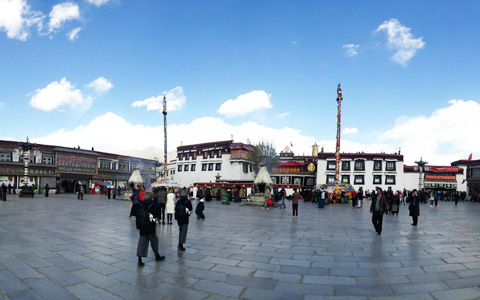
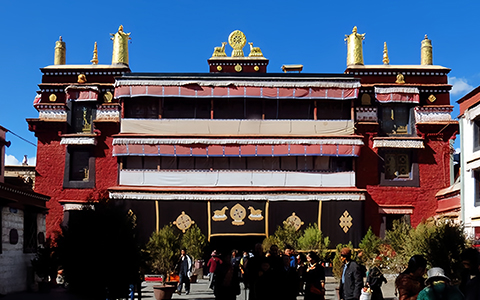
Widely revered as the “spiritual heart of Tibet”, Jokhang Temple, built by Tibetan King Songtsen Gampo, promises one of the quintessential Tibetan experiences in Lhasa. With the air filled with a palpable sense of holiness, the entire Buddhist temple acts as the focus of worship and devotion.
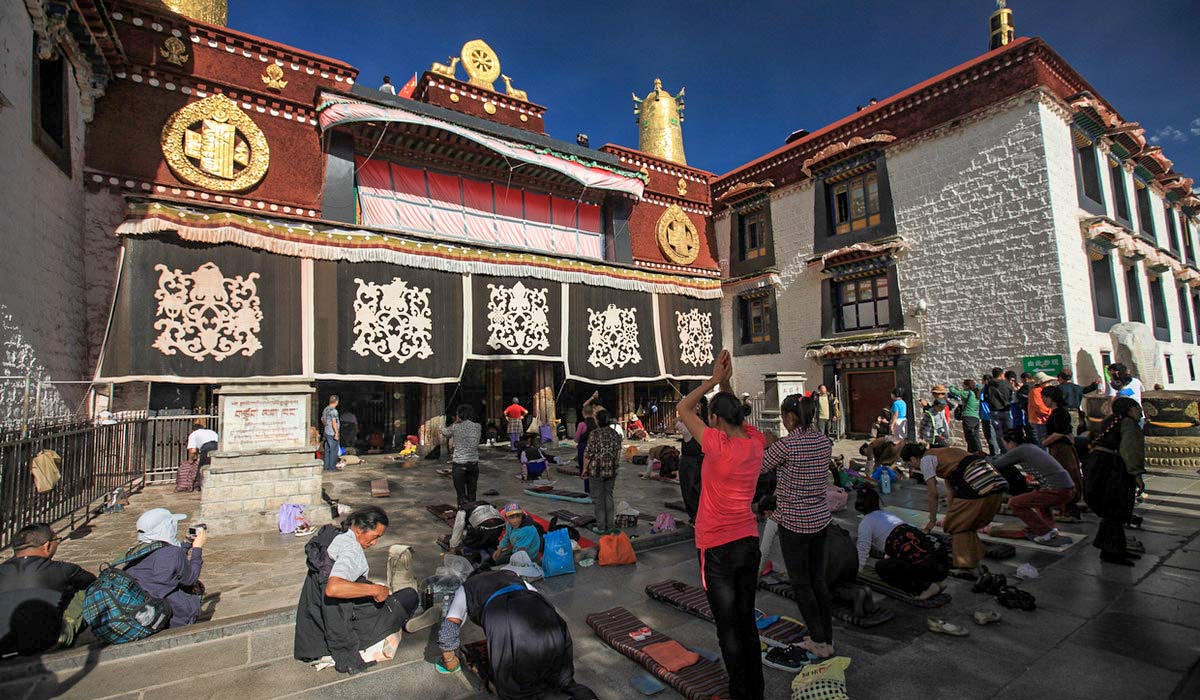
Line up with devout Tibetan pilgrims, young and old, to worship the life-size statue of 12-year-old Sakyamuni Buddha; closely explore the exquisitely-made Buddhist murals; walk through the dimly-lit religious chambers while listening to intriguing historic stories related to Songtsen Gampo and Princess Wencheng, etc. Get ready to delve into the essence of Tibetan Buddhism and culture.
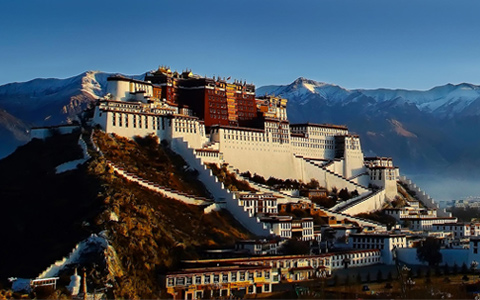
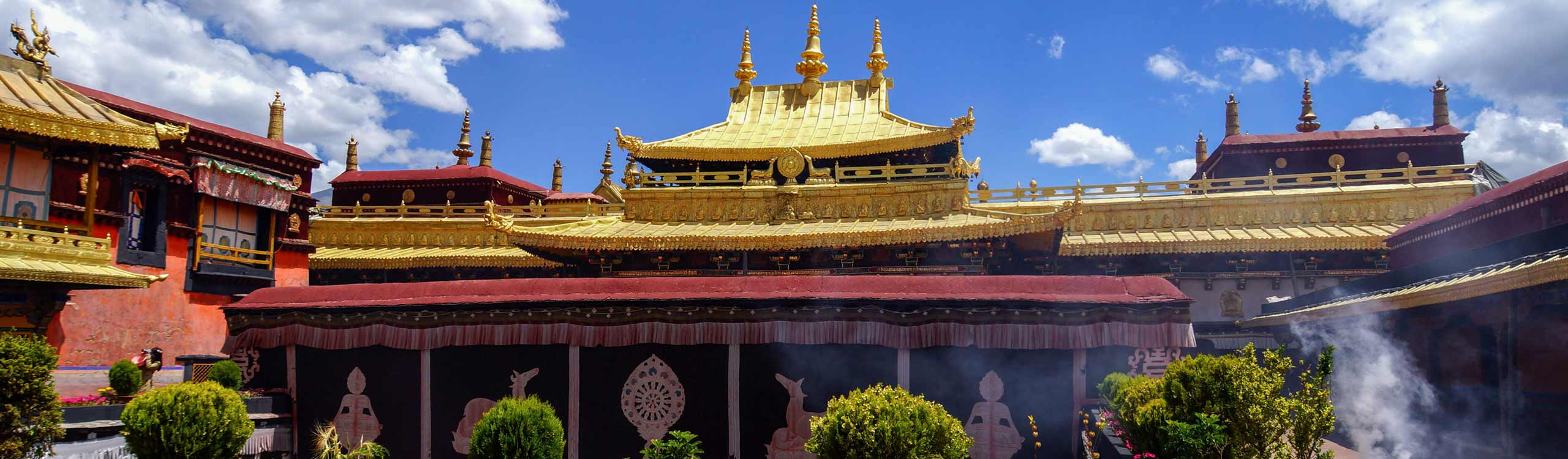
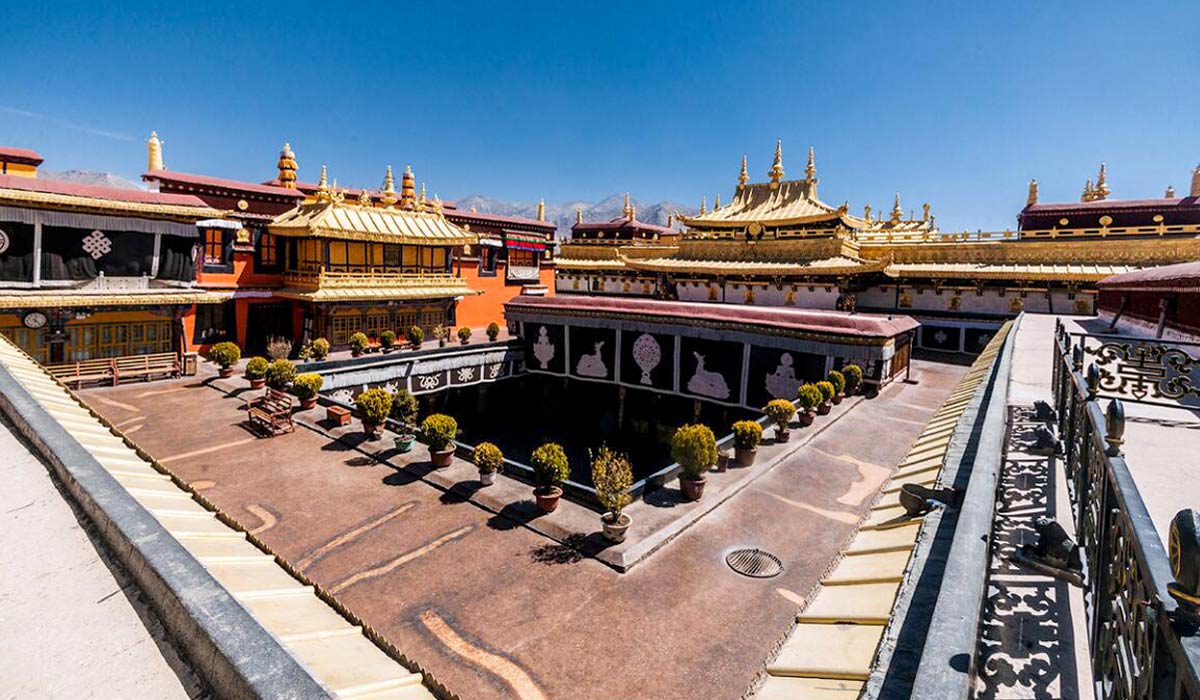
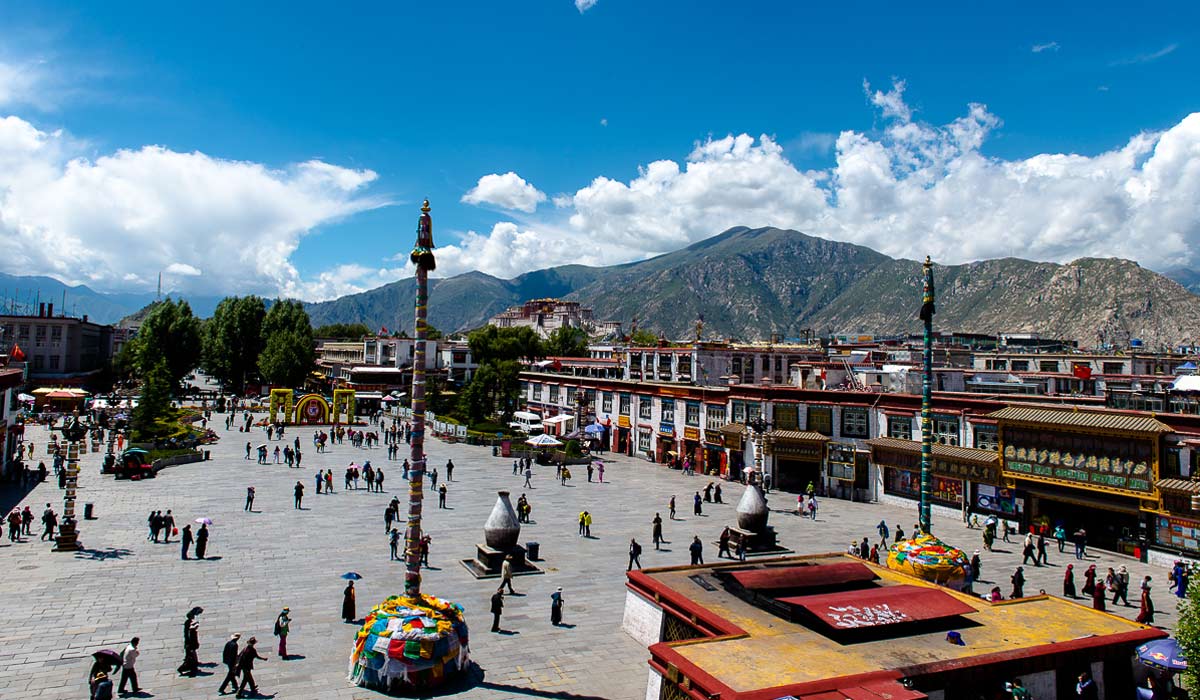
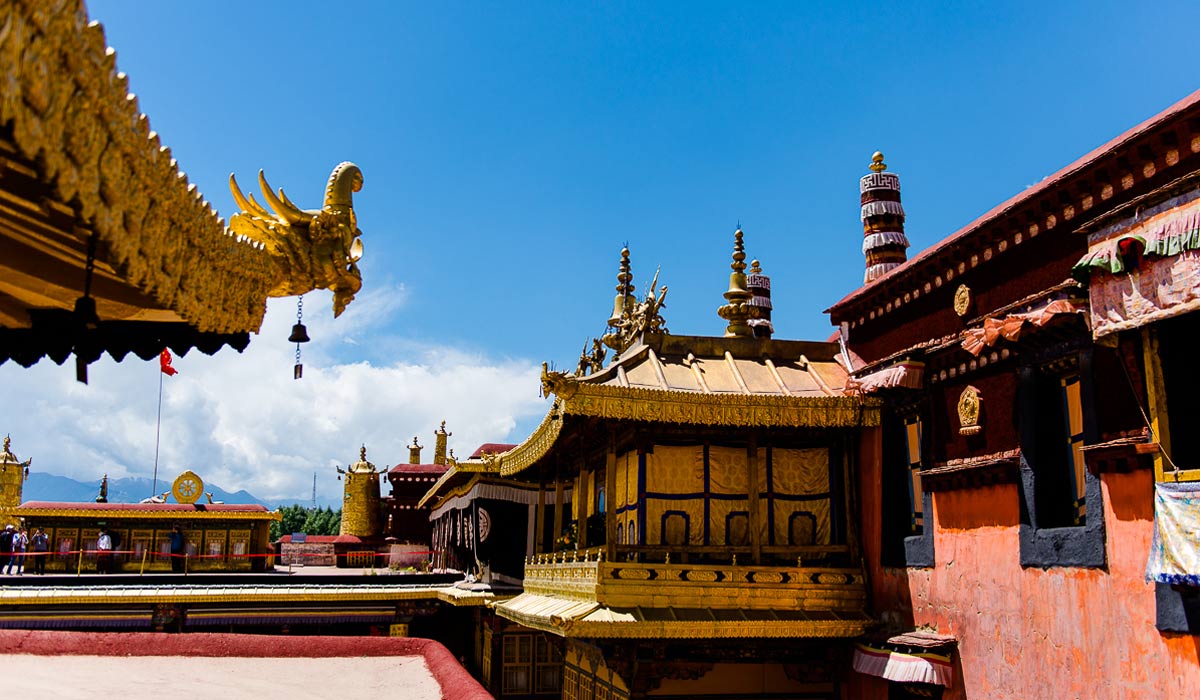
Of course, don’t forget to climb to the gold-gilded rooftop of Jokhang Temple.The reward would be the panoramic view of lively Barkhor Bazaar and the enchanting vista of Potala Palace. Please follow our in-depth guide below and make the most of Jokhang Temple tour.
Basic Facts:
Chinese name: 大昭寺 Dàzhāo Sì
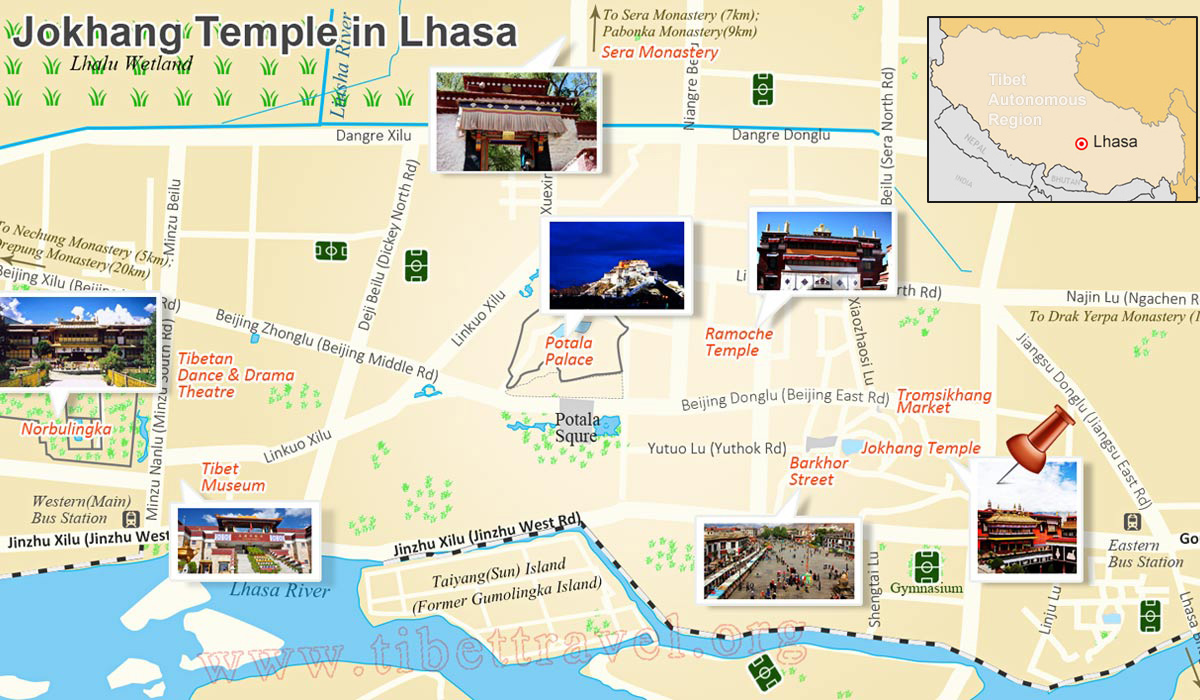
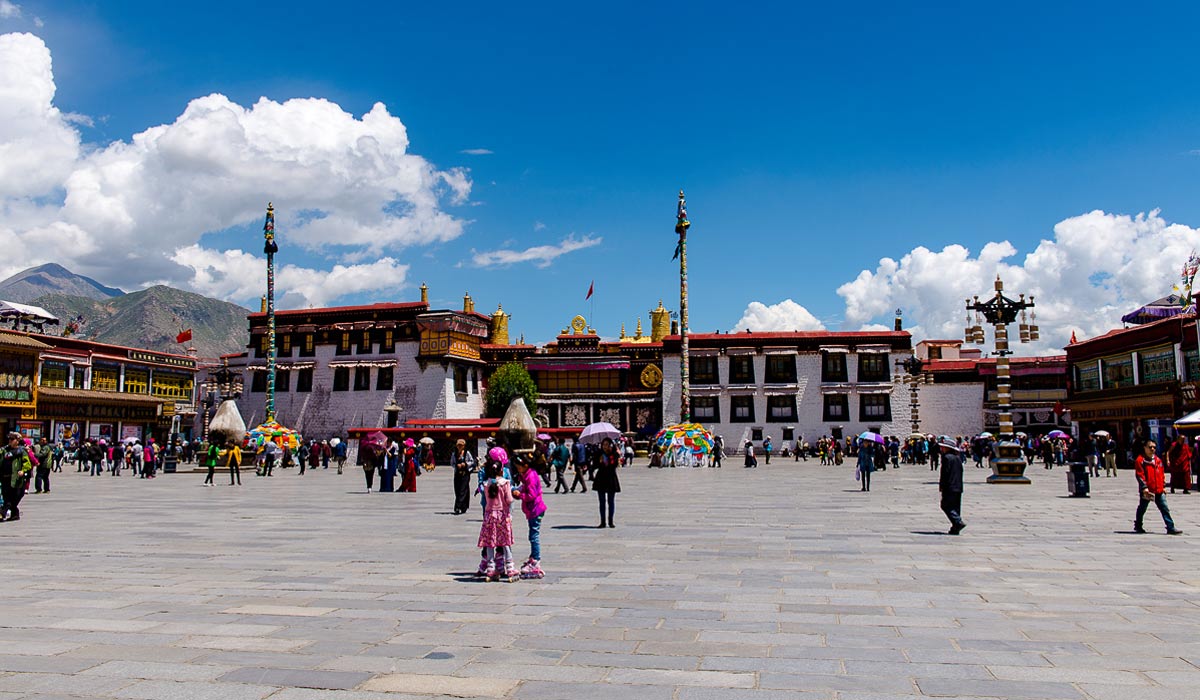
Location: Barkhor Street, Chengguan District, Lhasa;Surrounded by Barkhor Street
Altitude: 3,650 m (11,975 ft)
Builder: Songtsen Gampo (from 639 to 647 AD)
Type: UNESCO heritage site; spiritual heart of Tibet; the holiest Buddhist site in Tibet
Opening Hours & Ticket:09:00-18:00; 85CNY/Person(all year round)
Ticket Purchase Procedure: Currently, no advanced booking is needed. Our Tibetan guide will properly handle the ticket purchase.
How to Get There: You may directly walk to Barkhor Street or take Bus (No.5, No.9, No.10, No.12, No.15, etc.) and get off at Lugu Station, which is within walking distance to Jokhang Temple

Jokhang Temple Photo Gallery
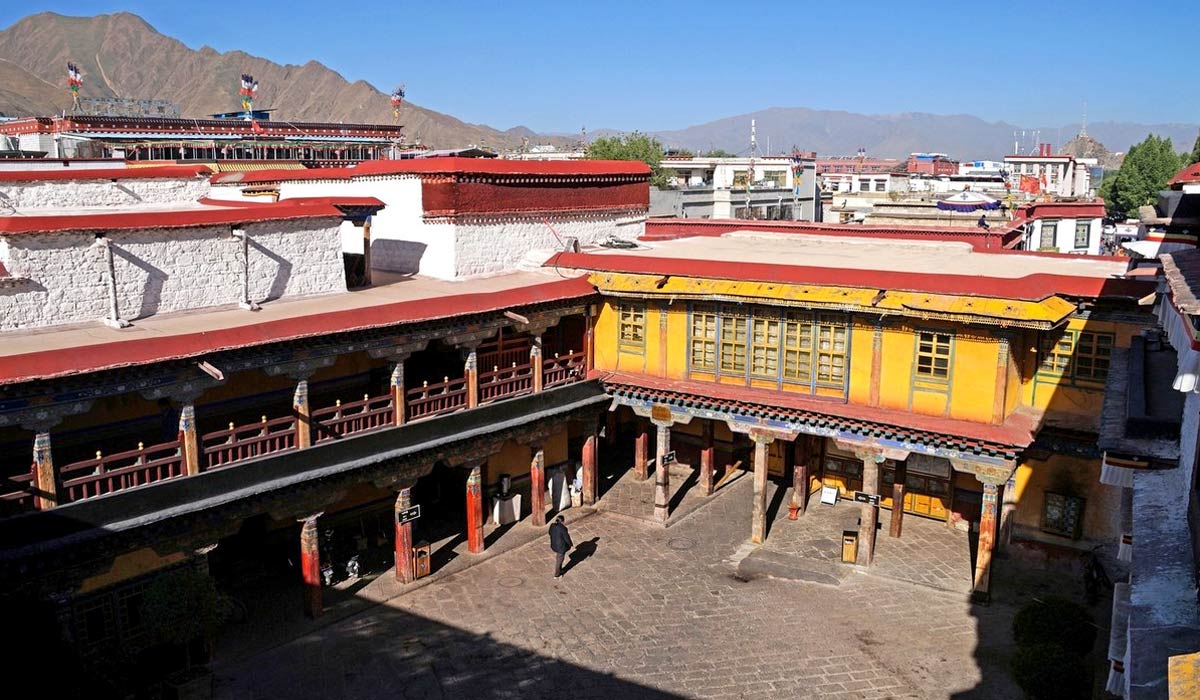
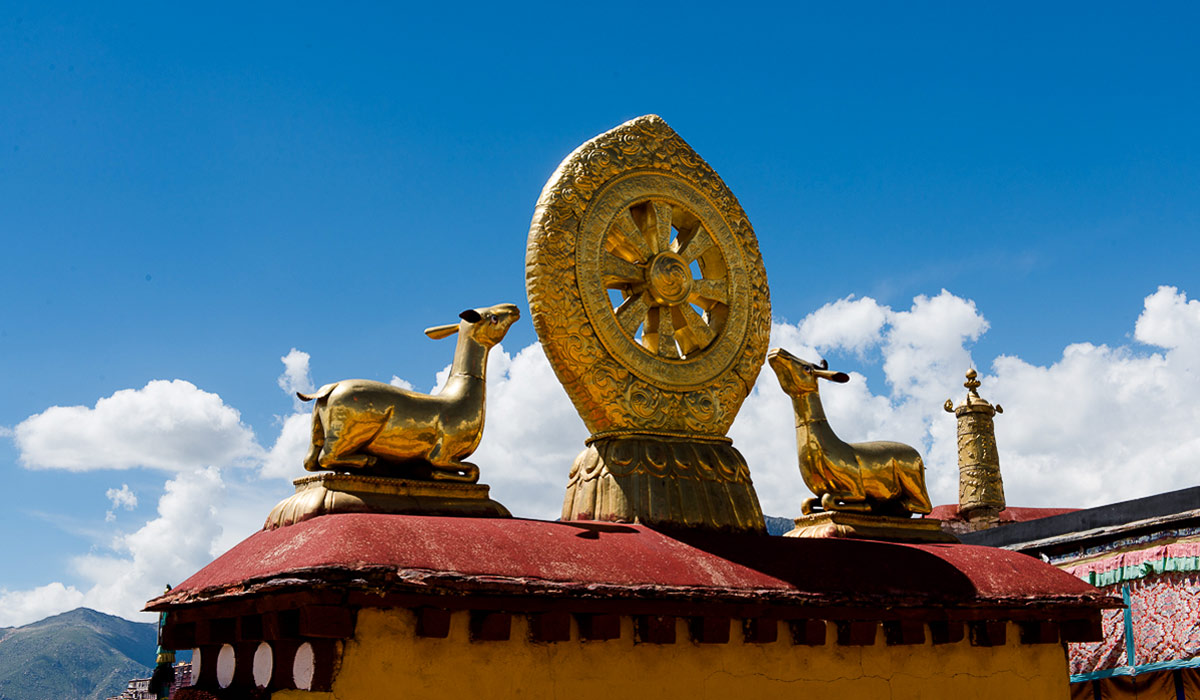
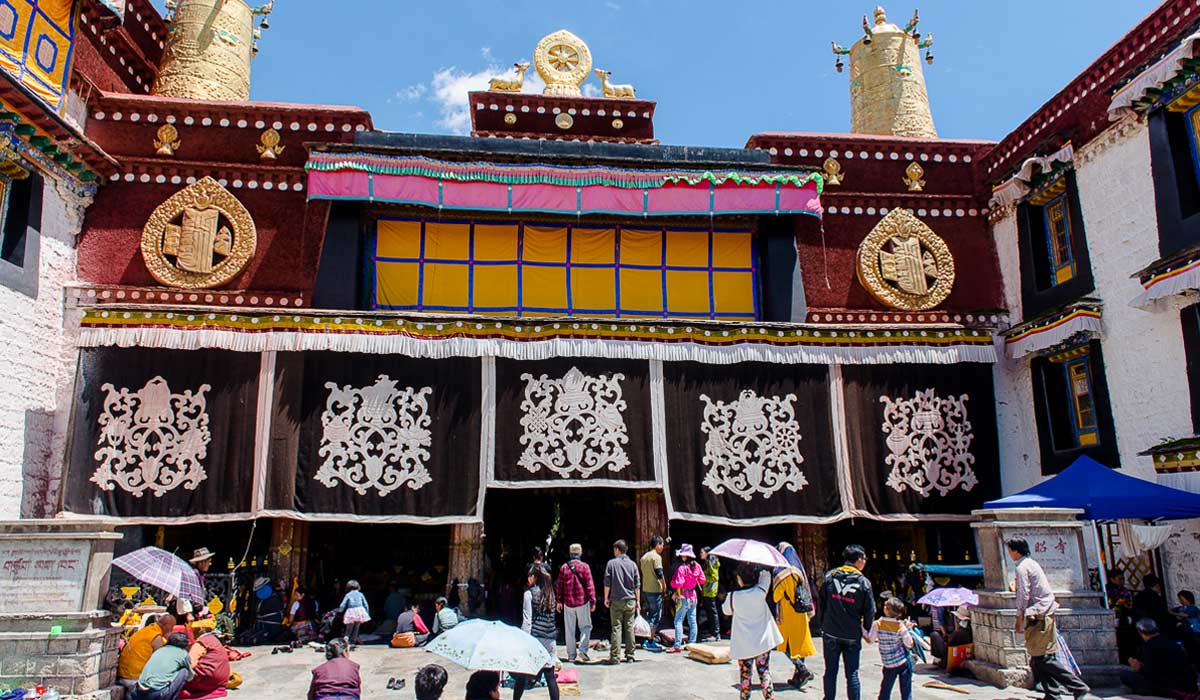
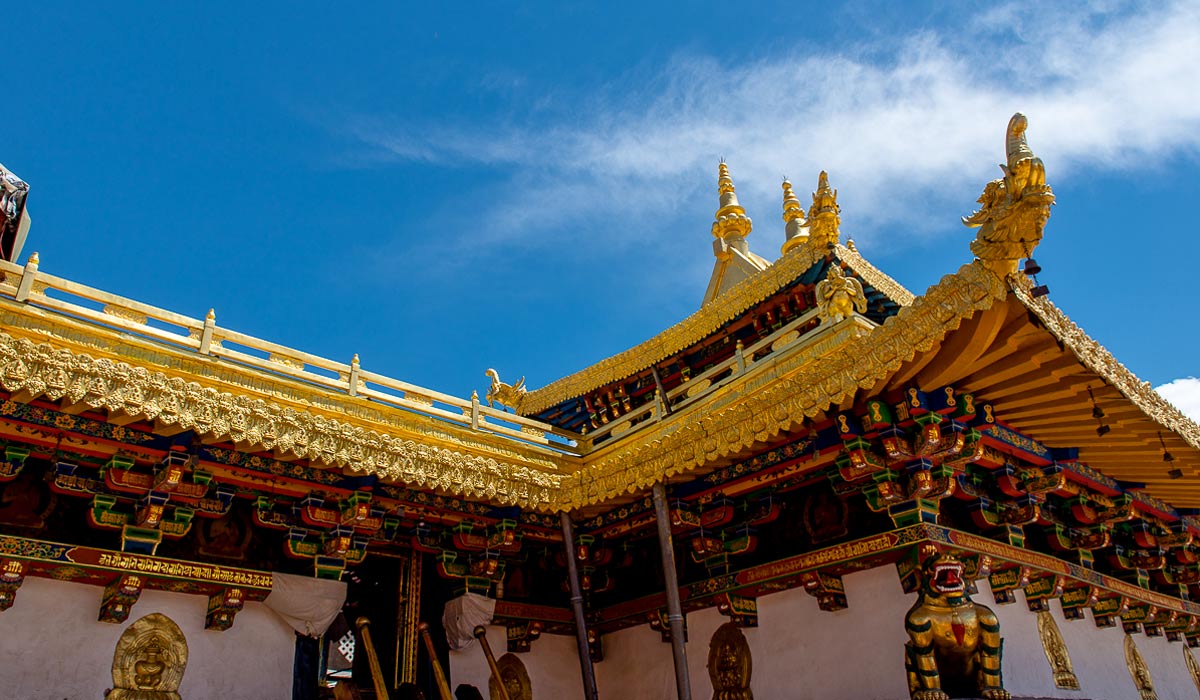
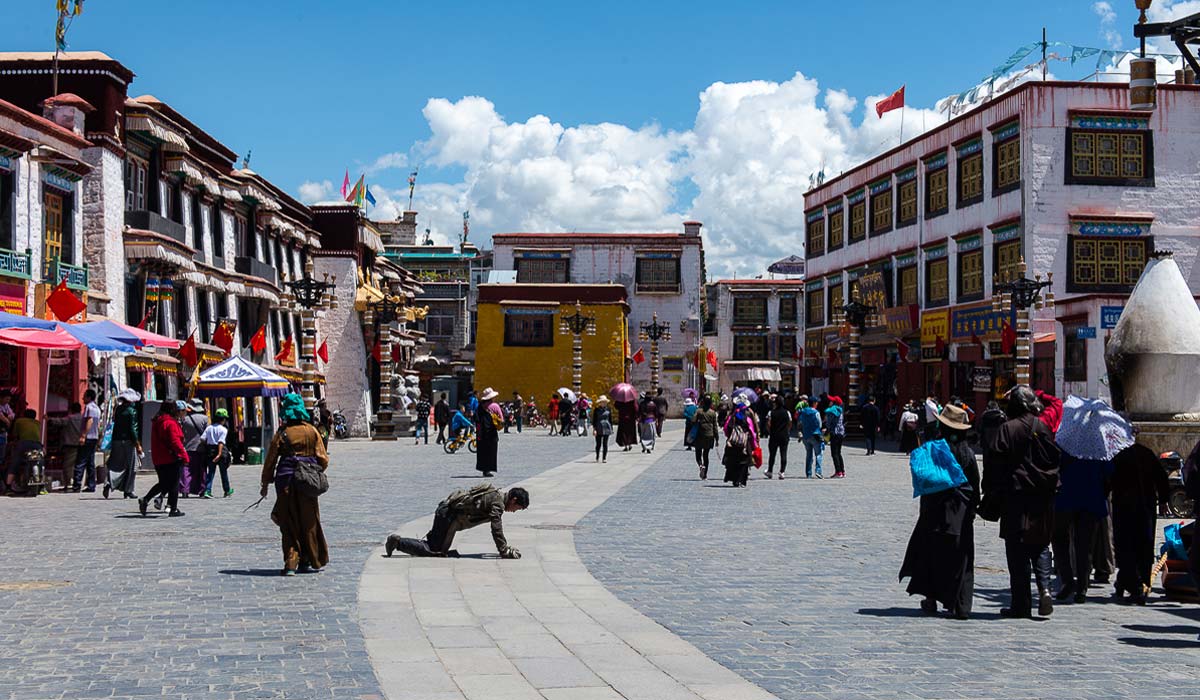
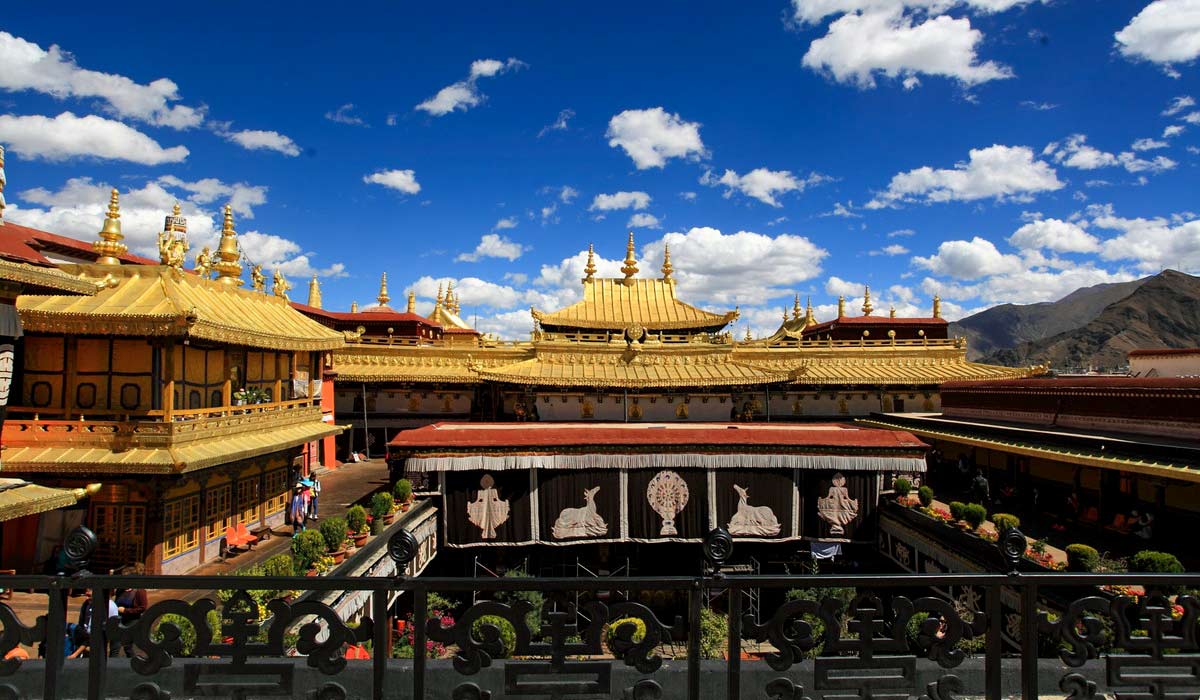
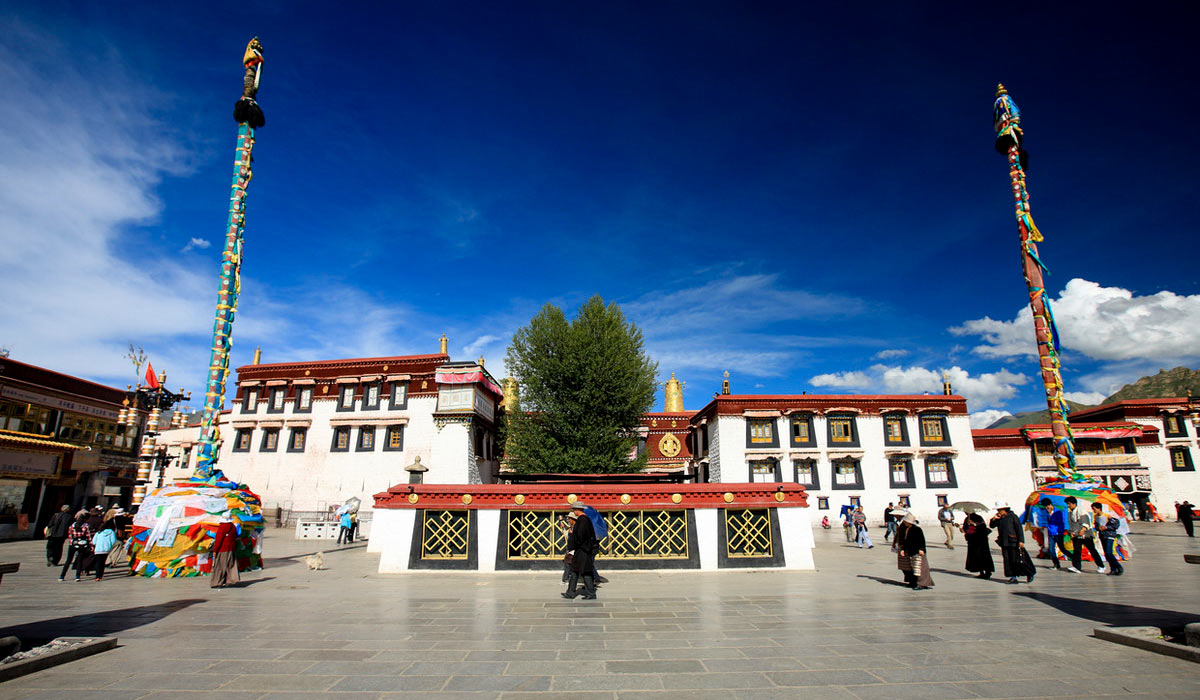
All Articles about Jokhang Temple
To make sure you can enjoy the best Jokhang Temple travel experience available, we kindly prepare the latest and most easy-to-use Jokhang Temple travel and tour guides below for you. From Jokhang Temple history to the holy Buddhas enshrined in Jokhang Temple, and its architecture and expertly-made Jokhang Temple tour plan, etc., you can follow the insider’s tip and won’t miss the tour highlights when visiting the most sacred Buddhist site in Tibet.
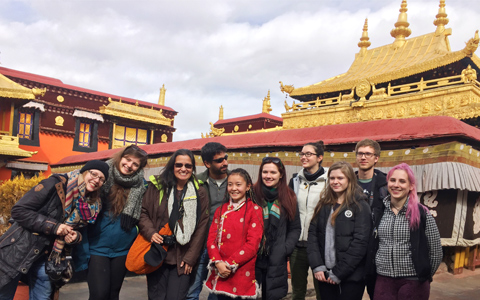 Jokhang Temple History: Legends and History of the Holiest Temple in Lhasa
Lying at about 1,000 meters to the east of the Potala Palace, the Jokhang Temple is the oldest and holiest architecture in Lhasa with a long history of 1,400 years. Being the spiritual center and the ultimate pilgrimage destination for Tibetan, it has attracted many pilgrims to worship and circumambulating around.
As the existing most resplendent architecture constructed in Tubo Period (618 AD – 842 AD), Jokhang Monastery has been rebuilt and enlarged several times before taking into the shape we see nowadays. In the past centuries, it has gone through many trials and tribulations, covering itself with more legendary veils.
View More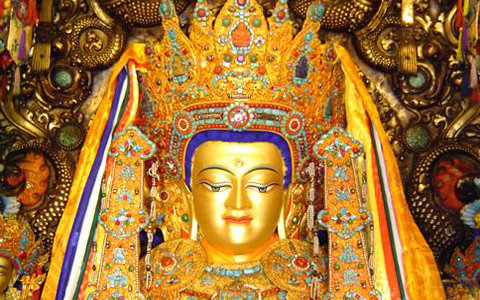 Jokhang Temple Buddha: the Highlights for Visiting Jokhang Temple
For every traveler to Jokhang Temple, the most scared statue of Buddha - The Jowo Shakyamuni is a must-see. Seated in the main hall in the ground floor, it’s prostrated by endless stream of devotees every day. Being the only one that has been blessed by Shakyamuni himself, the statue occupies the pride of the place.
Here are some of the top experiences you muse enjoy when visiting Jokhang Temple.
View More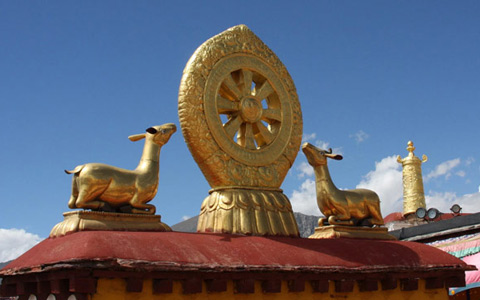 How to Plan Jokhang Temple Tour like an Expert?
In the old town of Lhasa City there sits the most sacred Buddha temple in Tibet, The Jokhang Temple. Different from other famous monasteries like Drepung, Sera and Ganden Monasteries, Jokhang Temple, though smaller, is much older and generally considered as the most sacred and important temple in Tibet.
Worshiped by most of the pilgrims in Lhasa, Jokhang Temple boasts its reputation at home and abroad, for its unshakable spiritual position in Tibetan Buddhism and the breathtaking magnificence that never faded after centuries of time. More importantly, the life-size image of 12-year-old Jowa Sakyamuni which has increasingly become the most sacred Buddha among the pilgrims in Tibetan captures more and more visitors’ hearts, making this temple definitely a popular place to go.
View More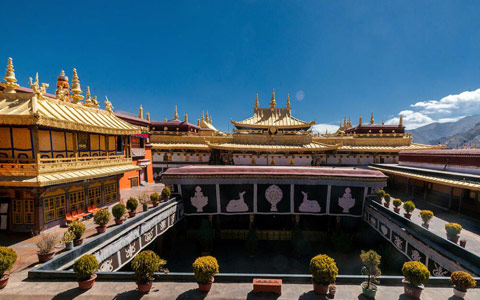 Jokhang Temple Architecture: One of the Most Glorious Buddhist Temples in Tibet
Though Potala Palace enjoys great popularity among tourists, it’s the Jokhang Temple that holds the most sacred place in the mind of local Tibetans. Besides spiritual significance, its architecture is also a prominent feature for exploration. The iconic gilded rooftop, sacred Buddhist chambers and multiple construction styles all give away the holiness and uniqueness of this historic Buddhist temple.Before your actual visit, let’s learn more of Jokhang Temple’s distinct architecture and how to appreciate it when visiting.
View MoreRecommended Tour Itineraries Including Jokhang Temple
As one of the most spiritual experiences in Tibet, Jokhang Temple always stands at the forefront of your visit in Lhasa, for its importance in Tibetan Buddhism and culture. Check the top 4 highly recommended Tibet tours that start from Jokhang Temple and beyond.
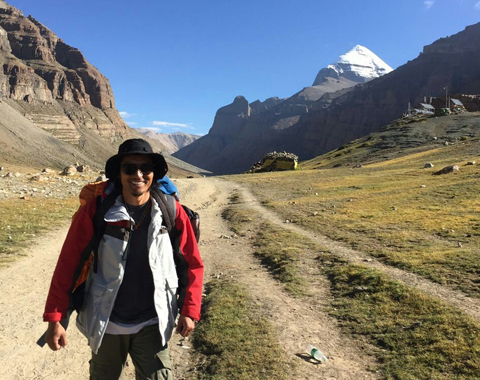 15 Days Kailash and Manasarova Small Group Tour: A pilgrim’s final fantasy and the greatest overland trip in Tibet.
Lhasa - Gyantse - Shigatse - E.B.C - Saga - Kailash Trek - Darchen - Lake Manasarovar - Saga - Gyirong - Tingri - Lhasa
from USD2059
View Details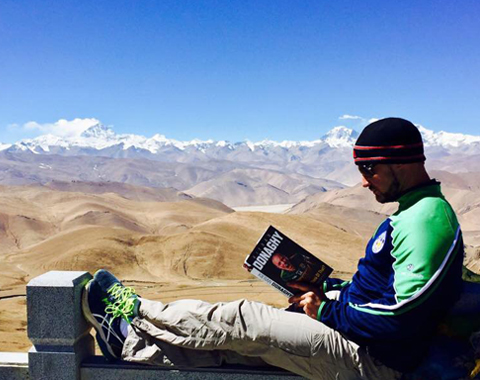 7 Days Lhasa to Kathmandu Overland Small Group Tour: Traverse from the North Side to the South Side of Mt.Everest for the Best of the Himalayas
Lhasa - Gyantse - Shigatse - Everest Base Camp - Gyirong - Kathmandu
from USD979
View Details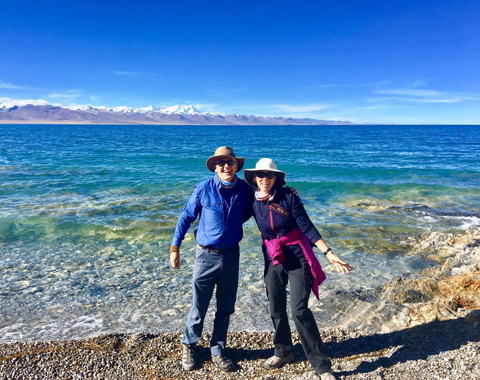 10 Days Lhasa to Everest Base Camp and Namtso Lake Small Group Tour
Lhasa - Gyantse - Shigatse - EBC - Shigatse - Lhasa - Namtso Lake - Damxung - Lhasa
from USD1289
View Details