 Search
 Pioneer of Tibet Tourism for Overseas Travelers since 1984!

Tibet Culture Facts: 15 Things to Know Before Your Tibet Trip


What makes a journey to Tibet so special is its unique Tibetan culture, shaped by Tibetan Buddhism and centuries-old highland traditions that remain deeply woven into the everyday lives of local Tibetans.
As you travel through Tibet, you’ll experience this living culture up close. From devoted pilgrims walking the kora (pilgrimage walk) around Jokhang Temple and colorful prayer flags fluttering in the wind to monks debating in ancient monasteries, vibrant Tibetan festivals, and distinctive local cuisines, every day of your journey brings you closer to the spiritual beliefs, traditions, and unique way of life that define Tibetan culture.
In this travel guide, we’ll walk you through 15 essential Tibetan culture facts to know before visiting Tibet, so you can better understand local traditions, religious beliefs, customs, and etiquette and enjoy a more meaningful and immersive journey in Tibet.
#1 Tibetan Culture Fact: You Will See Temples, Stupas, and Prayer Flags Everywhere
#2 Tibetan Culture Fact: Tibetan Buddhism Is Deeply Connected with Everyday Life
#3 Tibetan Culture Fact: Mountains and Lakes Are Sacred Places, Not Just Landscapes
#4 Tibetan Culture Fact: Many Tibetans Make Pilgrimages Across Long Distances
#5 Tibetan Culture Fact: Prayer Wheels and Prayer Flags Have Deep Meanings
#6 Tibetan Culture Fact: Monasteries Are More Than Religious Places
#7 Tibetan Culture Fact: Tibetans Have a Special Connection with Nature
#8 Tibetan Culture Fact: Yaks Are an Important Part of Tibetan Life
#9 Tibetan Culture Fact: Traditional Nomadic Life Still Exists on the Plateau
#10 Tibetan Culture Fact: Butter Tea and Tsampa Are More Than Just Food
#11 Tibetan Culture Fact: Tibetan Festivals Are Closely Connected with Religion
#12 Tibetan Culture Fact: Tibetan Art Often Tells Stories About Faith
#13 Tibetan Culture Fact: Tibetan People Value Hospitality and Respect
#14 Tibetan Culture Fact: “Tashi Delek” Is More Than Just a Greeting
#15 Tibetan Culture Fact: The Best Way to Understand Tibet Is Through Local Experiences
#1 Tibetan Culture Fact: You Will See Temples, Stupas, and Prayer Flags Everywhere
One of the first things you’ll notice when traveling through Tibet is that Tibetan Buddhist symbols are everywhere.
You may pass centuries-old monasteries and temples overlooking mountain valleys, white stupas (sacred Buddhist monuments) standing beside peaceful villages, and colorful prayer flags fluttering across mountain passes, rooftops, and sacred sites.
These sacred places and symbols are more than tourist attractions. They also carry deep spiritual and cultural meanings for us local Tibetans:
- Tibetan Monasteries & Temples: These are the spiritual hearts of our Tibetan communities. Far from being historical monuments, they are living places of worship where you may see pilgrims arriving early in the morning to pray and walk the kora (pilgrimage walk), monks debating Buddhist philosophy, and local families lighting butter lamps to make offerings and pray for blessings.
- Tibetan Stupas: You’ll spot these distinctive white Buddhist monuments throughout Tibet. Often called chortens in Tibet, they may contain sacred relics or other religious objects and symbolize the Buddhist path. Local Tibetans often walk clockwise around them while praying and making wishes for blessings.
- Tibetan Prayer Flags: Strung across windy mountain passes, monasteries, and rooftop terraces, these five-colored flags are printed with prayers, mantras, and sacred symbols. Traditionally, we believe that as the highland wind passes through them, it carries their blessings and good wishes for peace, compassion, and well-being far and wide.
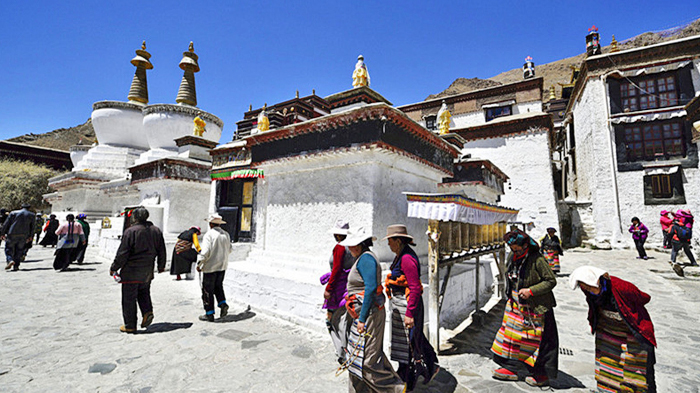 Local Tibetan pilgrims walk clockwise around the white stupas at Tashilhunpo Monastery.
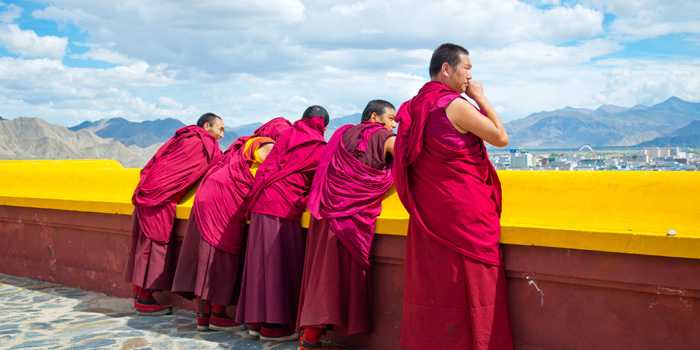

Explore Lhasa and Shigatse, the cultural heartlands of Tibet, and dive into the rich history of Tibetan Buddhism.
#2 Tibetan Culture Fact: Tibetan Buddhism Is Deeply Connected with Everyday Life
As the birthplace of Tibetan Buddhism, Tibet is a land where Buddhism is not only practiced in monasteries but also reflected in daily life, traditions, and the way people view the world.
Experience Living Faith on Lhasa’s Bustling Barkhor Street
Walk along Barkhor Street, the famous 1-km pilgrimage circuit around the sacred Jokhang Temple in Lhasa, at dawn, and you’ll see Tibetan Buddhist faith come to life before your eyes.
Local Tibetans walk clockwise around Jokhang Temple, spinning prayer wheels, chanting prayers, and many prostrate along the pilgrimage route. Nearby, devotees burn juniper branches as sacred offerings. These are not performances for visitors, but living traditions passed down through generations to express devotion, seek blessings, and accumulate merit.
Discover Faith in Tibetan Homes: A Look at the Home Altar
When you visit a traditional Tibetan home with our local Tibetan guide, you’ll often notice a home altar in an honored and peaceful part of the house. It may hold Buddha images, butter lamps, offering bowls, and other sacred objects.
In many families, the day begins by adding butter lamp oil, filling small offering bowls with fresh water, burning fragrant Tibetan incense, and saying prayers. These simple rituals express devotion and gratitude and are a natural part of everyday life for many Tibetan families.
Explore Tibetan Faith through Values and Celebrations
Because of Tibetan Buddhism, many of our values and celebrations center around compassion and karma (the belief that good deeds bring positive results).
When we celebrate traditional Tibetan festivals like Saga Dawa, which commemorates Sakyamuni Buddha’s birth, enlightenment, and entry into nirvana, locals will gather to release fish back into rivers, feed stray animals, offer butter-lamp oil at monasteries, and make donations.
These acts of compassion and generosity reflect our deep respect for life and are deeply rooted in Tibetan Buddhist teachings and continue to influence how many Tibetans understand and experience the world around them.
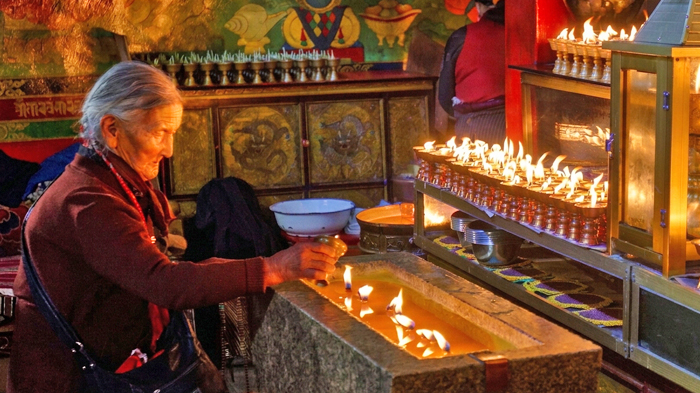 Tibetan pilgrims offering butter lamp oil at a Tibetan Monastery.
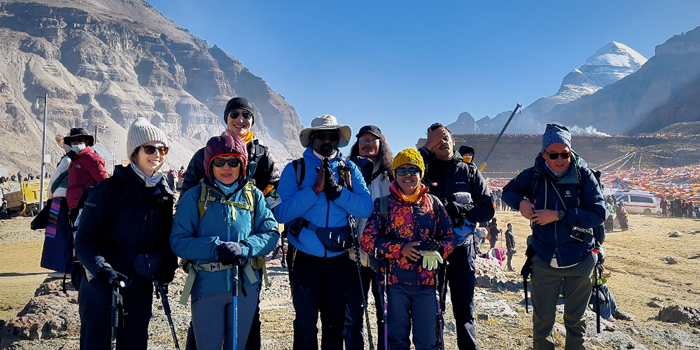
Time your visit to sacred Mt.Kailash and Lake Manasarovar during the joyous Saga Dawa Festival to experience unique festivities.
#3 Tibetan Culture Fact: Mountains and Lakes Are Sacred Places, Not Just Landscapes
As you travel across Tibet, you’ll marvel at some of the most breathtaking mountains and lakes on the vast Tibetan Plateau.
But for us Tibetans, they are far more than beautiful scenery. These mountains and lakes are sacred, believed to be home to deities and spiritual protectors, and deeply connected with Tibetan Buddhist faith, pilgrimage, and prayer. For example:
- Mount Kailash: Revered as the “Center of the Universe” by Tibetans, Hindus, Jains, and Bon followers, Mount Kailash is Tibet’s holiest mountain and one of the world’s most sacred pilgrimage destinations in remote western Tibet. Tibetan pilgrims walk or prostrate themselves around the mountain in a sacred kora (pilgrimage trek) to show devotion, gain blessings, and purify negative karma.
- Lake Manasarovar: Nestled right beside Kailash lies Lake Manasarovar, Tibet’s holiest lake and an important pilgrimage site. Its pure waters are believed to have magical power to cleanse sins of a lifetime. So, pilgrims come here to meditate, pray, make offerings, and perform rituals along the lakeshore. For many, visiting Lake Manasarovar is a sacred journey to purify one’s soul, receive blessings, and deepen their spiritual practice.
- Namtso Lake: At over 4,700 meters, sacred Namtso, the “Heavenly Lake,” dazzles with deep-blue waters beneath the snow-capped Nyenchen Tanglha Mountains. Regarded as a sacred lake goddess and spiritual partner of the Nyenchen Tanglha mountain deity, Namtso draws pilgrims to pray and walk the kora, while travelers come for its spectacular lake, mountain views, and a glimpse of traditional nomadic life around the lake.
- Yamdrok Lake: Famous for its brilliant turquoise waters and winding shape, Yamdrok is one of Tibet’s most sacred lakes, traditionally believed to bring blessings and help protect the land and its people. You can admire its dazzling waters from high mountain passes, see colorful prayer flags fluttering above the lake, and snap a photo while riding on a lovely Tibetan yak.
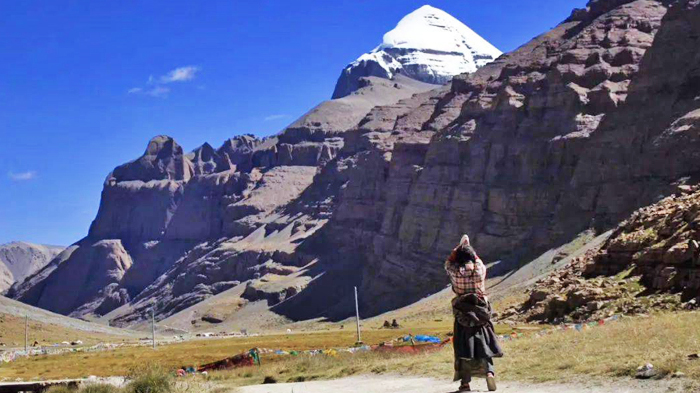 Devoted pilgrims prostrate along the sacred Mount Kailash kora.
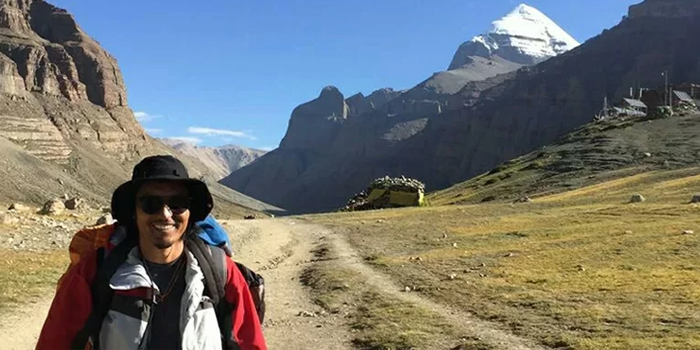
Enjoy the classic 15-day Lhasa to Mt. Kailash and Mansarovar small group tour to explore the magic of the holy peak and lake.
#4 Tibetan Culture Fact: Many Tibetans Make Pilgrimages Across Long Distances
For both first-time visitors and return travelers, one of the most moving sights in Tibet is seeing pilgrims making their way toward sacred destinations. Some pilgrimages last only a few days, while others can continue for weeks or even months.
- Walking Across the Plateau: Some pilgrims travel hundreds, or even thousands, of kilometers from Sichuan Province to Lhasa on foot, crossing high mountain passes and remote landscapes while carrying only basic essentials.
- Circling Sacred Mountains and Lakes: Reaching a holy place is often only part of the pilgrimage. You may see pilgrims walking around sacred mountains such as Mount Kailash, or holy lakes such as Namtso. This ritual circuit is called a kora (pilgrimage walk), and Tibetan pilgrims traditionally walk clockwise around the sacred site to show their faith and devotion.
- Making Full-Body Prostrations: Perhaps the most unforgettable sight is seeing pilgrims perform full-body prostrations. They bow down, lower themselves to the ground, stretch their bodies forward, rise, take a few steps, and repeat. Some devoted pilgrims continue this practice over great distances, with journeys to sacred destinations such as Lhasa taking months or even longer.
For pilgrims, the journey is about much more than reaching a destination. Every step, kora, and prostration can be an act of devotion, a way to purify negative karma, and part of a deeply personal spiritual journey.
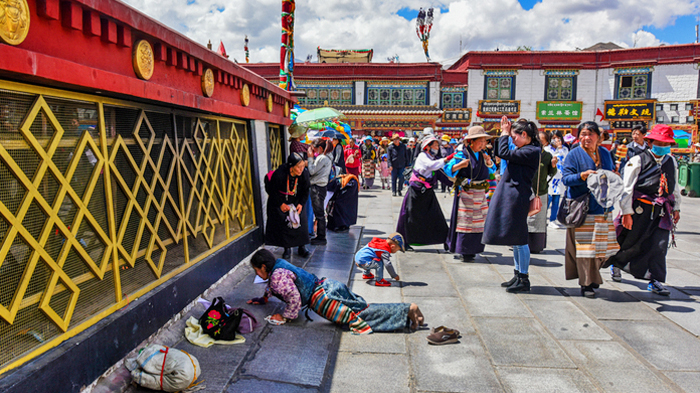 A Tibetan pilgrim performing full-body prostrations around Jokhang Temple in Lhasa.
#5 Tibetan Culture Fact: Prayer Wheels and Prayer Flags Have Deep Meanings
From windswept mountain passes to peaceful Tibetan monastery courtyards, you’ll often see colorful prayer flags fluttering in the breeze and locals gently spinning prayer wheels. At first glance, they may look like beautiful decorations adding color to the Tibetan landscape.
But for us local Tibetans, prayer flags and prayer wheels are much more than decorations. They are meaningful expressions of faith, carrying prayers, blessings, and good wishes.
- Tibetan Prayer Wheels: Prayer wheels contain or are inscribed with Buddhist mantras and sacred prayers. Tibetans traditionally spin them clockwise while walking a kora or visiting a monastery. Turning a prayer wheel is a way to offer prayers, accumulate merit, and wish for blessings for themselves and all living beings.
- Tibetan Prayer Flags: The five-colored prayer flags you see fluttering across Tibet are printed with Buddhist prayers, mantras, and auspicious symbols. Traditionally, our Tibetans believe that as the wind passes through the flags, the prayers and blessings are carried outward, spreading peace, compassion, good fortune, and well-being to all beings.
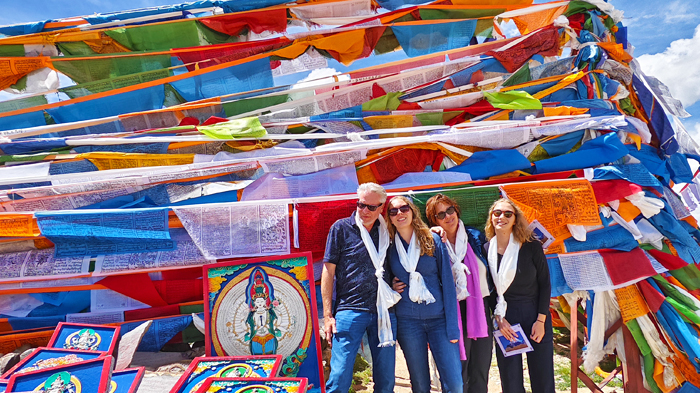 Our guests pose for photos as colorful Tibetan prayer flags flutter in the wind.
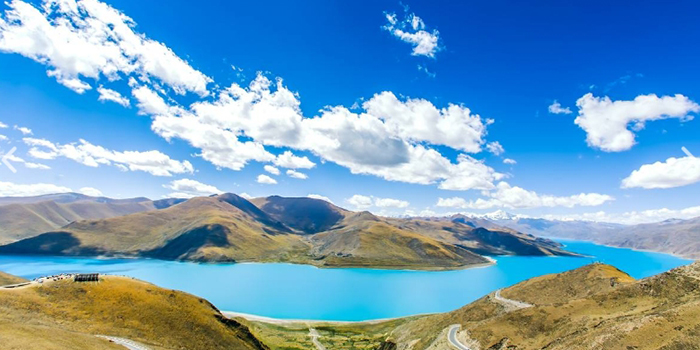
Seamlessly combine a classic Lhasa tour with an exciting day trip to Yamdrok Lake.
#6 Tibetan Culture Fact: Monasteries Are More Than Religious Places
Step inside a Tibetan monastery, and you are entering much more than a place of prayer. For centuries, monasteries and temples have also been centers of learning, art, philosophy, and cultural heritage, helping preserve Tibetan traditions from one generation to the next.
Beyond seeing monks chanting and pilgrims making offerings, look a little closer, and you can discover many different sides of Tibetan culture:
- Learning & Philosophy: Traditionally, monasteries have been important centers of Buddhist education. At Sera Monastery in Lhasa, you can watch the iconic Tibetan monk debates in the debating courtyard (around 15:00–17:00, except Sunday). Monks use lively gestures, dramatic claps, prayer beads, and rapid-fire questions to test one another’s knowledge and deepen their understanding of Buddhist philosophy.
- Art & Heritage: Inside monasteries and temples, you’ll discover colorful murals, intricate Thangka paintings, Buddhist statues, ancient scriptures, and beautiful traditional architecture. At Jokhang Temple in Lhasa, this centuries-old heritage is still part of everyday spiritual life, as pilgrims pray, make offerings, and walk the Barkhor kora around the temple.
- History & Tradition: Monasteries also preserve centuries of Tibetan history and Buddhist traditions. Tashilhunpo Monastery in Shigatse, the traditional seat of the Panchen Lamas (Great Scholars in Tibetan Buddhism), is a wonderful place to experience this living heritage through its main assembly halls, sacred Buddhist art, and the daily monastic life.
So when you visit a Tibetan monastery, please take your time to listen to the chanting, observe the monks and pilgrims, admire the murals, and notice the small details around you. Each offers another window into Tibetan history, beliefs, art, and way of life.
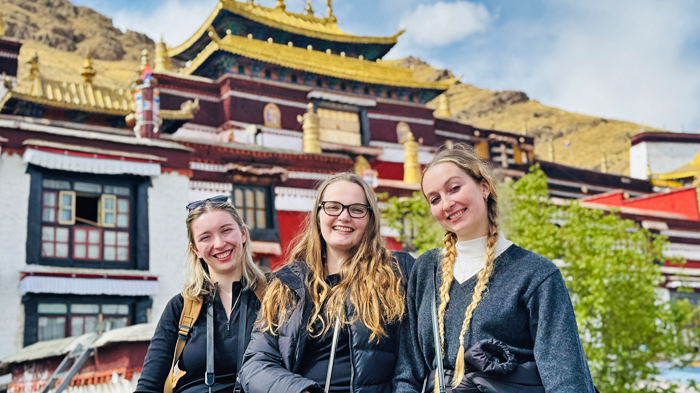 Our guests explored the prestigious Tashilhunpo Monastery in Shigatse.
Explore Lhasa and Shigatse, the cultural heartlands of Tibet, and dive into the rich history of Tibetan Buddhism.
#7 Tibetan Culture Fact: Tibetans Have a Special Connection with Nature
Growing up on the Tibetan Plateau means learning to live with a challenging natural environment. Instead of seeing nature as something to conquer, we Tibetans traditionally value living in harmony with it, respecting sacred mountains and lakes, adapting to the seasons, and taking only what we need.
You can see this connection in many parts of Tibetan life:
- Respect for Sacred Landscapes: All mountains, lakes, and rivers are considered sacred in Tibet. Rather than climbing a sacred mountain or swimming in a holy lake, pilgrims may walk around it on a kora (pilgrimage trek), showing our deep respect through prayer and pilgrimage.
- Care for Animals and Life: Tibetan Buddhism teaches compassion for all forms of life. Feeding animals, releasing captive animals, and avoiding unnecessary harm are traditional ways we Tibetans show kindness and respect for life.
- Adapting to Life on the Tibetan Plateau: For generations, Tibetans have learned to live with the Tibetan Plateau’s high altitude and changing seasons. Herders move between seasonal pastures, raise Tibetan yaks on high-altitude grasslands, and make full use of what yaks provide, from yak meat, milk, and butter for food to yak hair for everyday items and dried dung for fuel. It shows how we Tibetans live in harmony with nature.
#8 Tibetan Culture Fact: Yaks Are an Important Part of Tibetan Life
While exploring Tibet, you’ll often see Tibetan yaks grazing across vast grasslands, wandering near nomadic camps, or carrying supplies through remote mountain areas. They are perfectly adapted to Tibet’s alpine climate, high altitude, and rugged landscapes.
For us Tibetans, yaks are much more than an iconic animal. They have been an essential part of life on the high plateau for generations, providing food, warmth, transportation, and many everyday necessities.
Besides, almost every part of the Tibetan yak can be put to good use:
- Food: Yak meat is our staple food on the plateau, packed with protein and essential nutrients to keep us warm through the crisp mountain air. We enjoy it fresh, cooked in hearty local stews, or naturally air-dried during the winter months. For Tibetan nomads, selling surplus yak meat at village markets is also an essential source of livelihood for families.
- Milk & Butter: Yak milk is traditionally used to make butter, yogurt, and cheese. The butter is also an important ingredient in Tibetan butter tea and is used to fuel butter lamps in monasteries and Tibetan homes.
- Wool & Hair: Yak wool and hair are strong and warm. Traditionally, they are used to make blankets, ropes, traditional Tibetan clothing (Chuba), and nomadic tents.
- Transportation: In remote mountain and pastoral areas, yaks have long been used to carry food, tents, and other supplies, especially where vehicles can’t reach.
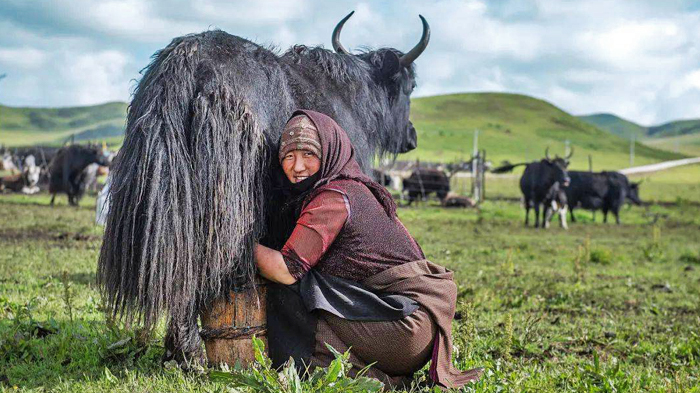 A Tibetan woman is milking a yak on the vast grasslands of the Tibetan Plateau.

Enjoy a well-paced journey from Lhasa to heavenly Namtso Lake on the northern Tibetan Plateau.
#9 Tibetan Culture Fact: Traditional Nomadic Life Still Exists on the Plateau
Traditionally, the Tibetan Plateau’s high altitude, limited farmland, and vast grasslands have made livestock herding an important way of life for many Tibetans. In pastoral areas, Tibetan nomads raise yaks, sheep, and goats, relying on their animals for food, income, and many everyday necessities.
Today, it is estimated that around 25% of Tibet’s population is still engaged in pastoral or nomadic herding across Tibet’s vast grasslands, where herding families move with their livestock between seasonal pastures.
- Life on the Grasslands: The vast grasslands of the Tibetan Plateau provide natural pastures for yaks, sheep, goats, and other livestock. In major northern pastoral regions like the Changtang Grassland and Nagqu Grasslands, Tibetan nomadic families have traditionally followed the rhythm of nature, moving between seasonal pastures and relying on their animals for food, income, and daily necessities for generations.
- Yak Herding: Yaks are at the heart of traditional Tibetan nomadic life. For generations, herding families have relied on them for milk, butter, meat, wool, and hair, as well as for carrying food, tents, and supplies across remote areas of the Tibetan Plateau.
- Moving with the Seasons: Following the rhythm of nature, Tibetan nomadic families traditionally move with their herds between seasonal pastures, choosing grazing areas according to the changing weather and grass conditions across the high plateau.
- Living Nomadic Culture: Tibetan nomadic culture goes beyond herding animals. For generations, pastoral families have preserved a unique way of life shaped by the high plateau, including traditional clothing, yak-hair tents, horsemanship, horse-racing festivals, and storytelling traditions such as the legendary tales of King Gesar, a heroic Tibetan King celebrated for his courage, wisdom, and protection of his people.
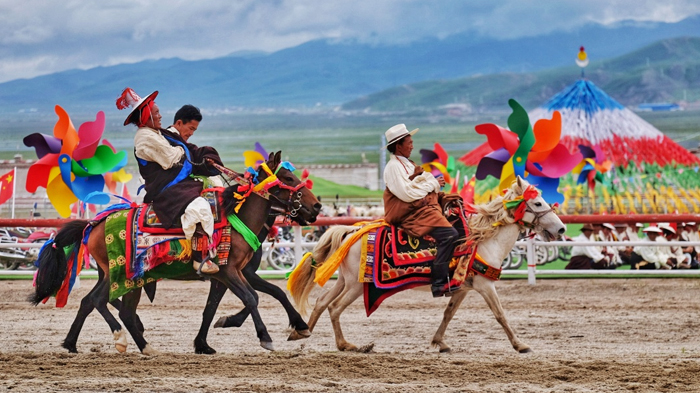 Tibetan nomads showcase stunning horsemanship during the Damxung Horse Racing Festival.

Experience impressive horsemanship and vibrant festivities during the Nagqu Horse Racing Festival.
#10 Tibetan Culture Fact: Butter Tea and Tsampa Are More Than Just Food
When you visit a Tibetan home, monastery, or local family, one of the warmest welcomes you may receive is a cup of Tibetan butter tea and a bowl of Tsampa (roasted barley flour). For us Tibetans, these are deeply connected with our lifestyle, traditions, and hospitality on the high plateau.
- Tibetan Butter Tea: Made with tea, yak butter, milk, and salt, butter tea is an important part of daily life in Tibet. It provides warmth, energy, and comfort, which are especially valuable in the cold, high-altitude environment of the Tibetan Plateau. Our Tibetan families enjoy it throughout the day, often sharing cups with family, friends, and guests. Offering butter tea is also a traditional way to express friendship, respect, and hospitality.
- Tsampa: Made from roasted barley flour, Tsampa has been a staple food for us Tibetans for generations. It is easy to store, nutritious, and well suited to life on the plateau. Traditionally, Tibetans mix Tsampa with butter tea, yak butter, and sometimes dried cheese to make a simple but filling meal. For nomadic families and travelers, Tsampa has long provided energy during long journeys across the grasslands and mountains.
- A Symbol of Tibetan Hospitality: In Tibetan culture, sharing food and drinks is a meaningful way to connect with others. When a local family offers you Butter tea, Tsampa or dried Yak meat, it is a warm gesture of friendship, respect, and welcome.
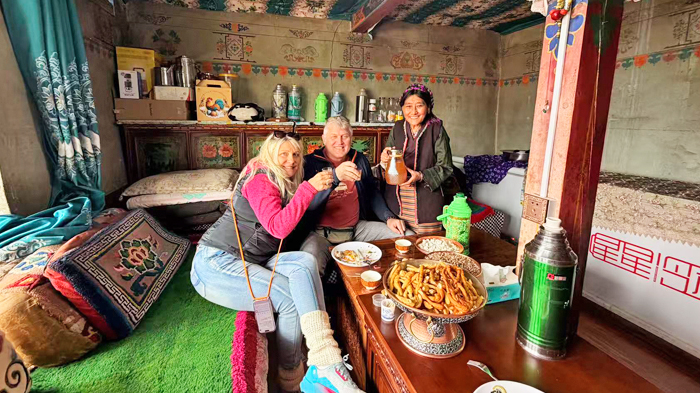 Our guests enjoy a traditional Tibetan meal at a local family restaurant on the way from Lhasa to Shigatse.

Enjoy the classic 8-day Lhasa to Tibet Everest Base Camp tour to fulfill your Everest dream.
#11 Tibetan Culture Fact: Tibetan Festivals Are Closely Connected with Religion
If you happen to visit Tibet and experience one of its vibrant traditional Tibetan festivals, you will soon discover that these celebrations are much more than colorful gatherings. They are heartfelt expressions of Tibetan faith, traditions, and community life.
In fact, we Tibetans see festivals as special times to pray for blessings, show gratitude, gather with loved ones, and keep ancient traditions alive. Many of our festivals are closely connected with Tibetan Buddhism, honoring important religious events, stories, and teachings of the Buddha, and customs passed down through generations.
Here are three of the most famous festivals in Tibet:
- Saga Dawa Festival: Saga Dawa (Late May or Early June) is one of the most sacred Buddhist festivals in Tibet. It commemorates the birth, enlightenment, and passing into nirvana of Sakyamuni Buddha. During this month, our Tibetans will spend more time praying, visit monasteries for blessings, walk the sacred kora (pilgrimage trek) around holy Mt. Kailash, release fish into rivers, make donations, and perform acts of kindness as expressions of compassion and faith.
- Shoton Festival: Shoton (August), also known as the Yogurt Festival, is one of the most lively traditional celebrations in Lhasa. Historically, it began as a time when local people offered yogurt to monks after they completed their summer retreat. Today, you can experience the famous unveiling of a giant Buddha Thangka at Drepung Monastery, enjoy Tibetan opera performances, and join Linka (traditional Tibetan picnics) at Norbulingka Park, where families gather, share fresh yogurt and chewy Tibetan snacks, and celebrate together.
- Losar (Tibetan New Year): Losar (Feb) is the most important traditional festival in Tibet and marks the beginning of the Tibetan New Year. Before the celebration, families clean their homes, prepare special foods such as Guthuk (traditional noodle soup), and make offerings and perform rituals to welcome a fresh start.
During Losar, locals will visit monasteries, pray for blessings, gather with family and friends, share festive meals, and exchange wishes for happiness and prosperity in the year ahead. In Lhasa, you can also see the celebrations, including colorful Tibetan opera performances, horse racing, and traditional archery contests.
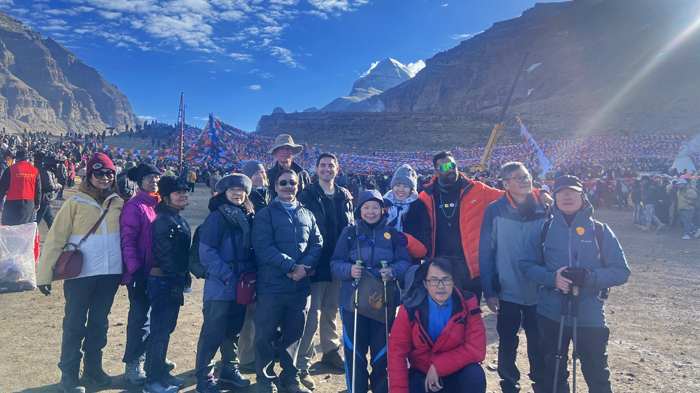 Our guests join locals in a joyful Saga Dawa celebration around Mt. Kailash.
Time your visit to sacred Mt.Kailash and Lake Manasarovar during the joyous Saga Dawa Festival to experience unique festivities.
#12 Tibetan Culture Fact: Tibetan Art Often Tells Stories About Faith
When exploring Tibet, you will find that art is deeply connected with Tibetan Buddhist beliefs. From colorful Thangkas (Tibetan Buddhist scroll painting) and monastery murals to detailed sculptures and traditional incense, each form of art carries stories of faith, wisdom, and compassion passed down through generations.
- Tibetan Thangka: Thangkas are traditional Tibetan Buddhist paintings, usually created on cotton or silk. They often show Buddhas, Buddhist masters, mandalas, and stories from Buddhist teachings. Traditionally, they are used for meditation, learning, and religious ceremonies.
- Murals & Sculptures: Inside Tibetan monasteries, colorful ancient murals and detailed Buddhist sculptures tell stories of Buddhist teachings, important figures, and the journey toward wisdom and compassion. Every detail, from the colors to the symbols, carries a deeper meaning.
- Tibetan Incense: Made from natural herbs and plants, traditional Tibetan incense is closely connected with faith and daily life. You’ll often smell its gentle fragrance in monasteries and Tibetan homes, where it is burned as an offering and during prayer and meditation, helping create a peaceful and sacred atmosphere.
Insider Tips: For a deeper cultural experience, our guests can join a hands-on session to learn about Tibetan incense traditions and try making your own incense with guidance from our Tibetan cultural expert. Please feel free to inquire about more cultural activities.
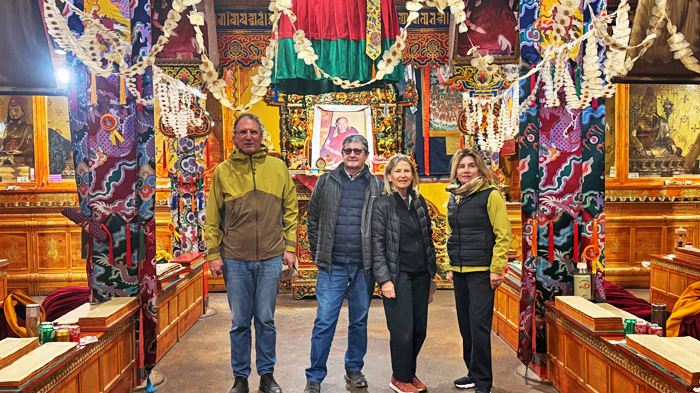 Our guests admire Thangka paintings in the assembly hall of Drepung Monastery.
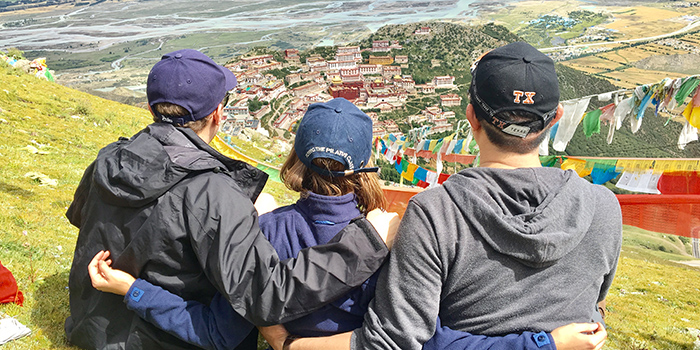
Discover Lhasa's top three Gelugpa monasteries in just one week.
#13 Tibetan Culture Fact: Tibetan People Value Hospitality and Respect
Beyond Tibet’s breathtaking landscapes and ancient monasteries, you will also discover a Tibetan culture where hospitality and respect are deeply valued. For us Tibetans, welcoming a guest is more than offering food or drinks. It is a way to express kindness, friendship, and a genuine connection with others.
When you visit a local Tibetan family with our local Tibetan guide, you will often be warmly welcomed with a cup of Tibetan butter tea. Sharing butter tea is a heartfelt way of saying, “You are welcome here.”
Sitting together, drinking tea, enjoying traditional Tibetan snacks such as dried yak meat or dried cheese, and sharing friendly conversations are simple but meaningful moments of Tibetan hospitality.
Another memorable moment for many travelers begins when they arrive in Tibet. At Lhasa Gonggar International Airport, our local Tibetan guide may welcome you with a khata, a traditional white silk scarf.
This simple but meaningful gesture represents respect, good wishes, and heartfelt hospitality, and is traditionally offered during visits, religious ceremonies, festivals, and other important occasions.
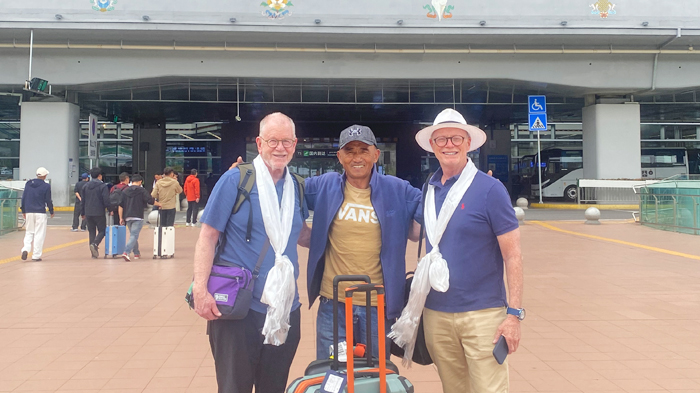 Local Tibetan guide warmly welcomes our guests with a traditional white khata at Lhasa Gonggar International Airport.
#14 Tibetan Culture Fact: “Tashi Delek” Is More Than Just a Greeting
Learning a few simple Tibetan greetings is a lovely way to experience Tibetan culture and connect more deeply with local Tibetans. During your Tibet trip, one greeting you will often hear is “Tashi Delek,” a phrase that expresses good fortune, blessings, and heartfelt wishes.
In Tibetan, “Tashi” means good fortune and blessings, while “Delek” expresses happiness, well-being, and a good life. When we say “Tashi Delek,” we are not simply saying hello. We are sharing our good wishes, kindness, and goodwill with others.
You may hear this greeting when meeting someone for the first time, welcoming guests, celebrating Tibetan festivals, or wishing someone happiness and success. For us local Tibetans, saying “Tashi Delek” is a small but meaningful way to show warmth, friendship, and respect in everyday life.
#15 Tibetan Culture Fact: The Best Way to Understand Tibet Is Through Local Experiences
For our overseas guests, the best way to truly understand Tibet is to slow down, meet local people with our guide, and experience the culture beyond the famous sights, from daily Tibetan life and ancient monasteries to traditional festivals and the stories passed down through generations.
- Visit Monasteries: Tibetan monasteries are not only historical attractions; they are still living centers of Tibetan Buddhism and culture. When you visit places like Jokhang Temple, Sera Monastery, or Tashilhunpo Monastery, you can listen to monks chanting prayers, watch lively Buddhist debates, observe pilgrims making offerings, and discover how religion remains an important part of everyday Tibetan life.
- Talk with Local Tibetans: With our experienced local Tibetan guide by your side, you can enjoy friendly conversations with local farmers, nomadic herders, monks, and families. Simple moments, such as sharing butter tea with a Tibetan family, visiting a nomad’s yak tent, or learning about traditional customs from a Tibetan granny, often become the most memorable parts of your journey. These personal encounters help you discover the real Tibet through an immersive and genuine cultural experience.
- Join Traditional Festivals: To truly feel the heart of Tibetan culture, joining a traditional Tibetan festival is one of your go-to choices. During celebrations like Losar (Tibetan New Year, Feb), Saga Dawa (Late May/early June), and Shoton Festival (August), you can witness locals wearing traditional clothing, gathering at monasteries, enjoying Tibetan opera performances, tasting delicious local food, and exchanging blessings with loved ones. These joyful celebrations allow you to experience Tibetan culture and traditions in the most authentic and meaningful way.
- Explore Tibetan Villages: Away from the main tourist sites, Tibetan villages offer a deeper look into everyday life on the plateau. With our local guide by your side, you can visit traditional stone houses, discover local home décor, meet farming families, see how Tibetans herd their yaks, and learn about daily traditions passed down through generations. These simple yet meaningful moments offer you an authentic glimpse into Tibetan life that most travelers never experience.
- Travel with Local Tibetan Guides: Our friendly and knowledgeable local Tibetan guides are great storytellers, helping you discover the stories, legends, and deeper meanings behind what you see. Beyond visiting holy monasteries and sacred lakes, you can learn about rich Tibetan traditions, gain a deeper appreciation of Tibetan art and architecture, and experience local customs through many hands-on activities such as cooking classes, meditation, prayer flag printing, incense making, Tibetan script writing, and more.
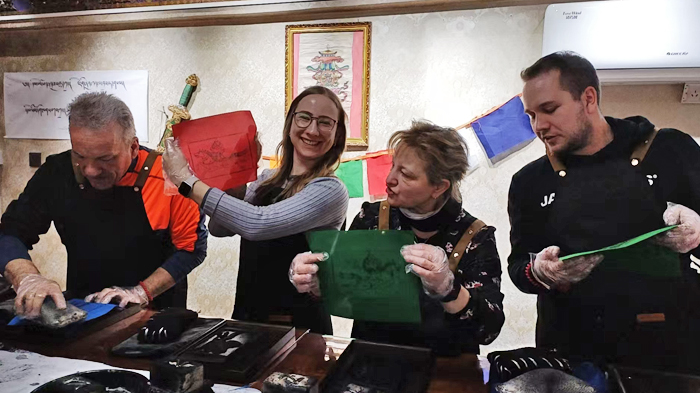 Our guests learn to make Tibetan prayer flags during a hands-on cultural experience.
Explore Lhasa and Shigatse, the cultural heartlands of Tibet, and dive into the rich history of Tibetan Buddhism.
Conclusion: Plan Your Tibet Cultural Tour with Us Today!
Tibet is a place where Buddhism, nature, and a unique highland way of life are deeply connected. From sacred monasteries and colorful prayer flags to vibrant festivals, nomadic traditions, and heartfelt Tibetan hospitality, every experience reveals a deeper story about this land, its people, and the culture that has shaped life on the plateau for generations.
The best way to discover Tibetan culture is to go beyond touristy attractions and experience it through meaningful local encounters. Listen to stories from Tibetan guides, visit ancient monasteries and hidden local gems, meet local families, and take part in authentic cultural activities.
As a local Tibet travel agency since 1984, we are dedicated to helping travelers experience the real Tibet through carefully designed cultural tours, knowledgeable Tibetan guides, local expertise, and reliable one-stop travel services. Whether it is your first visit or a return journey, we can help you explore Tibet in a deeper and more personal way.
If you have more questions about Tibetan culture and planning your Tibet tour, please feel free to email us for free and personalized travel advice. We would be delighted to welcome you to Lhasa and help you discover the beauty, traditions, and stories of Tibet on the journey of a lifetime. Tashi Delek!

 Email me about your travel idea