 Search
 Pioneer of Tibet Tourism for Overseas Travelers since 1984!

Leisure Life in Lhasa: How Tibetans Relax and Enjoy Everyday Life


Lhasa is famous for iconic landmarks like the Potala Palace and Jokhang Temple, but the city also has a relaxed side. Beyond sightseeing, simple everyday experiences in Lhasa are also an important part of exploring the city.
Leisure life in Lhasa blends Tibetan traditions with modern city life. From drinking sweet tea and enjoying a lingka picnic to tasting local food and browsing markets, these simple activities let you experience how people relax and socialize in Lhasa. They also help you connect more closely with Tibetan culture during your stay.
In this guide, we’ll explore leisure life in Lhasa and show you how to slow down, connect with local life, and experience a different side of the city.
Sip Tibetan Sweet Tea and Experience Lhasa's Teahouse Culture
One of the easiest ways to experience leisure life in Lhasa is to spend some time in a local teahouse. These lively but relaxed spaces are part of the city's everyday social life. You can see how locals spend their free time there.
Tibetan teahouses are popular gathering places for locals in Lhasa. People come here to meet friends and neighbors, chat over tea, enjoy a simple meal, or take a break. Some stop for a quick cup, while others spend hours talking and relaxing.
Tibetan sweet tea is one of the most popular drinks in these teahouses. Made with black tea, milk, and sugar, it has a smooth and mildly sweet taste. Traditional Tibetan butter tea tastes quite different. It is savory and slightly salty, with a rich buttery flavor.
For an authentic teahouse experience, you can visit a local favorite such as Guangming Gangqiong Sweet Teahouse near Barkhor Street. Find a seat, order a cup of sweet tea, and take in the lively atmosphere around you. You may share a table with other customers, hear conversations all around you, and see staff moving between tables to serve or refill tea. This gives you a close look at the everyday rhythm of life in Lhasa.
If it is your first visit, watch how people around you order and pay. Ask your guide for help if you are unsure. Always ask permission before taking close photos of other customers.
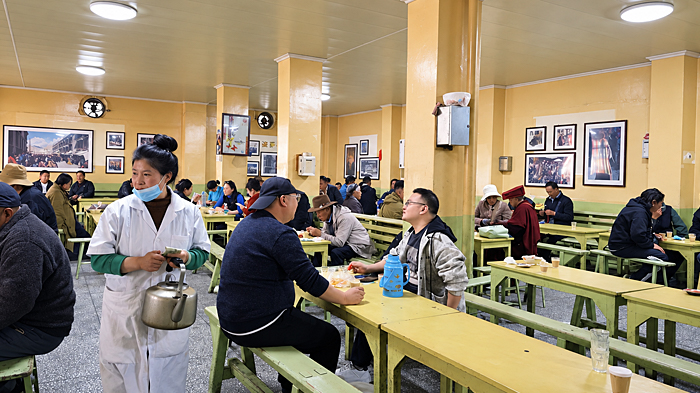 A Tibetan teahouse is a good place to experience local leisure life in Lhasa.


Experience authentic leisure life in Lhasa through local teahouses, parks, markets, and nightlife.
Stroll around Barkhor Street: Enjoy Lhasa's Relaxed Street Life
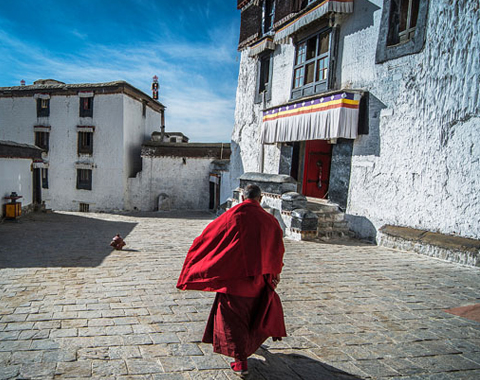
Barkhor Street is one of the best places to slow down and experience local life in Lhasa. The street circles Jokhang Temple and forms part of an important kora route. You will often see Tibetan pilgrims and local residents walking clockwise around the temple.
Alongside pilgrims, locals shop, meet friends, visit teahouses, and go about their daily routines. You can take some time to explore Barkhor Street and the nearby lanes. You can see traditional Tibetan architecture, old courtyards, and small shops along the way. Instead of rushing from one attraction to another, take your time and enjoy the street scenes around you. It is a more immersive way to experience Lhasa.
When you walk along the kora route, walk clockwise and give pilgrims enough space. If you are simply strolling, just enjoy the atmosphere of old Lhasa and see how spiritual traditions and everyday life naturally come together.
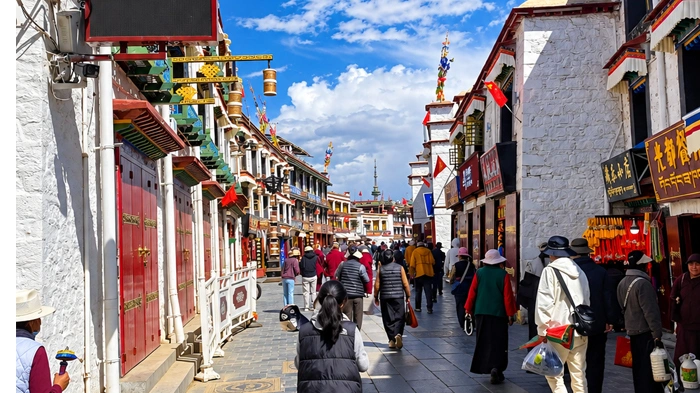 You can stroll around Barkhor Street and enjoy its relaxed atmosphere.
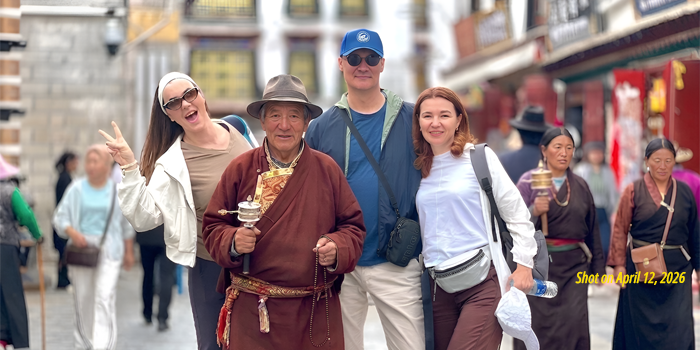
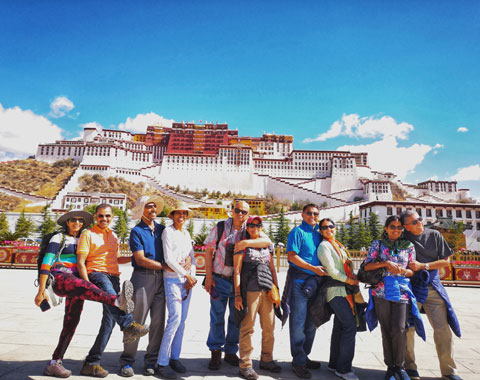
Explore the authentic side of Lhasa, from the Potala Palace to Barkhor Street.
Enjoy a Tibetan Lingka: Relax Like Locals in Lhasa's Parks
Lingka is a Tibetan tradition of spending leisure time outdoors with family and friends. People gather in parks or other green spaces to picnic, drink tea, chat, sing, dance, and play games. For locals, Lingka is more than a picnic. It is a time to relax and socialize with family and friends.
In Lhasa, places such as Zongjiao Lukang Park and Norbulingka are good places to see this outdoor lifestyle. You may see locals strolling, exercising, chatting with friends, or simply relaxing in the sunshine. Norbulingka has spacious gardens and is especially lively during the Shoton Festival, when many local families gather outdoors.
Lingka is especially popular during Lhasa’s warmer months, from late spring through summer. Parks become busier, and people spend more time outside. If you visit during this period, you will have more chances to see local families enjoying Lingka in Lhasa’s parks.
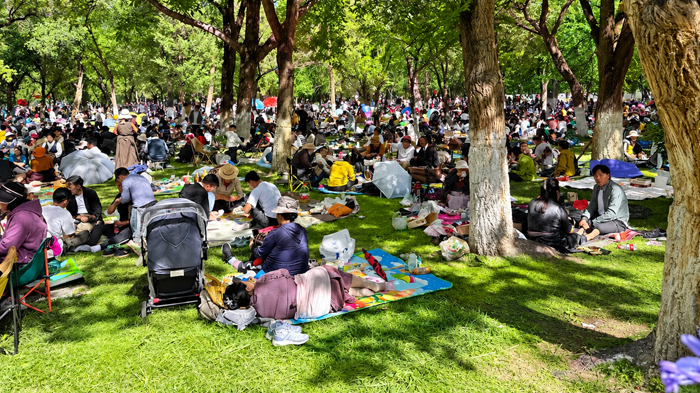 Enjoy a Tibetan Lingka and experience how locals spend time outdoors with family and friends.
Taste Lhasa’s Local Flavors: From Momos to Tibetan Noodles
Tibetan food is another enjoyable part of everyday life in Lhasa. Meals are often a time to sit together, relax, talk, and enjoy food with family and friends.
For a taste of local life, you can try everyday favorites such as Tibetan momos, Tibetan noodles, yogurt, and tsampa. Momos are steamed dumplings filled with meat or vegetables. They usually have a savory flavor and a soft, juicy filling. Tibetan noodles are a popular choice for breakfast or lunch and usually have a light, mild flavor. Tibetan yogurt is thick and creamy, with a rich and slightly tangy taste. Tsampa is made from roasted barley flour and has a mild, nutty taste.
Beyond larger restaurants, consider trying a small local eatery or neighborhood restaurant. These simple places are good for trying everyday Tibetan dishes. They also give you a closer look at local life in Lhasa.
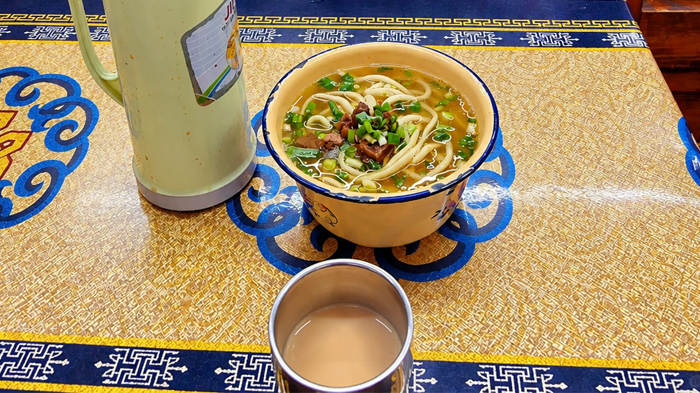 Enjoy Tibetan noodles and Tibetan sweet tea, two local favorites.
Browse Local Markets: Shop for Tibetan Souvenirs
Browsing local markets and small shops is another relaxing way to experience everyday life in Lhasa. As you walk around, you may see colorful displays and Tibetan-style decorations. Local shoppers come and go, giving the markets a lively atmosphere. Take your time to look around and enjoy this lively side of the city, even if you do not plan to buy anything.
If you want to take home a reminder of your trip, you will find plenty of Tibetan souvenirs to choose from. Popular items include Tibetan jewelry, textiles, incense, traditional artwork, and small handicrafts.
When shopping in Lhasa, bargaining may be possible in some markets and small shops. If you bargain, keep the exchange friendly and respectful. It is also a good idea to compare prices and confirm the final price before you buy.
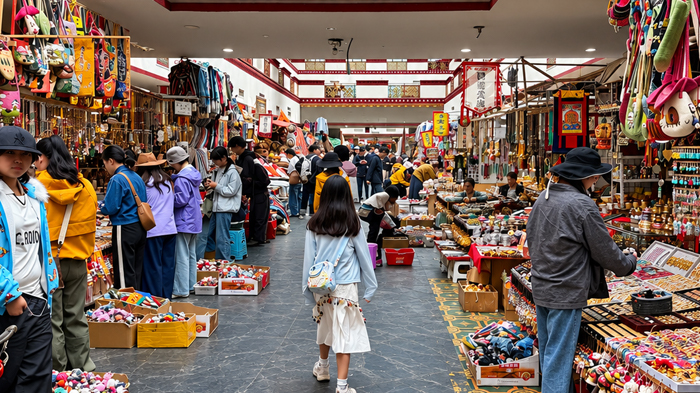 You can browse local markets and small shops to buy some meaningful souvenirs.
Discover Lhasa After Dark: Nightlife and Local Entertainment
Lhasa takes on a different atmosphere after dark. Nightlife in Lhasa can be lively or relaxed. After a day of sightseeing, you can relax at a local bar, listen to live music, watch a cultural performance, or simply enjoy an evening out in the city.
For a more local experience, you can visit a Tibetan Langma hall, a popular evening entertainment venue in Lhasa. These venues often feature Tibetan singing and dancing, lively music, and colorful stage performances. Watching a show gives you a glimpse of another side of modern Tibetan social life.
For a quieter evening, you can take a walk and enjoy Lhasa’s night views. The Potala Palace is one of the most impressive sights to see after dark. After sunset, the illuminated palace stands out against the night sky, creating a beautiful backdrop for an evening walk.
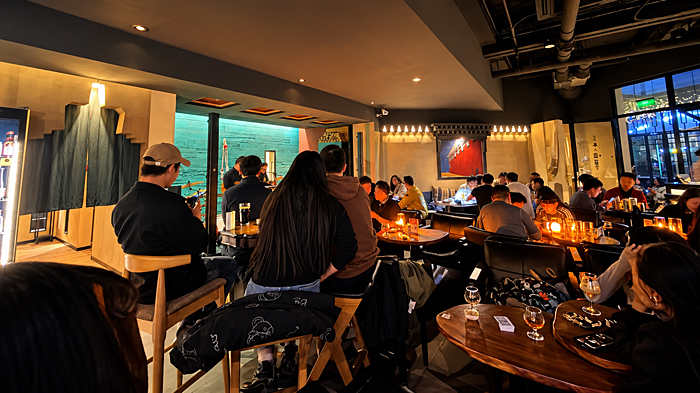 You can relax at a local bar and enjoy the nightlife in Lhasa.
Celebrate with Locals: Festivals and Seasonal Leisure in Lhasa
Tibetan festivals bring a lively atmosphere to leisure life in Lhasa. During some festivals, families and friends often gather outdoors for picnics, music, dancing, and performances. For travelers, these occasions offer a chance to see how traditional celebrations remain part of local life today.
The Shoton Festival is a good example of this festive local life. During the festival, Norbulingka becomes a popular gathering place for local families. People relax on the grass, share food and tea, and enjoy Tibetan opera performances. People also gather at Drepung Monastery to see the unveiling of a giant thangka.
If you visit Lhasa during the Shoton Festival, you can see how Tibetan traditions shape both festival celebrations and local leisure life. It is also a good opportunity to see local communities come together and celebrate.
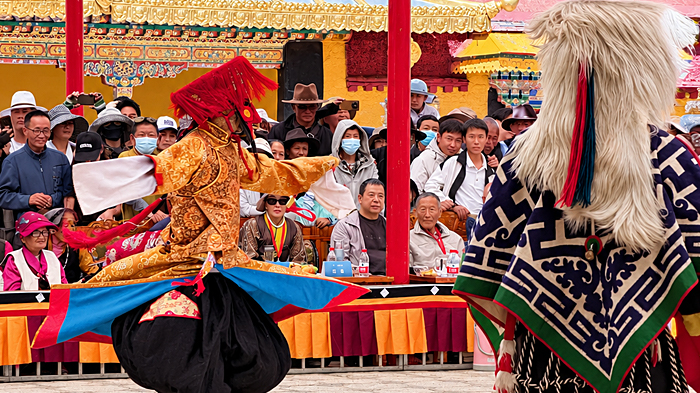 The Shoton Festival is a great time to experience festive local life in Lhasa.

Explore Lhasa during the Shoton Festival and enjoy the celebrations with locals.
Frequently Asked Questions about Leisure Life in Lhasa
Q1: Is Lhasa a busy or relaxed city?
Lhasa is generally a relaxed city, although popular areas such as Barkhor Street can be busy during the day. Away from the main attractions, you will often see locals sitting in teahouses, chatting in parks, walking through neighborhood streets, or simply enjoying time outdoors. The city is usually quieter in the early morning and evening.
Q2: Is leisure life in Lhasa expensive for travelers?
No. Many everyday leisure activities in Lhasa are inexpensive or free. For example, walking around Barkhor, relaxing in a public park, and exploring local neighborhoods cost nothing. Sweet tea at a local teahouse is also affordable. You will usually spend more if you attend a cultural show, visit a Langma hall, or shop for Tibetan souvenirs.
Q3: How much free time should I leave to enjoy local life in Lhasa?
You can set aside 2 or 3 free hours if you want a simple taste of local life. This gives you enough time to sit in a teahouse, walk around Barkhor, or relax in a local park without rushing. Half a day is even better if you want to combine several experiences, such as visiting a teahouse, walking the Barkhor kora, and relaxing in a park.
Q4: What is the best time of year to experience local life in Lhasa?
Generally, May to October is the best period for enjoying outdoor leisure life in Lhasa. During this period, the milder weather is better suited to park visits, lingka picnics, street walks, and other outdoor activities. Summer is especially lively, with more people spending time outdoors and local celebrations such as the Shoton Festival. Winter is colder and quieter, but local teahouses and indoor social life still offer a glimpse into everyday Lhasa.
Conclusion
Lhasa has much more to offer beyond its famous palaces and monasteries. A cup of sweet tea, a walk through Barkhor Street, a picnic in the park, or an evening out can show you a different side of the city. These simple moments help you better understand local traditions and everyday life.
When you visit Lhasa, leave some time between the major sights to slow down and enjoy the city at your own pace. This can help you see Lhasa as a living city, not just a collection of famous attractions. Contact us to plan your Tibet trip and discover a deeper, more authentic side of Lhasa.

 Email me about your travel idea