
Tibetan Yaks: A Complete Guide to Yaks' Role in Tibetan Culture, Religion, and Daily Life
Tibetan yaks are incredible animals. Weighing over 400 kg, they thrive in the thin air and harsh climate of the towering Tibetan Plateau. Their milk, meat, hair, and even yak dung provide essential resources like food, clothing, and fuel for the local communities. In Tibetan Buddhism, yaks are also considered sacred, holding deep significance in Tibetan culture and spirituality.
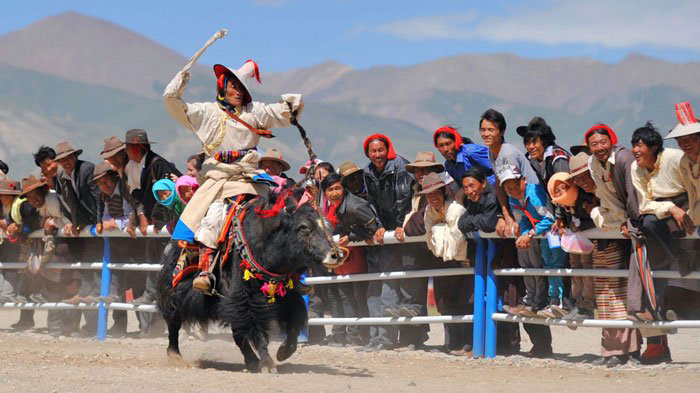
As you journey across Tibet, you'll have many opportunities to closely observe these strong, resilient, and versatile highland animals, whether it’s trekking alongside Tibetan yaks carrying your supplies, visiting Tibetan nomads’ families, savoring delicious yak-based snacks and cuisine, or even joining in the lively yak racing festivities.
So, in this travel blog, please join us as we explore how Tibetan yaks shape the lives, economy, and culture of our local Tibetans and get our insider tips to enrich your Tibet experience with these lovely, iconic creatures.
What Are Tibetan Yaks? Discover Intriguing Facts of These Remarkable Highland Animals
How Tibetan Yaks Influence Daily Life, Religion, and Local Economy in Tibet
5 Immersive Ways to Experience Tibetan Yaks on Your Tibet Adventure
Tibetan Yaks in the Wild: Where to Spot Them and How to Travel Safely
More FAQs about Tibetan Yaks When Visiting Tibet
Conclusion: Plan Your Tibet Adventure Now and Meet the Lovely Tibetan Yaks!
What Are Tibetan Yaks? Discover Intriguing Facts of These Remarkable Highland Animals
Known as the “Boat of the Highland”, Tibetan yaks have been living alongside our Tibetan people for thousands of years on the lofty Tibetan Plateau. These robust, resilient, and devoted creatures are an essential part of our daily life here in Tibet.
Quick Facts About Tibetan Yaks:
- Name: Tibetan Yaks (domestic and wild yaks)
- Native region: Tibetan Plateau (Tibet Autonomous Region), Qinghai, Sichuan, and Gansu Provinces of China
- Average altitude: 3,000 to 5,500 meters in grasslands and wilderness regions
- Average weight: 400 to 600 kg, and males are heavier and bigger than females
- Average height: 1.3 to 1.5 meters
- Lifespan: 15 to 25 years
- Diet: Alpine grass, herbs, and moss
- Cold tolerance: Can survive temperatures as low as –40°C
- Oxygen adaptation: Large lungs and more red blood cells, which help Tibetan yaks get enough oxygen and live comfortably in thin, high-altitude air
- Main uses: Milk, butter, cheese, meat, hair, hides, fuel (yak dung), transport, ploughing fields
- Cultural role: Symbolize strength, resilience, dedication, and wealth in Tibetan culture
- Wild vs domestic: Wild yaks are larger, more aggressive, and strictly protected
- Travel experience: Ride on Tibetan yaks for souvenir photos, watch yaks roam freely in grasslands, hire yaks with local herders for trekking in Tibet, feed domestic yaks at Tibetan homes, taste yak-based snacks and cuisine, visit the Tibetan yak museum in Lhasa, watch yak racing, and more.
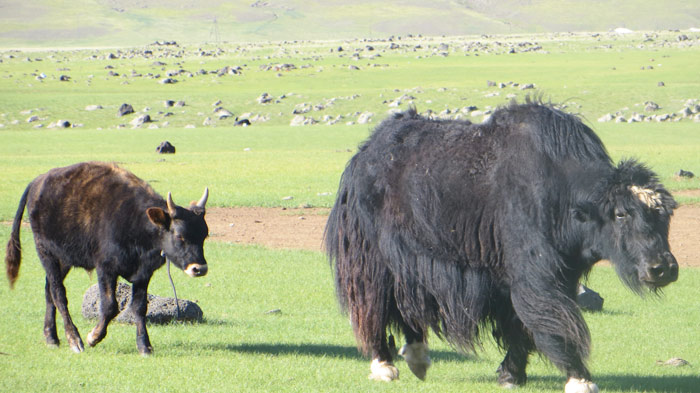
Black, hairy Tibetan yaks roam freely, grazing on the lush grasslands of Tibet.Discover the Unique Look and Habitat of Tibetan Yaks
Most Tibetan yaks live at altitudes between 3,000 and 5,500 meters, grazing freely across the wide, open grasslands of northern, central, and eastern Tibet, where the land opens wide, and the air feels truly Himalayan.
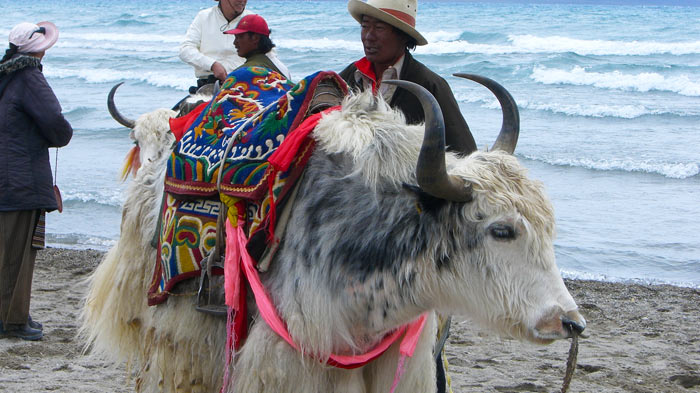
Tibetan yaks are mostly black and dark brown, with white yaks being quite rare (often dressed up for photoshoots with tourists). Their thick, long fur grows to 20-30 centimeters in winter, helping them survive the harsh temperatures that can drop as low as -40°C in high altitude regions.
Besides, yaks’ horns are thick, long, and curve upward, and their strong, short legs have wide hooves that help them move easily across snowy, rocky, and marshy terrains.
Tibetan yaks have large lungs that help them breathe easily in Tibet’s thin air. They also have a distinctive hump on their shoulders, which stores energy and helps them survive the harsh landscape.
What’s more, in highland grasslands, yaks graze on short grasses like needlegrass and mossgrass. During winter, they dig through the snow to find food. Tibetan yaks are also social animals that live in groups, with a lead yak guiding them as they migrate.
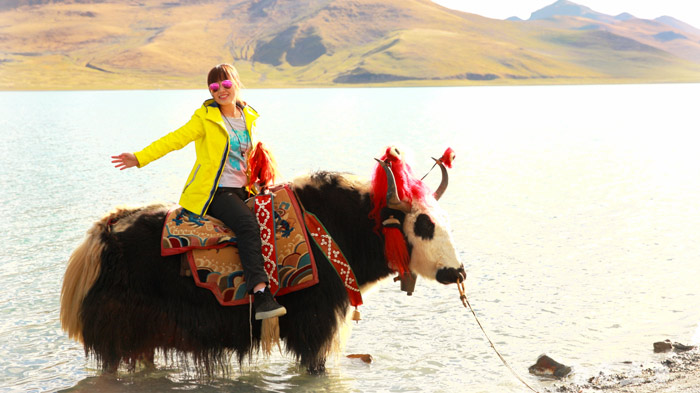
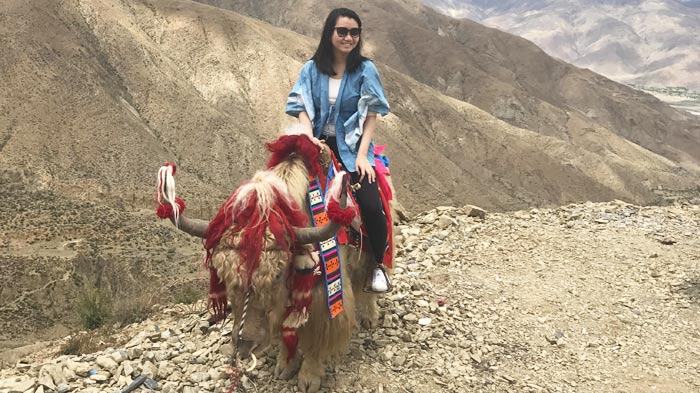
As you travel from Lhasa to Tibet Everest Base Camp, you'll see domesticated Tibetan yaks in the pastoral areas. For instance, the well-dressed Tibetan white yaks by the lakeshores of Yamdrok Lake or Namtso Lake offer you great opportunities for souvenir photos.
In more remote regions like Northern Qiangtang or Nagqu grassland, you may also spot wild Tibetan yaks. These wild yaks are larger, more powerful, and have a short temper. They are also protected species in Tibet.
Our guests enjoy riding on well-dressed white yaks for lovely souvenir photos at Yamdrok Lake.Explore Everest Base Camp, turquoise Yamdrok Lake, and heavenly Namtso Lake in one unforgettable adventure.
How Tibetan Yaks Survive and Thrive on the Tibetan Plateau
Tibetan yaks are perfectly adapted to live on the towering Tibetan Plateau. The secret to their survival lies in millions of years of natural evolution, combined with the wisdom of our Tibetan people who have worked with them for centuries. Here are 7 secrets for them to thrive in Tibet:
- Super-Lungs: Tibetan yaks have large lungs, containing many small pockets of air that help them take in more oxygen from the thin air at high altitudes.
- Red Blood Cells: Their blood has more red blood cells, which help them carry more oxygen. Their strong hearts push this oxygen-filled blood through their bodies, helping them live in high-altitude regions with thin air.
- Special Noses: Their wide noses help warm and moisten the cold, dry air they breathe, protecting their lungs from getting hurt.
- Cold-proof Fur: Yaks are perfectly built for the cold. Their thick fur has layers: long outer hair blocks wind, rain, and strong sun, a soft inner coat keeps them warm, and a layer of body fat provides extra insulation and energy for winter. Shorter hair on their belly and legs also helps release heat when the sun is out, keeping them comfortable on the high plateau.
- Shoulder Hump: The large hump on their shoulders serves as a "storage" for fat, providing them with energy needed during the winter months when food is scarce.
- Sharp Sense of Smell: Tibetan yaks can sniff out dry grass buried beneath up to 30 centimeters of snow, using their keen sense of smell to find food even in harsh conditions.
- Living in Groups: Yaks live closely together like a big family. When danger appears, such as wolves, adult yaks protect their baby yaks and use their strong horns to guard the herd. Experienced yaks also lead the way, helping the group find migration routes, water, and safe grazing grasslands, while younger ones learn how to survive on the plateau.
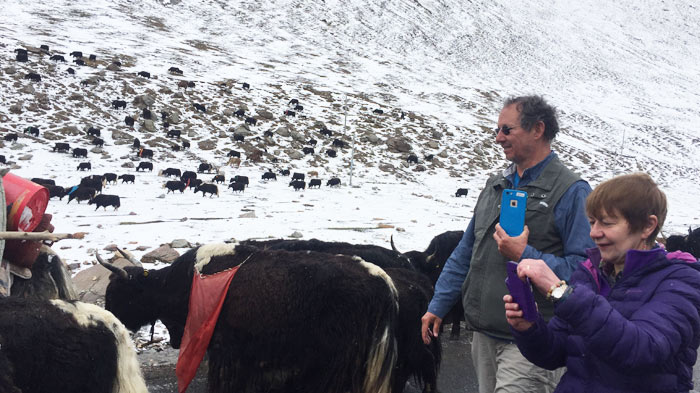
Robust Tibetan yaks grazing freely on the grasslands of northern Tibet.Journey from Lhasa to discover vast grasslands dotted with grazing Tibetan yaks, and the serene beauty of Namtso Lake.
How Tibetan Yaks Influence Daily Life, Religion, and Local Economy in Tibet
To us, local Tibetans, our daily life on the high plateau is deeply dependent on Tibetan yaks’ support. They provide us with food and warmth, and help carry supplies across vast mountains where vehicles cannot reach.
Beyond their practical help, Tibetan yaks are revered for their tenacity, loyalty, and resilience, qualities deeply cherished in our culture and religion. They are more than just animals. Domestic yaks are true companions of our lives.
Tibetan Yaks Shape Nomadic Life in Tibet
On the high plateau, where arable land and crops are scarce, and winters are long, Tibetan yaks provide almost everything a family needs, especially for our Tibetan nomads and farmers.
- Tibetan Yak Meat: Rich in protein and low in fat, yak meat is a primary source of protein for our local Tibetans. In winter, we slice it into strips and hang it in a cool, well-ventilated area to dry naturally. This dried yak meat can be eaten raw, with a crispy texture and unique flavor. Many Tibetan nomads also sell surplus yak meat at local markets, making it a vital source of income for their families.
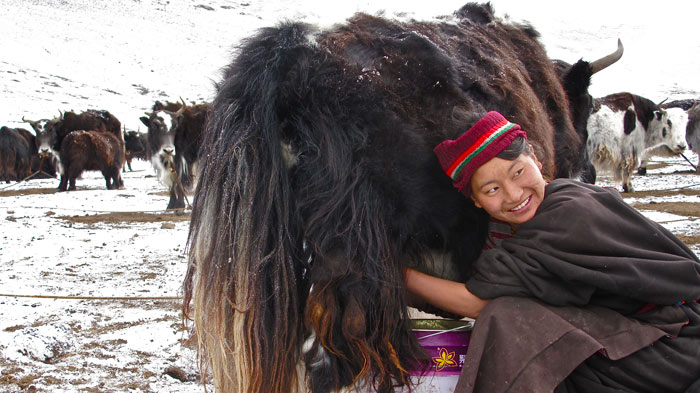
- Yak Dairy Products: Since Tibetan yaks graze naturally on the pristine Tibetan plateau, their milk is rich in vitamins, proteins, and fats, making it a vital energy source for our Tibetans. A female yak can produce 200 to 400 kg of milk per year. Beyond drinking it, we also use this nutritious milk to make yellow Tibetan yak butter (for butter tea or to eat with Tsampa, roasted barley dough), calcium-rich dried Tibetan yak cheese, and delicious Tibetan yogurt, some of our all-time favorite Tibetan snacks you can taste in Tibet.
- Yak Dung for Fuel: On the Tibetan Plateau, where tree branches and timber are scarce, dried yak dung becomes a valuable fuel source. Typically, a nomad’s wife collects it, presses it into patties, and dries them on walls or open spaces. When burned, it provides long-lasting heat with no unpleasant odor, making it the main fuel for boiling tea, cooking, and heating homes in winter. The ash can also be mixed with plant ash to fertilize fields. What a true reflection of Tibetan ecological wisdom!
In addition, Tibetan yak hair, fur, and hide are used to make nomads' tents, ropes, blankets, and traditional Tibetan dresses (Chupa). Yaks are also strong and reliable cargo carriers, transporting supplies, tents, and trade goods (salt, tea, food) to remote, high-altitude areas beyond easy reach. Without yaks, traditional nomadic life on the Tibetan Plateau would simply not be possible.
A Tibetan nomad milking a yak at a campsite in Tibet.The Sacred Role of Tibetan Yaks in Tibetan Buddhism
In Tibetan Buddhism, yaks are not directly worshiped as gods, but they hold deep spiritual and symbolic meaning. In addition, Tibetan yaks have practical uses you can discover as you visit Tibetan monasteries or explore vibrant Tibetan festivals.
- Symbol of Strength, Resilience, and Generosity: Yaks are admired for their ability to survive in extreme conditions and provide everything locals need. Because of this, they embody the spirit of endurance, strength, and selflessness, qualities highly respected in Tibetan Buddhism. This spirit also resonates with us Tibetans, who practice kindness and compassion in our daily lives.
- Yaks as Buddhist Protectors: In Tibetan Thangka (Buddhist scrolls) and murals found in monasteries, you might be surprised to see yaks portrayed as fierce Buddhist protectors. These mighty creatures symbolize strength and power, helping to overcome obstacles and drive away evil forces. A great example of this is the depiction of Yama, the lord of death, in Tibetan Buddhism. With his wrathful yak face, bulging eyes, and gaping mouth, Yama decides whether souls ascend to heaven or serve him in the underworld.
- Yak Butter as Sacred Offerings to Buddha: Tibetan yak butter burns steadily with a bright, smokeless flame and a natural fragrance. This makes it ideal for use as lamp oil in Tibetan monasteries and temples. Besides, in Tibetan Buddhism, lighting a lamp with yak butter is a pure, sacred offering to the Buddha, symbolizing wisdom and the removal of darkness and ignorance. This fine tradition has been passed down for centuries. The Tsongkhapa Butter Lamp Festival (Dec) is your perfect time to capture the stunning display of massive Tibetan butter lamps in Tibet.
Moreover, when visiting Tibetan monasteries, you might spot curtains, banners, or prayer poles made from yak hair. Similarly, during traditional Tibetan Cham dances (masked monk dances) at festivals, religious items like masks, horns, and drums are often crafted from yak hair, skin, or horns. These materials carry a deep sense of sacred power, making Tibetan yaks an essential part of religious ceremonies.
Local Tibetans light yak butter lamps as sacred offerings to the Buddha in Tibetan monasteries.Explore Lhasa’s top Gelugpa Monasteries and the mesmerizing Tibetan butter lamp festivities at night.
Yaks in Modern Tibet: From Trade to Tourism and Conservation
Tibetan yaks have long been a symbol of Tibet's rugged beauty and cultural heritage, and today, they play a crucial role in modern Tibetan life, supporting the local economy, tourism, and conservation efforts.
- Backbone of Local Economy: In Tibet, yaks are vital to the farming and pastoral economy. They provide essential products like meat, milk, wool, and hides. Yaks are also used to create high-value goods such as jerky, dairy products, and woolen clothing. These products are sold across China, boosting local industries and creating jobs. The Tibetan yak trade plays a key role in Tibet's economic growth, benefiting countless families and communities.
- Mascot of Tibetan Tourism: Tibetan yaks are a beloved symbol of Tibet, embodying strength, resilience, and generosity. As a traveler, you can buy lovely yak-themed souvenirs at Barkhor Street in Lhasa, like handwoven wool products, yak dolls, scarves, yak horn combs, and more. Popular activities, such as yak racing and exploring nomadic life, offer you an exciting glimpse into Tibetan culture. Not only will you enjoy an authentic Tibetan travel experience, but you’ll also support the local economy.
- Conservation of Wild Yaks: Wild yaks are an endangered species in China and are protected by strict laws to prevent illegal hunting and trade. The local government has established key habitats in nature reserves like the Qiangtang Grasslands, where conservation efforts are closely monitored. Advanced technologies, such as infrared cameras and satellite tracking, help track wild yak populations and their migration, ensuring their numbers stay stable.
Our guests shop for traditional Tibetan clothes made from Yak hide at Barkhor Street in Lhasa.Visit Lhasa and Shigatse, two of the cultural heratlands of Tibet.
5 Immersive Ways to Experience Tibetan Yaks on Your Tibet Adventure
For our guests who are planning to visit Tibet and experience Tibetan yaks up close, here are 5 immersive ways to connect with these wonderful animals:
1. Explore the Nomadic Regions in Northern Tibet
After your Lhasa tour, a wonderful place to get up close to Tibetan yaks is Damxung County, just a 2.5-hour drive north of Lhasa. With an altitude of about 4,200 meters, Damxung is an essential part of the Qiangtang Grassland in northern Tibet, located right next to the sacred Namtso Lake, just a 40-minute drive away.
Here, you’ll be treated to a picture-perfect view, with herds of Tibetan yaks grazing on vast grasslands, surrounded by snow-capped mountains and the serene Namtso Lake.
If you have booked our custom Tibet tours, you'll have the chance to visit a nomad’s tent, accompanied by our local Tibetan guide. Inside the black yak-hair tent, you can sit with the nomads around a warm stove and enjoy freshly made Tibetan butter tea, homemade yak jerky, dried cheese, and refreshing Tibetan yogurt.
Through cozy chats with Tibetan nomads, guided by our local expert, you will be amazed by the harmonious life between the locals and nature and gain a deeper understanding of the nomadic lifestyle, a lifetime experience you'll never forget.
Besides, May to September is the best time for your visit to northern Tibet, when the grasslands are lush, and the yaks are at their best, with pleasant weather and perfect road conditions across Tibet.
Our guests are taking photos with baby yaks on the grassland in northern Tibet.Journey from Lhasa to discover vast grasslands dotted with grazing Tibetan yaks, and the serene beauty of Namtso Lake.
2. Visit Idyllic Tibetan Farming Villages Around Lhasa
Visiting peaceful Tibetan villages in the countryside around Lhasa offers another wonderful chance to see Tibetan yaks up close and explore the unique rural life of the Lhasa Valley.
With an altitude of 3,600 to 3,800 meters, the serene Lhasa Valley is blessed with fertile farmland. For generations, locals have grown highland barley, wheat, potatoes, rapeseed for oil, and a variety of vegetables here. Tibetan yaks also play a vital role, providing meat, warm fur, and the strength needed to plough the fields.
With our local Tibetan guide, you will travel from Lhasa to visit these enchanting Tibetan villages. Here, you can step into local homes, feed domestic Tibetan yaks, and take photos of the iconic dried yak dung used as fuel on village walls.
You will also explore traditional Tibetan house designs and furniture, taste homemade Tibetan dishes, and even try farm activities such as ploughing with yaks or weaving. The warmth and hospitality of our Tibetan farmers, combined with hands-on yak experiences, will leave you with truly unforgettable memories.
Our guests feed domestic Tibetan yaks at a local farmer’s yard.Visit enchanting Tibetan villages around Lhasa, feed domestic yaks, and experience traditional farm life.
3. Enjoy Trekking in Tibet with a Yak Caravan
Tibet offers some of the world’s most thrilling treks that lead to ancient monasteries, hidden villages, sacred lakes, and the mighty peaks of the Himalayas.
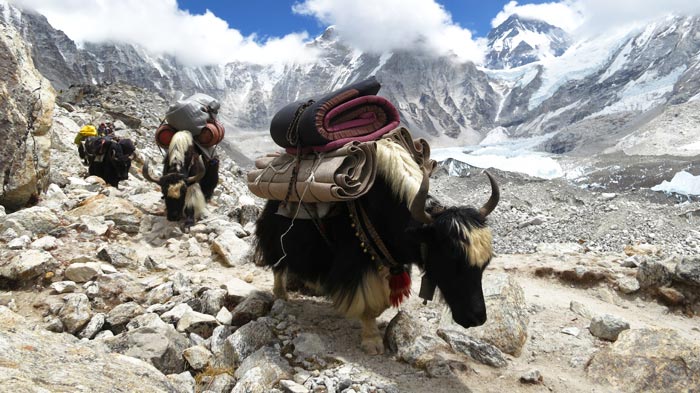
Due to the high elevation and days of trekking through remote areas, it's common to hire a yak caravan to carry your supplies and travel with our local Tibetan guide for a safer Tibet trekking experience.
Whether you're embarking on the classic trek from Tingri to Tibet Everest Base Camp or trekking in the otherworldly Gama Valley leading to the Eastern Slope of Mt. Everest, you will enjoy walking alongside reliable Tibetan yaks carrying your gear, camping under the starry skies with our local Tibetan guides and herders on the Roof of the World.
It's a unique experience that connects nature, animals, humans, and the deep spirituality of Tibet, an adventure that will leave you spellbound. Highly recommended!
Hire a yak caravan and herders to trek to the otherworldly Gama Valley on Everest’s eastern slope.
4. Take Photos with White Tibetan Yaks at Yamdrok or Namtso Lake
If you happen to visit the turquoise Yamdrok Lake or the heavenly Namtso Lake, two of Tibet’s holiest lakes, don’t miss out on the perfect chance to take souvenir photos with beautiful, well-dressed white Tibetan yaks. Whether by the shimmering blue waters or on a lofty mountain pass, it’s a wonderful way to get up close to these friendly and powerful creatures.
White Tibetan yaks are much rarer and shine brilliantly under the bright sunlight, making them perfect for souvenir photos. These friendly yaks are well-tamed for travelers. You can ride one, adorned with colorful tassels and decorative ornaments on its horns, or simply give it a hug for a picture-perfect moment. Be sure to share your photo on Instagram and enjoy the likes and shares!
Our guests pose for a photoshoot atop white Tibetan yaks by the Yamdrok Lake.Explore Everest Base Camp, turquoise Yamdrok Lake, and heavenly Namtso Lake in one unforgettable adventure.
5. Savor Diverse Yak Cuisine and Visit the Yak Museum in Lhasa
In Tibet, not only can you closely observe the mighty Tibetan yaks, but you can also savor a variety of delicious yak dishes and snacks while exploring the vibrant streets and alleys of Lhasa.
At a local Tibetan teahouse, you can start your day with a warm bowl of Tibetan noodles, made with a rich yak bone broth and topped with tender yak meat, or enjoy a basket of juicy yak meat dumplings (Tibetan momo), filled with a fresh, savory mix. Each bite will leave you feeling comforted and energized, ready to explore more of Lhasa.
As you stroll through the markets and alleys of Barkhor Street, you’ll notice rows of air-dried yak meat on display. This traditional Tibetan snack is tough yet packed with flavor, much like beef jerky but with a richer, more natural taste. It’s the perfect energy boost for your Tibet tour.
Meanwhile, you’ll also find Tibetan women selling homemade Tibetan yogurt, made from yak milk, on Lhasa street. It’s thick and creamy, topped with a golden layer of milk skin. With its strong, tangy flavor, it’s often sweetened with sugar and raisins, offering a perfect mix of sweetness and sourness.
For lunch, make sure to try the famous yak meat hotpot at a local restaurant. It's a favorite dish among both locals and visitors. The rich, aromatic broth, made from yak bones, can be either a creamy white or spicy red base. You dip thin slices of fresh yak meat into the broth, keeping the meat tender and flavorful, with a smooth, creamy flavor.
After enjoying the scrumptious Tibetan yak cuisines, it’s well worth visiting the Yak Museum of Tibet, located along the Lhasa River. It's the world’s only national museum dedicated to yaks.
From the origins of Tibetan yaks and their unique physical traits to how they thrive in extreme environments, along with ancient rock paintings and artifacts that show how yaks have been companions to humans for centuries, a visit here will give you a deeper understanding of the yak’s life and its vital role in Tibetan culture.
Our guests savor the famous yak meat hotpot at a local restaurant in Lhasa.Soak up sacred Buddhist vibes and explore Tibet’s iconic landmarks in Lhasa in 4 days.
Tibetan Yaks in the Wild: Where to Spot Them and How to Travel Safely
While domestic yaks are usually friendly and comfortable around people, wild yaks live in remote, uninhabited areas. As a result, they are more territorial, staying alert and even becoming aggressive when they sense human presence.
If you wish to photograph wild yaks in their natural habitat, remote western Ngari Tibet is one of the best places to go. With its vast wilderness, deep canyons, alpine meadows, and peaceful holy lakes, this region offers a safe haven for these powerful and amazing creatures.
Summer (June to September) brings mild weather, lush greenery, and frequent animal activity, making it the perfect time for a wild yak safari.
Wild yaks are most active in the early mornings and evenings. As you explore the holy Mount Kailash and sacred Lake Manasarovar, you might spot wild yaks, Tibetan antelopes, and wild donkeys from a distance.
Dive into remote western Tibet to explore Tibet's holiest mountain, sacred lake, lost civilization, and wild Tibetan yaks.
In the open grasslands and river valleys of the Ngari region (like Rutok County or Gar County), wild yaks can also be seen. Our local Tibetan guides will take you to safe spots, where you can use binoculars or a telephoto lens to capture these powerful and fascinating animals, all from a safe distance.
Wild Tibetan yaks graze in the wilderness, always staying alert to their surroundings.Here are proven tips to stay safe when observing the wild Tibetan yaks:
- Maintain a Safe Distance: Wild yaks are powerful and can be aggressive, especially when protecting their young or when startled. Always keep a safe distance of at least 300 meters. Do not approach or provoke them under any circumstances.
- Stay Calm and Quiet: Yaks are sensitive to noise and movement. Keep noise levels to a minimum and move quietly. Sudden movements may startle them and trigger a defensive reaction.
- Use Binoculars or a Telephoto Lens: Instead of getting closer to the animals, use binoculars or a telephoto lens to observe and photograph them from a safe distance. This will allow you to enjoy the experience without disturbing the wildlife.
- Follow Our Guide's Instructions: Our local Tibetan guides are experts in navigating these wild environments. Always listen to their guidance and follow their lead when it comes to safety protocols.
- Stay With the Group: Always stay with your group and guide. Straying away from the group could put you in a vulnerable position, especially when encountering large wildlife.
More FAQs about Tibetan Yaks When Visiting Tibet
Q1: Are Tibetan Yaks dangerous?
No, it depends. Domestic Tibetan yaks are generally gentle and calm animals, while wild yaks are more aggressive and unpredictable. Meanwhile, like any large animal, they can be protective of their space and herd. If you approach them too closely, especially during calving season or if they're startled, they might become defensive. It's always best to admire them from a safe distance and respect their natural behavior.
Q2: Where can I see wild Tibetan Yaks?
Wild Tibetan yaks can be found in the higher, more remote regions of Tibet, especially in Qiangtang Grassland in northern Tibet and the heart of the Himalayas. These wild yaks roam freely in rugged terrains and are often spotted in remote regions like the Ngari Prefecture. However, most visitors usually see domesticated yaks, which are an important part of local life and culture.
Q3: Can Tibetan Yaks be milked?
Yes, Tibetan yaks can be milked! Their milk is highly nutritious and rich in fat. Locals use yak milk to make delicious products like butter, cheese, and even yogurt. This milk is an essential part of the diet for many Tibetan communities, especially in the high-altitude regions.
Q4: Can I ride a Tibetan yak for trekking?
Absolutely! Riding a yak is a popular and traditional way to travel across the rugged Tibetan landscape. While yaks are strong and sturdy, they are generally used for carrying loads over difficult terrain rather than for long treks with riders.
However, in some areas, like for part of the Mount Kailash trek, local yak herders offer short treks where visitors can experience riding a yak for a truly unique Tibetan adventure.
Q5: How do Tibetan Yaks survive extreme cold?
Tibetan yaks are superbly adapted to the freezing temperatures of the Tibetan Plateau. Their thick, long fur coat and underlayer of wool keep them warm in the harshest of conditions. They also have a special ability to graze on sparse vegetation in the cold, thanks to their strong digestive systems that can break down tough, fibrous plants.
Q6: What do Tibetan Yaks eat?
Tibetan yaks are plant-eating animals and graze on grasses, herbs, and shrubs found in the high-altitude areas. During the colder months, they feed on dried grasses and shrubs. Their strong grazing habits allow them to thrive in the harsh landscapes where most other animals would struggle to find food.
Q7: How are Tibetan Yaks used by locals?
Tibetan yaks are incredibly valuable to locals in many ways. They are used as pack animals to transport goods over rugged terrain, especially in remote areas. Yaks also provide milk, meat, and wool, all of which are essential for local diets and clothing. Their dung is often used as fuel for cooking in high-altitude areas where firewood is scarce.
Q8: Are Tibetan Yaks used in Tibetan Buddhist rituals?
Yes, Tibetan yaks have cultural and spiritual significance in Tibetan Buddhism. Yak ornaments are often seen in rituals and offerings, especially during festivals or religious ceremonies. In some cases, their yak butter is used for the oil of Yak butter lamps as an offering at monasteries, symbolizing abundance and good fortune.
Q9: What is the lifespan of a Tibetan yak?
Tibetan yaks have a lifespan of around 15 to 25 years, though some can live longer if they are well cared for. They tend to live long, productive lives, especially in areas where they are treated with respect and provided with good grazing grounds.
Conclusion: Plan Your Tibet Adventure Now and Meet the Lovely Tibetan Yaks!
In a nutshell, Tibetan yaks are not just animals. They are part of our Tibetan family members and play a key role in shaping the Tibetan culture, economy, and spirituality.
Traveling in Tibet offers you unforgettable opportunities to get up close to these amazing creatures. Whether you're riding a lovely white Tibetan yak for souvenir photos, trekking with reliable yaks and their herders in remote areas, or enjoying yak-based Tibetan cuisine, you’ll be amazed by these wonderful animals and the stunning Tibetan landscapes.
If you have more questions about Tibetan yaks and Tibet travel, please don’t hesitate to email us for free and expert travel solutions. Looking forward to joining you for an adventure of a lifetime in Tibet. Tashi Delek!
Search