With China Tourist Visa Resumed,
Tibet Tours for All around the Globle are Available Right Now!

It is the best time to join our Tibet small group tour in 2024 at the best local price.
+ 86-28-81754631
TOP
Click to view the Small Group Tour theme

Our #1 Tibet Tour for 2026

8-Day Overland Journey from Lhasa to Everest Base Camp

In the past year, we’ve helped 9,000+ travelers fulfill their once-in-a-lifetime dream of visiting Mount Everest. We’re proud to be recognized as the #1 Mount Everest tour organizer.

For 2026, to bring our clients an even better travel experience, book early and enjoy a FREE upgrade to an Everest Base Camp hotel with private bathroom, heating, and stunning Mount Everest views.

Book Early & Get a FREE Upgrade Today!

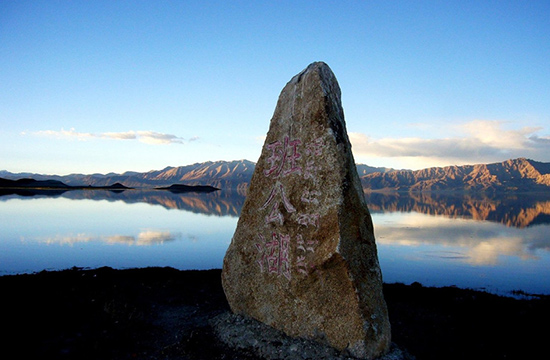
  • Pangong Lake
  • Pangong Lake scenery
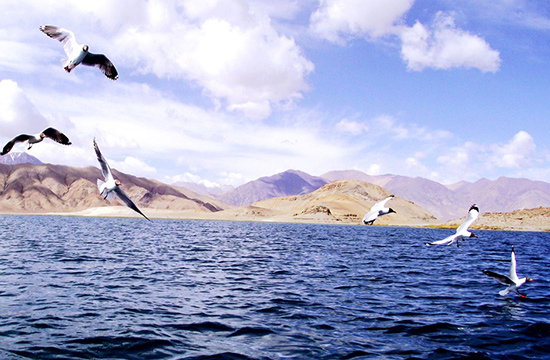
  • Birds at Pangong Lake
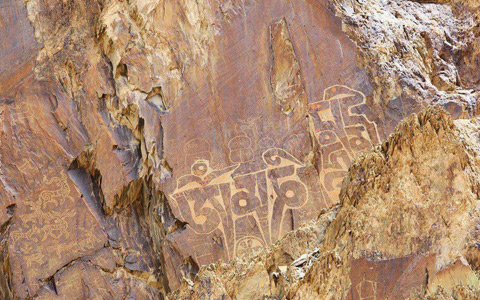
  • Pangong Lake views

Where Is Pangong Lake Located in Tibet and India?

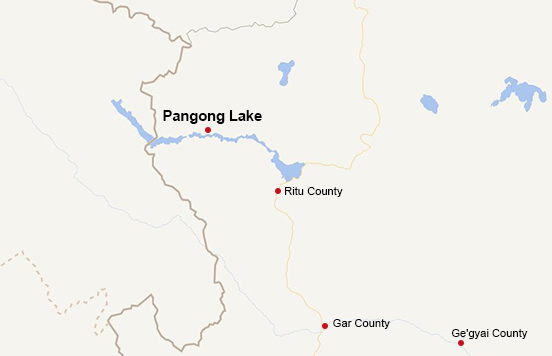
Pangong Lake is located on the border between Tibet (China) and Ladakh (India). About two-thirds of the lake lies in Tibet, specifically in Ngari Prefecture in western Tibet. The remaining part extends into Ladakh in India, making it a well-known transboundary lake along the China-India border.

The lake sits at around 4,250 meters above sea level, making it one of the highest lakes on the Tibetan Plateau. While it is often described as a saltwater or brackish lake, its water conditions vary across the lake. The Tibetan section is less saline and supports more aquatic life, while the part in India is more saline.

About 134 kilometers long and 5 kilometers wide, Pangong Lake covers an area of roughly 600 square kilometers, with the deepest point reaching 57 meters. Its long and narrow shape is one of its most distinctive features.

With its unique location and striking high-altitude landscape, this remote lake in western Tibet attracts travelers from around the world.

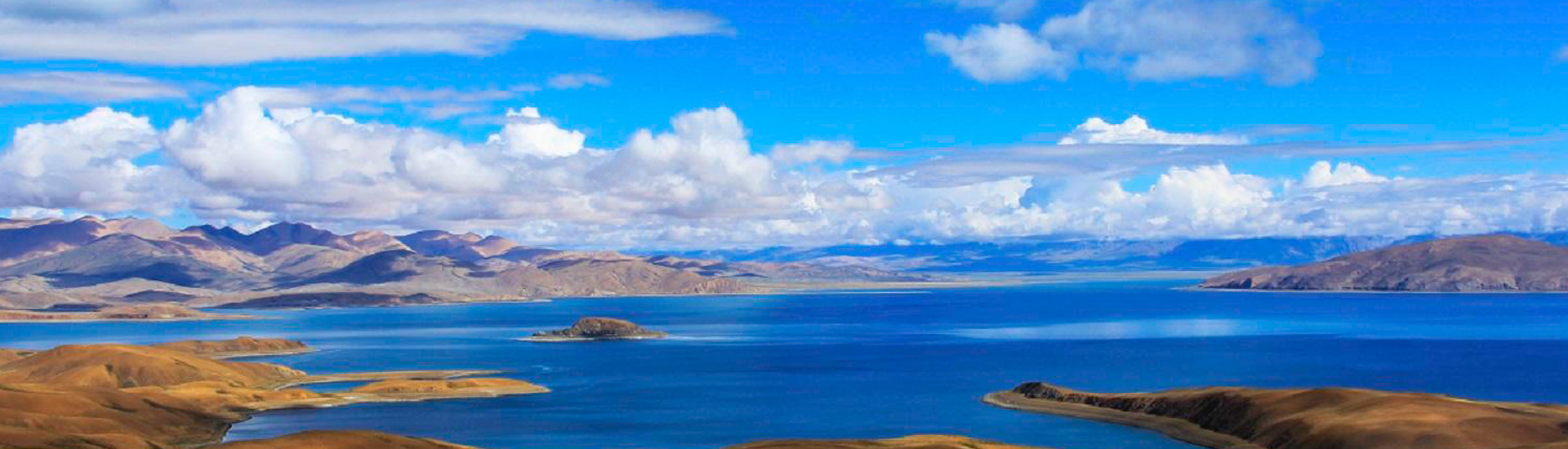
Pangong LakePangong Lake offers truly breathtaking views.

Pangong Lake Is Famous for Its Vast and Undisturbed Landscapes

Many travelers are drawn to this remote lake in western Tibet for its vast and untouched landscape. The lake is set in the raw and unspoiled area of the Tibetan Plateau, where snow-capped mountains, rolling hills, and endless skies create a breathtaking view. In our experience, this is one of the few places where you can truly feel the scale and silence of the Tibetan Plateau.

Unlike many popular tourist destinations, Pangong Lake remains less crowded, which creates a unique sense of isolation and freedom. Camping at Pangong Tso, where permitted, is a memorable way to experience its charm up close.

One of the lake’s most fascinating features is the changing color of the water, caused by variations in salinity and mineral content across different parts of the lake. Areas with different mineral and salt concentrations reflect light differently, creating shifting shades of blue, turquoise, and even green throughout the day, creating a paradise for photography.

Sunrise and sunset are especially stunning. For the best results, our photography guides recommend arriving at the lakeshore early in the morning or later in the sunset, ideally before 7:00 or after 18:00, when the light is golden, and the water surface is calm enough to capture clear reflections. If you prefer these breathtaking moments, you can join a Tibet nature and photography tour with our expert local guide.

Pangong LakeThe ever-changing colors of Pangong Lake.

Pangong Lake Is One of the Best Birdwatching Destinations in Tibet

Thanks to its rich ecosystem, the lake itself and the surrounding wetlands provide important habitats for many migratory birds, making it an ideal place for birdwatching in Tibet. For better watching birds, our guides often plan visits in the early morning when bird activity is highest.

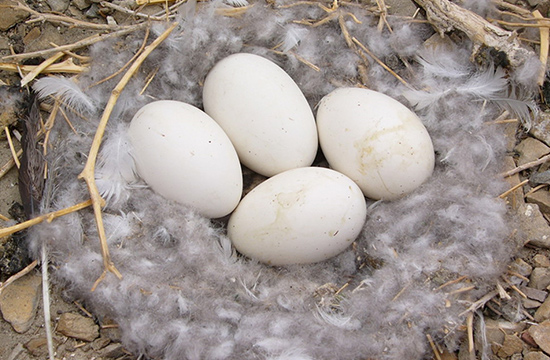
One of the key spots is Bird Island, where many species gather during the migration season. You can see some of the top wild birds in Tibet, such as bar-headed geese, black-necked cranes, and other rare native bird species. These birds are known for their incredible ability to fly across the Himalayas, and their presence makes this quiet place more lively.

Birdwatching here is especially rewarding from May to September, when migratory activity is at its peak. For a closer birdwatching experience, you can hire a boat and head out onto the lake for better views of various birds around Bird Island.

This combination of birdlife and scenery makes Pangong Lake a unique destination for bird lovers. For these travelers, a Tibet bird tour offers excellent opportunities to observe rare high-altitude species in their natural habitat.

Birds at Pangong LakePangong Lake is one of the best destinations to see wild birds.

What Makes the Overland Journey to Pangong Lake So Unique

The journey to Pangong Lake stands out as a highlight of traveling through western Tibet, and many travelers find that the overland experience is just as memorable as the lake itself. On the way, you will travel across some of the most remote and untouched regions of the Tibetan Plateau, including the Changtang Plateau.

The landscape changes dramatically along the way. You will see wide grasslands stretching to the horizon, followed by open wilderness and vast high-altitude landscapes, with very few signs of modern development. This untouched environment is what makes the journey so memorable.

Another highlight of the route is the chance to encounter Tibetan nomadic culture. Along the way, you may see Tibetan nomads herding yaks and sheep, making yak butter and cheese, and maintaining a traditional nomadic lifestyle adapted to the harsh environment. In some cases, you may even be invited into a Tibetan nomadic tent for a short rest. These encounters offer a rare glimpse into Tibetan nomadic life.

Such dramatic landscapes and authentic cultural encounters make the journey to Pangong Lake as rewarding as the destination itself, leaving a lasting impression on travelers.

The journey to Pangong LakeThe journey to Pangong Lake is as breathtaking as the lake itself.

Best Time to Visit Pangong Lake

Based on our experience, the best time to visit Pangong Lake in Tibet is from May to September, when the weather and road conditions are much more comfortable for travel and sightseeing.

During this period, the lake is free of ice, and the roads are accessible, making it the ideal season for sightseeing, photography, and overland travel to Pangong Lake. Daytime temperatures usually range from about 10°C to 20°C, while nighttime temperatures can drop to around 0°C or even lower. So it is important to bring enough warm clothing, as temperatures can drop quickly even in summer.

This period is also the peak season for wildlife and birdwatching, when migratory birds are most active around the lake. If you visit Pangong Lake during these months, you will have a higher chance of seeing a large number of wild birds and many rare species such as brown-headed gulls and other migratory birds.

In contrast, winter at Pangong Lake is extremely harsh, with temperatures dropping well below freezing, the lake frozen, and roads often blocked. So winter visits are generally not recommended for most travelers.

Overall, visiting from late spring to early autumn offers the most comfortable conditions, the best overall travel experience, and some of the most beautiful landscapes in Tibet.

Travel from Lhasa to Pangong Lake to enjoy breathtaking scenery and observe wild birds.

How to Get to Pangong Lake from Tibet

Most travelers reach Pangong Lake by overland travel through western Tibet as part of a Tibet tour. It is approximately 1,700 kilometers from Lhasa, and the journey usually takes several days by road due to the long distance and high altitude. For a more comfortable experience, most travelers visit Pangong Lake as part of a longer Ngari tour or Mount Kailash tour.

For travelers planning a deeper journey in western Tibet, our 19-Day Big Loop Tour around the Ngari Region offers a superb opportunity to experience the essence of Tibet, with a focus on the vast wilderness of Ngari. Starting from Lhasa, you will explore world-famous sites such as the Potala Palace, Jokhang Temple, and other traditional monasteries, gaining a deep insight into Tibetan history and spiritual life.

As you travel further west into Ngari, the landscapes become more dramatic and remote. You will visit Everest Base Camp, Lake Manasarovar, and Mount Kailash, where you can experience the sacred atmosphere. Along the way, you’ll visit the mysterious ruins of the ancient Guge Kingdom, exploring the rich history of ancient Tibetan civilization.

One of the highlights of this route is the visit to Pangong Lake, where the peaceful atmosphere and surreal landscapes provide a unique contrast to the cultural sites visited earlier in the journey. From the cultural heart of Lhasa to the wild Ngari region, you will experience both the spiritual essence and natural beauty of Tibet.

If your main goal is to visit Pangong Lake, you can also take a flight from Lhasa Gonggar International Airport to Ngari Gunsa Airport, which takes about 2 hours. From there, you can drive to Pangong Lake in about 2.5 hours. This is a faster way to reach Pangong Lake, but it is recommended to stay in Lhasa for 1 or 2 days to acclimatize.

Join our epic loop journey through the Ngari Region and enjoy breathtaking views from central Tibet to the wild west.

What to Expect about Accommodation When Visiting Pangong Lake from Tibet

Due to its remote location in a sparsely populated area of western Tibet, travel conditions around Pangong Lake are more basic compared to major tourist destinations near Lhasa, especially for those visiting Tibet for the first time.

A common mistake is expecting hotel-level comfort near the lake. In reality, accommodation is simple, and facilities can be limited, especially at night. Most travelers stay in guesthouses in nearby Rutog County or Shiquanhe Town, the main hub in the Ngari Region. The facilities are relatively modest, providing hot water, electricity, and sometimes heating.

It is also important to be prepared for limited services. There are fewer restaurants, and food choices are simple, usually consisting of local Tibetan dishes or Chinese meals. You can bring some snacks and essentials with you.

hotel in Rutog CountyAccommodation near Pangong Lake is more basic than in Lhasa.

Essential Travel Tips for Visiting Pangong Lake from Tibet

Permits and Travel Requirements

Traveling to Pangong Lake from Tibet requires specific travel permits. You first need to obtain a Tibet Travel Permit to enter Tibet, which requires your passport and a valid Chinese visa. It usually takes about 8 to 9 days to process the Tibet Travel Permit in Lhasa, and it will be sent to your hotel. So early planning is essential, and it is recommended to allow at least 20 days to arrange your permit.

In addition, you will also need an Alien’s Travel Permit to access this remote border region. It usually takes around 1 to 2 hours. All these documents can only be arranged through a licensed travel agency, which is why joining an organized Tibet tour is essential for most international travelers.

Altitude Sickness Awareness

At around 4,250 meters above sea level, Pangong Lake is a high-altitude destination where altitude sickness can be a real concern.

To reduce the risk of altitude sickness at Pangong Lake, our guides recommend that you:

  • Spend at least 1 to 2 nights in Lhasa (3,650 m) or another lower-altitude area before heading to higher regions.
  • Stay well hydrated, eat light meals, and avoid alcohol to reduce the risk of altitude sickness.
  • Move slowly and steadily, and watch for symptoms such as persistent headache, dizziness, or shortness of breath.

Preparing for Changing Weather

The weather at Pangong Lake can change quickly, even during the warmer months. Days can be sunny and bright, while mornings and evenings are still cold. It is best to:

  • Wear layered clothing, allowing you to adjust easily to temperature changes.
  • Pack a warm jacket or down coat, even in summer, especially for high-altitude areas like Pangong Lake.
  • Bring sun protection such as sunglasses, sunscreen, and a wide-brimmed hat, as UV exposure is strong at high altitude.

Responsible Travel

The ecosystem around Pangong Lake is fragile, so it is especially important to travel responsibly:

  • Avoid leaving any waste behind, including food packaging and tissues.
  • Stay on existing paths and viewing areas to avoid damaging fragile grasslands and lakeside vegetation.
  • Do not disturb wildlife or feed animals, as human interaction can disrupt natural behavior.

Join this epic 20-day journey from Lhasa to the remote Ngari region and visit the stunning Pangong Lake.

Frequently Asked Questions About Pangong Lake

Q1: Can foreigners visit Pangong Lake independently in Tibet?

No, foreign travelers cannot visit Pangong Lake independently in Tibet. International visitors must travel through an organized Tibet tour. You can book a Tibet tour through a reliable agency, and they will handle all permits, transport, and logistics for you to ensure a smooth trip in Tibet.

Q2: Do I need a permit to visit Pangong Lake from Tibet?

Yes, you will need both the Tibet Travel Permit and the Alien’s Travel Permit. These are arranged by your tour operator and are checked at multiple points along the route. It is a good idea to carry copies of your passport and permits at all times during the journey.

Q3: What is the altitude of Pangong Lake?

Pangong Lake sits at about 4,250 meters above sea level. At this altitude, some travelers may experience symptoms of altitude sickness. It is recommended to spend a few days acclimatizing in places like Lhasa before heading to Pangong Lake, as this can make a big difference in how you feel during the trip.

Q4: How far is Pangong Lake from Lhasa, and how long does it take?

It is around 1,700 to 1,800 kilometers from Lhasa to Pangong Lake, and usually takes several days to reach. It is usually included in a multi-day overland Tibet tour across western Tibet, allowing you to visit other top lakes in Tibet, such as Lake Manasarovar and Namtso Lake.

Q5: Is Pangong Lake in Tibet or India?

Pangong Lake lies between Tibet in China and Ladakh in India. About two-thirds of the lake lies in Tibet, while the remaining part is in India. Most tours from Tibet visit the western section of the lake.

Q6: Why is Pangong Lake famous?

It is famous for its vast high-altitude landscapes, changing water colors, and its remote location on the Tibetan Plateau, which makes it one of the most iconic lakes in Tibet. It is also well known for birdwatching and its location on the Tibetan Plateau near the China-India border.

Cherished Moments and Breathtaking Scenery at Pangong Lake

Discover the beauty of Pangong Lake and its rich birdlife through our Western Tibet photo gallery.

Recommended Tour Itineraries Including Pangong Lake

Have a Question? Inquire below, email [email protected], or speak with us directly at +86 28 81754631

Question Summary*

Details*

SUBMIT

Please fill in your contact information, we will send you the answer by email

SUBMITCancel

Check All Tibet Travel FAQs Here