
 Search
 Pioneer of Tibet Tourism for Overseas Travelers since 1984!

Where Is Lhamo La-tso Located in Tibet
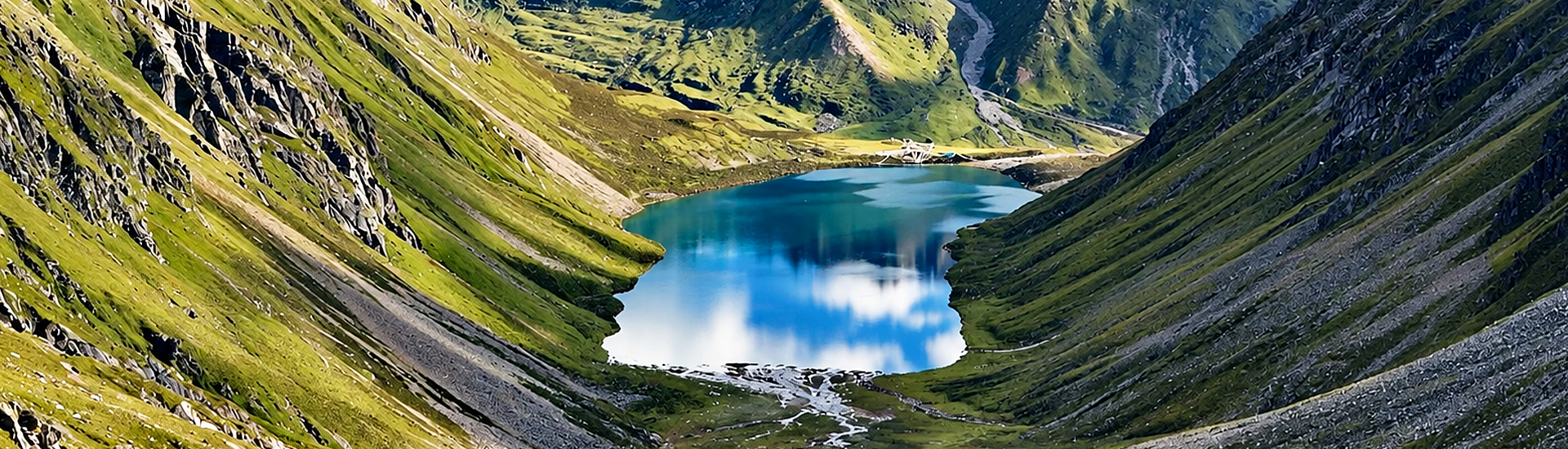
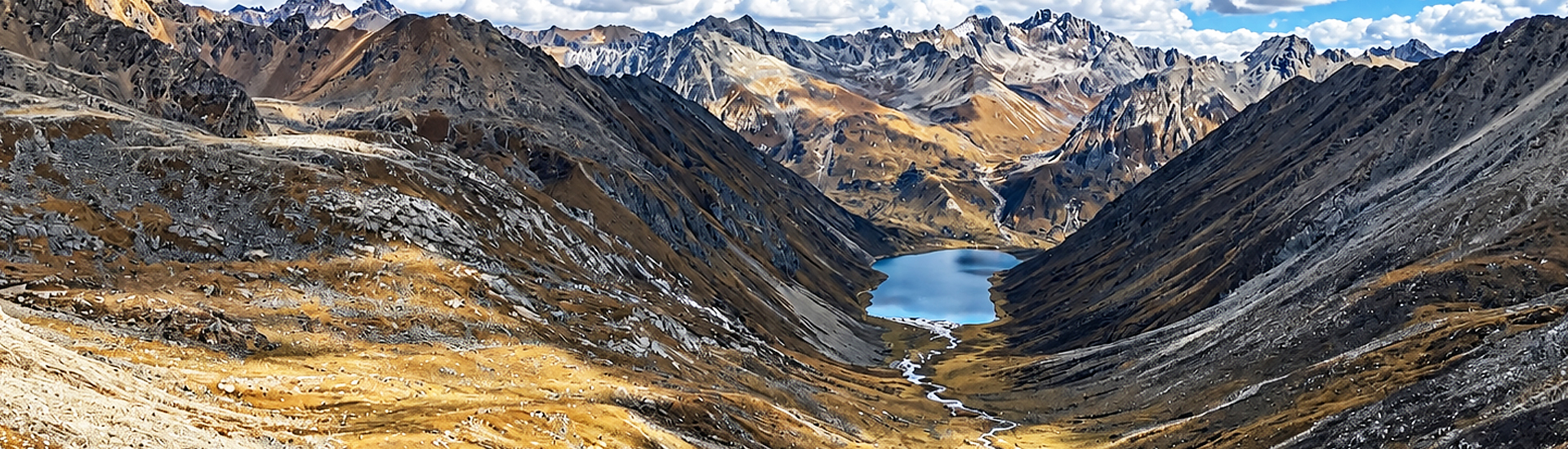
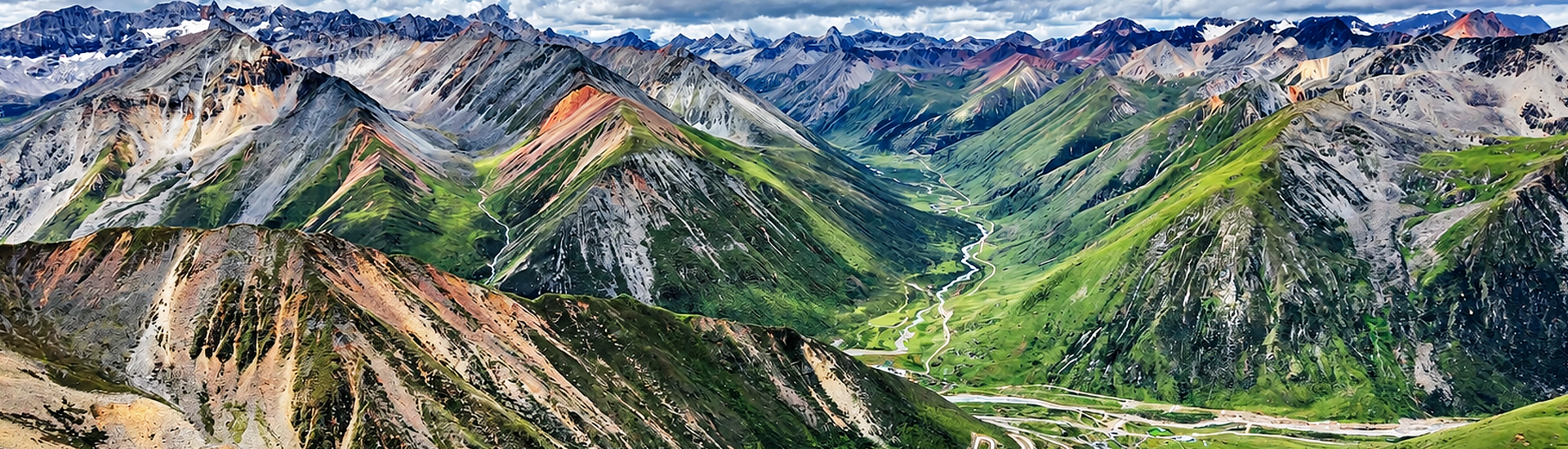
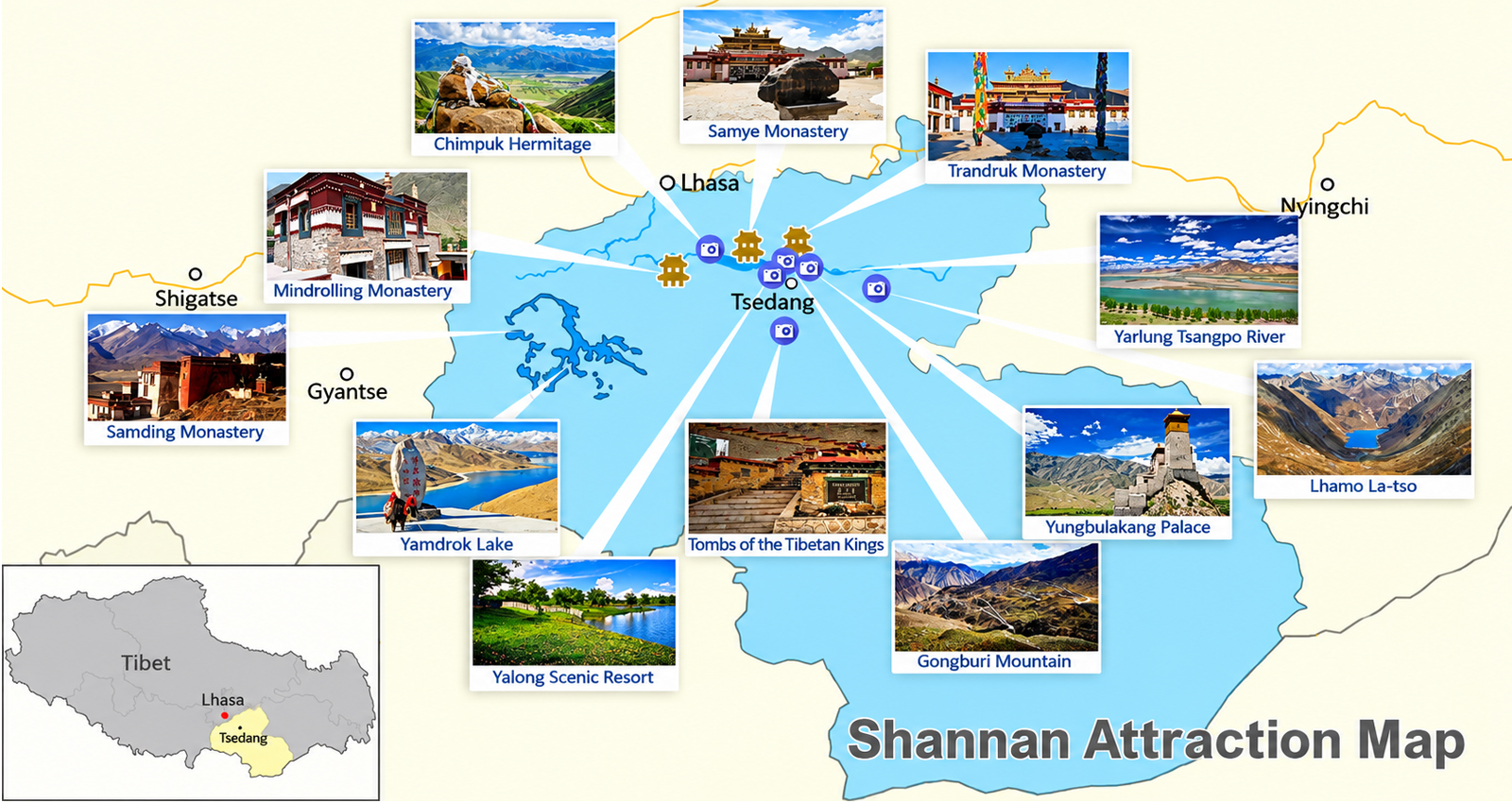
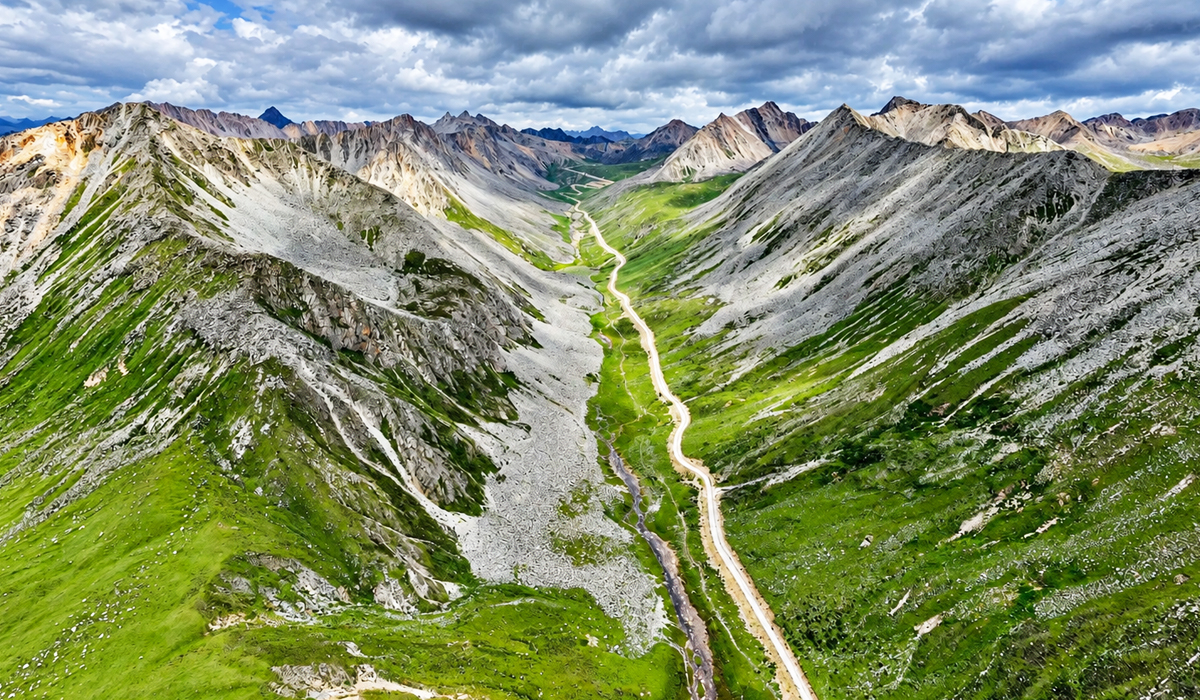
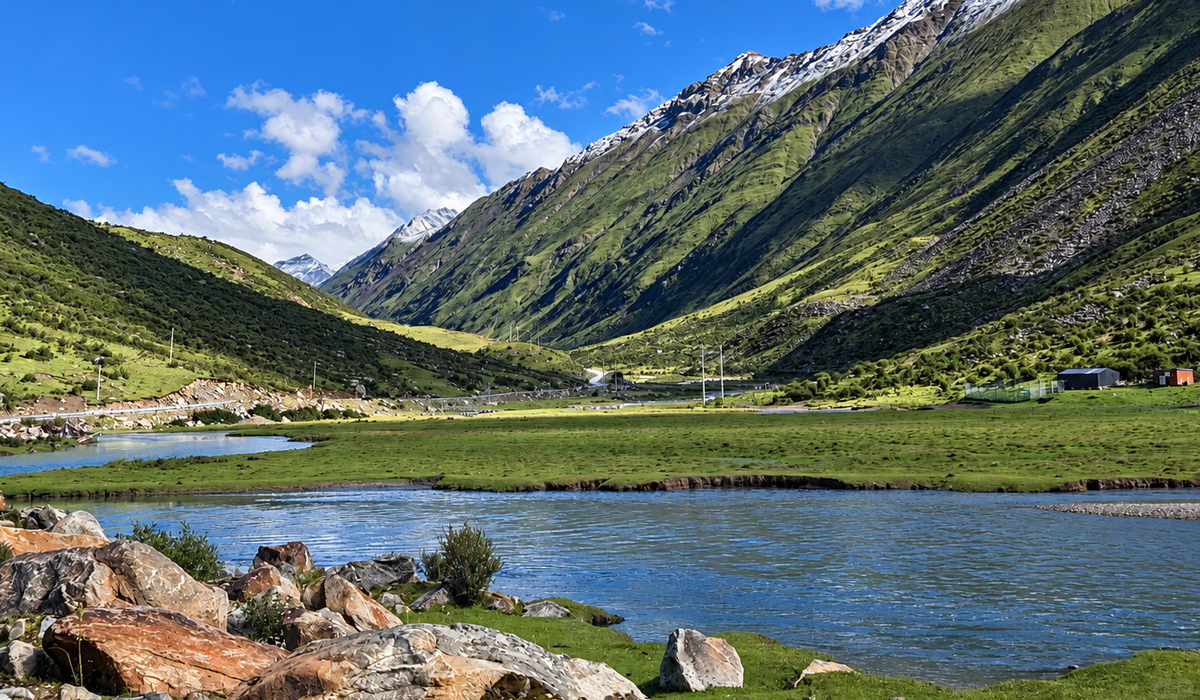
Lhamo La-tso is located in Gyaca County, Shannan, in the Tibet Autonomous Region. The lake lies in a remote mountain area, surrounded by rugged peaks and quiet plateau landscapes.
It is around 265 kilometers southeast of Lhasa. Because of its remote location, visiting Lhamo La-tso requires more time and planning than visiting better-known lakes closer to Lhasa.
Lhamo La-tso is about 5,080 meters above sea level, while the main viewpoint is about 5,310 meters. You need to hike at high altitude to reach the viewpoint, so proper acclimatization is important before your visit.
 Lhamo La-tso is located in Gyaca County, Shannan, Tibet.
Why Is Lhamo La-tso Sacred in Tibetan Buddhism
Lhamo La-tso is one of the most sacred lakes in Tibet and is often called an oracle lake. Although the lake is small, it has deep religious significance. For centuries, Tibetan pilgrims have traveled to this remote mountain lake to pray, seek spiritual guidance, and gaze into its waters.
Lhamo La-tso is closely associated with Palden Lhamo, an important protective deity in Tibetan Buddhism. According to Tibetan religious legend, the lake is believed to be a place where Palden Lhamo’s spirit resides. Palden Lhamo is traditionally believed to protect this sacred place. This connection has made Lhamo La-tso an important destination for Tibetan Buddhist practitioners.
According to local tradition, some people may see visions in the lake. These visions are believed to reveal something about their past, present, or future lives.
Lhamo La-tso and Reincarnation
Lhamo La-tso has long played an important role in the traditional search for reincarnated lamas in Tibetan Buddhism. These are religious figures believed to be the reincarnations of previous Buddhist masters. Observing the sacred lake is part of this traditional search process.
In 1509, the Second Dalai Lama, Gendun Gyatso, founded Chokorgyel Monastery near Lhamo La-tso. Since his time, senior monks have visited Lhamo La-tso to seek guidance in the search for reincarnated lamas.
According to tradition, senior monks quietly observe the lake for visions. Images of mountains, villages, houses, or other features may be seen as clues. These clues can help guide the search for a reincarnated lama.
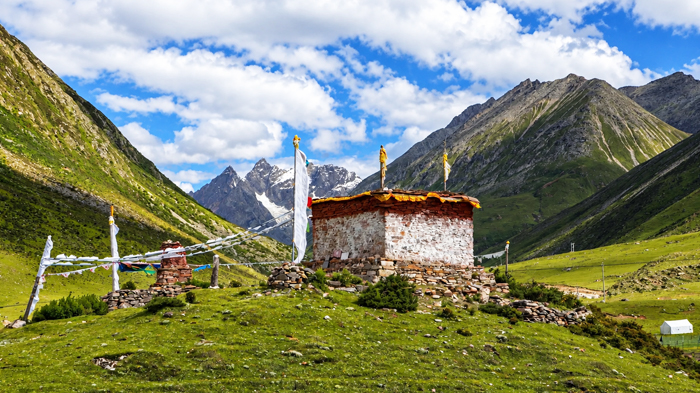 The Ruins of Chokorgyel Monastery near Lhamo La-tso.
What You Can See and Experience at Lhamo La-tso
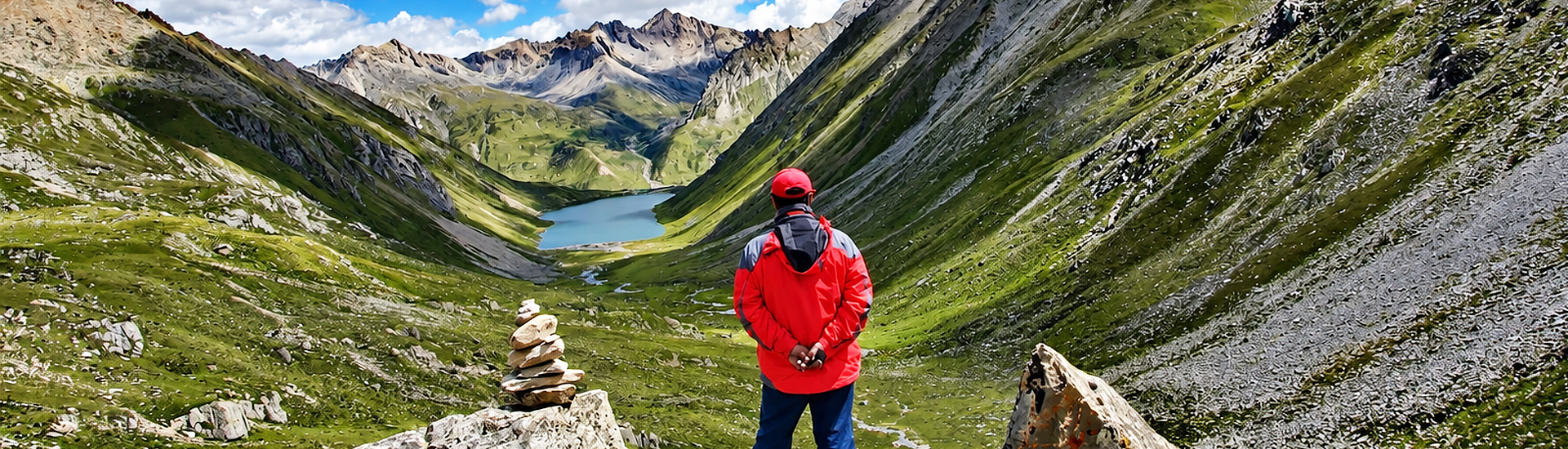
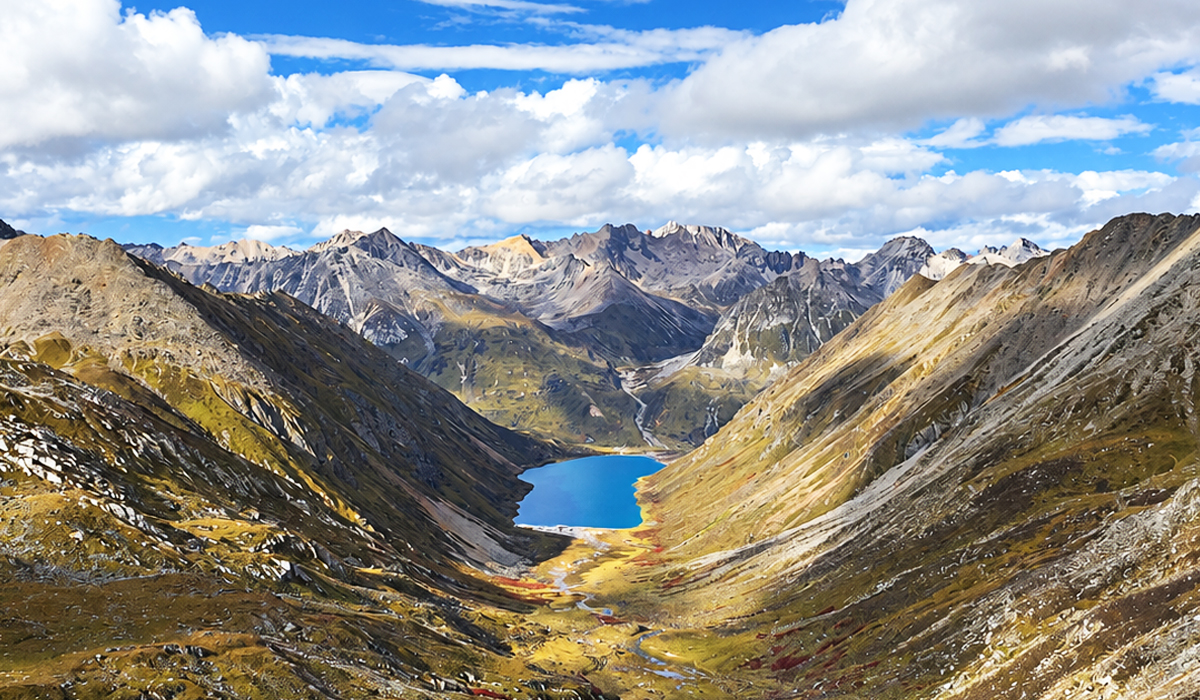
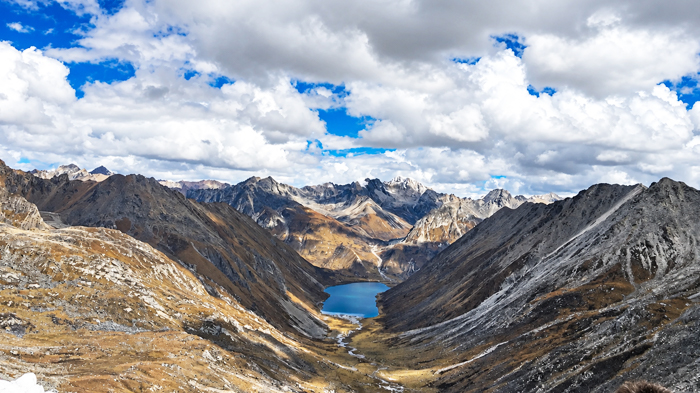
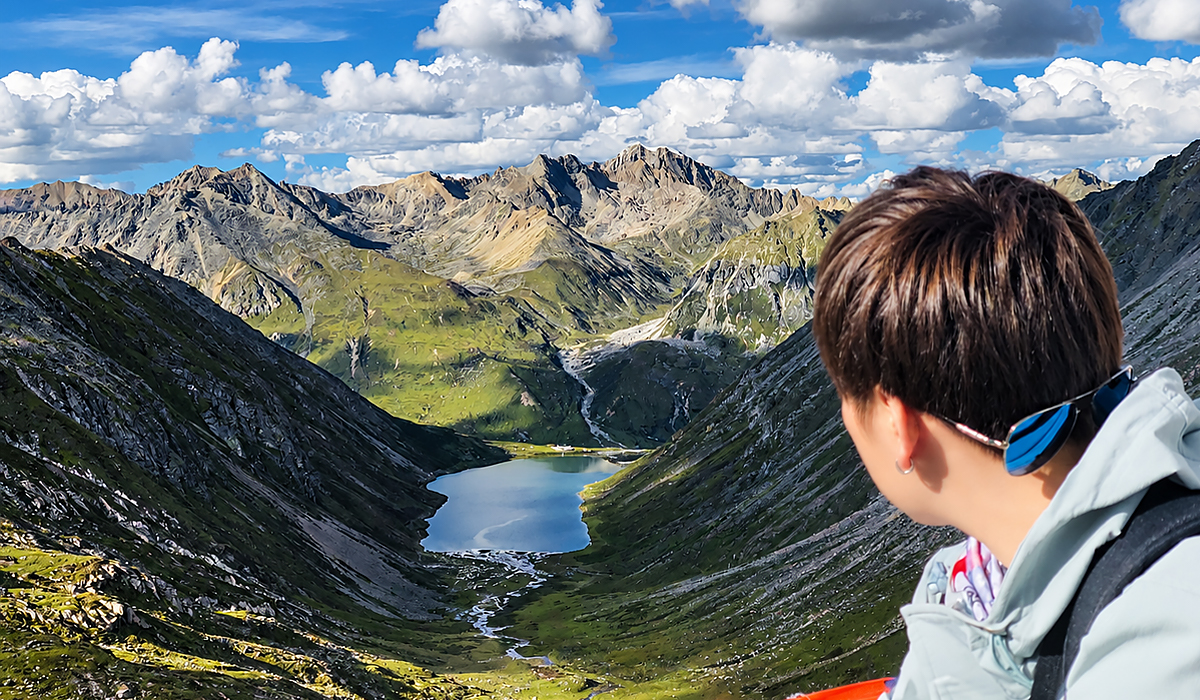
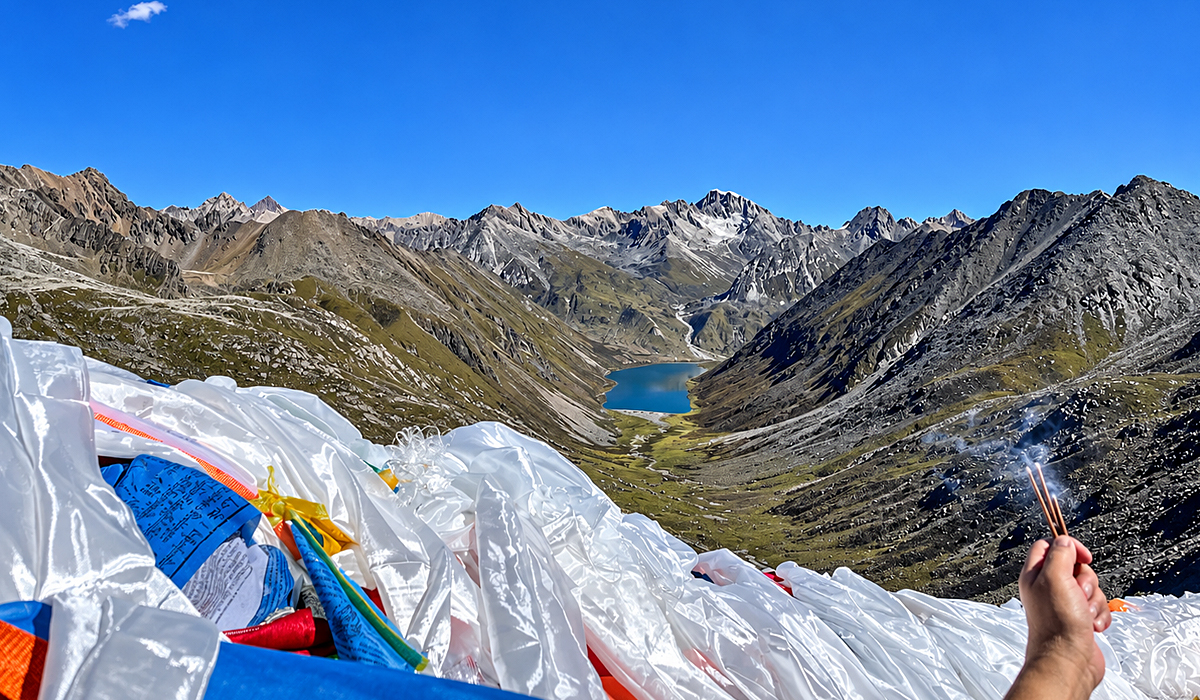
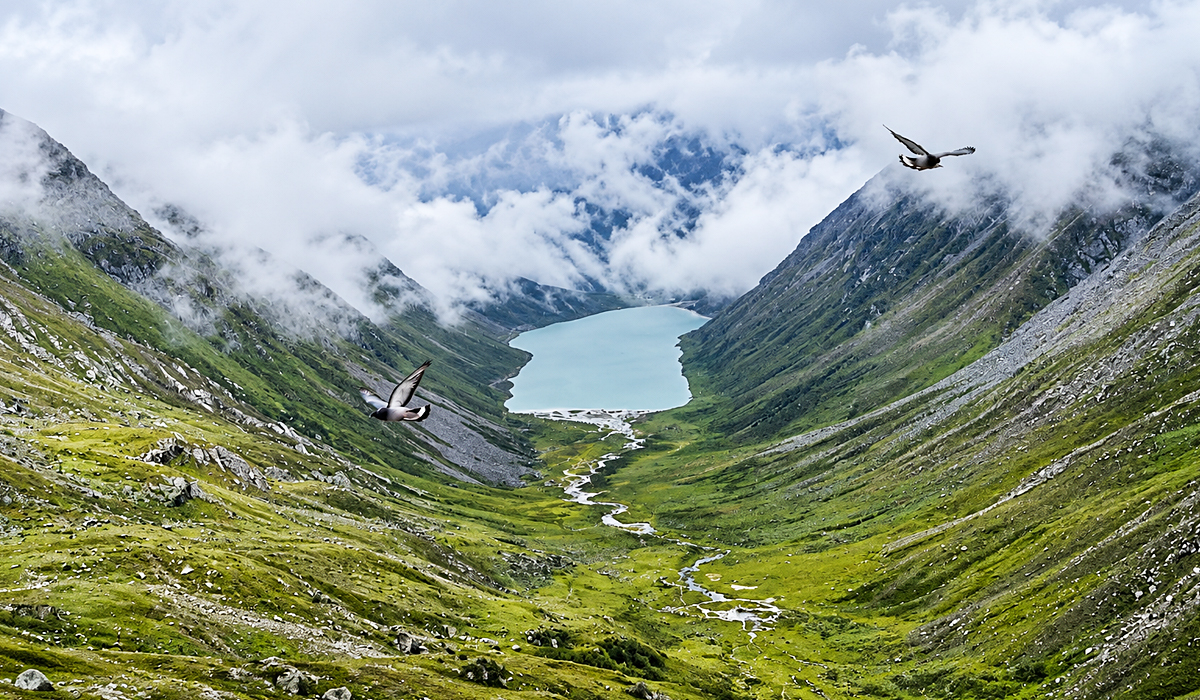
The main highlight of visiting Lhamo La-tso is seeing the sacred lake from the high mountain viewpoint. From here, you can look down over the deep blue lake surrounded by rugged mountains.
The appearance of Lhamo La-tso can change quickly with the weather. Sunlight, passing clouds, and mist can create different colors and reflections on the water. The view can change quickly as the weather shifts.
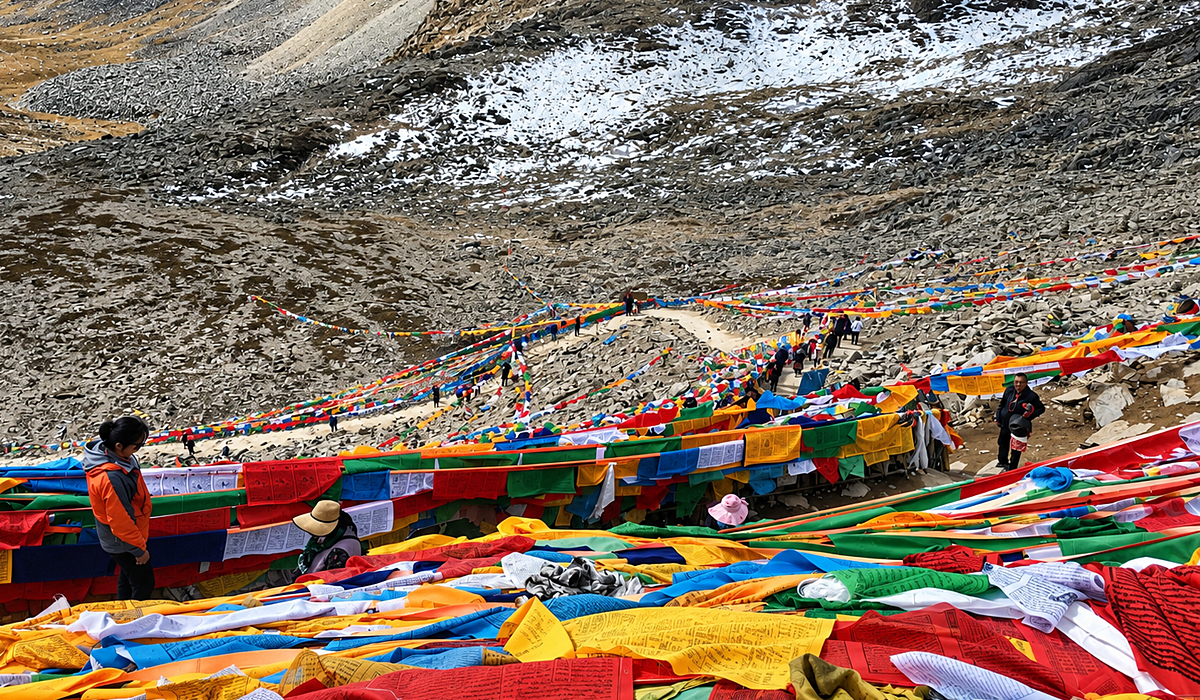
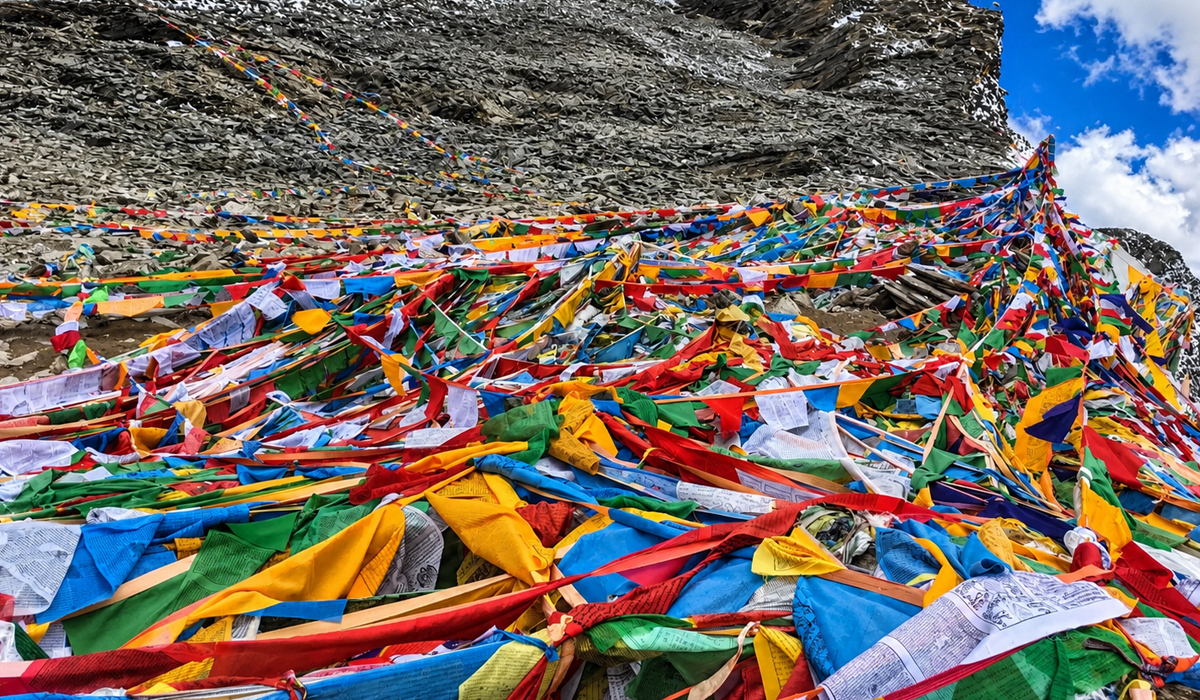
Beyond the scenery, you can also experience the pilgrimage atmosphere of Lhamo La-tso. You may see Tibetan pilgrims praying or quietly gazing at the lake. Your Tibetan guide can also explain the beliefs and traditions connected with this sacred place.
Because Lhamo La-tso is remote, the area usually feels peaceful and quiet. It is a good place if you want to experience Tibetan pilgrimage culture away from Tibet’s better-known destinations.
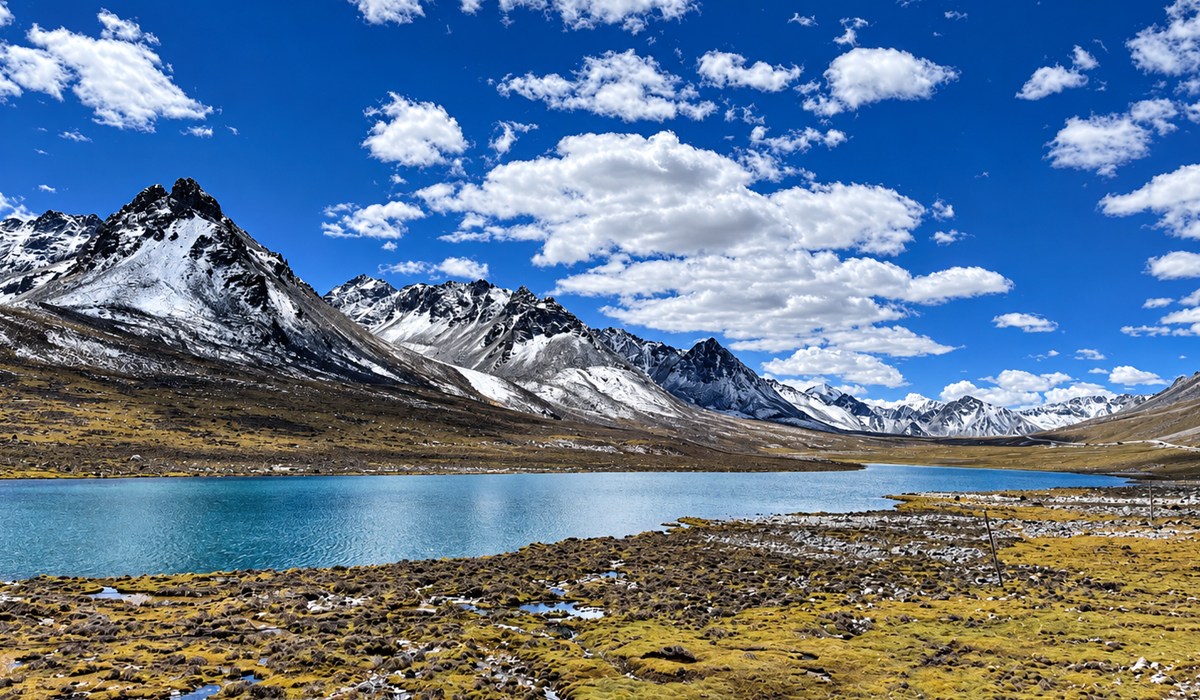
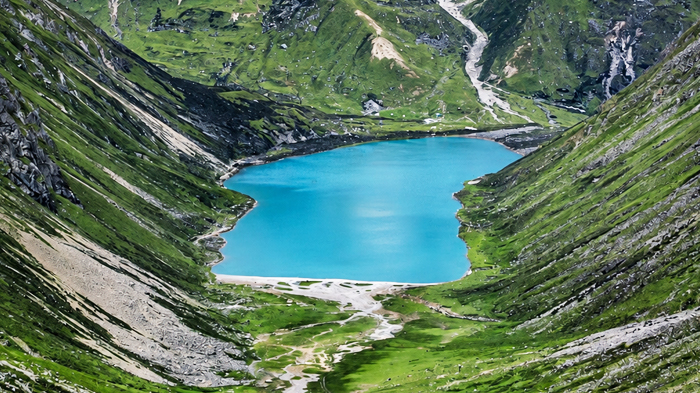 The breathtaking scenery of Lhamo La-tso.
Lhamo La-tso Trekking: Route and Difficulty
There are two different hiking experiences at Lhamo La-tso. Most visitors only need to take a short high-altitude hike to reach the main viewpoint. For experienced hikers, there is also a multi-day trek through the surrounding valleys and mountains.
Short Hike to the Lhamo La-tso Viewpoint
A short hike is required to reach the main viewpoint overlooking Lhamo La-tso. From the parking area, the trail is a few hundred meters long. The viewpoint is about 5,310 meters above sea level.
Because of the high altitude, this short hike can take around 30 minutes to 1 hour. The trail is rocky and uphill, so walk slowly and take breaks when needed. Make sure you are well acclimatized before the hike.
Multi-day Trek to Lhamo La-tso
For travelers looking for a longer trekking experience, there is also a multi-day Lhamo La-tso trekking route starting from Woka.
The multi-day trek route is as follows:
- Day 1: Woka to Dabo
Trek about 26 km along mountain trails. Pass Qusang Temple and stay overnight in Dabo. - Day 2: Dabo to Nayu Valley
Follow the valley to Nayu Valley at about 4,100 meters. You can also visit Nieka Waterfall along the way. - Day 3: Nayu Valley to Dagu Valley
Trek about 23 km in 7 to 9 hours. Camp in Dagu Valley near the Yarlung Tsangpo River. - Day 4: Dagu Valley to Lhamo La-tso
Trek mostly downhill for about 2 to 3 hours to reach Lhamo La-tso. Stay overnight near the lake. - Day 5: Lhamo La-tso to Cuijiu Village
Trek about 24 km downhill. Pass Chokorgyel Monastery before reaching Cuijiu Village, where the trek ends.
This five-day trek is rated as moderate to arduous. The long daily distances, rough terrain, and high altitude make it physically demanding. Good fitness and proper acclimatization are essential.
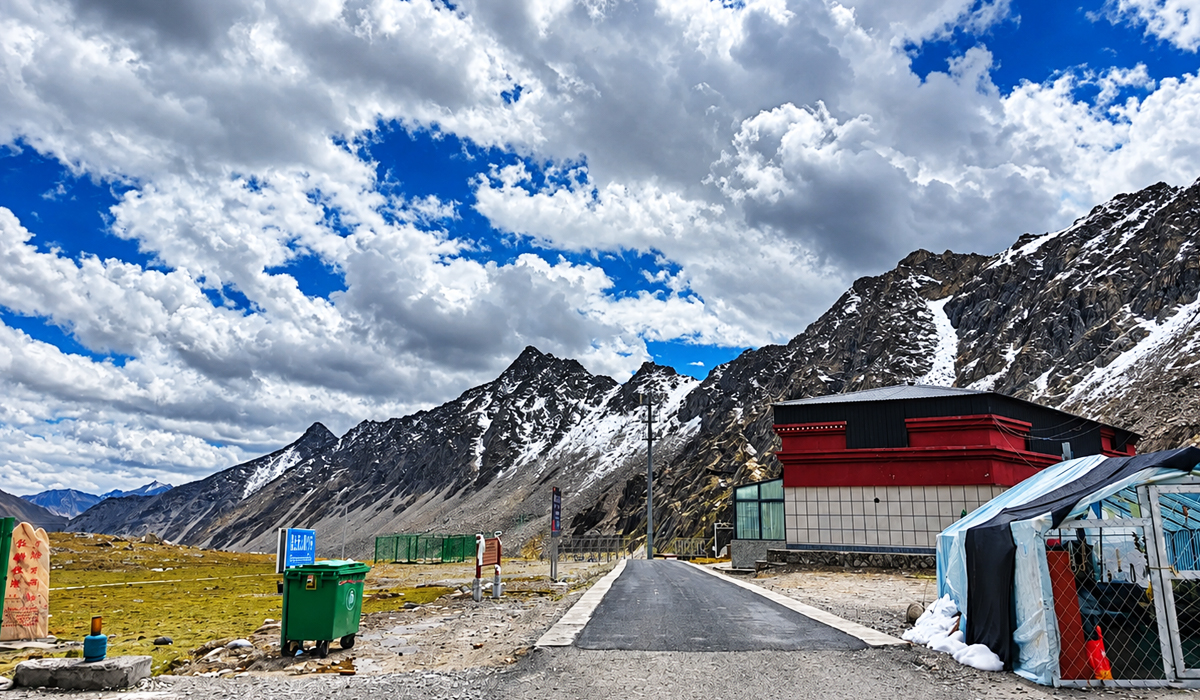
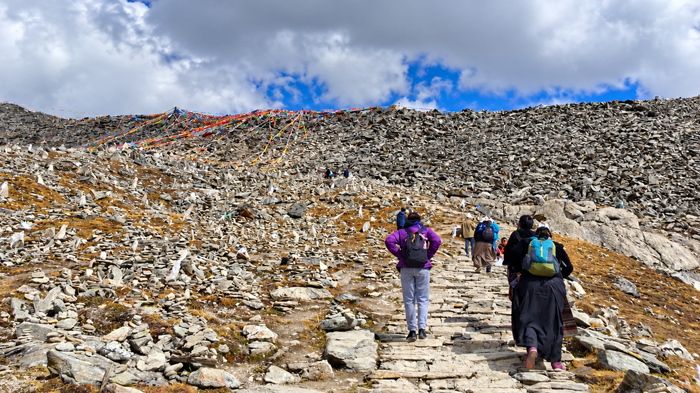 You need to hike a few hundred meters to reach the Lhamo La-tso viewpoint.
Best Time to Visit Lhamo La-tso
For a regular visit, the best time to visit Lhamo La-tso is generally from May to October. The weather is usually milder during this period. July and August are warmer, but they fall within the rainy season, so rain and clouds are more common.
For trekking, the best periods are generally April to May and September to October. The weather is relatively dry during these months, with better conditions for hiking. July and August are less suitable for the multi-day trek because rain can make the mountain trails wet and slippery. Trekking may still be possible in November, but temperatures are much colder.
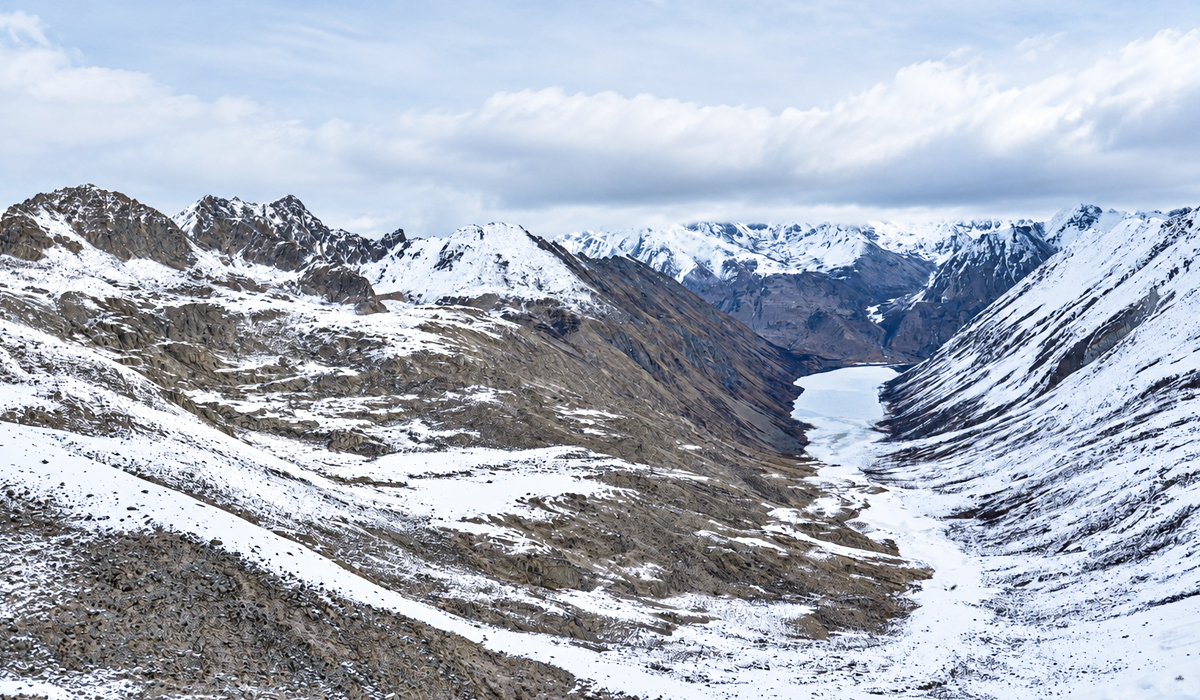
You can still visit Lhamo La-tso in winter, but it will be much colder. The scenic area may also close temporarily because of weather, road conditions, or other local arrangements. Check the latest opening status before your trip.


Travel from Lhasa to Tsedang and explore the roots of Tibetan Buddhism and civilization.
How to Get to Lhamo La-tso from Lhasa
Lhamo La-tso is about 265 kilometers southeast of Lhasa. The usual route goes from Lhasa to Tsedang, then to Gyaca, Chokorgyel Monastery, and finally the Lhamo La-tso parking area.
The journey can be divided into four sections:
- Lhasa to Tsedang: About 90 km, around 1.5 hours by car.
- Tsedang to Gyaca: About 110 km, around 2.5 hours by car.
- Gyaca to Lhamo La-tso Parking Area via Chokorgyel Monastery: About 65 km, around 1.5 hours by car. The road becomes more mountainous as you approach Lhamo La-tso.
- Parking Area to Lhamo La-tso Viewpoint: Walk a few hundred meters uphill to the viewpoint at about 5,310 meters. Because of the high altitude, the hike usually takes around 30 minutes to 1 hour.

Discover Tibet’s rich culture and stunning landscapes on a journey through Lhasa, Tsedang, and Shigatse.
Practical Tips for Visiting Lhamo La-tso
Opening Hours, Tickets, and Entry Rules
The entrance fee for Lhamo La-tso is generally CNY 50 per person. The scenic area is usually open from 8:00 to 17:00. To protect the local environment, the scenic area has a daily visitor limit of 1,000 people.
Opening arrangements may change. The scenic area may also close temporarily because of weather, road conditions, construction, or other circumstances. It is best to check the latest opening status with your travel agency before your trip.
Before entering the scenic area, you need to go through a security check. Mobile phones, cameras, smartwatches, and other electronic devices must be stored in the designated storage area. They cannot be taken to the viewpoint.
Altitude and Acclimatization
Lhamo La-tso is a very high-altitude destination. The lake sits at around 5,080 meters, while the main viewpoint is at about 5,310 meters. Hiking at this elevation can be physically demanding, even though the hike is short.
To reduce the risk of altitude sickness:
- Spend 2 to 3 days in Lhasa (3,650 m) or another place at a lower elevation before visiting Lhamo La-tso.
- Take short, gentle walks while acclimatizing. During the hike to Lhamo La-tso, walk slowly and take regular breaks.
- Stay well hydrated and avoid alcohol, especially during your first few days in Tibet.
- Watch for symptoms such as a persistent headache, dizziness, or unusual shortness of breath. If you feel unwell, tell your guide immediately.
What to Pack
The weather at Lhamo La-tso can change quickly, so you should prepare for strong sunshine, wind, rain, and cold temperatures. Bring these essentials:
- Warm clothes: Bring layers to stay comfortable in changing temperatures.
- Comfortable shoes: Choose sturdy shoes with good grip for walking and hiking.
- Sun protection: Bring sunscreen, sunglasses, and a hat to protect yourself from strong UV rays.
- Rain protection: A lightweight waterproof jacket is useful in case of sudden rain or snow.
Respect the Sacred Lake
Lhamo La-tso is an important pilgrimage site in Tibetan Buddhism. During your visit:
- Be respectful of pilgrims: Avoid disturbing people who are praying or meditating.
- Respect local customs: Follow your Tibetan guide’s advice on how to behave at the sacred lake.
- Protect the environment: Do not leave any litter behind or damage the natural surroundings.
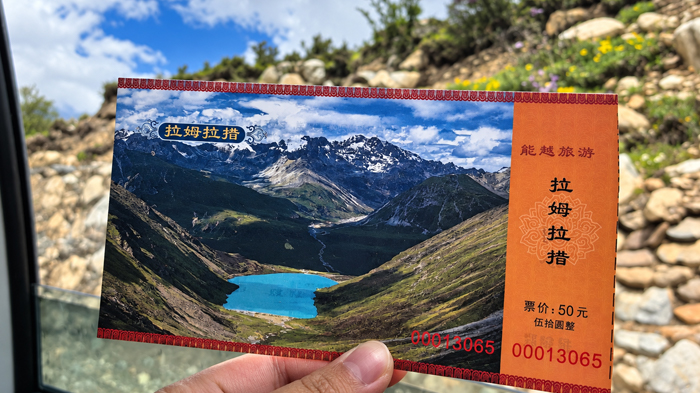 The ticket for Lhamo La-tso.
Frequently Asked Questions about Lhamo La-tso
Q1: Why is Lhamo La-tso famous?
Lhamo La-tso is famous as one of Tibet’s most sacred lakes and an important oracle lake. In Tibetan Buddhist tradition, the lake is associated with Palden Lhamo. It has played an important role in the traditional search for reincarnated Dalai Lamas. The lake is also known for its remote mountain setting and pilgrimage traditions.
Q2: Can foreign tourists visit Lhamo La-tso?
Currently, Lhamo La-tso is not open to foreign tourists. Access to the area is restricted, and the rules may change over time. If you are interested in adding the lake to your itinerary, check the latest access rules with your Tibet travel agency before making travel plans.
Q3: How difficult is the hike to the Lhamo La-tso viewpoint?
The hike to the Lhamo La-tso viewpoint can be a little challenging because of the high altitude. The main viewpoint is at about 5,310 meters, so even the short hike can feel demanding. Make sure you are well acclimatized before the hike. Walk slowly and take breaks when needed.
Q4: How many days do I need to visit Lhamo La-tso from Lhasa?
For travelers who are permitted to visit, a two-day trip from Lhasa is a more comfortable option. You can travel from Lhasa to Gyaca on the first day and visit Lhamo La-tso on the second day. If you include the multi-day trekking route, you will need additional days.
Q5: Is Lhamo La-tso suitable for first-time visitors to Tibet?
Lhamo La-tso is better suited to travelers who have already spent several days acclimatizing in Tibet and are prepared for hiking at very high altitude. If this is your first trip to Tibet, allow enough time to acclimatize in Lhasa or other lower areas before heading to Lhamo La-tso lake.
Conclusion
Lhamo La-tso combines sacred pilgrimage traditions with remote high-altitude landscapes. The journey takes more time and effort than visiting Tibet’s better-known lakes, but a visit can also help you understand the importance of sacred lakes in Tibetan Buddhist traditions.
If access becomes available for foreign travelers, Lhamo La-tso can be included in a Shannan tour or a customized Tibet itinerary. Make sure you have enough time to acclimatize and prepare for the journey. Contact us to check the latest access information and plan your Tibet journey.
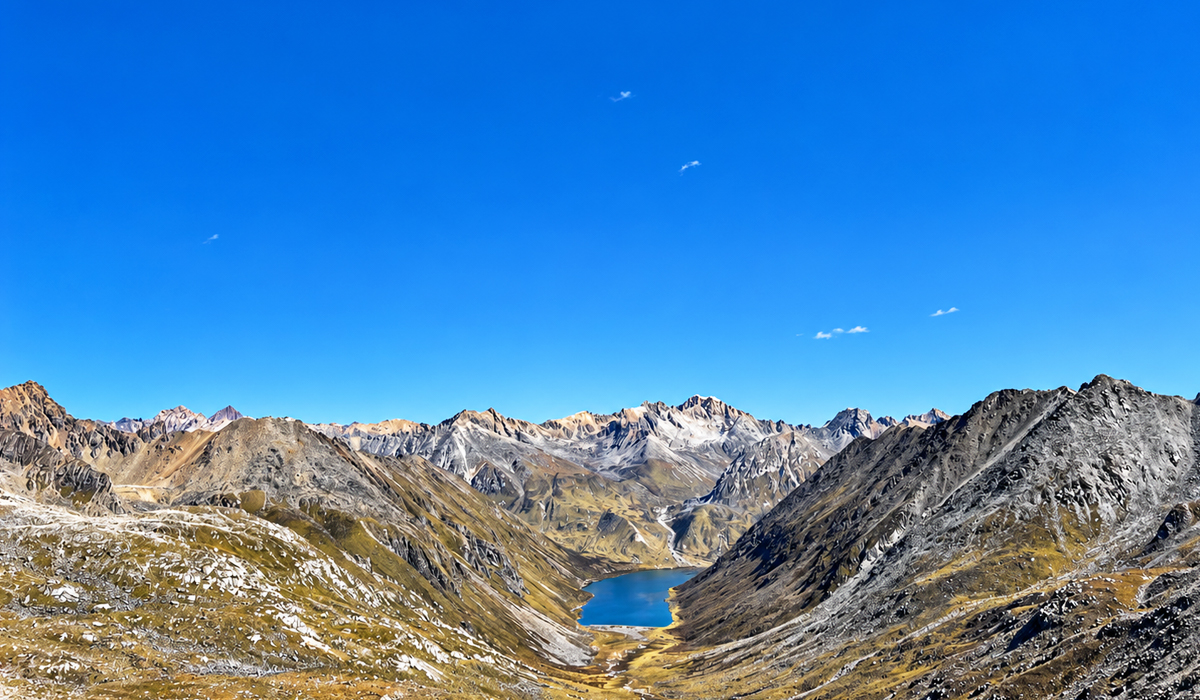


"Lhamo La-tso"
Check All Tibet Travel FAQs Here