
With China Tourist Visa Resumed,
Tibet Tours for All around the Globle are Available Right Now!

It is the best time to join our Tibet small group tour in 2024 at the best local price.
+ 86-28-81754631
TOP
theme

Our #1 Tibet Tour !

8 Days Overland Tour from Lhasa to Everest Base Camp

Until today, 9,953 tourists have fulfilled their lifetime Mt. Everest trip with us. We’re honored to be awarded as the #1 Best Mt. Everest Tour Organizer.

In the coming winter days, we’ll upgrade all stays and travel experiences of this trip for free from October 20, 2025, to April 1, 2026.

Book today —the best Mt. Everest winter tour awaits!

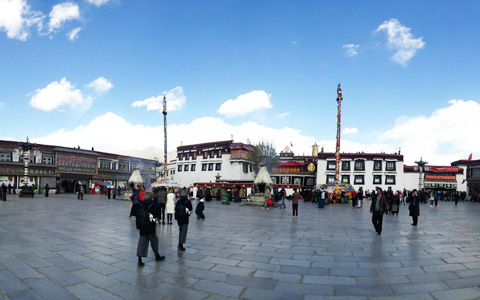
Jokhang Temple

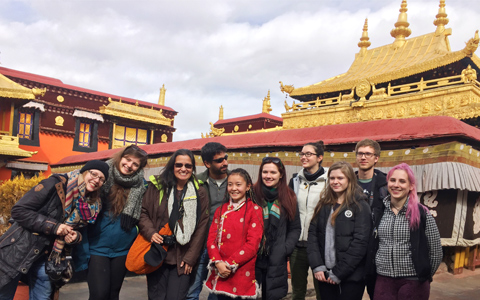
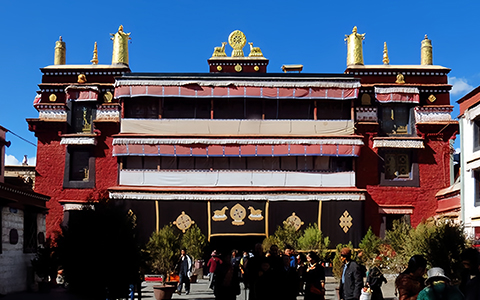
  • jokhang temple with our guests
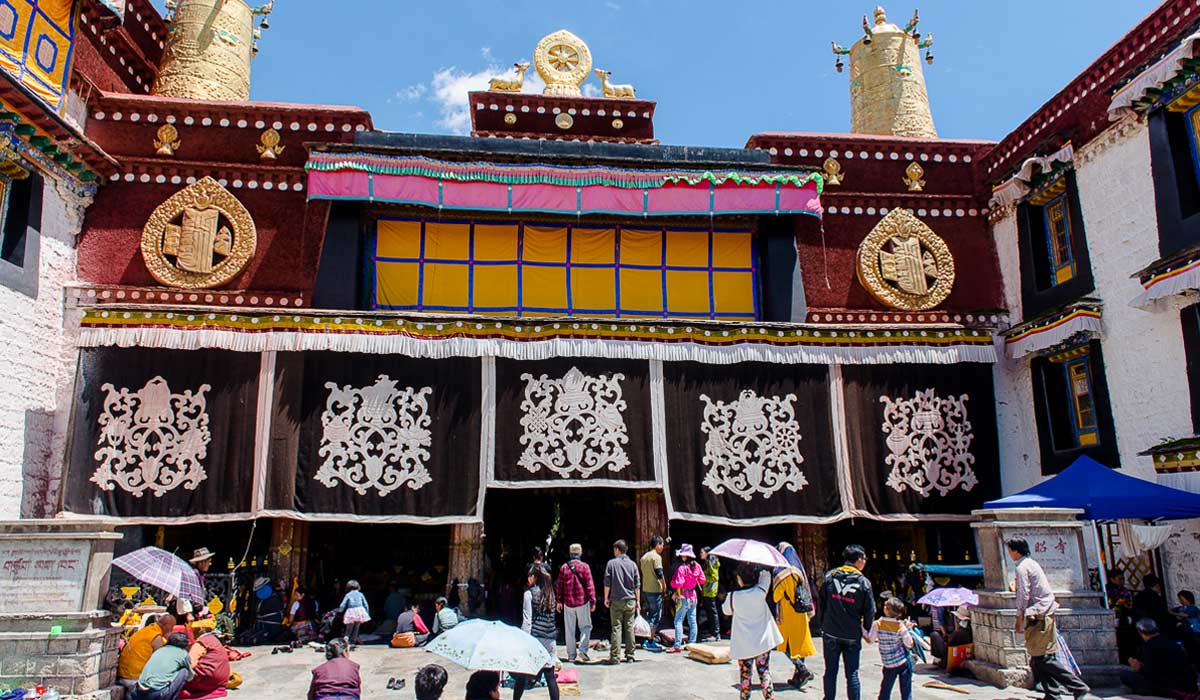
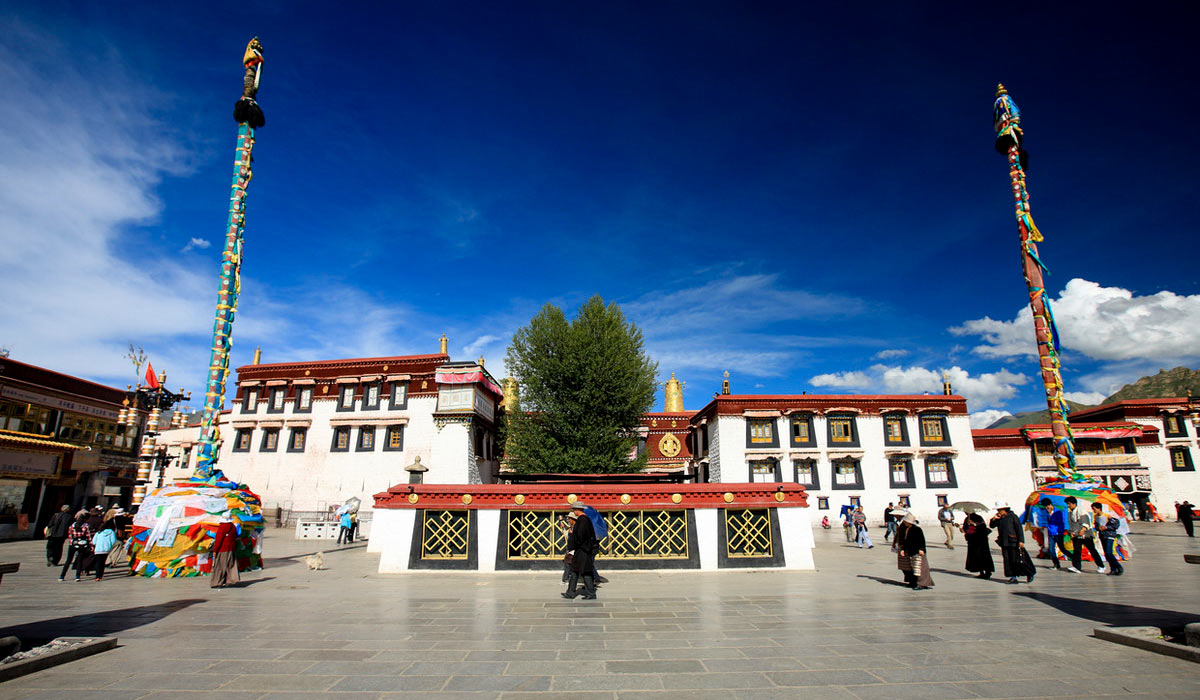
  • jokhang temple in lhasa
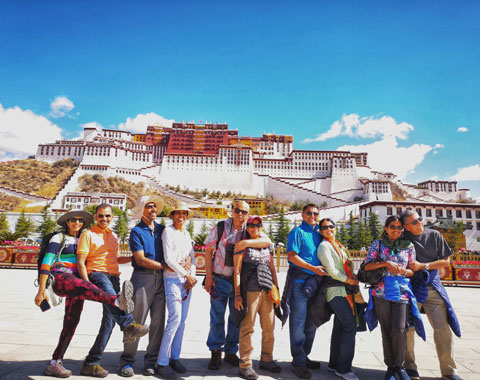
  • take photos before jokhang temple entrance
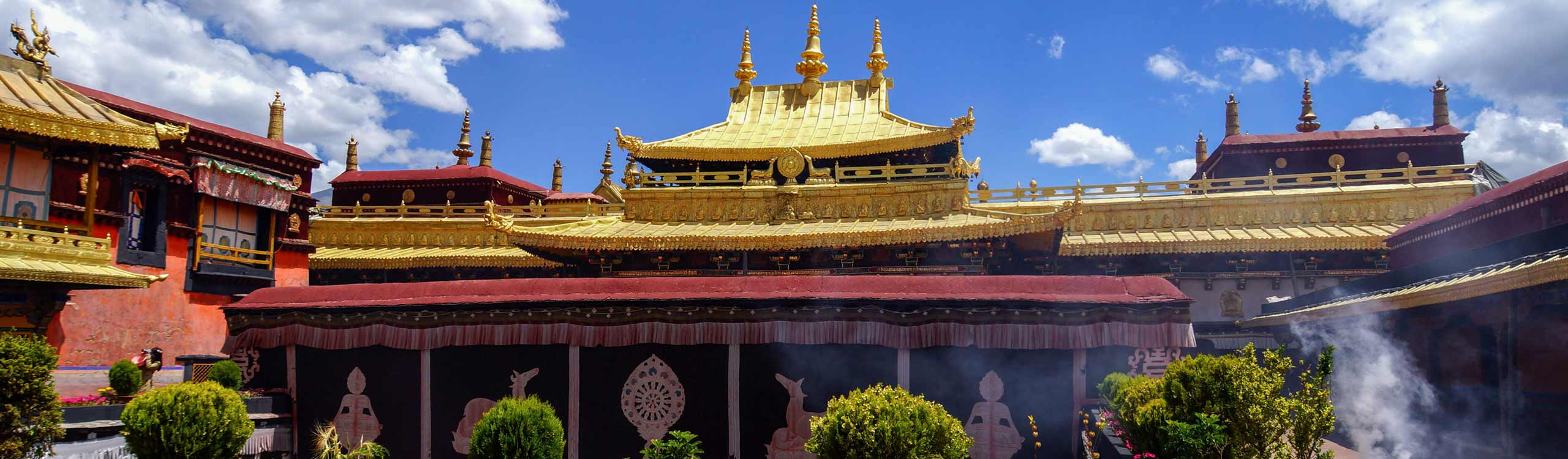
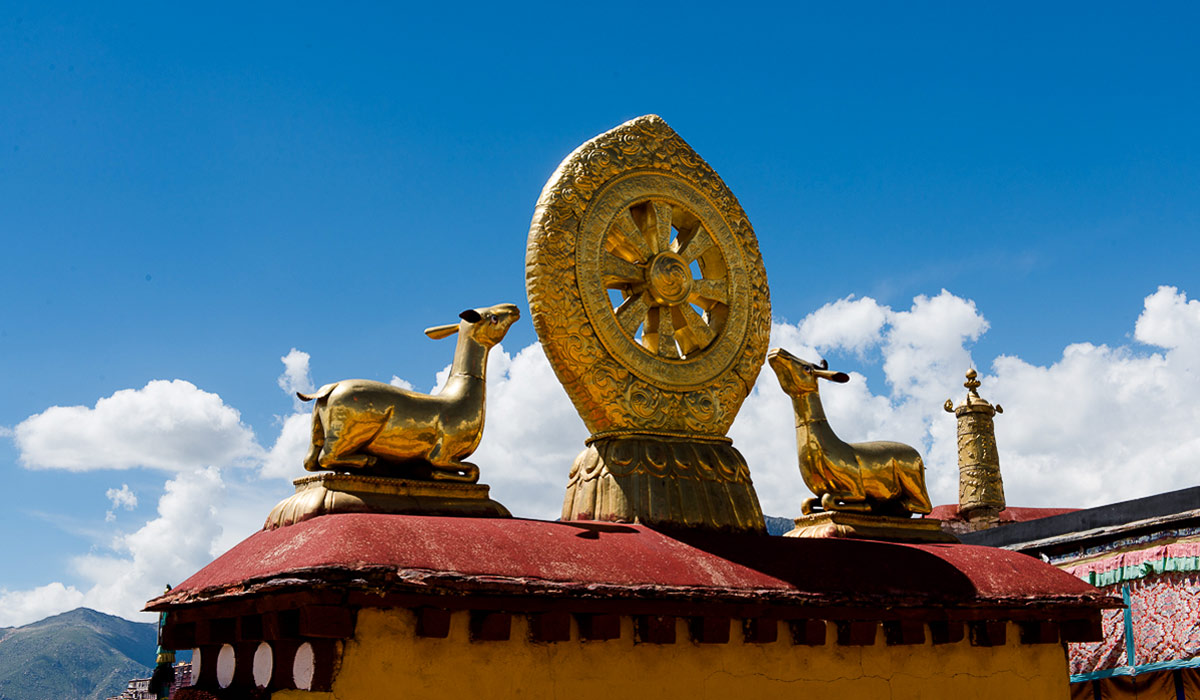
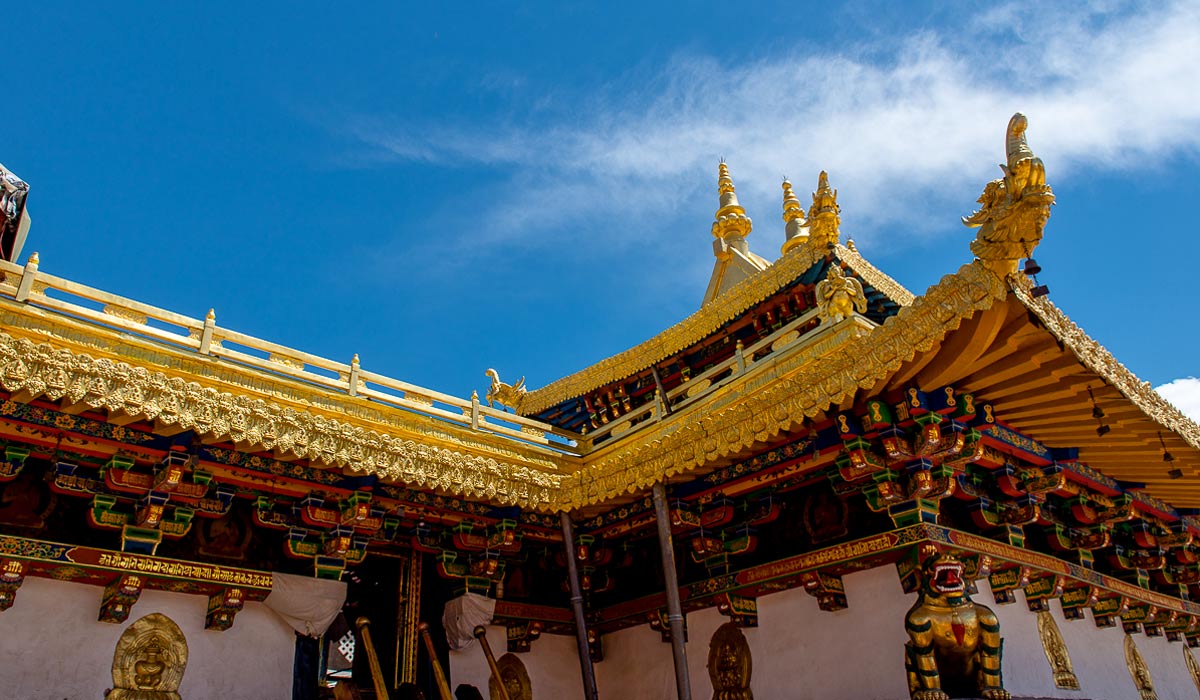
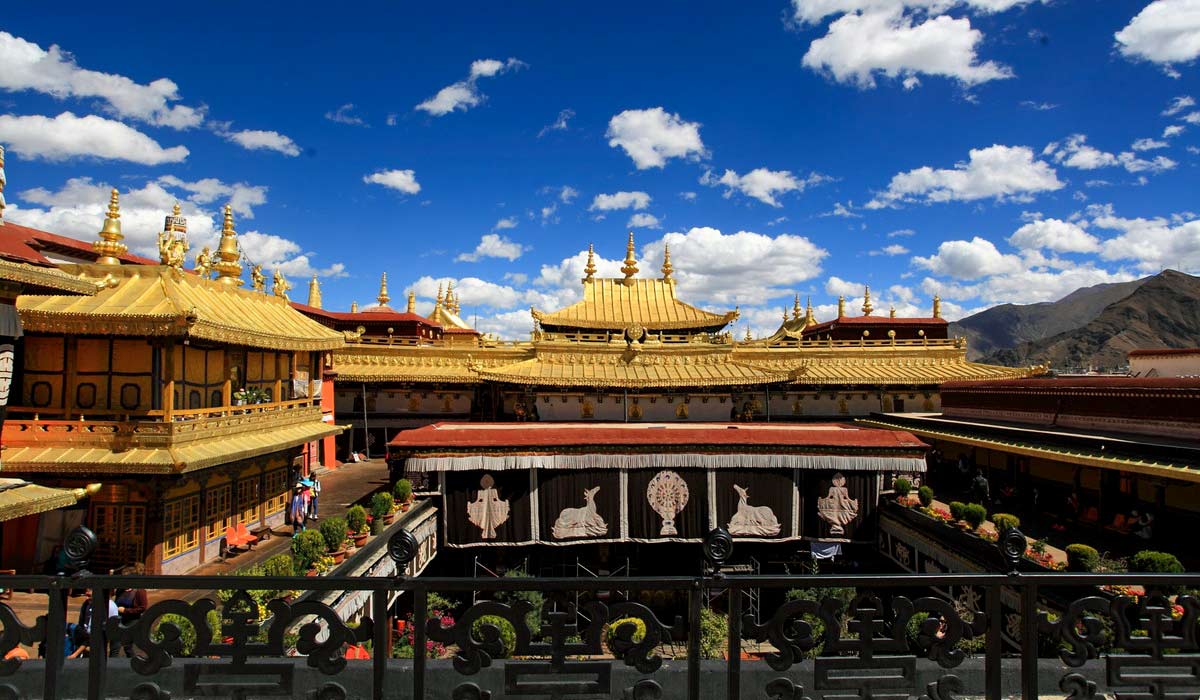
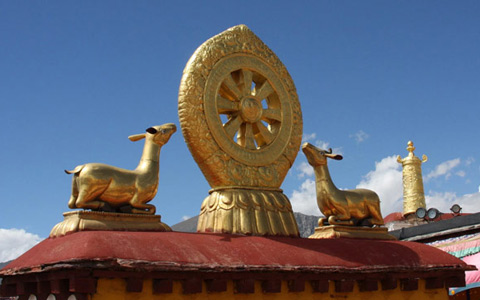
  • stunning golden roof of jokhang temple

Jokhang Temple

  • Location: No. 2, Barkhor West Street, Chengguan District, Lhasa
  • Altitude: 3,650m (11,975 ft)
  • Founder: Commissioned by the Tibetan King Songtsen Gampo from 639 to 647 AD
  • Historic Value: UNESCO World Heritage Site, the holiest temple in Tibetan Buddhism
  • Opening Hours: 08:00 – 18:30; hours may vary during festivals
  • Ticket Booking: We will help you secure the ticket in advance, 85CNY per person
  • Best Visiting Time: Afternoon, when it is less crowded, for a more immersive travel experience
  • Top Highlights: Visit the life-sized statue of 12-year-old Shakyamuni Buddha, admire ancient murals, experience Jokhang inner kora (pilgrimage), explore the golden rooftop, and more
  • How to Get There: Enjoy our comfortable tour bus or walk with our local experts to reach it

Why Jokhang Temple Is a Must-Visit in Lhasa?

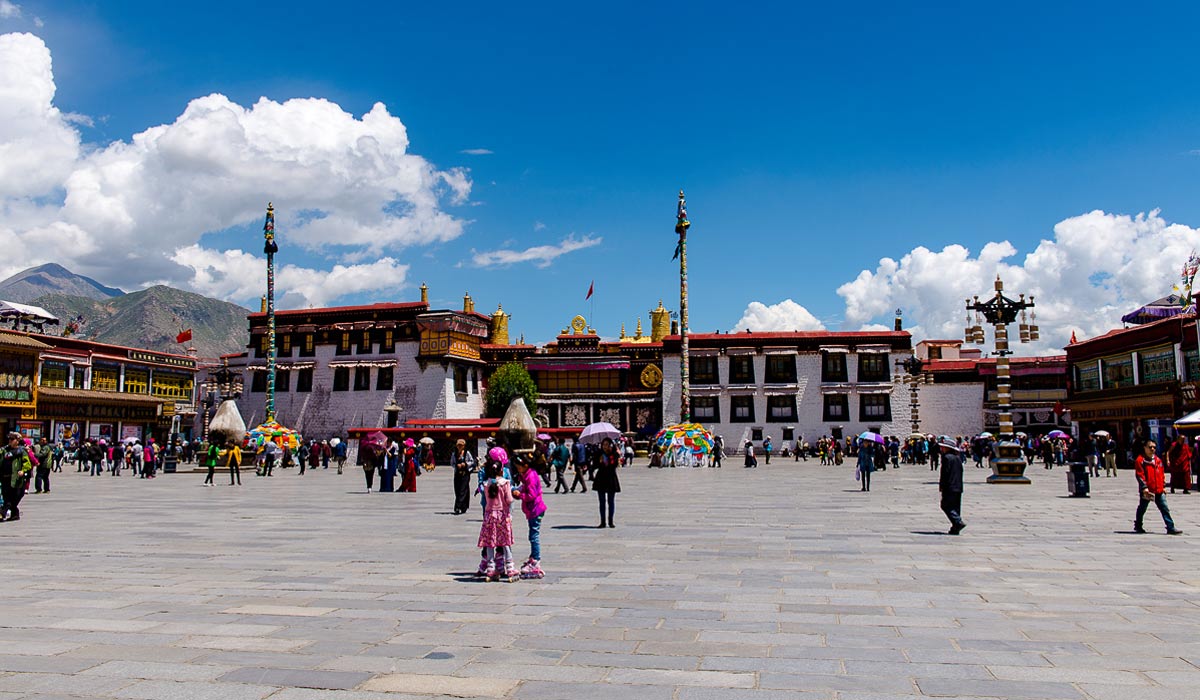
It is said that first came the Jokhang Temple, then Lhasa City. For anyone visiting Tibet, Jokhang Temple is a must-visit for the Lhasa tour. As one of the three UNESCO World Heritage Sites in Lhasa, it offers you a full picture of the development of Tibetan Buddhism and culture.

Historically, Jokhang Temple was commissioned by the 33rd Tibetan King Songtsen Gampo in the 7th century (647AD), shortly after he unified the Tibetan empire (Tubo) and moved his capital from Shannan to the fertile and peaceful Lhasa Valley Plain.

Although King Songtsen Gampo had unified Tibet politically, the Tibetan empire still lacked a shared spiritual belief since, at that time, most Tibetans followed the native Bon religion with divided branches. To unite his people and introduce a shared spiritual belief (Buddhism), King Songtsen Gampo decided to marry Princess Bhrikuti of Nepal and built the Jokhang Temple for her as one of the practical ways to introduce Buddhism into Tibet.

Princess Bhrikuti came to Lhasa with a precious life-sized statue of the 8-year-old Shakyamuni Buddha. The founding of Jokhang Temple not only marked the official arrival of Buddhism in Tibet but also symbolized its triumph over the native Bon religion.

Later, to strengthen ties with the Tang Dynasty of China, King Songtsen Gampo married Princess Wencheng and built Ramoche Temple for her. As a dowry, Princess Wencheng brought another invaluable statue, the life-sized statue of 12-year-old Shakyamuni Buddha.

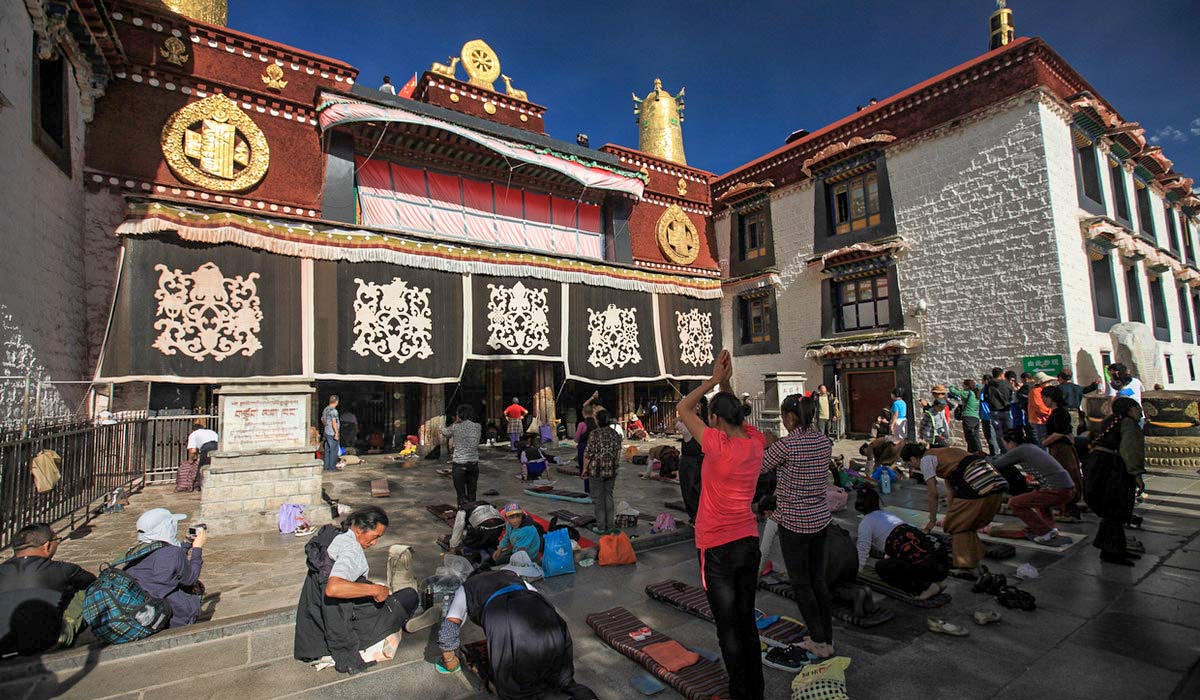
After Songtsen Gampo passed away, this sacred statue was moved from Ramoche Temple to Jokhang Temple, where it has been enshrined ever since. From that moment, Jokhang Temple truly became the spiritual heart of Tibet and the center of pilgrimage in Lhasa. Pilgrims across Tibet flock to this sacred site for pilgrimage and to worship the life-sized Sakyamuni Buddha statue enshrined within.

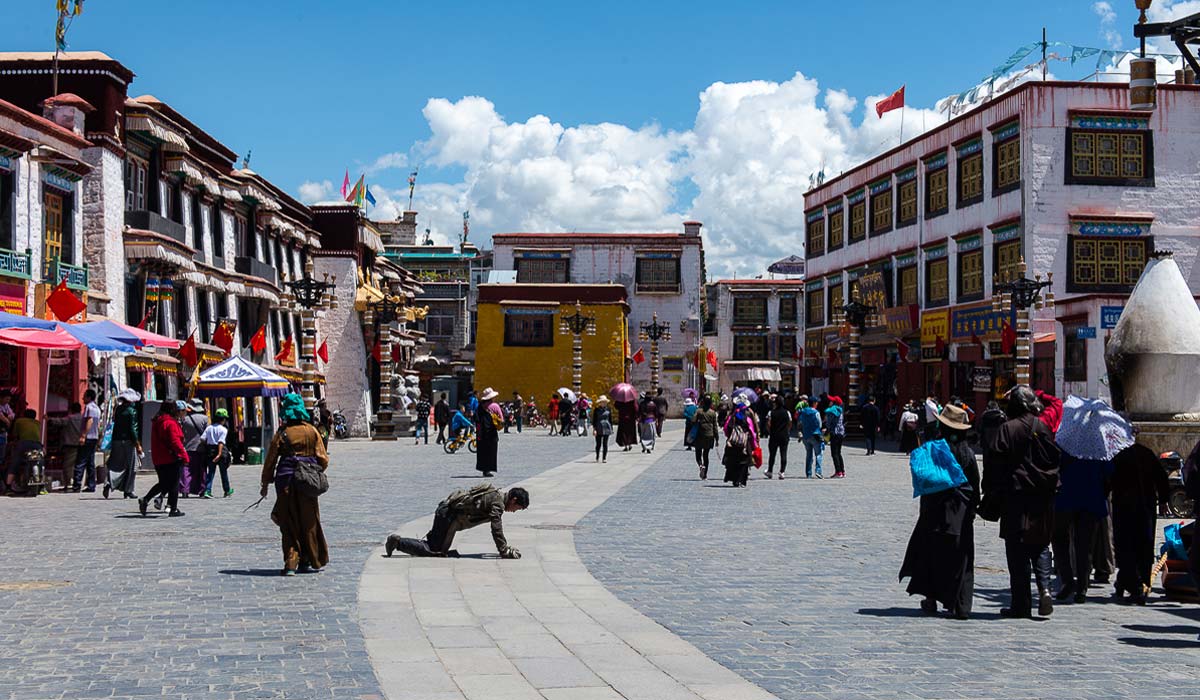
Tibet pilgrims prostrating themselves before the entrance of the Jokhang TempleTibet pilgrims prostrating themselves before the entrance of the Jokhang Temple.

Explore Tibet's most iconic attractions in a classic 4-day Lhasa tour.

Top 5 Highlights for Visiting the Jokhang Temple

Visiting Jokhang Temple is about experiencing the living faith and centuries-old traditions of Tibet. As you explore Jokhang Temple with our local experts, here are the top 5 highlights you can’t miss.

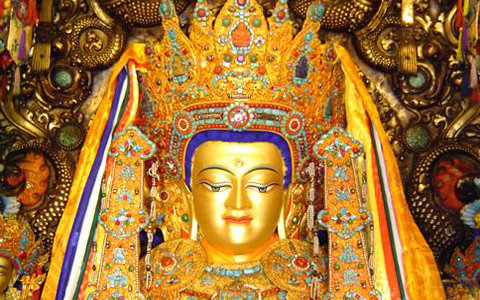
The top highlight in Jokhang Temple is the Chapel of Jowo Sakyamuni on the ground floor. Here, you can admire the life-size statue of a 12-year-old Shakyamuni Buddha, brought to Tibet by Princess Wencheng from the Tang Dynasty over 1,300 years ago. Among the only three life-size statues of Shakyamuni in the world, this 1.5m statue of Sakyamuni is the largest and the most exquisite one. It is embedded with precious stones, covered in silks and jewellery, and surrounded by silver pillars with dragon motifs.

For us Tibetans, this statue is not just an image but the living presence of the Buddha himself. That’s why you will see devoted pilgrims from every corner of Tibet prostrating before it, and some even spend months walking or prostrating themselves just to pray before this Buddha. As you step forward to offer prayers or simply bow your head, you will feel the same deep faith that fills this sacred hall with great devotion. Apart from the priceless life-size statue of Shakyamuni Buddha, Jokhang Temple is filled with artistic ancient murals and woodcarvings.

Right at the entrance to the main hall, you will see a mural, “Construction of Jokhang Temple,” that tells the story of how Jokhang Temple was built in the 7th century. It even shows what the early Potala Palace looked like and how the lake here was filled in to create the foundation for the Jokhang Temple. This is not only a work of art but also a vivid historical record.

On the ground floor of the main hall, the walls are covered with colorful murals such as the “Princess Wencheng’s Journey to Tibet”, “Eight Great Deeds of Shakyamuni,” and more. These frescoes vividly depict the arrival of Princess Wencheng to Tibet, timeless Buddhist legends, the lives of ancient Tibetans and Han Chinese, and the landscapes of Tibet.

Besides, you will also see eight original sandalwood doorframes and pillars from the 7th century. The wood has become as hard as iron after over 1,300 years, and when you knock on it, it sounds like metal. These are national treasures, and you won’t find anything like them in any other monastery in Tibet.

What’s more, inside the Jokhang Temple lies the famous pilgrim circuit (Nangkhor, inner kora) that encircles the Chapel of Jowo Sakyamuni. This closest pilgrimage route to Sakyamuni Buddha spans 500m and takes you past stunning murals with countless Buddhas and 380 prayer wheels. You can walk with local pilgrims to spin the prayer wheels and experience the most sacred and mysterious pilgrimage path in Lhasa.

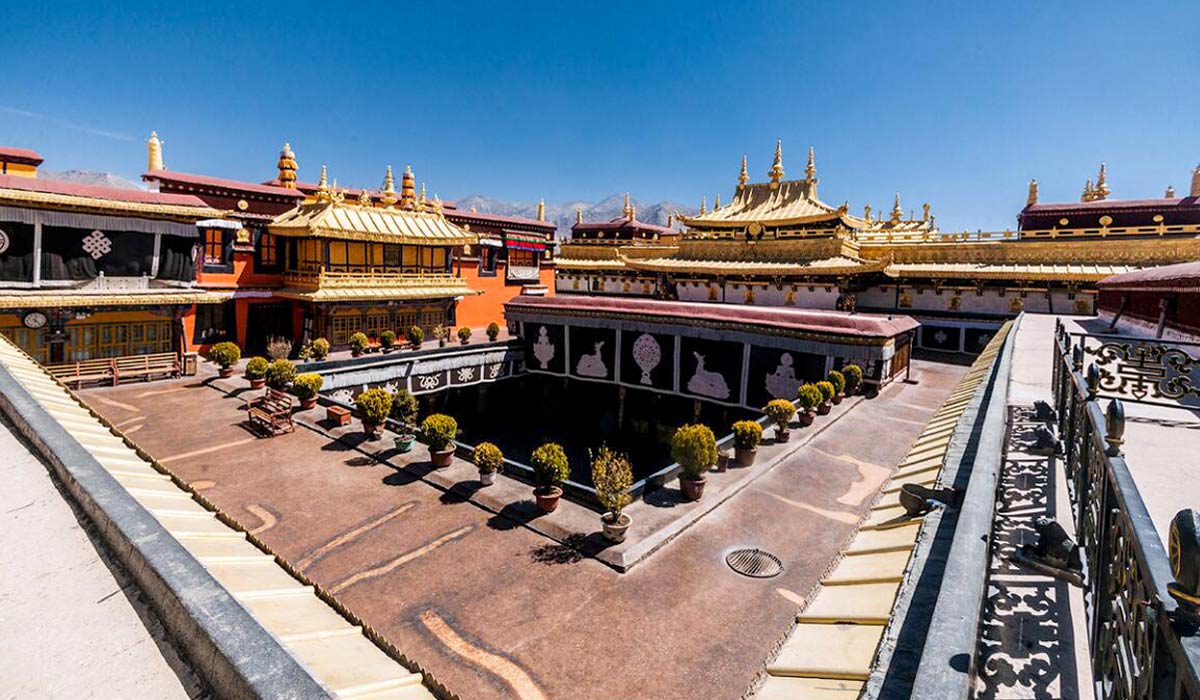
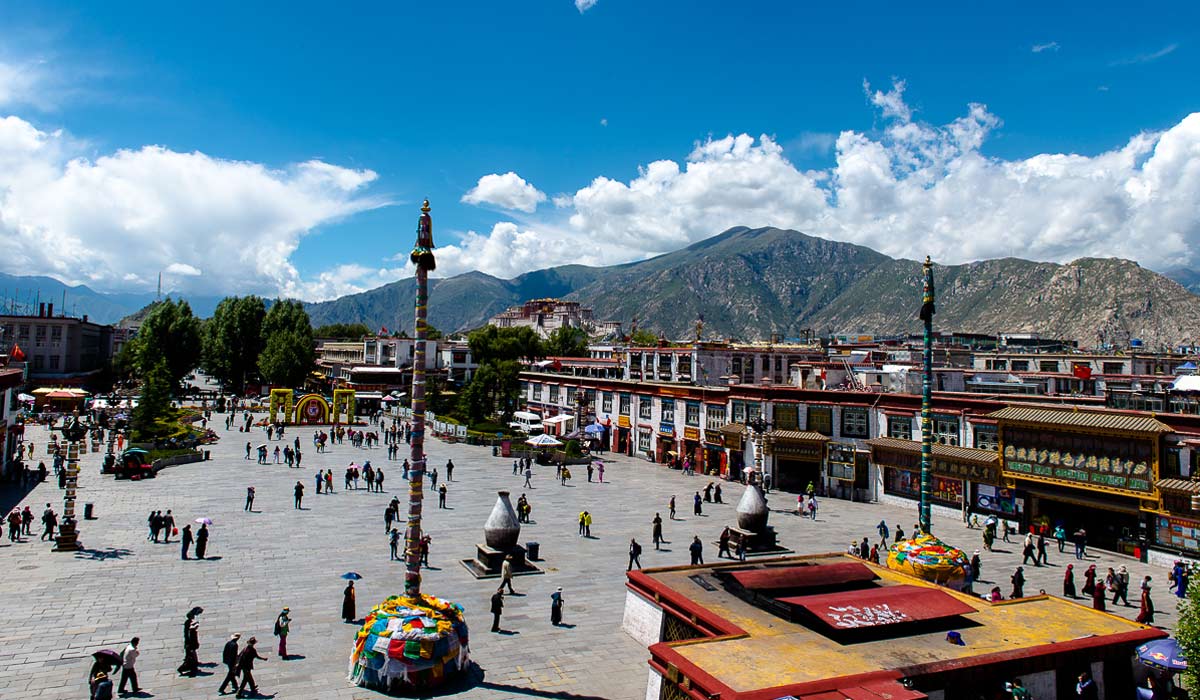
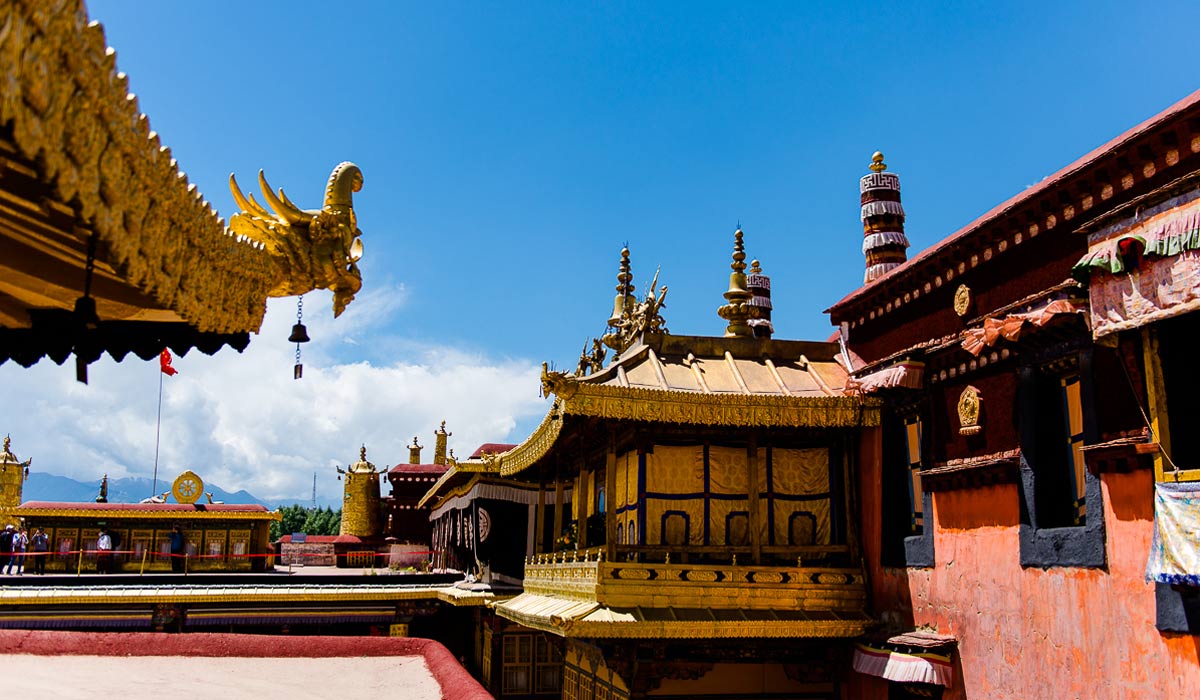
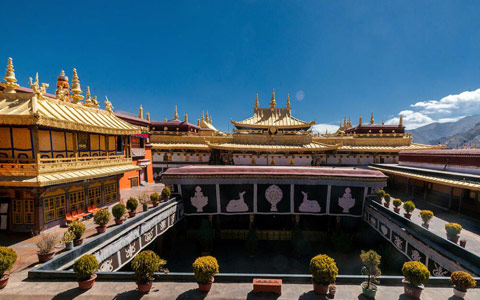
After exploring the inside of Jokhang Temple, it’s well worth spending some time on the golden rooftop terrace. From here, you can enjoy sweeping views of Barkhor Street, with the endless flow of pilgrims walking or prostrating around the temple. In the distance, the Potala Palace rises majestically against the backdrop of the Lhasa Valley. Standing here, you will truly feel the heartbeat of holy Lhasa city before your eyes.

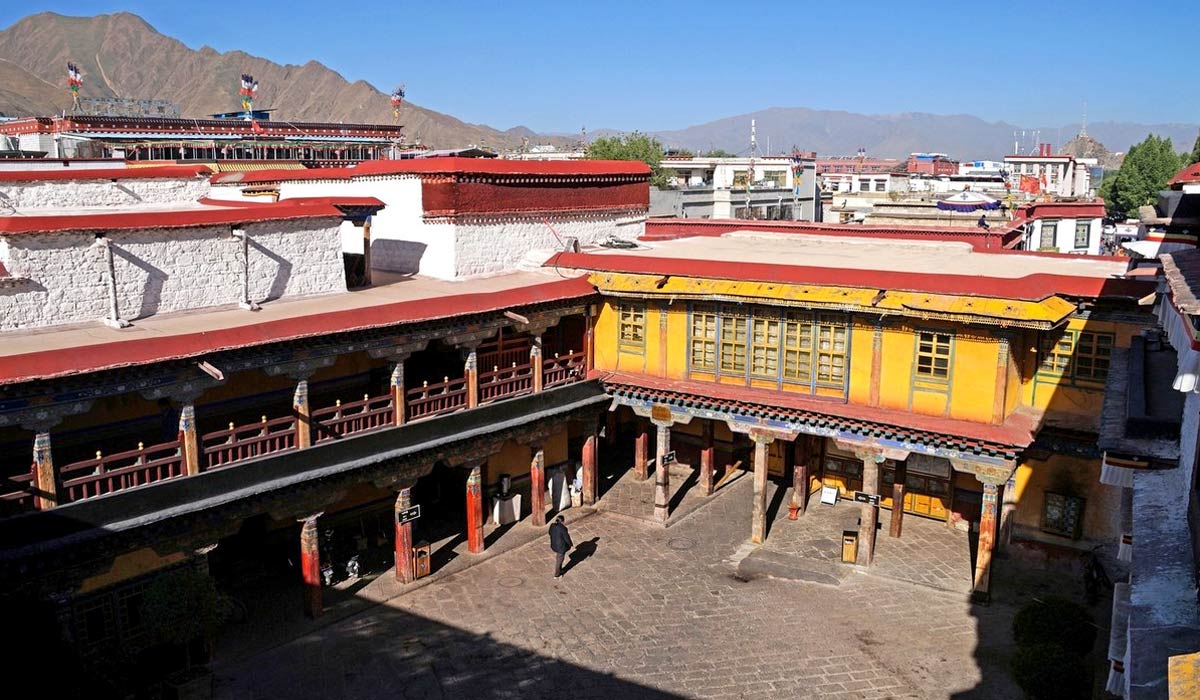
In addition, please take your time to admire Jokhang Temple’s unique architecture, which seamlessly blends Tibetan, Chinese, Nepalese, and even Indian styles. The curved golden roofs are inspired by Tang Dynasty palaces, the fine woodcarvings reflect Nepalese skill, and the overall layout follows ancient Indian design. As you wander through its courtyards and chapels, you will not only be amazed by the design but also feel the harmony of different cultures coming together in this sacred temple.

Our guests take photos on the golden roof terrace in Jokhang TempleOur guests take photos on the golden roof terrace in Jokhang Temple.

Enjoy the classic Lhasa to Tibet Everest Base Camp tour to dive into the heart of the mighty Himalayas.

What Is the Best Time to Visit Jokhang Temple? In the Afternoon, Less Crowded

The afternoon is the best time to visit Jokhang Temple for the most immersive travel experience, free from the crowds of local pilgrims and large tour groups that pack the Jokhang Temple in the morning.

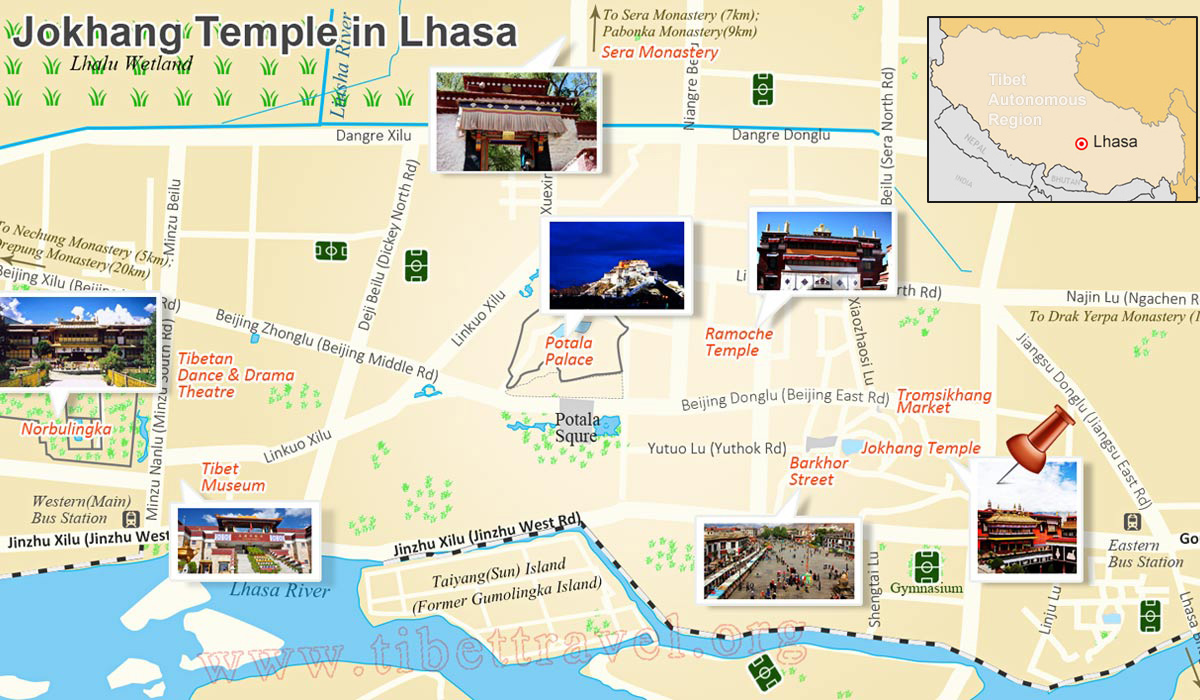
We suggest that you plan the Jokhang Temple tour by visiting the Potala Palace in the morning, then taking a short walk to the gourmet street on Yutuo Road for lunch, which is within walking distance of Jokhang Temple, before heading there in the afternoon.

By the afternoon, most tour groups are gone, so you can immerse yourself in exploring the core chapels, like the Jowo Sakyamuni Chapel and the Maitreya Chapel, without feeling rushed. You can easily focus on listening to our local experts’ explanation of the murals and the history of the Jokhang Temple, free of distractions.

Besides, for both shutter bugs and pro photographers, the afternoon sunshine lights up the Jokhang Temple’s golden roof and turns it into a warm and glowing gold, while the red and white walls stand out beautifully against the deep blue sky. You can capture epic shots of the golden roof of the Jokhang Temple that wows your friends on Instagram or Facebook.

Admire the sacred life-size statue of Shakyamuni BuddhaAdmire the sacred life-size statue of a 12-year-old Shakyamuni Buddha.

Travel overland across the mighty Himalayas from Lhasa to Kathmandu in a week.

How Long Should I Visit Jokhang Temple? About 3 Hours with the Nearby Barkhor Street

Most visitors spend about an hour and a half exploring the Jokhang Temple itself, which is enough to explore the key chapels and its golden rooftop.

However, to allow our guests to enjoy the full experience of Jokhang Temple and the nearby attractions, our Jokhang Temple tour takes up to 3 hours.

Start your visit by exploring the Tang and Tubo Alliance Monument in front of the Jokhang Temple. This historical marker signifies the alliance between Tibet and the Tang Dynasty of China in the 7th century. Nearby, you can see ancient willow trees, said to have been planted by Princess Wencheng.

Then, we will dive deep into the Jokhang Temple to cover all the top highlights of this holiest temple in Tibet, as mentioned above.

After touring the Jokhang Temple, your adventure continues. You will follow our local experts to walk the kora along Barkhor Street, the renowned 1km pilgrimage route that encircles the Jokhang Temple. Here, you can see pious local Tibetan pilgrims, young and old, prostrating themselves along the pilgirm circuit while chanting the mantras or spinning prayer wheels. It’s a unique Tibetan tradition to show their deepest reverence for the Shakyamuni Buddha enshrined in the Jokhang Temple.

Meanwhile, the bustling Barkhor Street is also the busiest commercial street in downtown Lhasa. You can explore countless handicraft shops, vibrant souvenir and antique stalls, and fashion boutiques on both sides of the street. You can closely see how local craftsmen paint the Tibetan Thangka (Buddhist scrolls) or make Tibetan incense and learn more about the daily lives and traditions of the local Tibetans.

Another authentic experience around Jokhang Temple is to enjoy afternoon tea at a local Tibetan teahouse. These lively spots are always filled with the cheerful chatter of locals. Just follow our local experts to grab a glass, find a seat, and wait for the tea ladies to come around refilling everyone’s glass with aromatic Tibetan sweet tea. You can also order other local Tibetan food, such as chewy Tibetan noodle soup (Thukpa), juicy dumplings (Momo), Tibetan bread (Balep), dried yak meat, yogurt, and other local delicacies for a true culinary discovery.

To make your journey even more memorable, we can arrange private photography sessions. Our local experts will take you to the Tibetan dress boutiques and workshops, where you can feel the textures of traditional Tibetan clothes and hear shop owners share stories about the designs, raw materials, and legends behind Tibetan clothing.

Afterwards, you can pick your favorite traditional Tibetan dress to try on. Our staff will offer you tourist-friendly make-up and styling services, and once you are ready, you can follow our professional photographers to take lovely souvenir photos in front of the Jokhang Temple along the Barkhor Street. It’s a unique and heartfelt gift to bring home from Tibet.

Our guests dress in traditional Tibetan clothesOur guests dress in traditional Tibetan clothes and take photos before the Jokhang Temple.

Combine the Lhasa monastic tour with a scenic excursion to turquoise Yamdrok Lake.

How Can I Book My Tickets for the Visit? We Will Take Care of It

Currently, Jokhang Temple tickets must be reserved at least one day in advance through Jokhang’s official WeChat account. And the ticket prices are 85 RMB per person in peak season (May to October) and 35 RMB in low season (November to April).

However, no worries! For all of our overseas guests, we will help you secure your tickets ahead of time. On the day of your visit, you can enjoy a hassle-free tour with our local experts.

Our guests took photos at the entrance of the Jokhang TempleOur guests took photos at the entrance of the Jokhang Temple.

Hidden Gems Around Jokhang Temple Worth Exploring: Just an 8 to 20 minute Walk

Apart from the teeming Barkhor Street, as mentioned above, many hidden gems around Jokhang Temple are well worth your exploration.

Ramoche Temple is located around a 17-minute walk to the north of the Jokhang Temple. As the sister temple of the Jokhang Temple, Ramoche Temple was built in 641 AD by the Tibetan King Songtsen Gampo for his wife Princess Wencheng.

Today, this historic temple in Lhasa houses the life-size statue of the 8-year-old Sakyamuni Buddha, brought to Tibet by Songtsen Gampo’s Nepali wife, Princess Bhrikuti. It remains one of the most sacred sites for local pilgrims. Here, most visitors are local Tibetans, and you can walk the kora around Ramoche Temple and offer your prayers, and discover its fascinating blend of Tibetan and Han Chinese architecture and exquisite murals and sculptures, with fewer crowds.

Besides, the pedestrian street around Ramoche Temple is also worth your visit. Lined with teahouses, restaurants, and stalls selling everything from traditional jackets and top-grade Tsampa (roasted barley flour) to antiques and Tibetan scriptures, it’s a lively place to take a stroll.

With just around a 10-minute walk from the Jokhang Temple, Canggu Nunnery offers you a peaceful escape from the bustling Barkhor Street. As the only nunnery in Lhasa, it is said that the Tibetan King Songtsen Gampo once practiced meditation here in a cave. Here you can quietly observe the daily life of the Tibetan nuns as they chant prayers, study, and carry out their work.

In addition, don’t miss out the famous sweet teahouse of Canggu nunnery, run by the nuns themselves. It’s one of the most beloved in Lhasa. The Tibetan sweet tea here is rich and affordable, usually just a few yuan for a pot, and you can also try authentic Tibetan noodles and Tibetan momos (dumplings). What a perfect place to unwind as you sit on the simple benches and sip Tibetan sweet tea alongside welcoming local Tibetans.

For cultural explorers and photographers, the Tromzikhang market is a perfect spot to learn more about the everyday life of local Tibetans. This largest bazaar in downtown Lhasa sells everything imaginable. Everywhere you look, stalls are piled high with goods, such as dried yak meat, butter, cheese curds, Tsampa (roasted barley flour), local pastries, Tibetan medicine, and ritual items of Tibean Buddhism, stacked from floor to ceiling.

You will see vendors and customers bargaining for the best deal and smell the rich aroma of butter, the tang of dried cheese, the earthy aroma of Tibetan herbs and Indian spices, and even the fresh, raw Yak meat and mutton. It will be an eye-opening experience to soak up the local vibes of Lhasa.

Our guests roam over the bustling Tromzikhang marketOur guests roam over the bustling Tromzikhang market in the old quarters of Lhasa.

Explore Lhasa and Shigatse, two of the cultural heartlands of Tibet.

Where to Eat and Shop Around Jokhang Temple? Rooftop Café, Chic Restaurants and More

Since the Jokhang Temple is situated in the central business district of Lhasa, you can find a wide variety of popular cafés, restaurants, and shops for dining in Lhasa and easy shopping.

Located on East Barkhor Street 35th, the Xire Beicuo Rooftop Caféoffers you a close-up view of the Golden Roof of Jokhang Temple and a distant view of Potala Palace on its 4th floor terrace.

The distinct Bohemian decor, colorful pillows, and soft lighting set the laidback atmosphere here. You can sip on a rich cappuccino, a latte, or a glass of chilled Lhasa Beer as the city lights twinkle below. Their handmade pizzas, loaded with black pepper beef, spicy Thai-style toppings, or zesty Orleans chicken, are the perfect pairing for the view.

Besides, Xingyue Putti Café, located on the rooftop opposite the Barkhor Mall, is another hot spot to dine while savoring the night view of the Lhasa cityscape. Here, you can sip a warm cup of classic milk tea or a freshly brewed Cappuccino. The menu features café-style comfort food: light snacks, simple noodle dishes, fried rice, and sweet pastries, which are perfect for casual dining.

For some hearty food for lunch and dinner, the Tibetan Family Kitchen is one of your go-to choices, with a 4.7 rating on TripAdvisor and only a 2-minute walk from the Jokahng Temple. You can enjoy the homemade Tibetan yak meat in tomato sauce, chicken curry, yak burgers, and steak on the three floors with a close-up view of the golden roof of the Jokhang Temple.

If you are interested in more than eating the tasty food, we can also arrange a cooking class for you, where you can follow our local experts to sample fresh ingredients at the local market and then come back to learn some authentic Tibetan cuisines like Tibetan dumplings, and more.

Explore the vibrant Lhasa street and enjoy the cooking class in Lhasa with our local experts.

Dunya Restaurant is another popular place for dining and drinking for international tourists. It offers authentic Western, Tibetan, Nepali, and Indian cuisines. You can enjoy vegetarian or Yak Thukapa (Tibetan noodles), spaghetti, yak steak & curry, western pizza, burgers, chicken curry with garlic naan, dal soup, cooked seasoned greens, and more. There is a bar in this restaurant where you can get a decent glass of wine, a beer, or a cocktail for dinner on the balcony overlooking Lhasa Street.

If you are missing Western fast food, you can also find McDonald’s, KFC, and Pizza Hut around Barkhor Street. They serve familiar favorites like burgers, fried chicken, fries, pizza, pasta, and Cokes, which is perfect for a quick meal.

Finally, if you are looking for places to shop in Lhasa around Jokhang Temple for souvenirs and daily necessities or medicine, the diverse stores and pharmacies along the Barkhor Street and Barkhor Mall are recommended. You can buy dried yak meat for friends and some accessories and handicrafts like turquoise, Tibetan rugs, Tibetan incense, antiques, bracelets, Buddha beads, Nepali wool, and beyond.

Our guests shop around Barkhor Street beside Jokhang TempleOur guests shop around Barkhor Street beside Jokhang Temple.

Travel overland across the mighty Himalayas from Lhasa to Kathmandu in a week.

More Insider Tips for Visiting Jokhang Temple

Visiting the sacred Jokhang Temple promises you a truly unique spiritual experience in Tibet. For overseas travelers, it’s important to observe the following etiquette and religious customs to avoid unnecessary mistakes.

As you explore the halls and chapels inside the Jokhang Temple, photography and video are strictly forbidden to respect the Buddha and preserve the temple’s sacred atmosphere.

If you are visiting Jokhang Temple in summer, please dress properly and have your shoulders and knees covered. And as you enter the Jokahng Temple, please remove your sunglasses and hat to show your respect for this holiest temple in Tibet.

When walking the kora (pilgrimage trek) inside the Jokhang Temple, please always walk in a clockwise manner because it is the most widely accepted way for pilgrimage in Tibet.

Inside the Jokhang Temple, you will see tons of Buddhist treasures and sacred religious objects, and relics. Please don’t touch religious items, such as Buddhist statues, Thangkas, and others. These are considered extremely holy.

If you’re visiting Jokhang Temple with small children, please keep your voice low and make sure the kids don’t run or play inside the Buddhist halls, as this is considered disrespectful.

Besides, if you happen to visit Jokhang Temple in the morning, you may encounter a long line of devoted local pilgrims, and the aisles inside the Jokhang Temple can be crowded. Please be patient and don’t block the way of prostrating local pilgrims.

Finally, if you are unsure of anything, please don’t hesitate to reach our local Tibetan guide for advice.

Conclusion

As the spiritual heart of Tibet, visiting the sacred Jokhang Temple offers you a chance to witness centuries of devotion and Tibetan culture up close. From the prostrating pilgrims outside to the sacred 12-year-old Shakyamuni Buddha enshrined inside, along with the temple’s vibrant murals, stunning architecture, and the bustling life on nearby Barkhor Street, your visit will leave you with lifetime memories.

If you have more questions about Jokhang Temple and the Tibet tour, please don’t hesitate to email us for a free and expert travel solution. Looking forward to guiding you on a soul-stirring spiritual odyssey on the Roof of the World soon. Tashi Delek!

See How Our Guests Love Their Jokhang Temple Tour with Us

Every day, more than 30 tourists are traveling with Tibet Vista. Check out the real travel moments from our guests exploring the sacred Jokhang Temple in the following photo gallery and share their joy and excitement. Meanwhile, you can browse through guests who have booked their dream Tibet tour with us here.

Have a Question? Ask below or call +86 28 81754631

Question Summary*

Details*

SUBMIT

Please fill in your contact information, we will send you the answer by email

SUBMITCancel

Check All Tibet Travel FAQs Here