
.jpg "Tibetan Local Travel Agency")




Yangpachen has more to offer than hot spring
Located in Damxung County, Yangpachen is a town approximately 91 kilometers northwest of Lhasa. Covering an area of 40 square kilometers, Yangpachen gains its fame from the abundant geothermic heat which provides people with much to explore.
In addition to famous Yangpachen hot springs, the fall of Yangpachen grassland is more attractive.
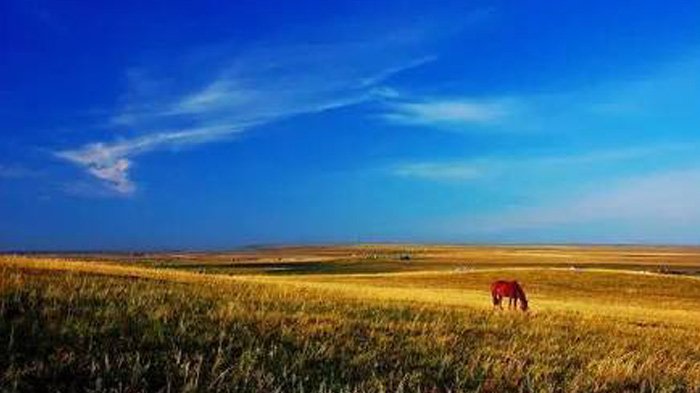
Picturesque scenery of Yangpachen grassland in Autumn
Autumn is the most attractive season of the year. At that time, you will see a picturesque and harmonious scene that strong cattle and sheep wandering in the golden grassland and herdsmen are busy harvesting the grazing for the winter. Every year, you can see this in Yangpachen grassland at the edge of northern Tibetan Plateau.
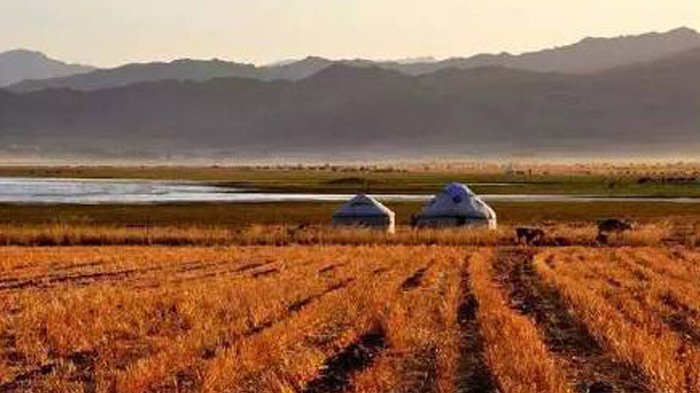
Tents on golden grassland
Yangpachen grassland lies on Qiangtang prairie, an alpine region. Thus, it is frozen for eight or nine months in a year. Surrounding by continuous mountains, the wind is extremely chilly with cold air from snow-capped mountains in the distance.
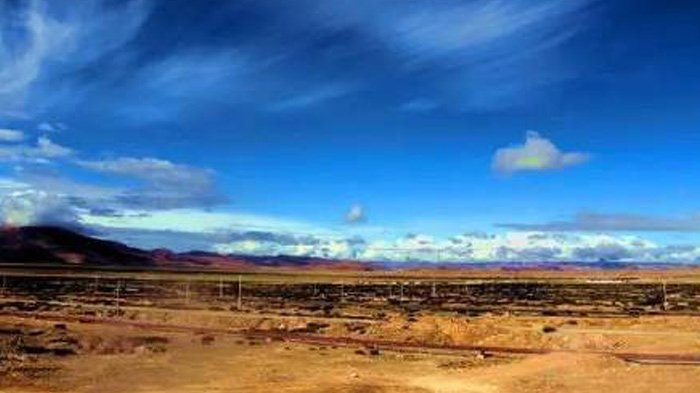
Qiangtang prairie is an alpine region
In Autumn, the scenery of Yangpachen grassland is breathtaking and picturesque. Some Herdsmen are trotting their flocks to the foot of the snow-capped mountain, some are chanting scriptures in Yangpachen Monastery, some are dancing leisurely under the blue sky, and others raising the flying prayer flag on the peak.
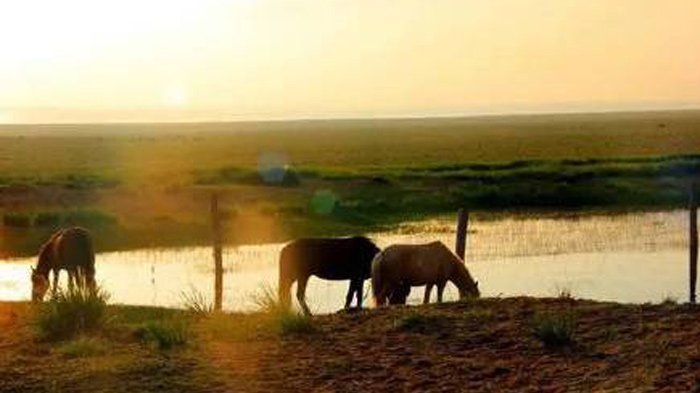
Strong cattle and sheep wandering in the golden grassland
You couldn’t afford to miss this fascinating land if you are enthusiastic for grassland. It seems that you are familiar with every mountain, every grassland and every monastery when wandering on this land. Moreover, much of your exhaustion and worry will fade away.
However, with the continuous development of heat energy, Yangpachen changes rapidly. Nowadays, there is a busy street with shops, restaurants and entertainment venues on the former wilderness. The white steam from the factory, the towering transmission lines and traditional tents are echoing with each other.
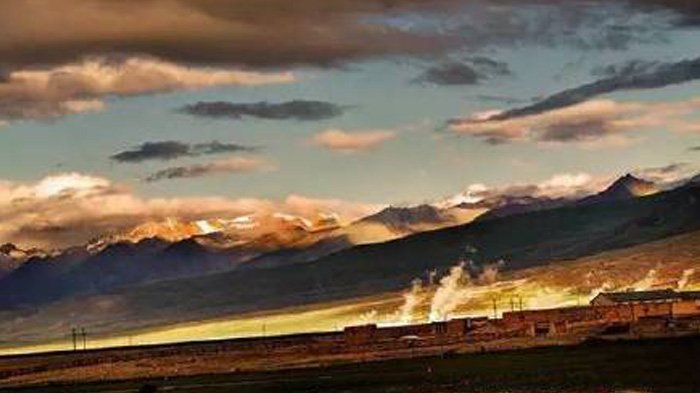
Distant view of Yangpachen
The early morning in Yangpachen is the most beautiful. In the cold morning, the geothermal fields are always suffused with white mist and the lake surface is always covered with great steam, which is really fascinating and makes Yangpachen a wonderland. Another interesting thing is that if you put a few eggs in the boiling hot springs, the eggs can be done within three to five minutes.
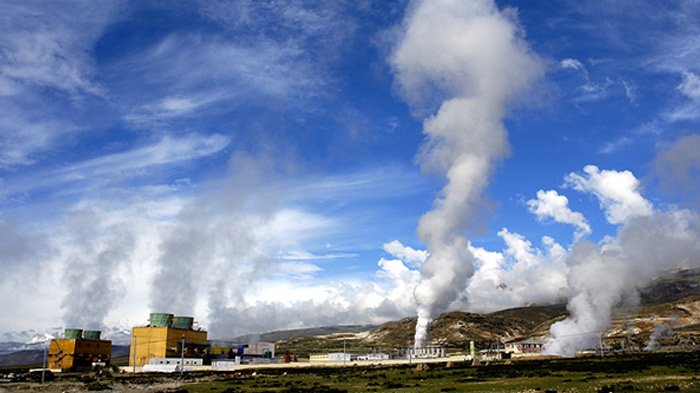
White steam from the factory
The bathing place is an open-air swimming pool. With the snow-capped mountains in the distance, it is really an enjoyment to have a hot spring bath in the swimming pool. Especially in winter, it is very pleasant and romantic to enjoy the heavy snowfall by bathing in the hot spring.
In the morning, the reddish sunshine climbs slowly from the mountain and casts a beam of pink light to the front snow-capped mountains, which is coated slowly with a thin layer of red, just like a Uygur girl's face with a veil. If you are lucky enough, you may have a chance to witness the fantastic and splendid scene at the foot of the mountain: the boiling water is erupting to the sky from the mouth of hot spring.
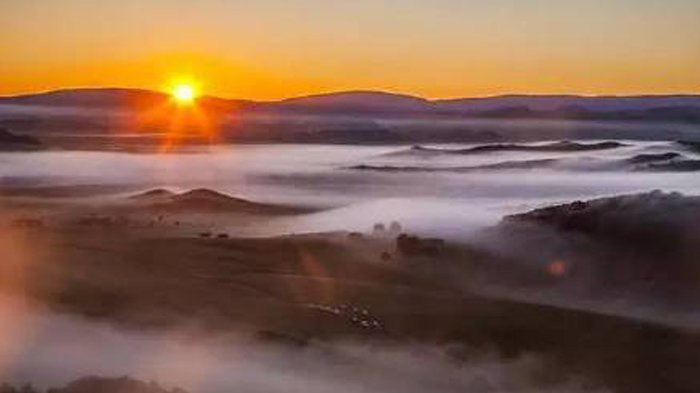
Breathtaking view of sunrise
Every day, the supernatural Tibetan Plateau reveals his magnificent snow- capped mountains and boundless grassland to everyone who loves it. Just come to explore this wonderland and don’t be afraid of hypoxia, coldness and loneliness. The fascinating view is the wonderful feedback to us. How can you not fall in love with it?
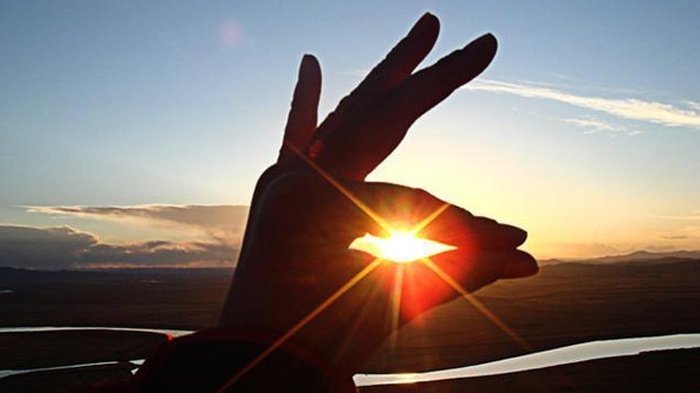
Explore Yangpachen with your beautiful eyes
Tibet is so wonderful, let’s take you to explore.
Check more about Yangpachen tour:
6 Days Travel to Sky Lake - Lhasa and Lake Namtso Small Group Tour
9 Days Tsurphu to Yangpachen Trek
5 Days Best Winter Lhasa Tour Option

Kham Sang is responsible and honest with more than six years of guide experience in Tibet.She has strong interpersonal skills and can communicate effectively with tourists.
Related Articles & Posts


0 Comment ON "Yangpachen has more to offer than hot spring"