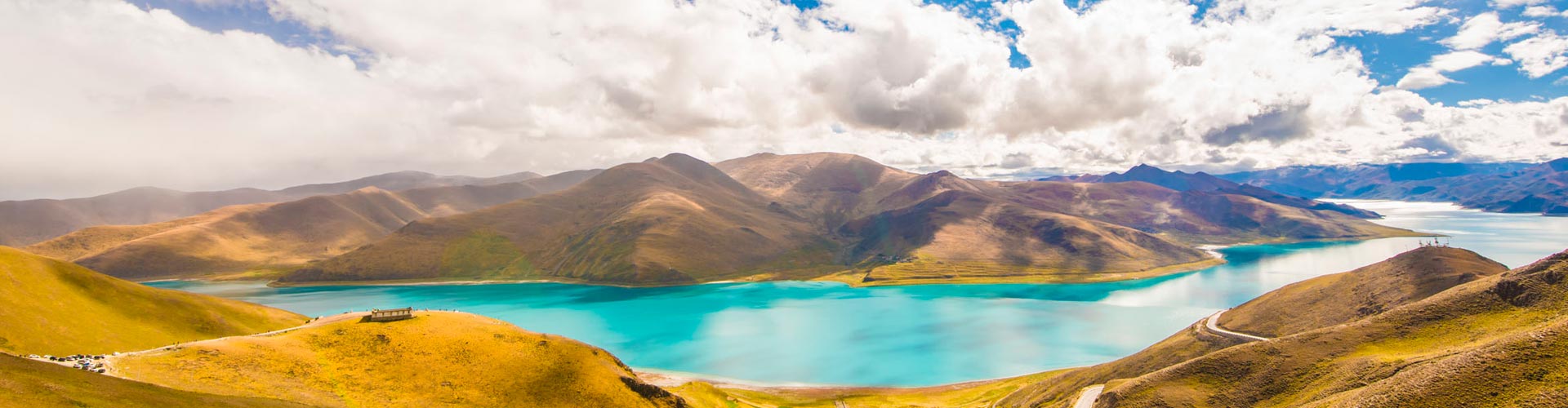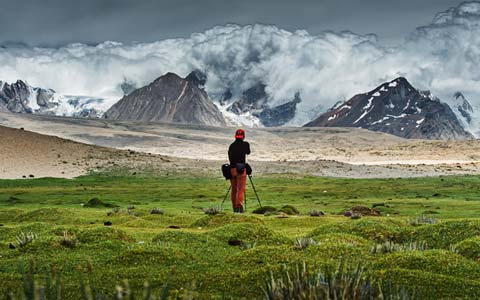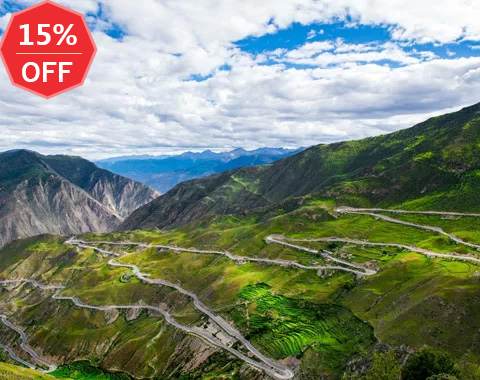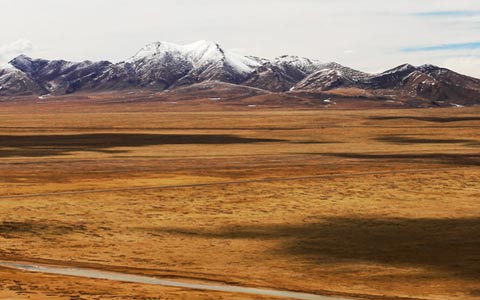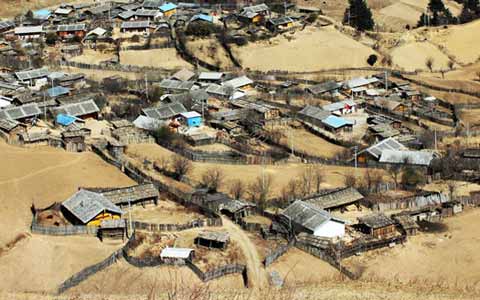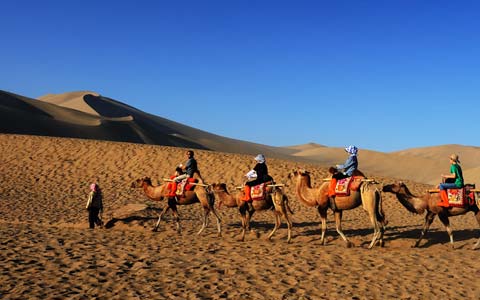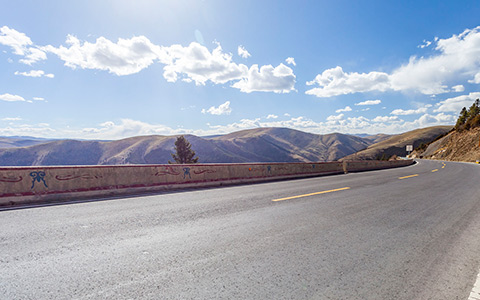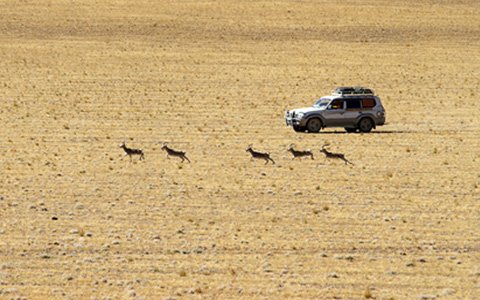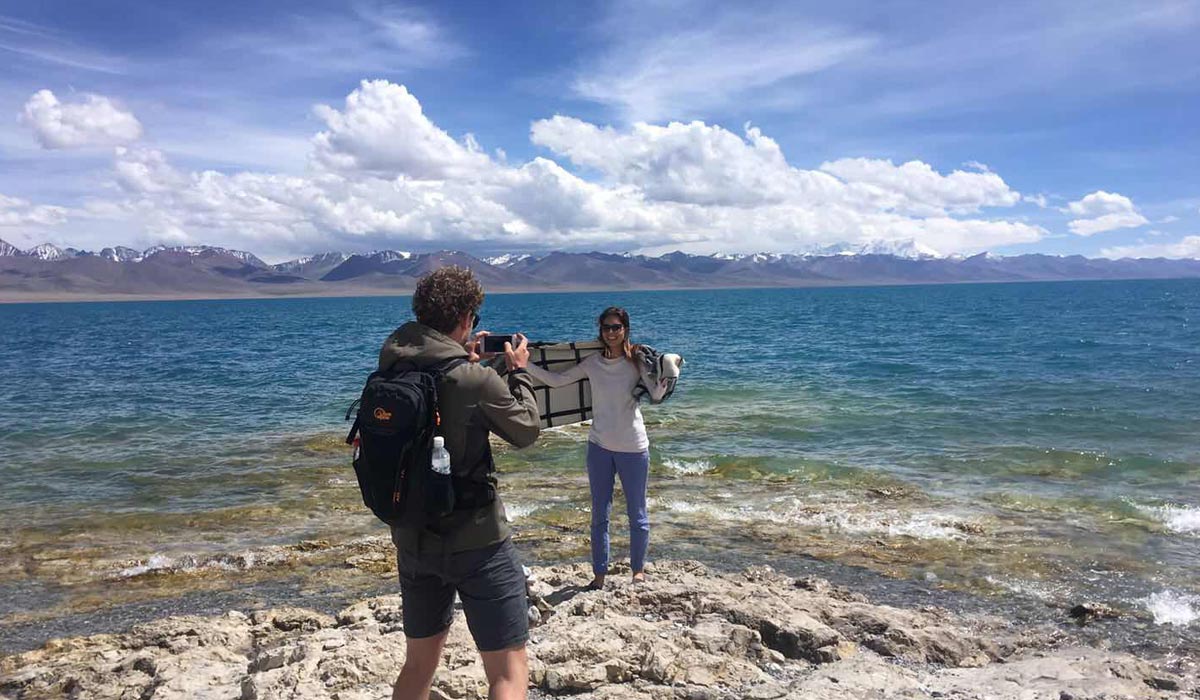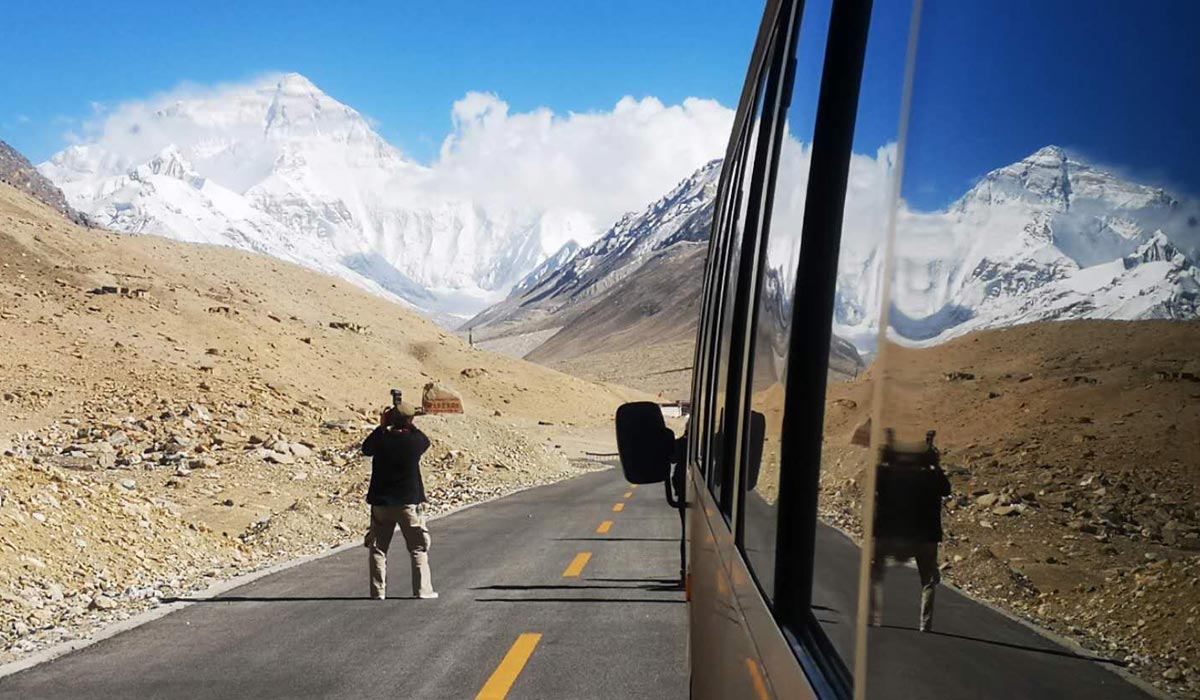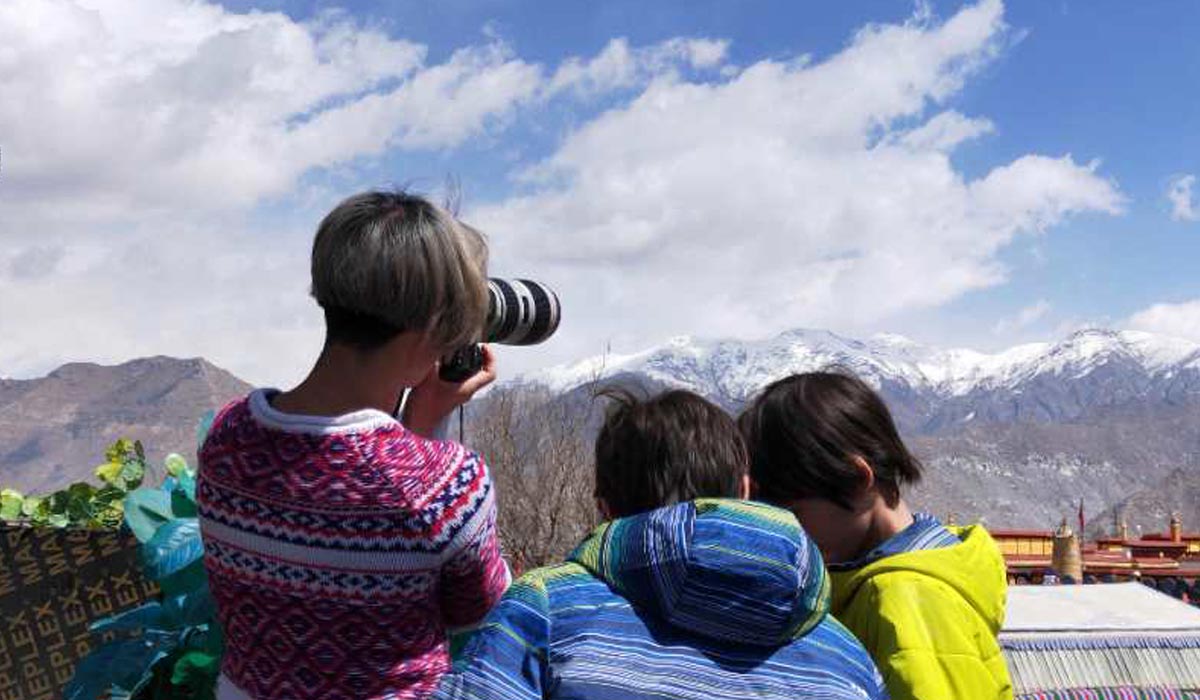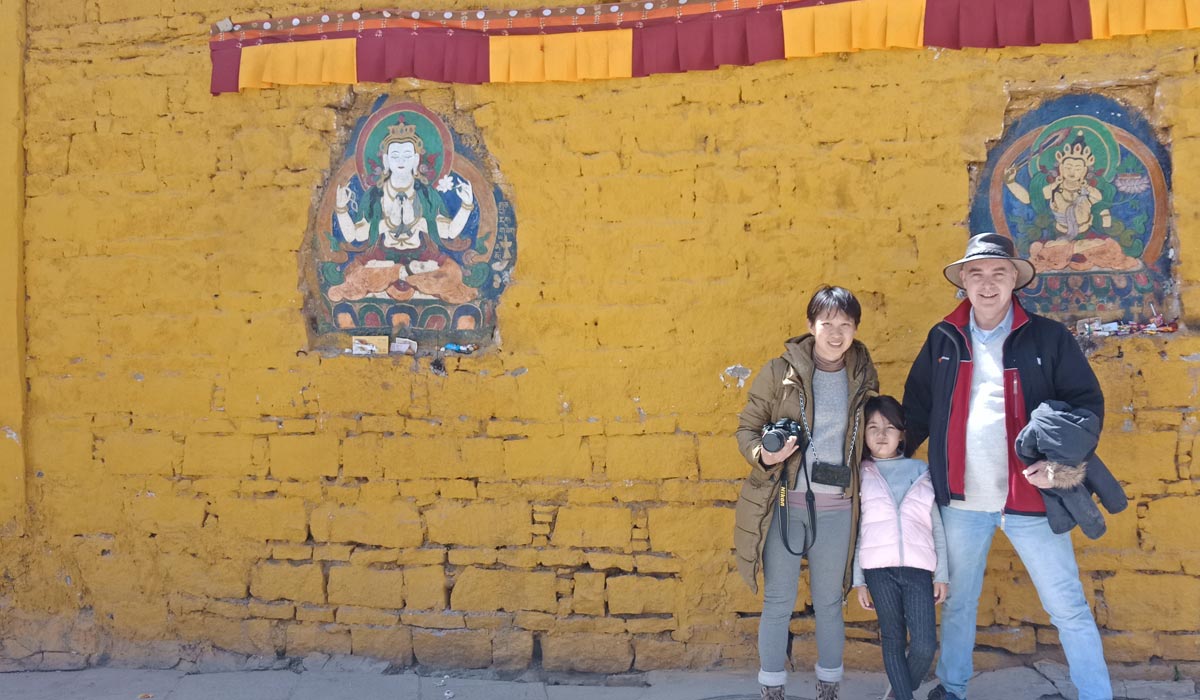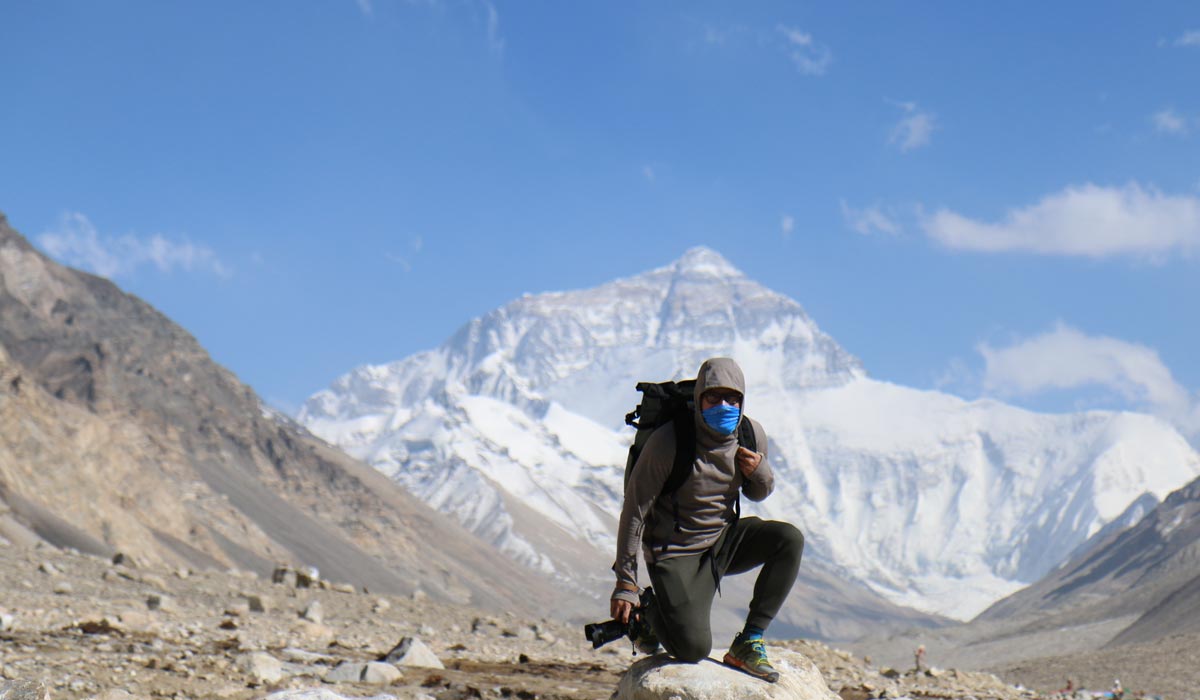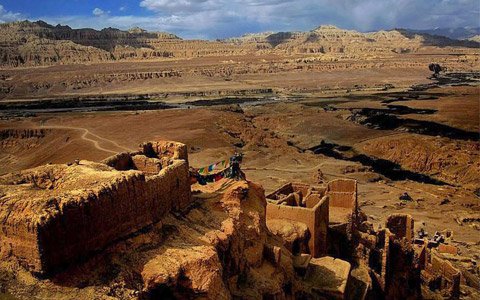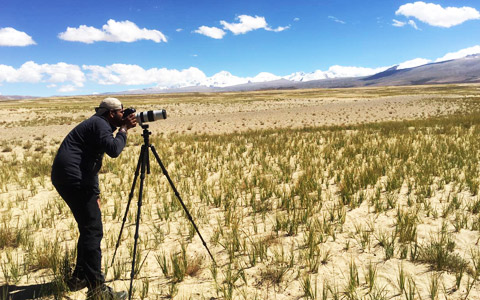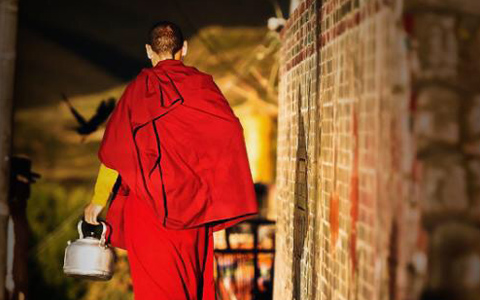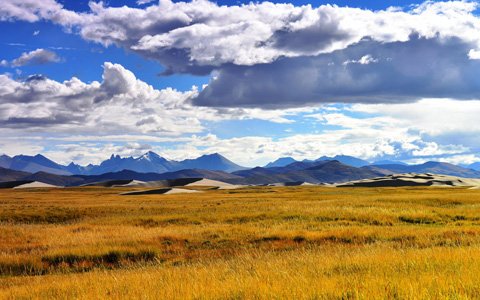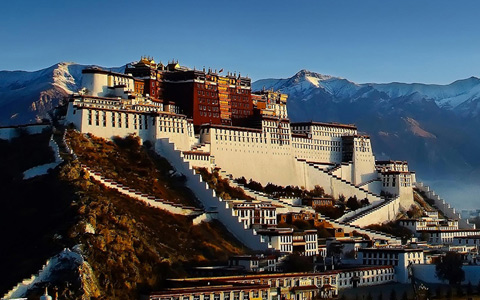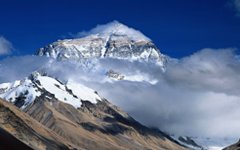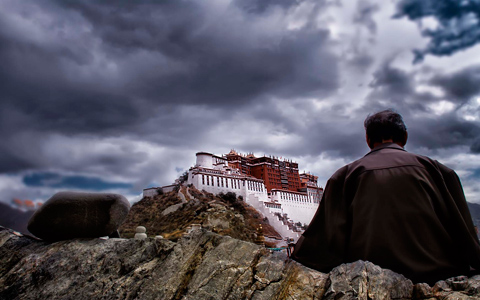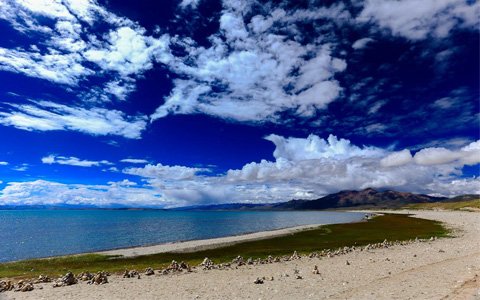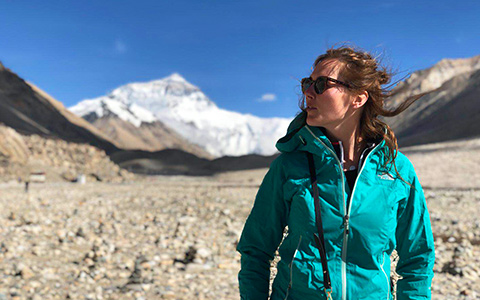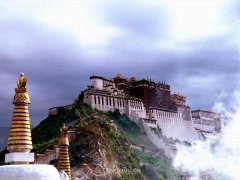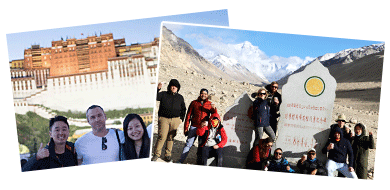

Tibet offers one of the most unique photography environments in the world, shaped by Himalayan landscapes, high-altitude light, and deep cultural traditions.
Our photography tours are planned around the best light and timing, including sunrise, sunset, and night sky conditions, with local guides adjusting the schedule based on real conditions during the trip.
We cover major photography destinations across Tibet, including Lhasa, Nyingchi, Everest Base Camp, Namtso Lake, and Ngari, with flexible itineraries designed for photography-focused travel.
All permits, transport, and accommodation are arranged in advance to ensure a smooth, worry-free photography journey in Tibet.
Why Choose Our Tibet Photography Tours
Experience Photography-Focused Tibet Journeys
Follow carefully designed photography routes across Tibet, with the best moments of light at sunrise, sunset, and night skies.
Explore a Wide Range of Photography Themes
Capture snow mountains, sacred lakes, monasteries, local life, and night skies, experiencing the full visual diversity of Tibet.
Travel with Local Photography Experts
Travel with local photography guides who know how to work with light, weather, and timing to find the best shooting conditions.
Enjoy a Fully Supported Journey
All permits, transport, and accommodation are arranged in advance, so you can stay fully focused on photography throughout your trip.
Tibet Vista Photographer Keldor - 26 Years of Experience
I was born and raised in Tibet, and I still get excited when the first light touches Everest or the clouds open above a hidden valley.
Over the years, I've learned that great photography is rarely about luck. It's about knowing where to go, when to be there, and having the patience to wait for the moment.
That's what I hope to share with you.
I'll help you find the locations, the light, and the opportunities that make Tibet such a rewarding place to photograph.
Let Keldor Plan Your Photography Tour


Tibet Photography Locations by Category
Carefully selected from years of experience leading photography journeys across Tibet, these locations represent the region’s most iconic landscapes, culture, and sacred sites.
Most Recommended Tibet Photography Tours
Explore carefully selected Tibet photography tours, from seasonal highlights to year-round routes, with custom itineraries available for your photography needs.
-
SPRING LIMITED Late March - May


8 Days Tibet Nyingchi Peach Blossom Photography Tour: Capture Tibet's Most Beautiful Spring
Tour Route: Nyingchi - Gala Peach Blossom Village - Bomi (Taohua Valley) - Lulang - Basum Tso - Lhasa
Duration: 6 Days
Available: Late March - May
Difficulty: Easy
Photography Focus: Peach Blossom Valleys, Himalayan Snow Peaks, Tibetan Village Life, Lake Reflections, Sunrise Light Photography
“ Capture the magic of Tibet in spring, photographing pink peach blossom valleys, Mount Namcha Barwa, Basum Tso Lake, and traditional Tibetan villages during the most colorful season of the year. ”
-
SUMMER LIMITED June - August


8 Days Shoton Festival Photography Tour: Lhasa, Nagqu Grassland & Namtso Lake
Tour Route: Lhasa - Nagqu - Namtso Lake - Damxung - Lhasa
Duration: 6 Days
Available: June - August
Difficulty: Easy
Photography Focus: Cultural Festival, Nomadic Life, Sacred Lake Landscapes
“ This 8-day recommended Tibet journey combines the Shoton Festival in Lhasa with the vast Nagqu grasslands and the sacred beauty of Namtso Lake, offering a perfect balance of cultural experience and high-altitude landscapes. ”
-
AUTUMN LIMITED September - October


9 Days Tibet Milky Way & Night Sky Photography Tour: Mount Everest & Namtso Lake
Tour Route: Lhasa - Yamdrok Lake - Shigatse - Everest Base Camp - Shigatse - Nagqu (Bange) - Damxung - Lhasa
Duration: 8 Days
Available: September - October
Difficulty: Easy
Photography Focus: Milky Way Over Everest, Night Sky Photography, Namtso Lake Star Trails, Himalayan Landscapes
“ Capture Tibet’s most spectacular night skies and the Milky Way over Everest Base Camp, Namtso Lake, and the vast northern plateau, with high-altitude clarity, minimal light pollution, and ideal conditions for long-exposure astrophotography. ”
-
WINTER LIMITED November - March


5 Days Tibet Winter Bird Photography Tour: Lhasa, Lalu Wetland & Yamdrok Lake
Tour Route: Lhasa - Lalu Wetland - Yamdrok Lake - Lhasa
Duration: 3 Days
Available: November - March
Difficulty: Easy
Photography Focus: Bird Photography, Wetlands, High-altitude Lake, Snow Landscapes, Sunrise Light
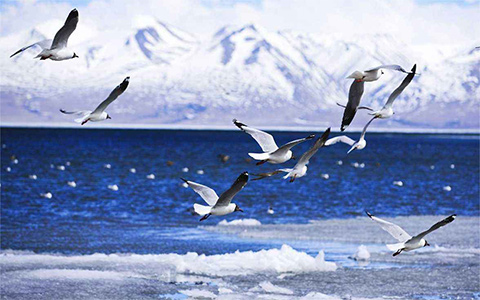
“ Designed for nature photographers, this winter journey combines Tibet's best bird photography locations with stunning plateau scenery. Capture Black-necked Cranes in their natural habitat, photograph migratory waterbirds around Yamdrok Lake, and enjoy crystal-clear winter skies over some of Tibet's most beautiful landscapes. ”
-


8 Days Tibet Photography Tour: Lhasa, Yamdrok Lake & Everest Base Camp
Tour Route: Lhasa - Yamdrok Lake - Shigatse - Everest Base Camp - Shigatse - Lhasa
Duration: 6 Days
Available: All year round
Difficulty: Easy
Photography Focus: Sunrise at Everest Base Camp, Turquoise Yamdrok Lake, Lhasa Monasteries, Himalayan Mountain Scenery
“ A classic year-round Tibet photography journey featuring Everest sunrise, sacred lakes, glaciers, monasteries, and the cultural heart of Lhasa. ”
-


10 Days Tibet Photography Tour: Nyingchi, Lhasa & Everest Scenic Journey
Tour Route: Nyingchi - Sejila Pass (Mount Namcha Barwa) - Lulang - Basum Tso - Lhasa - Yamdrok Lake - Shigatse - Everest Base Camp - Shigatse - Lhasa
Duration: 8 Days
Available: All year round
Difficulty: Easy
Photography Focus: Everest Sunrise, Yamdrok Lake Reflections, Nyingchi Landscapes, Tibetan Monasteries, Cultural Street Photography
“ Highly recommended year-round, this 10-day photography journey captures Tibet’s iconic landscapes, from Nyingchi and Everest to the cultural heart of Lhasa. ”
-


11 Days Tibet Landscape Photography Tour: Everest Base Camp & Namtso Lake
Tour Route: Lhasa - Yamdrok Lake - Shigatse - Everest Base Camp - Shigatse - Lhasa - Namtso - Damxung - Lhasa
Duration: 9 Days
Available: All year round
Difficulty: Easy
Photography Focus: Everest Base Camp, Namtso Lake, Potala Palace, Yamdrok Lake, Tibetan Monasteries & Himalayan Landscapes
“ This classic route combines Tibet's two most spectacular natural wonders, Mount Everest and Namtso Lake, with the rich cultural heritage of Lhasa, making it one of our most rewarding photography tours. ”
-


11 Days Tibet Ngari South Route Photography Tour: Everest, Mount Kailash & Guge Kingdom
Tour Route: Lhasa - Yamdrok Lake - Shigatse - Saga - Purang - Mount Kailash - Zanda - Guge Kingdom - Purang - Saga - Everest Base Camp - Shigatse - Lhasa
Duration: 10 Days
Available: All year round
Difficulty: Easy
Photography Focus: Mount Kailash, Lake Manasarovar, Guge Kingdom Ruins, Mount Everest, Tibetan Culture & Ngari Plateau Landscapes
“ Perfect for photographers seeking Tibet's most spiritual and remote landscapes, from sacred Mount Kailash and Lake Manasarovar to the ancient Guge Kingdom and majestic Mount Everest. ”
-


13 Days Tibet Photography Expedition: Everest Base Camp, Mount Kailash & Guge Kingdom
Tour Route: Lhasa - Yamdrok Lake - Shigatse - Saga - Purang - Mount Kailash - Zanda - Guge Kingdom - Purang - Saga - Everest Base Camp - Shigatse - Lhasa
Duration: 11 Days
Available: All year round
Difficulty: Easy
Photography Focus: Mount Everest, Mount Kailash, Guge Kingdom, Lake Manasarovar, Zanda Earth Forest & Tibet Western Plateau Photography
“ A once-in-a-lifetime photography journey across Tibet, combining the sacred beauty of Mount Everest and Mount Kailash with the ancient mystery of Guge Kingdom and the vast landscapes of western Tibet. ”
Tibet Photography by Our Guests
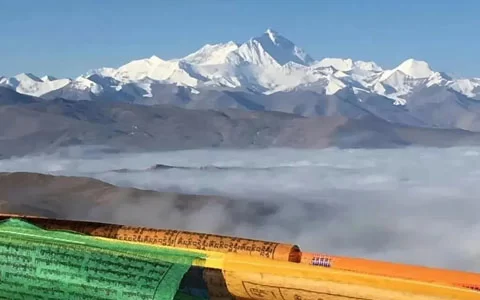
Snow-covered Mount Everest rises above a sea of clouds, framed by colorful prayer flags in the foreground, capturing a powerful moment of light, altitude, and sacred Himalayan atmosphere.
Peach blossoms and mountain valleys in Nyingchi, with soft clouds drifting over the Himalayan landscape.
Low-angle view of the Potala Palace in Lhasa, highlighting its iconic white walls and traditional Tibetan architecture against a clear blue sky.
Snowfall in the streets of Lhasa, where a Tibetan local walks through a quiet winter scene surrounded by parked vehicles and drifting snow, capturing the calm atmosphere of everyday life in Tibet.
Colorful Tibetan prayer flags fluttering in the wind against a soft sky, symbolizing peace, blessings, and spiritual connection across the Himalayas.
Close-up of butter lamps burning inside Jokhang Temple during the Butter Lamp Festival in Lhasa, capturing the warm golden light and deep spiritual atmosphere of Tibetan Buddhist rituals.
Frozen surface of Namtso Lake in northern Tibet, with distant snow-capped mountains glowing under warm sunset light.
Milky Way stretching across a star-filled night sky above the snow-capped Himalayan peaks at Everest Base Camp, capturing a clear high-altitude astrophotography scene.
Potala Palace reflected in a calm lake surrounded by golden autumn trees, capturing Lhasa’s iconic harmony of nature and architecture.
The vast high-altitude lake of Namtso, framed by distant snow-capped mountains and warm sunset light, capturing the dramatic scale of the Tibetan plateau.
A Tibetan monk reading in the streets of Lhasa, capturing a quiet moment of daily spiritual life in the city.
Most Asked Questions about Tibet Photography Tour
-
1. Do I need photography experience to join a Tibet photography tour?
No. Our Tibet photography tours are suitable for all levels, from beginners to experienced photographers.
Our guides will help you with locations, timing, and basic composition during the trip.
We focus on helping you capture the best possible scenes rather than requiring advanced photography skills.
-
2. What can I photograph in Tibet?
Tibet is one of the most diverse photography destinations in the world, offering a combination of dramatic landscapes, cultural heritage, and high-altitude natural light conditions.
You can photograph iconic Himalayan peaks such as Mount Everest, Namjagbarwa, and Mount Kailash, especially during sunrise and sunset when the light creates strong contrast and layered mountain textures.
Tibet is also known for its sacred lakes, including Yamdrok Lake, Namtso Lake, and Lake Manasarovar. These locations are ideal for reflection photography, wide landscape compositions, and long exposure shots when water conditions are calm.
For cultural photography, you can capture ancient monasteries, monk debates, pilgrimage routes, and Tibetan Buddhist rituals. Places such as Jokhang Temple, Barkhor Street, and Tashilhunpo Monastery offer strong documentary storytelling opportunities.
You can also photograph Tibetan plateau wildlife, grasslands, nomadic villages, and highland roads, which are ideal for travel documentary photography.
Depending on the season, photography highlights change throughout the year. Spring offers peach blossoms in Nyingchi, summer brings green valleys and festivals, autumn provides clear mountain visibility, and winter is ideal for snow landscapes and astrophotography.
On clear nights, Tibet also offers excellent conditions for Milky Way and night sky photography due to minimal light pollution in many remote areas.
-
3. When is the best time for photography in Tibet?
The best time for photography in Tibet depends on the subject you want to capture, as each season offers different light conditions, landscapes, and atmospheric changes.
Spring (March - May) is ideal for peach blossoms in Nyingchi, river valleys, and fresh green landscapes. Snow-capped peaks are still visible, creating a strong contrast between flowers and mountains.
Summer (June - August) brings lush grasslands, nomadic life, and cultural festivals such as the Shoton Festival. While some areas experience clouds or rain, dramatic skies and vibrant colors are common for landscape photography.
Autumn (September - November) is widely considered one of the best seasons for photography in Tibet. The air is clear, visibility is excellent, and mountain layers such as Everest and Namjagbarwa appear especially sharp under stable light conditions.
Winter (December - February) offers unique opportunities for snow-covered landscapes, fewer tourists, and some of the clearest conditions for night sky and Milky Way photography, especially in remote areas.
In general, sunrise and sunset hours provide the best lighting throughout the year, especially in high-altitude regions where light changes quickly and creates strong visual contrast.
-
4. Are Tibet photography tours available all year round?
Yes. Tibet photography tours are available throughout the year, but photography conditions vary depending on region, altitude, and season.
Some destinations, such as Lhasa, Yamdrok Lake, and Everest Base Camp can be visited and photographed in all seasons, offering different light, weather, and atmosphere throughout the year.
Other regions, such as Mount Kailash and Namtso Lake, have more distinct seasonal highlights. For example, Nyingchi is best for spring peach blossoms, while Mount Kailash offers strong photography conditions in summer and early autumn.
Because Tibet has a wide range of elevations and climates, each season creates different photography opportunities. Snow landscapes, green valleys, sacred lakes, and night skies can all be captured at different times of the year.
We design both seasonal photography tours and flexible year-round itineraries, allowing photographers to choose based on their preferred subjects, such as landscapes, culture, or astrophotography.
-
5. Will there be a local photography guide?
Yes. All Tibet photography tours are led by experienced local guides who understand not only the routes, but also the light, weather, and photography conditions across different regions of Tibet.
Our local guides help you identify the best shooting locations, adjust timing based on sunrise and sunset, and suggest angles depending on real-time weather and visibility conditions.
Unlike standard tour guides, photography-focused guides pay closer attention to light changes, cloud movements, and seasonal landscapes, ensuring you are in the right place at the right time for photography.
They also provide on-site support for composition ideas, viewpoint selection, and access to both well-known locations and less crowded photography spots.
This approach helps you focus more on photography while fully experiencing the landscapes and culture of Tibet.
-
6. Can the itinerary change based on weather or light conditions?
Yes. Our Tibet photography tours are designed with flexibility in mind, allowing adjustments based on real-time weather and light conditions.
Photography in Tibet is highly dependent on natural light, cloud movement, and visibility. Because of this, daily schedules may be adjusted to take advantage of sunrise, sunset, or sudden weather changes that create better shooting conditions.
For example, if mountain peaks become visible after clouds clear, or if light conditions improve at a certain location, we may adjust the itinerary to ensure the best photography opportunities.
This flexible approach is especially important in high-altitude regions like Tibet, where weather and light can change quickly throughout the day.
Our goal is always to prioritize photography conditions rather than fixed schedules, helping you capture the best possible images during your journey.
-
7. Do I need a Tibet Travel Permit for photography tours?
Yes. A Tibet Travel Permit is required for all foreign travelers joining photography tours in Tibet.
The Tibet Travel Permit is an official document issued by the Tibet Tourism Authority and is required for entering Tibet and visiting most photography locations, including Lhasa, Everest Base Camp, Yamdrok Lake, and Nyingchi.
We can help arrange the full permit application process in advance. You only need to provide your passport information, and we will take care of the rest before your arrival in Tibet.
In some regions such as Mount Everest or Mount Kailash, additional permits may be required depending on your itinerary, and these will also be arranged as part of your photography tour.
This system ensures a smooth entry process and allows you to focus entirely on photography without dealing with complex travel procedures.
-
8. What photography opportunities are available at night?
Tibet is one of the best destinations in the world for night sky and astrophotography due to its high altitude, clear atmosphere, and extremely low light pollution in many remote areas.
On clear nights, you can capture the Milky Way arching over iconic landscapes such as Mount Everest Base Camp , Namtso Lake, and the vast northern Tibetan plateau. These locations offer wide horizons and minimal artificial light interference, which are ideal for long exposure photography.
Night photography conditions depend on weather and moon phase. The best results usually occur during moonless nights with stable weather, when the sky is dark enough to reveal strong star details and galaxy structure.
In addition to astrophotography, night scenes in Tibet also include illuminated monasteries, small Tibetan towns, and star reflections over high-altitude lakes, creating a mix of cultural and natural night photography opportunities.
Our photography guides help identify suitable night shooting locations based on real-time conditions to ensure the best possible results during your tour.
-
9. What photography equipment should I bring for a Tibet photography tour?
For Tibet photography tours, a DSLR or mirrorless camera is recommended, along with a combination of wide-angle and telephoto lenses. This allows you to capture both vast landscapes and distant details such as mountain peaks or wildlife.
A sturdy tripod is essential for sunrise, sunset, and night photography, especially for Milky Way and long exposure shots in low-light conditions.
Due to Tibet’s high altitude and changing weather, warm clothing is also necessary, even during summer. Layered clothing, windproof jackets, gloves, and sun protection are strongly recommended.
Extra batteries and memory cards are also important, as cold temperatures and long shooting sessions can reduce battery life more quickly than usual.
We also recommend carrying basic personal items such as sunglasses, sunscreen, and lip protection due to strong UV exposure at high altitude.
-
10. Can I customize a private photography tour?
Yes. We offer fully customized Tibet photography tours designed around your travel dates, photography interests, and preferred subjects.
You can choose to focus on landscape photography, such as Mount Everest, Namtso Lake, and Yamdrok Lake, or cultural photography, including monasteries, pilgrimages, and Tibetan daily life. We also design specialized itineraries for night sky and Milky Way photography in remote high-altitude regions.
Our team will design the itinerary based on light conditions, seasonal highlights, and travel logistics to ensure you are at the right location at the right time for photography.
Private tours allow more flexibility in schedule, shooting pace, and location selection, making them ideal for photographers who want a more focused and personalized experience in Tibet.
We also provide full support for permits, transportation, accommodation, and local photography guidance throughout the journey.
-
11. Can I bring and use a drone for photography in Tibet?
Drone use in Tibet is restricted and requires special permits in many areas. In most tourist and photography locations, flying drones is not allowed without official approval.
Some sensitive areas such as monasteries, border regions, and major pilgrimage sites have strict regulations regarding drone usage.
If you plan to bring a drone, we strongly recommend inquiry your travel consultant in advance so she/he can check the latest local regulations and advise you based on your itinerary.
For most travelers, ground-based photography (landscape, culture, and night sky photography) already provides excellent creative opportunities in Tibet.
-
12. Do I need to be physically fit for a Tibet photography tour?
Most Tibet photography tours are not physically demanding, but they take place at high altitude, where walking and shooting conditions can feel more tiring than usual.
Some locations involve short walks or light hiking to viewpoints, but no technical climbing is required for standard photography routes.
We recommend taking it slow during the first days in Lhasa to allow your body to acclimatize to the altitude before traveling to higher regions such as Everest Base Camp or Namtso Lake.
-
13. What is the best time of day for photography in Tibet?
The best photography conditions in Tibet are usually during early morning and late afternoon.
Sunrise offers soft light, clear atmosphere, and fewer tourists, making it ideal for landscape and cultural photography.
Sunset provides warm tones and strong contrast, especially for snow mountains, lakes, and desert-like landscapes.
Blue hour and nighttime are ideal for Milky Way and long exposure photography in remote areas.
-
14. How is the weather in Tibet for photography?
Weather in Tibet can change quickly due to its high-altitude environment.
Clear skies are common, especially in autumn and winter, while summer may bring clouds or short periods of rain in some regions.
These changing conditions often create unique photography opportunities, including dramatic skies, misty mountains, and strong light variations.
Quick Inquiry
Let’s Plan Your Tibet Photography Tour!
If you are planning to enjoy a photography tour in Tibet, yet have no ideas of how to sort it out the details, no worries! We would like to hear your tour plan and offer free professional consultancy and viable solutions. Please feel free to contact us.
Search


"Tibet Photography Tour"