 Search
 Pioneer of Tibet Tourism for Overseas Travelers since 1984!

Can Seniors Do Mount Kailash Kora? A Comprehensive Guide for Travelers Over 60


There is no single age that determines whether someone can complete the Mount Kailash Kora. In fact, we have helped travelers in their 60s, 70s, and even 80s take on the kora.
For senior travelers, overall health, walking ability, proper acclimatization, and preparation are more important than age alone. Before deciding to do the Kailash Kora, it is important to make sure your body can handle the physical demands of the journey.
The 3-day trek covers about 52 km, with several hours of walking each day at high altitude. Much of the route is around 5,000 meters above sea level, and the highest point, Dolma La Pass, reaches around 5,630 meters.
In this guide, we will explain how difficult the Mount Kailash Kora is for senior travelers, how to assess whether you are ready, how to prepare and acclimatize, and what support and alternative options are available if completing the full kora is too demanding.
We hope this gives you the practical information you need to decide whether and how to include Mount Kailash in your next Tibet journey.
Is There Any Age Limit for Seniors Doing the Mount Kailash Kora?
The Mount Kailash Kora does not have an official upper age limit. Travelers in their 60s and 70s, and even some in their 80s, may be able to complete the trek if they are physically prepared and adapt well to the high altitude.
Age alone does not determine whether someone can do the kora. A senior traveler still needs to be physically capable of completing a 3-day high-altitude trek, especially when crossing Dolma La Pass at around 5,630 meters.
Can Travelers Over 60 Do the Kailash Kora?
Yes. Travelers over 60 can do the Mount Kailash Kora if their physical condition allows. Being 60, 65, or 70 does not automatically make someone too old for the trek.
We have helped travelers in their 60s, 70s, and even 80s complete the 3-day Kailash trek. Some complete the full 3-day trek, while individual experiences can vary depending on physical condition and how well the body responds to the high altitude.
Does Age Matter More Than Health and Fitness for the Kailash Kora?
No. For senior travelers, health and fitness generally matter more than the number of years in your age.
Two travelers of the same age can have very different physical abilities. Someone who regularly walks or hikes and has good stamina and mobility may be better prepared for the kora than someone younger who is less physically active.
Age should therefore be considered together with your overall physical condition rather than used as the only reason to decide whether you can or cannot do the Mount Kailash Kora.
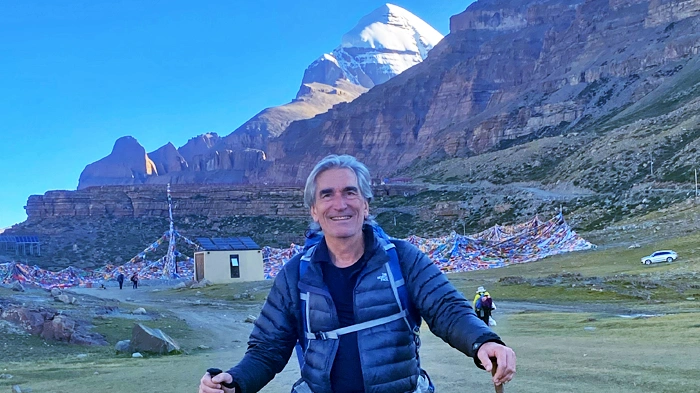 Completing the Kailash Kora in the 60s.
How Our 82-Year-Old Guest Completed the Mount Kailash Kora
One of our senior guests, Gerhard from Germany, completed the 3-day Mount Kailash Kora at the age of 82. His experience is a good example of how physical condition, regular exercise, preparation, and gradual acclimatization can matter more than age alone.
Gerhard was already physically active before coming to Tibet. At home, he regularly walked 12 to 14 km about three times a week and had maintained an interest in walking, running, and trekking for many years. Although the Kailash Kora was his first long trek of this kind, he did not begin the journey without a good level of everyday fitness.
Instead of taking a faster route, Gerhard chose to travel overland from Lhasa to Mount Kailash, giving his body more time to gradually adapt to the increasing altitude before starting the kora.
During the trek, he walked at his own pace and completed all three days with the support of his local guide.
His experience shows that age alone does not determine whether a senior can complete the Kailash Kora. Regular exercise, good physical condition, gradual acclimatization, and proper support can all make an important difference.
Read Gerhard's full story of completing the Mount Kailash Kora at age 82 to learn more about his 3-day trekking experience.
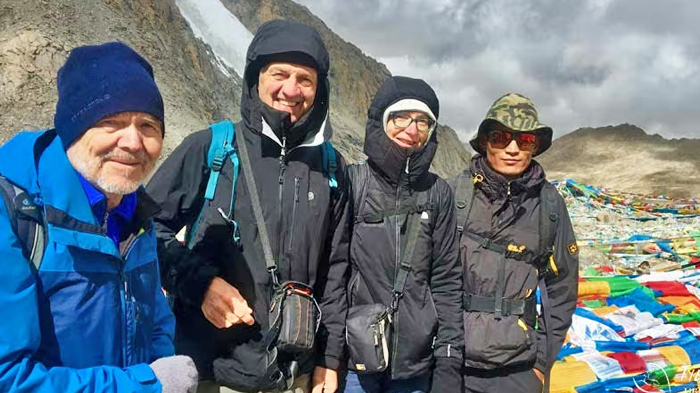 Gerhard completed the Mount Kailash Kora with our small group at age 82.
How Difficult Is the Mount Kailash Kora for Senior Travelers?
The Mount Kailash Kora is a challenging high-altitude trek for senior travelers. The full kora covers about 52 km over 3 days, with around 5 to 11 hours of trekking each day. Most of the route is at high altitude, and the highest point, Dolma La Pass, reaches around 5,630 meters.
Day 2 is the most difficult part of the Kailash Kora. It involves the longest and highest section of the trek, including the climb to Dolma La Pass and a steep descent on the other side.
For senior travelers, the main difficulty is not simply walking the full distance of the Mount Kailash Kora. It is completing several hours of trekking each day at very high altitude, especially the long ascent and descent on the second trekking day.
| Day | Route | Distance | Trekking Time | Main Challenge |
|---|---|---|---|---|
| Day 1 | Darchen - Dirapuk | 13 km | 5–7 hrs | Long first day of walking at high altitude |
| Day 2 | Dirapuk - Dolma La - Zutulpuk | 24 km | 8–11 hrs | Crossing the Dolma La Pass and the steep descent |
| Day 3 | Zutulpuk - Darchen | 12km | 4–6 hrs | Continuing the trek after two tiring days |
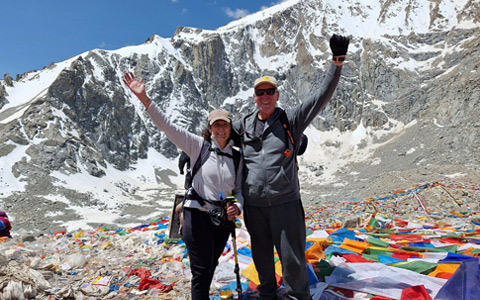
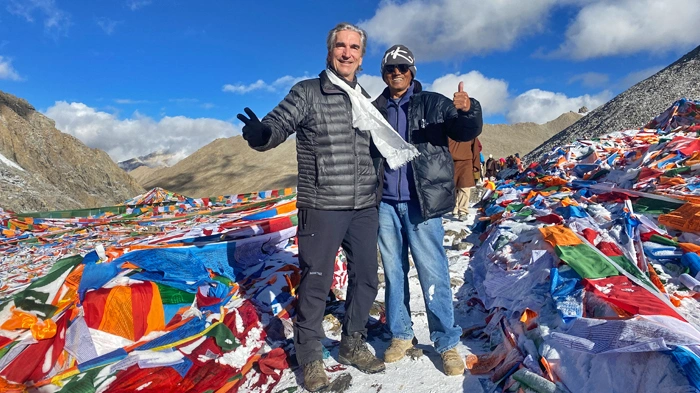 A memorable moment after reaching Dolma La Pass during the Mount Kailash Kora.
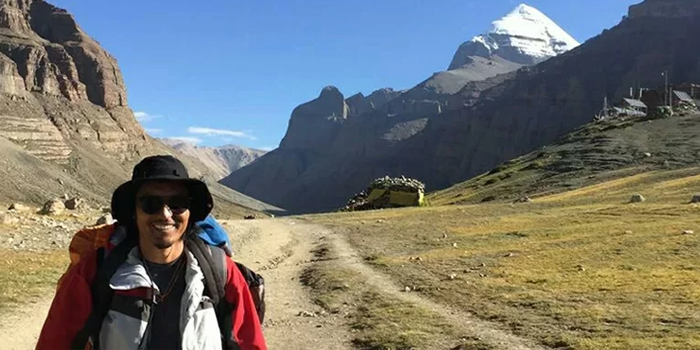

Join us on a once-in-a-lifetime spiritual journey to Mount Kailash and Lake Manasarovar.
Are You Fit Enough to Do the Kailash Kora after 60?
Being over 60 does not automatically mean you are unfit for the Mount Kailash Kora. A more practical way to judge is to look at your general health, walking ability, and previous experience at high altitude.
Your General Health
You should be in generally good health and physically able to handle several days of strenuous activity. The high altitude puts extra stress on the body, so existing heart, lung, or other serious medical conditions need particular attention.
If you have an existing medical condition or are unsure whether the trek is suitable for you, speak with your doctor before making the trip. Your doctor can assess your individual health rather than relying on age alone.
Your Walking and Trekking Ability
You should be comfortable walking for several hours and be able to handle both uphill and downhill sections. The Kailash Kora requires 5 to 11 hours of trekking a day for three consecutive days, with Day 2 being the longest and most demanding.
Regular walking or hiking is a useful indicator. If you can already complete long walks comfortably and recover well afterward, you may have a better physical base for the kora. Difficulty with long walks, stairs, uneven ground, or sustained uphill and downhill walking should be taken seriously.
Your Previous High-Altitude Experience
Previous high-altitude experience can help you understand how your body responds to lower oxygen levels and recognize possible signs of altitude sickness, making it a useful reference when assessing your readiness for the Kailash Kora.
However, it is neither a guarantee nor a requirement. Previous experience does not mean you will have no problems at around 5,630 meters, while having no high-altitude experience does not mean you cannot do the Kailash Kora. It is simply one factor to consider alongside your health and physical ability.
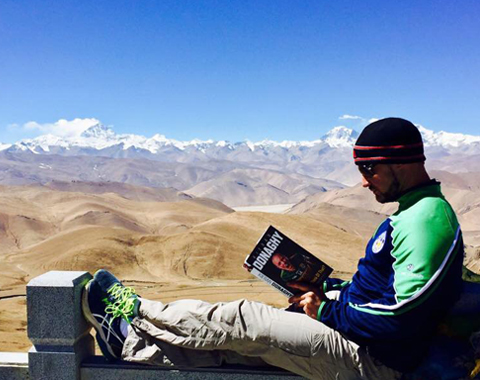
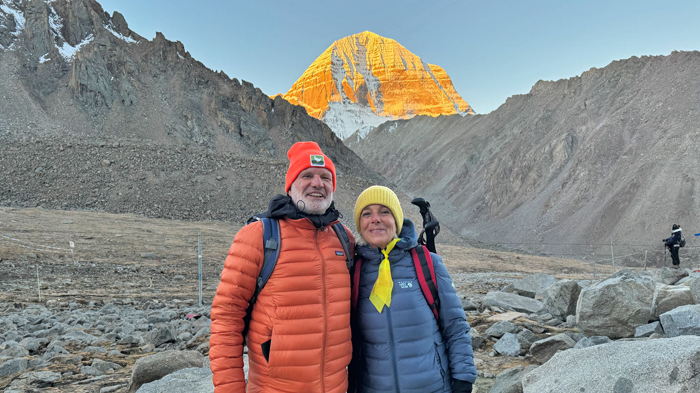 For travelers over 60, fitness matters more than age for the Kailash Kora.
How Should Seniors Prepare for the Mount Kailash Kora?
Senior travelers should ideally start preparing 2 to 3 months before the Mount Kailash Kora. Focus on three things: getting a medical check, building enough stamina for several hours of walking, and strengthening your legs and knees for the climb and descent over Dolma La Pass.
Get a Medical Check Before the Trip
Before the trip to Mount Kailash, tell your doctor that you plan to complete a 3-day high-altitude trek reaching around 5,630 meters. This helps your doctor assess whether the trip is suitable for you based on your health and medical history.
Senior travelers with serious heart or cardiovascular disease, severe respiratory disease, uncontrolled high blood pressure, or other serious medical conditions are not advised to trek at such high altitudes. If you have any of these conditions, or take regular medication, consult your doctor before planning the kora.
Joint or knee problems may not prevent you from traveling to Mount Kailash, but they can make the long climbs and steep descents much more difficult. Discuss these issues with your doctor as well, especially if they already affect your walking ability.
Start Walking and Cardio Training 2 to 3 Months Before
Regular walking is one of the most practical ways to prepare. Start about 2 to 3 months before the trip and gradually increase your walking time and distance.
Combine walking with hiking, stair climbing, or moderate cardio exercise to build stamina. As the trip gets closer, try some longer walks on consecutive days to prepare your body for three days of continuous trekking.
Prepare Your Knees and Legs for Crossing the Dolma La Pass
Prepare specifically for Day 2, when the route climbs to the Dolma La Pass before a long and steep descent.
Include uphill and downhill walking, stairs, and basic leg-strength exercises in your training. For senior travelers, preparing for the downhill section is especially important because the long descent can place considerable pressure on the knees.
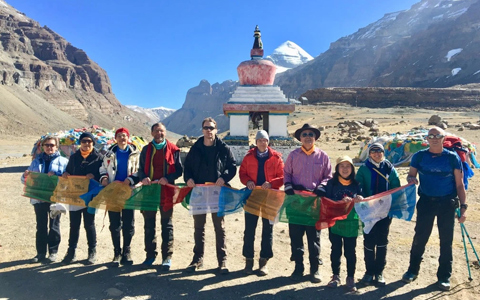
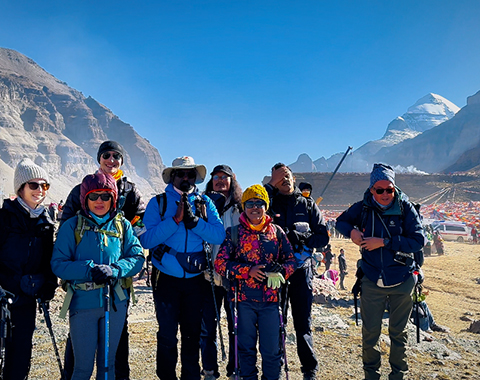
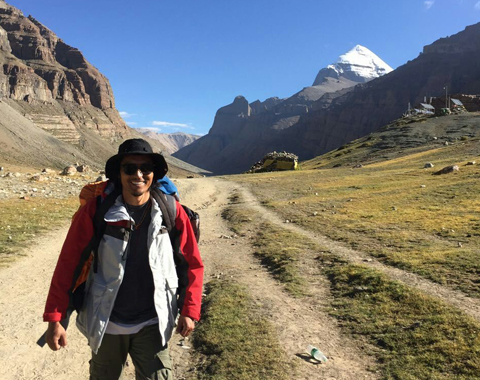
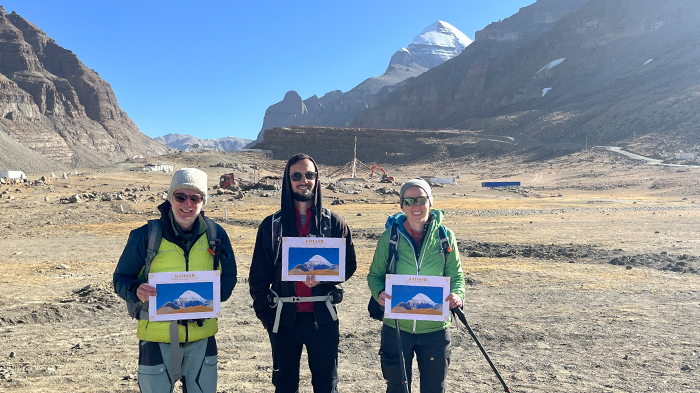 With proper preparation, travelers of different ages can enjoy the Mount Kailash Kora together.
How Should Seniors Acclimatize Before the Kailash Kora?
Senior travelers should allow enough time to acclimatize before starting the Mount Kailash Kora. A practical approach is to spend a few days in Lhasa first, travel overland to Mount Kailash with gradual altitude gain, and rest in Darchen before beginning the 3-day trek.
Travel Overland from Lhasa to Mount Kailash
Darchen, the starting point of the Mount Kailash Kora, is about 4,675 meters above sea level. For senior travelers, it is better to reach this altitude gradually rather than rush to Mount Kailash soon after arriving in Tibet.
Traveling overland from Lhasa (3,650 m) through Shigatse (3,845 m) and Saga (4,640) to Darchen spreads the journey over several days and allows your body more time to adjust as you travel into higher-altitude areas.
For senior travelers, this gradual overland journey from Lhasa to Mount Kailash is more suitable than reaching the Mount Kailash area too quickly.
Rest in Darchen Before Starting the Kora
After arriving in Darchen, do not start the kora on the same day. Use the rest of the day to relax, avoid strenuous activity, and get a good night’s sleep before beginning the trek the next morning.
Pay attention to how you feel after the night in Darchen. If you still feel unwell or are not able to walk normally the next morning, tell your guide before starting the kora. Your guide can check your condition and help decide how to handle the trek safely.
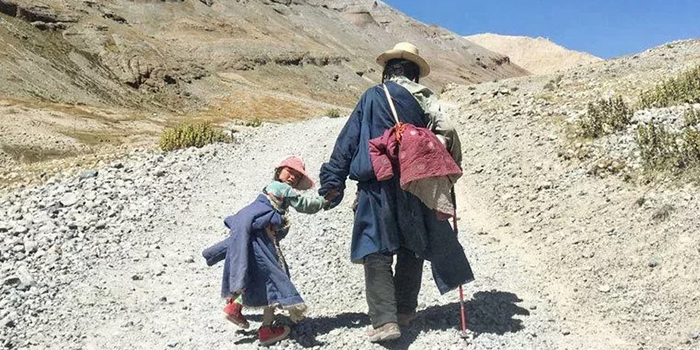
Experience the ultimate Lhasa to Kathmandu adventure with the sacred Mount Kailash Kora and better acclimatization.
How Can Seniors Make the Kailash Kora Easier?
There are several practical ways to make the Mount Kailash Kora more manageable, from walking at a comfortable pace and carrying less weight to using trekking poles and getting extra support when needed. The goal is not to finish quickly, but to save energy for all three days of the trek.
Walk Slowly and Follow Your Own Pace
Do not try to keep up with younger or faster trekkers. Walk at a steady pace that feels comfortable and take short breaks when needed.
This is especially important on the second trekking day when crossing Dolma La Pass at around 5,630 meters. Keeping a steady pace helps you save energy for the long climb and descent.
Use Trekking Poles, Especially on Day 2
Trekking poles provide extra balance on uneven ground and can reduce some of the pressure on your knees during downhill sections. They are particularly useful after crossing Dolma La Pass, where the steep descent can be demanding on the knees.
You can bring your own trekking poles or rent them after arriving in Lhasa. If you would like to rent trekking poles, let your travel consultant know in advance and we can arrange them for you.
Hire a Porter with Yaks to Carry Your Luggage
Consider using a porter and yak service so you do not need to carry heavy luggage during the kora. Typically, one porter manages two yaks, while the yaks carry the luggage rather than the porter.
You can share the service with other group members and hire the number of porters and yaks needed to carry your group’s luggage.
For senior travelers, this can greatly reduce the physical load during the three trekking days. You only need to carry a small daypack with essentials such as water, warm layers, snacks, and personal items.
Consider Horse Riding During the Kailash Kora
Horse riding may be available for parts of the Kailash Kora and can reduce the amount of walking for senior travelers who need extra physical support.
However, a horse cannot replace the entire trek. Some sections still need to be completed on foot, so horse riding is better considered as additional support rather than an alternative to walking the whole kora.
Travel with an Experienced Local Guide
An experienced local guide can make a big difference for senior travelers during the Mount Kailash Kora. Our local Tibetan guides have extensive experience on the kora and understand the difficulty of each section. They can suggest a suitable walking pace and rest breaks based on how you are feeling, provide assistance along the way, and help arrange porter, yak, or horse services when needed.
If you feel unwell or find the trek more difficult than expected, tell your guide as early as possible. Your guide can assess the situation and advise you on the best way to continue rather than pushing yourself beyond your limits.
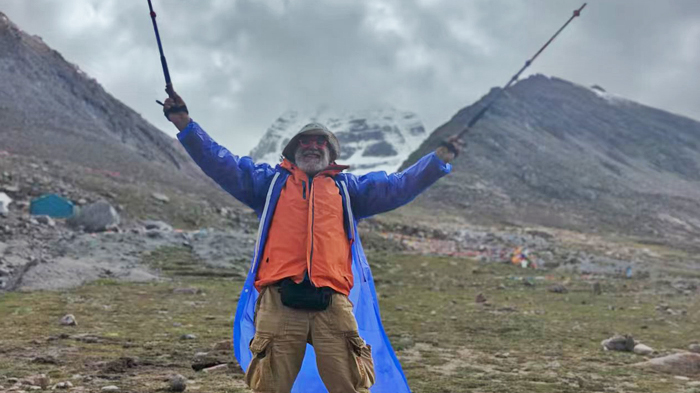 Using trekking poles can make the Mount Kailash Kora easier.
What If You Cannot Complete the Full Kailash Kora?
Completing the full 3-day Kailash Kora is not the only way to experience Mount Kailash. If the full trek is too demanding for your physical condition, you can consider walking only part of the kora or enjoying views of Mount Kailash without doing the trek.
Try a Short Hike from Darchen to Dirapuk
If you are not confident about completing the full 3-day kora, you can still experience part of the route. From Darchen, take the eco-bus to Tarboche Square (also known as the Prayer Flag Square), where you can see Mount Kailash, and then enjoy a light hike along the route toward Dirapuk Monastery.
You can decide how far to walk between Tarboche Square and Dirapuk based on your physical condition. This gives you a chance to experience the kora trail without committing to the most difficult part of the trek.
The important decision should be made before starting Day 2. Once you continue from Dirapuk toward Dolma La Pass, there is no road access for vehicles along this section, and turning back is generally not a practical option.
If you are unsure whether you can complete the full kora, it is better to keep your trekking experience to the easier Day 1 section rather than continue toward Dolma La.
See Mount Kailash from Darchen and Lake Manasarovar
If trekking is not suitable for you, you can still visit the Mount Kailash area without completing the kora. Darchen offers views of Mount Kailash, while nearby Lake Manasarovar provides another important part of the journey to this sacred region.
This can be a more suitable option for seniors who want to visit Mount Kailash but prefer not to take on a multi-day high-altitude trek. You can still experience the landscape and spiritual atmosphere of the region without crossing Dolma La Pass or completing the full 50–52 km kora.
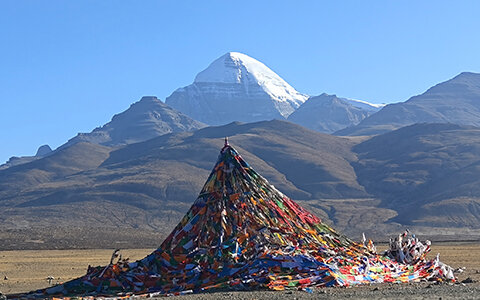
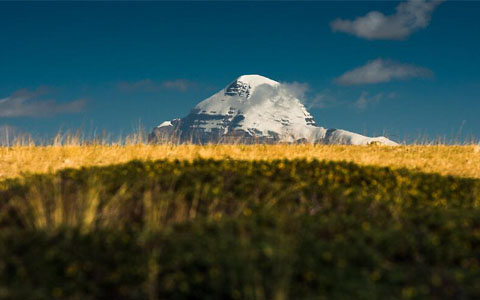
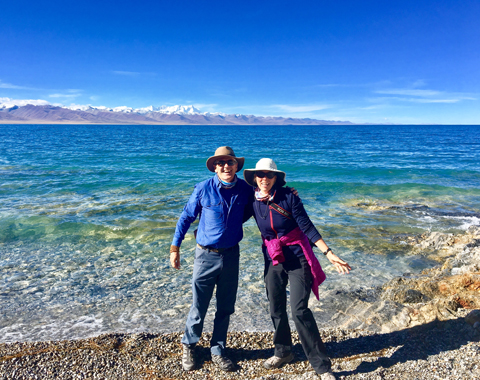
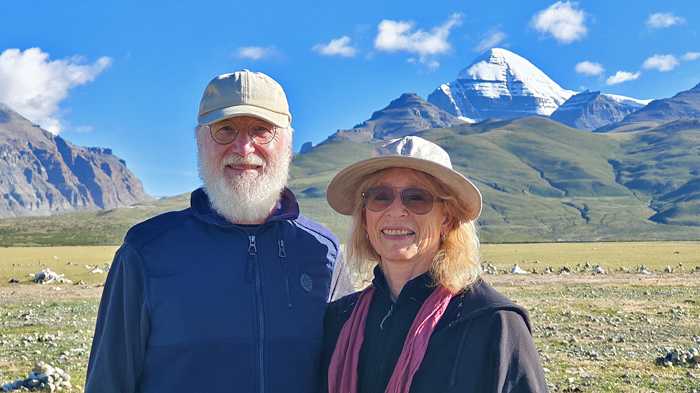 Enjoy clear views of Mount Kailash from Darchen without completing the kora.
How We Support Senior Travelers on the Mount Kailash Kora
From the initial planning to the 3-day Mount Kailash Kora, we provide practical support at every stage of the journey. Our recommendations and arrangements take into account your age, health, walking ability, trekking experience, and how you are feeling during the trip.
Before the Trip: Personal Assessment and Itinerary Planning
Before booking, our 1-on-1 travel consultant will learn about your age, general physical condition, walking ability, and previous high-altitude experience. This helps us understand your needs and explain clearly what to expect from the 3-day Kailash Kora.
We can then help you choose a suitable Mount Kailash itinerary and arrange practical details in advance, so you know what level of trekking and support to expect before arriving in Tibet.
During the Kora: Daily Condition Checks and On-the-Road Support
Our experienced Tibetan guide stays with the group throughout the kora and pays particular attention to senior travelers. Each day, the guide will check how you are feeling and provide practical advice on walking pace, rest, and the route ahead based on your actual condition.
If you feel unwell, unusually tired, or have difficulty continuing, tell your guide immediately. The earlier your guide knows, the more effectively they can assess the situation and provide appropriate assistance.
If Plans Change: Flexible Backup Arrangements
Sometimes a senior traveler may reach Mount Kailash and find that completing the full kora is more difficult than expected. In this case, our team will help arrange a suitable alternative based on where you are on the route and what options are actually available at that point.
Before entering the more remote sections of the kora, this may include adjusting the trekking plan or choosing a shorter Mount Kailash experience. If plans need to change during the journey, our guide and local team will help coordinate the necessary transportation, accommodation, and onward arrangements where possible.
Journey from Lhasa to Kathmandu with Mount Kailash and Everest Base Camp, all seamlessly arranged for you.
FAQs about Mount Kailash Kora for Seniors
Planning the Mount Kailash Kora after 60 often comes with practical questions about age, fitness, safety, and trekking support. Here are quick answers to some of the most common questions we receive from senior travelers.
What Is the Maximum Age for the Mount Kailash Kora?
There is no fixed maximum age for the Mount Kailash Kora. Whether the trek is suitable depends more on a traveler’s health, stamina, mobility, and ability to cope with high altitude.
We have welcomed guests in their 60s, 70s, and even 80s on the kora. One of our German guests completed the full 3-day trek at age 82 after regular long-distance walking and careful preparation.
Is the Kailash Kora Safe for Senior Travelers?
The Kailash Kora can be undertaken by healthy, well-prepared senior travelers, but it is a demanding high-altitude trek and should not be treated as an easy walk.
The route reaches around 5,630 meters at Dolma La Pass, and medical help and road access are limited on remote sections. Seniors should discuss any existing medical concerns with their doctor before traveling and pay close attention to how they feel throughout the journey.
How Fit Do You Need to Be to Do the Kailash Kora?
You should be able to walk for several hours a day for three consecutive days, including long uphill and downhill sections.
A useful benchmark is whether you can comfortably complete long walks or hikes at home and recover well enough to walk the following day again. Regular walking, hiking, stair climbing, and leg-strength training before the trip can help prepare your body for the trek.
Can Seniors Hire a Horse, Yak, or Porter During the Kailash Kora?
Yes. Horse, porter, and yak services can provide extra support during the Kailash Kora, subject to local availability and route conditions.
Yaks can carry luggage, while horses may reduce the amount of walking on certain sections. These services should be viewed as support rather than a way to avoid all walking, as some parts of the route still need to be covered on foot.
Can Senior Travelers Visit Mount Kailash Without Completing the Kora?
Yes. Senior travelers can still experience Mount Kailash without completing the full 3-day kora.
Senior travelers who prefer less trekking can take the eco-bus from Darchen to Tarboche Prayer Flag Square, enjoy views of Mount Kailash, and take a shorter walk toward Dirapuk if they wish.
It is also possible to see Mount Kaialsh from nearby Lake Manasarovar without attempting the full trek.
Fulfill your dream of completing the Mount Kailash Kora on our classic tour from Lhasa.
Conclusion
Being over 60 doesn’t mean the Mount Kailash Kora is beyond you. The more important questions are whether you are healthy enough for the trek, how well prepared you are, and what kind of Mount Kailash experience suits you best.
For some senior travelers, that may be the full 3-day Kailash trek. For others, a shorter hike from Tarboche or a visit to Mount Kailash and Lake Manasarovar may be a better fit. There is no need to push yourself beyond your limits just to complete the entire route.
If visiting Mount Kailash has long been on your travel list, contact us and tell us a little about your age, trekking experience, and travel needs. Our experienced local team can help you plan a Mount Kailash journey that works for you and support you throughout the trip.

 Email me about your travel idea