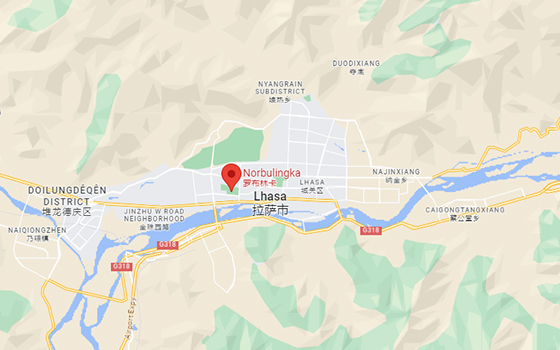
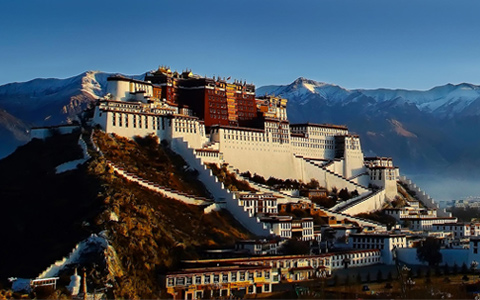
Lying in the western suburbs of Lhasa, Norbulingka is 2 km to the east of the Potala Palace. In 1988, the State Council authorized it to become a nationally important cultural relic protection unit. On Dec. 14, 2001, UNESCO included Norbulingka as the extension subject of the Potala Palace which is enlisted as a World Cultural Heritage site. In 2001, the State Tourism Administration appraised Norbulingka as 4A on the national tourism region level.
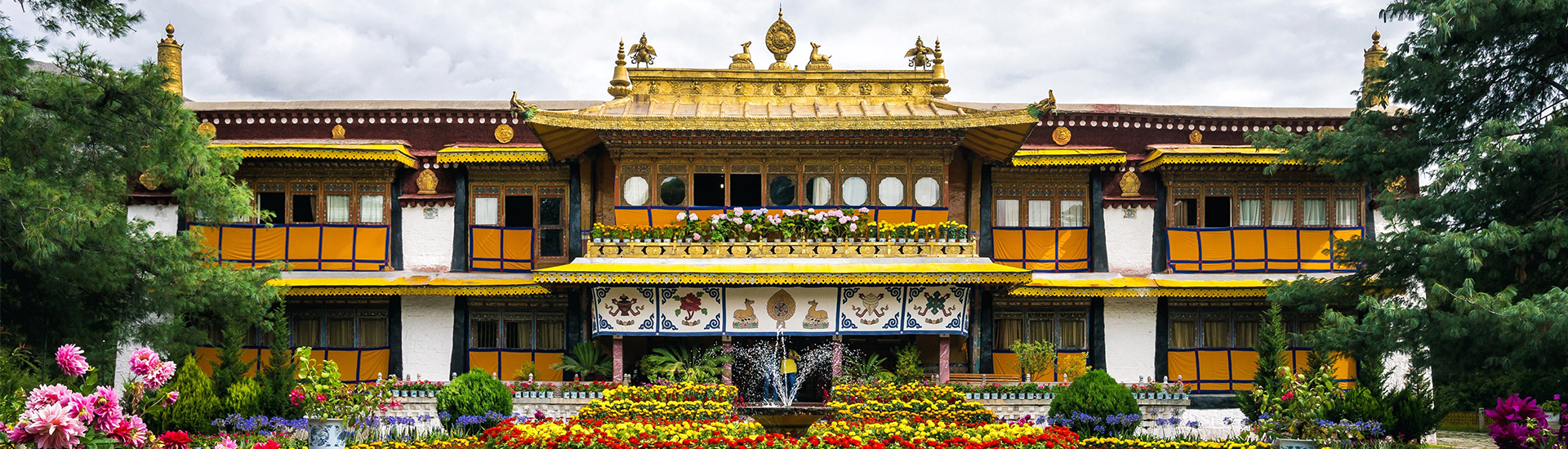
Norbulingka means “Treasure Garden” in the Tibetan language. It was 1st built in the mid-18th century and assumed today’s scale through many expansions. Norbulingka has 3 parts: the courtyard in front of the palace, the palace, and the forest. With over 400 sets of rooms, the garden takes up 3.6 square kilometers, among which 3.4 square km are green meadows or woods. It is the world’s highest-located garden, or the “Plateau Oxygen Bar” as some tourists said. After Tibet’s democratic reform in 1959, the Norbulingka has become a public park.
According to Tibetan records, there used to be a spring here that could cure disease. Kalsang Gyatso, the 7th Dalai Lama, often fell ill and came here to take a bath every summer. The Imperial Minister of the Qing Dynasty stationed in Tibet asked for the central government’s permission to build a special place for the 7th Dalai Lama to rest after taking a bath. Thus came the 1st construction of Norbulingka--the Pavillion Palace. Since then, all Dalai Lamas stayed here to study before they were formally enthroned. After they assumed real power, they would still come here every summer. Thus Norbulingka is called the Summer Palace of Dalai Lama.
As the world’s highest, largest, and best-preserved ancient artificial horticultural garden, Norbulingk combines gardening with architecture and sculpture arts in Tibetan, Han, and many other ethnic groups. The treasure of Tibetan history and culture now houses over 30,000 cultural relics, 7,000among which are on State level.
Throughout its long history, Norbulingka also suffered from destruction. In Jun. 2001, the 4th Tibetan Work Session of the Central Committee of the Chinese Communist Party made a decision to include the protection and renovation of Norbulingka into pivot projects of aiding Tibet.

.jpg "Tibetan Local Travel Agency")



0 Comment ON "Norbulingka"
Check All Tibet Travel FAQs Here