
.jpg "Tibetan Local Travel Agency")



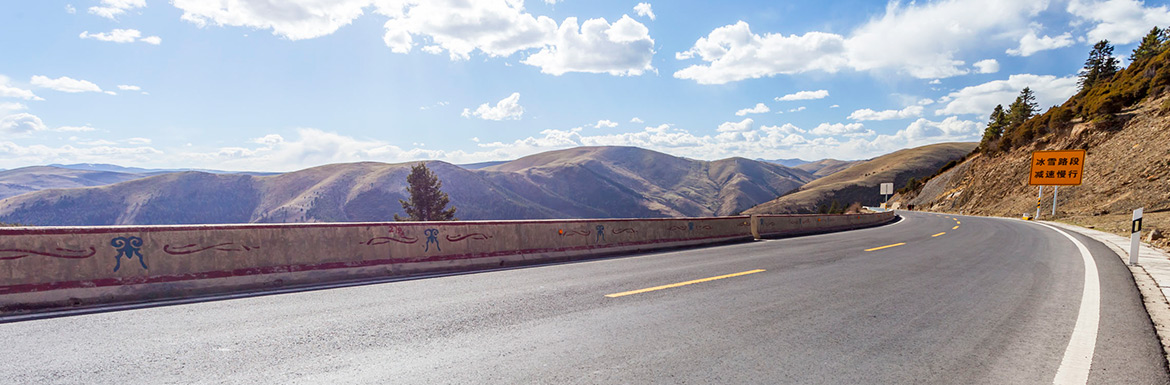
16 Days Amazing Kham Tour via G317 National Highway
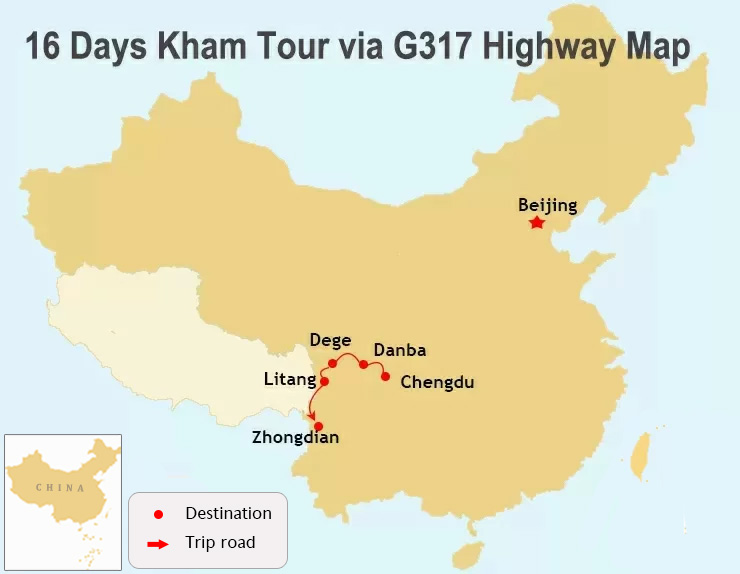
(TTO004) Chengdu - Jiaju - Danba - Ganzi - Daofu - Gantze - Baiyu - Xinlong - Litang - Dechen - Zhongdian
-
Tour Type:
Escorted by private guide and vehicle; leave 365 days a year!
-
Trip Level:
Easy - suitable for all levels of fitness, family with kids and senior groups.
-
Trip Level Guide:
- Easy - suitable for all level of fitness, family with kids and senior groups.
- Moderate - suitable for ones with average level fitness, family with kids bigger than 12 yrs.
- Moderate to Strenous - suitable for ones physically fit; have experiences of high altitude trek.
- Strenuous: suitable for adventures and individual with physically fit and healthy.
-
Season:春
Spring夏
Summer秋
Autumn冬
Winter
Overview
Kham literally means four rivers and six ranges in Tibetan. The scenery on this pure land is often reminiscent of Switzerland. You are sure to be shocked by the icy glaciers tumbling down from jagged peaks through lush forests of spruce, the grand monasteries and temples dotting the hills and the colorful prayer flags displayed everywhere. Kham is quite rich in cultural resources consisting of thriving Tibetan culture, Khampas' traditional clothing, festivals, and their architecture. Perched at a relatively lower altitude, it is also a piece of land for agriculture and home to a large amount of animals like yak, sheep, goats, and horses for its abundant rainfall and lush meadows.
Kham is also a fertile soil for ancient Tibetan Buddhist religion due to fewer political constraints. Most Kham's monasteries with impressive structure are under reconstruction. The Kham's architecture is very spectacular. Various fortress-like houses can be found throughout this area.
At a Glance
Day 1Arrive in Chengdu
Day 2Chengdu to Jiaju
Day 3Danba Tour
Day 4Ganzi to Daofu
Day 5Gantze to Dege
Day 6-7Baiyu Tour
Day 8Baiyu to Xinlong
Day 9Xinlong to Litang Tour
Day 10Litang Tour
Day 11Litang to Xiangcheng Tour
Day 12,13,14Derong & Dechen
Day 15Zhongdian (Gyalthang)
Day 16Departure
Day to Day Itinerary
Day 1: Arrive in Chengdu
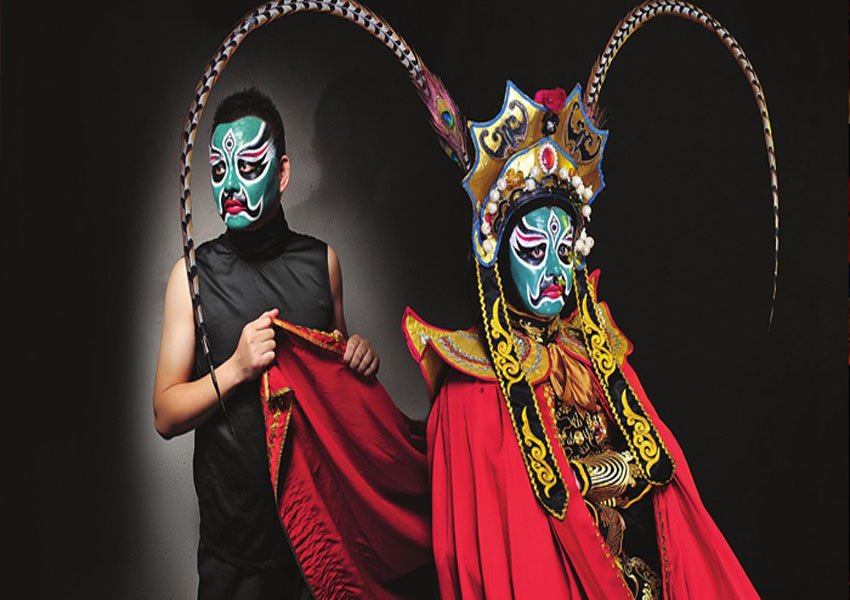
Transfer to the hotel. Depending on the available time and your own decision, you can visit Chengdu city full of mixed flavor of tradition and modernization, such as strolling around the Jingli Street, walking through the ancient alleys and watching Sichuan Opera and Face Changing performance.
Stay overnight in Chengdu

Day 2: Chengdu to Jiaju
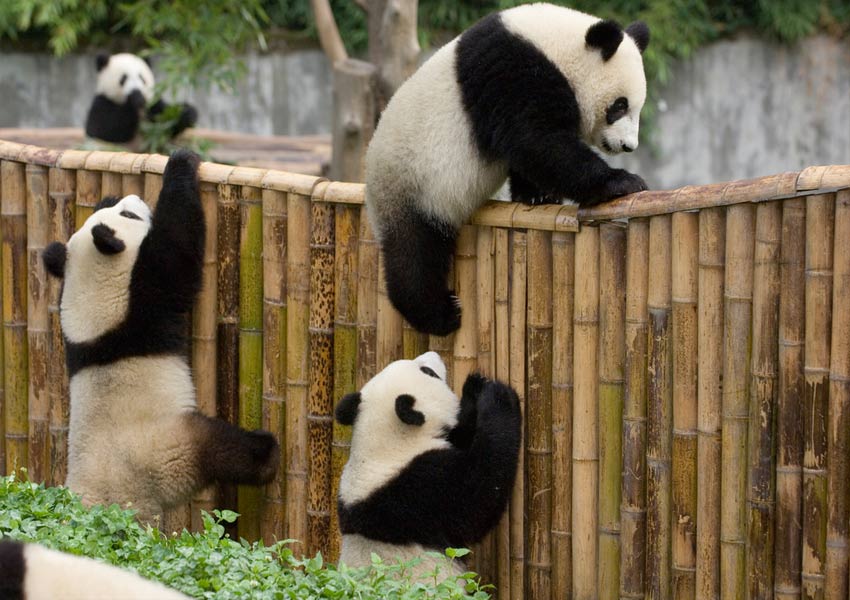
Drive along the Sichuan Tibet Highway (northern route) and make a small detour along this route to Danba via Dujiangyan, Wolong and scenic Four Ladies Mountain. At Wolong Nature Reserve, you can have a close contact with the Giant Pandas.
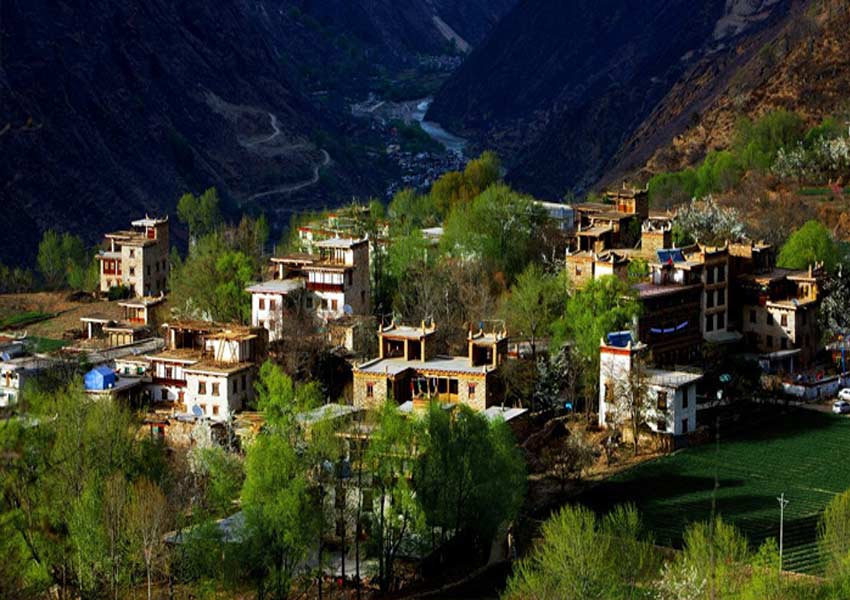
Danba is a fascinating small but compact town sitting in the canyon dotted with dozens of Qiang and Tibetan villages, along with numerous soaring stone watchtowers perched on the surrounding hills and cliffs. Drive to Jiaju Zangzhai Tibetan village, proclaimed as the best village in China, you can stroll around and meet with local Gyarong Tibetan families and possibly dine with them.
Stay overnight in Jiaju
Day 3: Danba Tour
Visit and walk in Zhonglu village and Suopo village the next day, where you can have lunch in local Tibetan Inn, and visit the local families to see some of the remarkable Qiang watchtowers of the region, and visit Medor Monastery with unique combination of Tibetan Buddhism, Chinese Buddhism, Taoism and Christianity.
Stay overnight in Danba
Day 4: Ganzi to Daofu
Drive to Ganzi via Daofu and Luhuo. Along the way, pass through spectacular Yak Valley, regarded as the Natural Bonsai Garden, then cross Yala Snow Mountain, Longdeng Grassland, Yuke Grassland and rural farmland sceneries.
Daofu is well-known for its marvelous local houses with impressive interiors, which you will get a better understanding by visiting a local Tibetan family.
Ganzi is a buzzing small town populated mostly by Tibetans. You can see low wooden houses sprawling the valley, with vast expanse of farm and grasslands, ringed by Chola mountains. You also can pay a visit to a 540 year-old Garze Gompa monastery near the town, and later stroll around the town.
Stay overnight in Daofu
Day 5: Gantze to Dege
Drive through vast farmlands, nomadic settlement and arrive in Manigango, a small rural town where you can stop for lunch and then head to Derge. Shortly after leaving Manigango, you will arrive in Yihun Lhatso, a stunning holy alpine lake fed by the glaciers of Chola Mountains.
After visiting the lake, you will traverse across the dramatic Chola (Trola), passing at nearly 5000m with towering snowy peaks. After the pass, descend first through scenery consisting of green vegetations of temperate forests and then through the Derge Canyon, a natural wonder in itself. Free to rest and stroll around in the evening.
Stay overnight in Dege
Day 6-7: Baiyu Tour
In the morning, visit the famed Derge Parkhang Scripture Printing monastery (Estd. in 1729), a storehouse of engraved blocks of Tibetan scriptures. The monastery is the storehouse of culture or Tibetan world in many respects.
Then drive for about 5hr along the Jinshajiang River to Baiyu or Paiyul. You can make a turn and take the side-valley road to visit the village of Hepo en-route, which is known for the metal crafts, especially in the art of making knifes, swords and silver bowls.
During the Karthok festival, you can spend a night in the village and reduce one night in Baiyu. During the festival at Baiyu, skipping the visit of Hepo on regular tour, you will have one day to take easy and stroll around in Baiyu, a pleasant town located along the banks of Dingchu River, overlooked by an important Pelyul monastery, straddling the hill dotted with lots of beautiful wooden Tibetan houses.
Stay overnight in Baiyu
Day 8: Baiyu to Xinlong
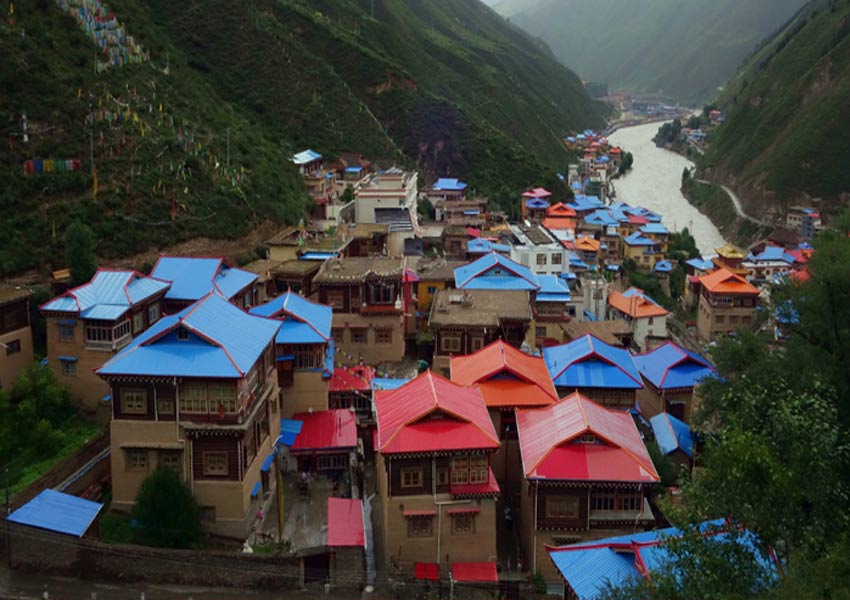
Head through the wild of Nyarong, there is a rarely visited region off the main road of eastern Tibet. Nyarong was once known as the home to the feared Khampa brigands, but it is much tamer these days and our destination is the Nyarong town of Xinlong, a medium sized Tibetan town with two major monasteries. One is Yixi Monastery, the largest Bon Sect Monastery in Kham. In the town, you can visit a local Tibetan family and other sites in your available time.
Stay overnight in Xinlong
Day 9: Xinlong to Litang Tour
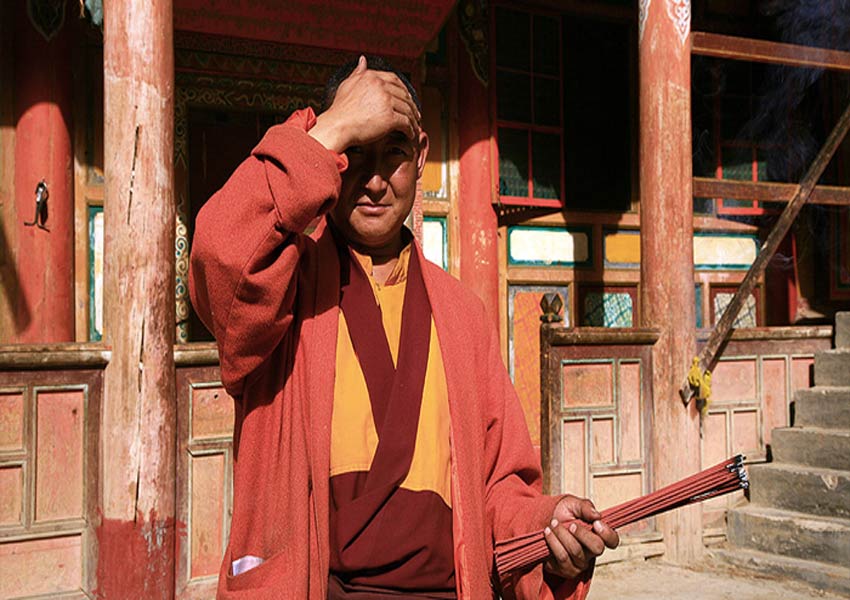
Head to Litang. Thousands of yaks, hundreds of nomadic tents, men on horses with rifles strapped to their back can be seen along the road from Xinlong to Litang (4015m), which is one of the world's highest towns, with a “wild west” setting, as Khampas cross eastern Tibet to trade all kinds of goods from sheepskins to yaks to large pieces of turquoise or amber, or even the rare “dzi” beads.
Stay overnight in Litang
Day 10: Litang Tour
Next day, you will head out to the beautiful Genyen holy mountain area, the home to farming and herding families, and visit the sprawling complex of Ganden Thubchen Choekhorling monastery locate near the town and was founded in 1580.
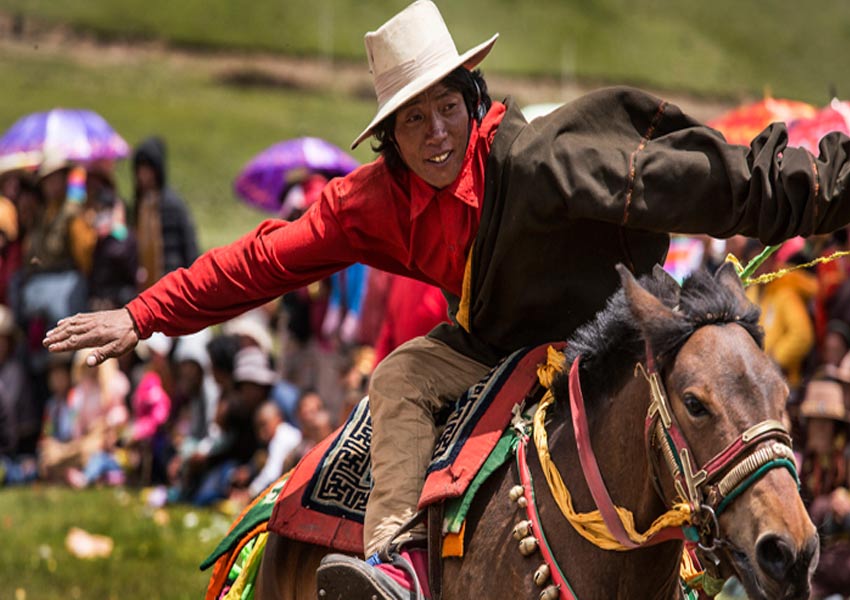
In July, you can enjoy the famous Litang Horse Festival, one of the largest and most colorful horse festivals throughout the whole Tibet. Spectacular horse races, galloping riders in full costume, lively competitions between dance troupes are a delight at this festival. It is a great chance to see Khampa men and women dressed in traditional finery.
Stay overnight in Litang

Day 11: Litang to Xiangcheng Tour
Head to Xiangcheng. After crossing the Bamu mountains, the sights of beautiful villages scatter amongst wheat-field-paddies in the valley ground will appear at once. As you approaching closer, they are quite large, cubicle houses that look like little castles, with white-chalked exterior walls.
Xiangcheng town occupies a high ridge above the river gorge and consists of an old village paired with a modern Chinese downtown. Above the town is large renovated Chaktreng Monastery of Gelukpa sect with great views of the town and the valley below.
Stay overnight in Xiangcheng
Day 12,13,14: Derong & Dechen
Drive to Derong and Dechen.
After saying goodbye to XiangCheng, you will spend a night in small Tibetan town of Derong or Songmai (2800m), situated on the banks of the river. You can see Sun Valley en-route. From Derong town, drive into Yunnan and take a diversion north to Dechen or Deqin (3450m).
The drive is through ever-changing terrain as you dip into the Yangtze Valley and then climb over the Baima Snow Mountain passes and descend again through temperate forests. Explore picturesque villages with strong local traditions and visit an active monastery of Dhodrupling en route.
Day 13, you will take a scenic side trip in the Mekong River watershed to visit Nyithong villages, have lunch at a Tibetan home, and enjoy fabulous views of sacred Mount Khawakarpo (Meili) and Metsomo, the tranquil yet divine consort of Mount Khawakarpo. You’ll have the option to take a short one-hour hike along one of the brooks that feed into the Mekong. If you feel a bit more adventurous, we can arrange a 2 hour pony trek.
Return to Dechen for staying overnight
Day 15: Zhongdian (Gyalthang)
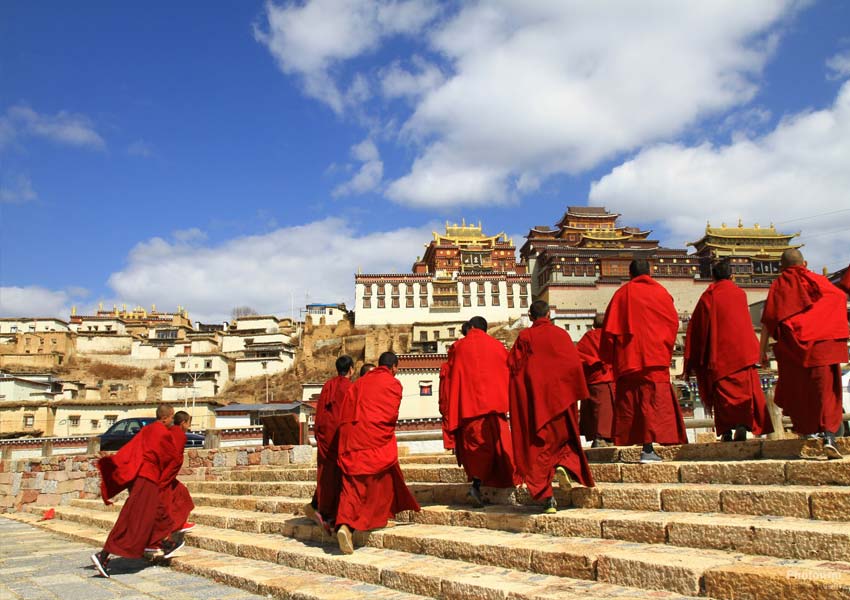
Rejoin the southern road and drive to Gyalthang, the capital of the Deqin Tibetan Autonomous Prefecture (Shangrila). Stop at Napa Lake and upon arrival in Gyalthang, you will visit Sumtsenling Monastery, founded in the 17th century by the Fifth Dalai Lama.
In the evening, you are recommended to take a stroll from your hotel to nearby Tibetan square of shops, restaurants and market square, where you can see the local people gathering for evening circle dancing.
Stay overnight in Zhongdian

Day 16: Departure
The driver will transfer you to the airport in time for your flight. Gyalthang is connected by flights to Lhasa and to Kunming, where there are several flights to other destinations.
Service Guide
Service Included:
- Tibet travel permit and all other necessary permits to Tibet;
- All entrance ticket fees for all tourist sites listed in the itinerary;
- Personal knowledgeable English-speaking Tibetan local tour guide;
- Personal comfortable, clean and safe vehicle with reliable Tibetan local driver; vehicle ranging from 4WD land cruiser to minibus depending on your group size;
- All lodging listed in the itinerary; it’s your decision about the accommodation class: luxury 5-star international hotel, comfortable 4-star hotel, economic 3-star hotel or budget hostel, guesthouse or tent. Please tell us your accommodation preference when submitting the enquiry; we will arrange the best-value hotels for you.
- Domestic flight/train tickets listed in the itinerary;
- All meals listed in the above itinerary;
- Tourist accident/casualty insurance;
- First aid kit;
Service Excluded:
- International flight to and out of China;
- Chinese visa (Note: we could help you with the Chinese visa application, like providing the invitation letter, presenting the hotel or domestic flight reservation copies, etc that you may need. )
- Domestic flight/train not listed in the itinerary. (We can provide you the domestic flight/train ticket booking service at the BEST discount price; please contact us our travel experts for the details.)
- Meals not specified in the itinerary; usually it costs about USD3-15 per person for one meal in TAR (Tibet Autonomous Region).
- Tips and gratitude to tour guide and driver;
- Personal expenses, like laundry, phone call, snacks, soft drinks (please do the best to avoid the alcoholic beverages during your Tibet trip), optional tour activities, etc.
Contact us for your dream trip now !
Enquire NowYou May Also Like
-
 11 Days Travel through Qinghai-Tibet Highway
Xining - Chaka - Golmud - Amdo - Nagqu - Lhasa overland tour
-
 15 Days World-Class Overland Route: Chengdu to Lhasa via G318 National Highway
Chengdu - Kangding - Xinduqiao - Litang - Markam - Zogang - Ranwu - Nyingchi - Lhasa - Shigatse - Lhasa
-
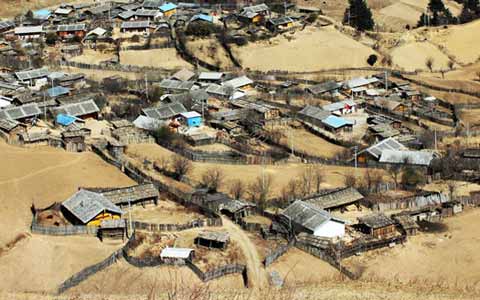 12 Days Yunnan to Tibet Overland Journey
Lijiang - Shangri-la - Deqin - Zuogong - Ranwu - Pomi - Nyingchi - Lhasa
-
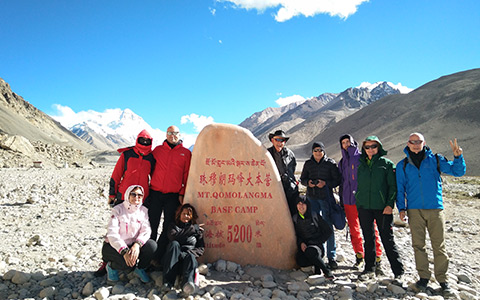 15 Days Chengdu Lhasa EBC via 318 National Highway Overland Tour
Chengdu - Xinduqiao - Litang - Batang - Zogong - Rakwa - Bomi - Nyingchi - Lhasa - Shigatse - EBC - Lhasa
Most Frequently Asked Questions from our Clients

Kham, a wild and kind of isolated region on the Tibetan Plateau, is the land of the famous Khampa warriors and home to a number of gorgeous monasteries set amidst emerald green hills covered with wildflowers, and snow-capped peaks soaring over turquoise lakes. Kham is the place worth going.
Tibetan Travel Guru,Sonam Tenphel
Get A Quotation of this Tour
Get Started - 16 Days Amazing Kham Tour via G317 National Highway
You’re getting closer to your dream Tibet vacation! Fill out this form so our travel designers can start helping you plan a trip.
Privacy Policy: Your information is kept strictly confidential. Tibet Vista will never sell, trade, or give away your contact information to a third party.