
.jpg "Tibetan Local Travel Agency")




Beijing to Tibet: How to Get to Tibet from Beijing?
Lhasa is a dream destination for both domestic and foreign travelers, with Beijing as one of the most popular gateway cities to Lhasa, the capital of the Tibet Autonomous Region. Many tourists to Lhasa choose Beijing as their starting point to have an overview of China's imperial history and culture before traveling to Lhasa by train or plane.
If you have any questions about how to travel from Beijing to Tibet or want to know more about transfer options to get to Tibet from Beijing, here is the most comprehensive guide for your reference.
 1. How Far is Beijing to Tibet? The Location Map of Beijing and Tibet
2. The Fastest Way to Tibet from Beijing: by Flight (about 4 hours)
3. The Most Relaxing & Scenic Way to Tibet from Beijing: by Train (about 40 hours)
4. The Most Challenging Way to Tibet to Beijing: by Overland/Driving (at Least 1 Week)
5. Before Heading to Tibet, Take a Beijing Tour for 1 to 3 Days
1. How Far is Beijing to Tibet? The Location Map of Beijing and Tibet
Beijing, the current and historic imperial capital of China, is located on the North China Plain in northern China. The high plateau and mountainous terrain of Tibet are approximately 1,950 kilometers away in the southwest.
The aerial distance between Beijing and Lhasa is about 2,100 to 2,500 km depending on the flight path. If you’re thinking of driving, the road distance is 3,737 km in total via the Beijing-Lhasa Expressway, but currently, only 2,856 km of it has been opened for traffic. Moreover, the railway distance from Beijing to Lhasa is about 3,757 km.
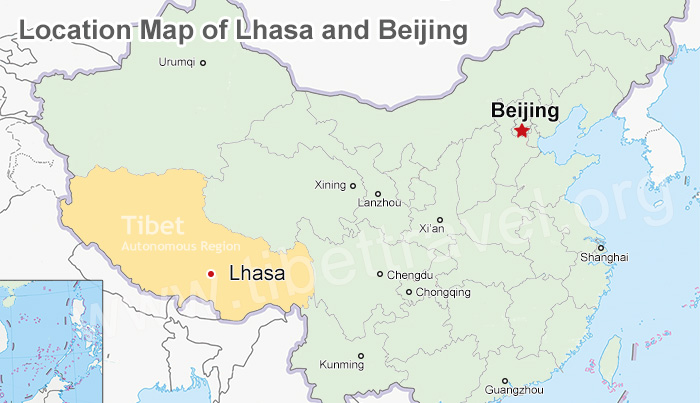 Because Beijing and Lhasa are almost diagonally opposite, getting from one to the other used to be challenging.
2. The Fastest Way to Tibet from Beijing: by Flight (about 4 hours)
The fastest way to get to Tibet from Beijing is by air, with direct flights taking approximately 4.5 hours. There is a fixed direct flight departing from Beijing Capital International Airport daily at 14:55 and arriving at Lhasa Gonggar International Airport at 19:10. During peak seasons, there will be up to two or more direct Beijing to Lhasa flights per day.
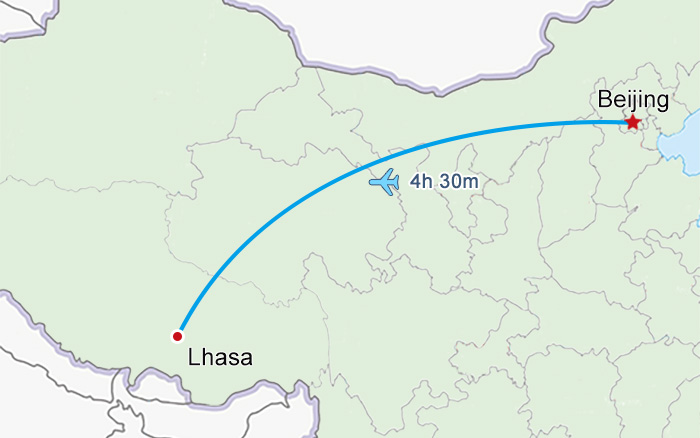 Taking a Beijing to Lhasa flight is the most convenient way to enter Tibet.
The cost of a non-stop flight from Beijing to Lhasa is around 380 USD. Alternatively, you can opt for connecting flights through cities like Xi’an, Chengdu, Xining, Chongqing, or Kunming, which may offer cheaper fares to Tibet.
Kindly Notice:
There are two airports in Beijing offering flights to Tibet, namely Beijing Capital International Airport and Beijing Daxing International Airport. When you book the flight from Beijing to Lhasa, please double-check your departure airport.
3. The Most Relaxing & Scenic Way to Tibet from Beijing: by Train (about 40 hours)
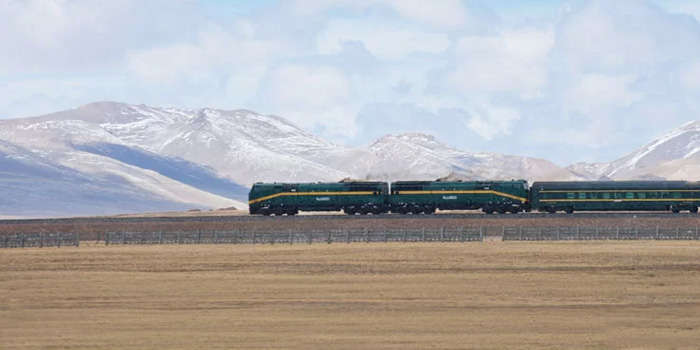
The train route from Beijing to Lhasa includes the world's highest railway, the Qinghai-Tibet Railway, offering an adventurous journey. The Qinghai-Tibet railway, which runs between Xining, the capital of Qinghai province, and Lhasa, the capital of the Tibet Autonomous Region, makes up a major part of your Beijing Lhasa train journey.
The railway climbs from 2,829 meters above sea level at Golmud to 3,641 meters at Lhasa and it is crowned the highest railway in the world. More than 550 km of track is laid on permanently frozen earth and its highest point reaches 5,072 meters above sea level.
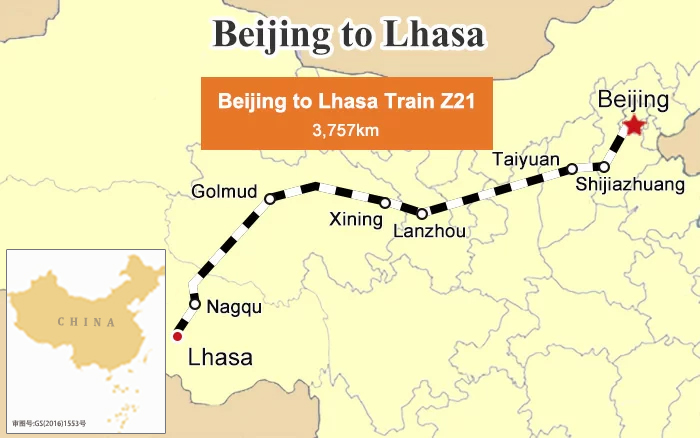 The Beijing to Lhasa train is one of the most popular way among tourists traveling to Tibet.
Train Z21 is the only direct train from Beijing to Lhasa. It departs every day at 19:53 from Beijing West Railway Station and arrives at Lhasa Railway Station at 11:36 on the third day.
The Beijing to Lhasa train takes you nearly 41 hours. The beautiful scenery along the Qinghai-Tibet railway makes it a zen-like way for those who want to slow their busy minds before arriving in Tibet.
For accommodations, Hard sleeper berths on a Beijing to Lhasa train start from 720 RMB, while soft sleepers begin at 1,144 RMB.

Kindly Notice:
1. As the most popular train ride to Tibet, it is quite difficult to get a Beijing to Lhasa train ticket during peak travel periods such as the summer holiday or the Golden Week Holiday in early October. If you need help to book your Tibet train ticket, feel free to contact us.
2. Currently, there is no high-speed train from Beijing to Lhasa. But you can take a high-speed train from Beijing to Xining, and catch a train to Tibet from Xining.
4. The Most Challenging Way to Tibet to Beijing: by Overland/Driving (at Least 1 Week)
China boasts a vast network of roads connecting every corner of the country, offering an adventurous and demanding overland driving experience from Beijing to Lhasa. Highway G109 serves as the lifeline between Beijing and Tibet, spanning the entire 3,757 km distance. En route, it traverses six provinces: Hebei, Shanxi, Inner Mongolia Autonomous Region, Ningxia Hui Autonomous Region, Gansu, and Qinghai, before finally reaching the borders of Tibet.
Allow at least a week for this journey, depending on your planned stops along the way. It's advisable to spend some time in Xining to acclimatize to the altitude before venturing further into Tibet. The section of Highway G109 that cuts through Qinghai-Tibet boasts altitudes reaching 5,231 meters at Tanggula Pass, so it's crucial not to rush to these heights
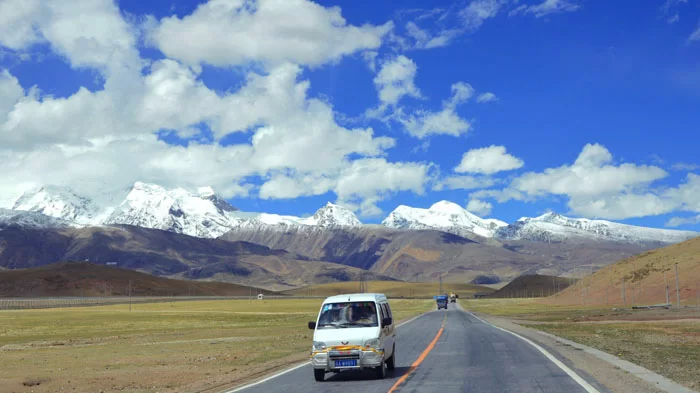 Getting to Tibet from Beijing by overland via the G109 Highway is really an adventure.
5. Before Heading to Tibet, Take a Beijing Tour for 1 to 3 Days
Located in northern China, Beijing has been a major political and cultural center and has significant importance in the history of China. As one of the most visited cities in China, Beijing is a confluence of the thousand years of history and ultra-modern reality. In Beijing, you will be delighted and intrigued by its ancient culture and fast development.
Before your Tibet tour, consider spending 1 to 3 days exploring the highlights of Beijing. Here are some top things to do in Beijing:
Visit the Forbidden City (around 4 hours)
The magnificent Forbidden City is the largest and best-preserved imperial palace complex in the world. Covering 250 acres, with 9,999 rooms, and surrounded by a moat six meters deep and a ten-meter high wall, its sheer scale is unmatched in the world. For over five centuries, this architectural marvel served as the administrative center of China.
The average travel duration is about 4 hours or more. Please note that the Forbidden City is closed every Monday. Additionally, it’s essential to secure your e-ticket reservation online prior to your visit.
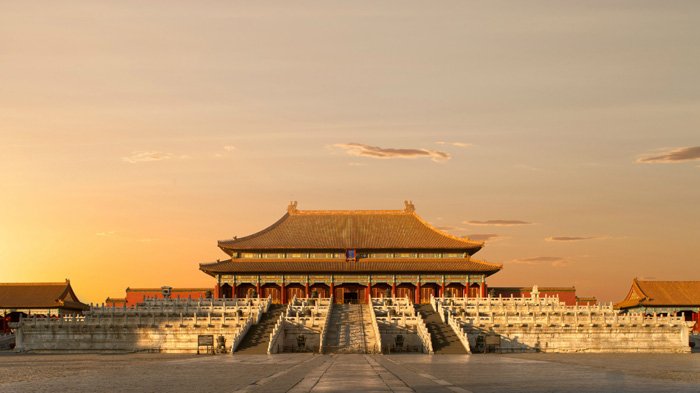 Forbidden City is the ancient imperial palace of the emperors of China, which is famed to be the world's largest surviving palace complex.
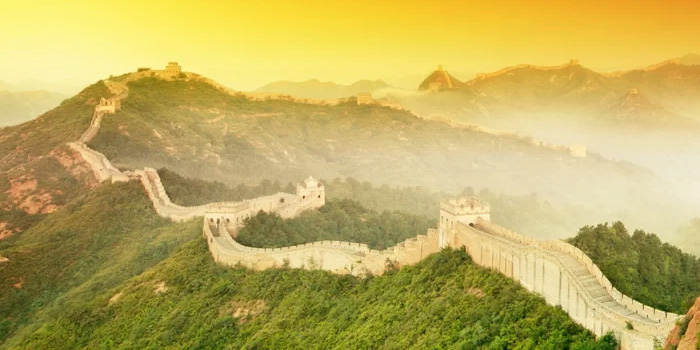
Climb the Great Wall of China (around 2.5 hours)
The Great Wall of China is one of the 'Eight Wonders of the World' and is enlisted in the World Heritage Directory. It spans five provinces from Shanhaiguan Pass in the east to Jiayuguan Pass in the west, looking like a gigantic dragon across deserts, grasslands, and mountains.
The northern stretch of the Great Wall in Beijing spans approximately 600 kilometers, encompassing eight major sections: Badaling, Juyongguan, Huanghuacheng, Jiankou, Mutianyu, Gubeikou, Jinshanling, and Simatai. These sections, predominantly remnants from the Ming Dynasty, are remarkably well-preserved. Among them, the Badaling Great Wall offers the most convenient access from downtown Beijing.
Typically, a hike along the Great Wall lasts about 2.5 hours. Remember to wear comfortable shoes and protect yourself from the sun during your climb.
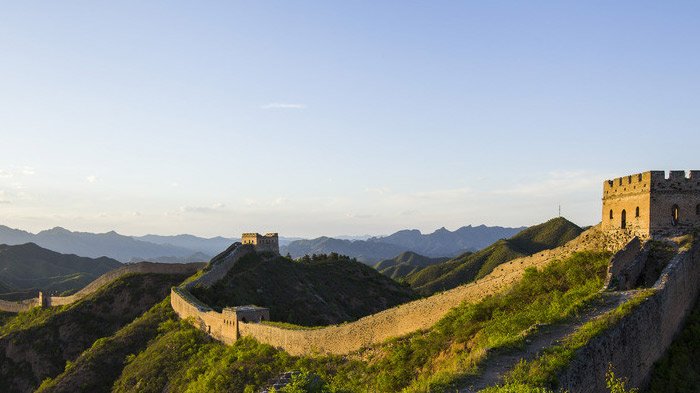 The Great Wall of China stretches along the northern part of Beijing Municipality, which is the greatest tourist attraction for the visitors coming to the city.
Go to the Temple of Heaven (around 3 hours)
Due to religion being always related to the supreme imperial power, Beijing at one time served as the focus of religious life with lots of beautiful temples. The Temple of Heaven, where the Emperors paid homage to the glory of heaven, is the largest group of structures in the country dedicated to rituals.
Today, you can admire its architecture, stroll among ancient cypress trees, and observe locals practicing exercises in the park, breathing new life into this ancient site. Plan to spend around 3 hours exploring this iconic site. If you visit in the early morning, you can also join the locals to practice Kung fu or Taiji together.
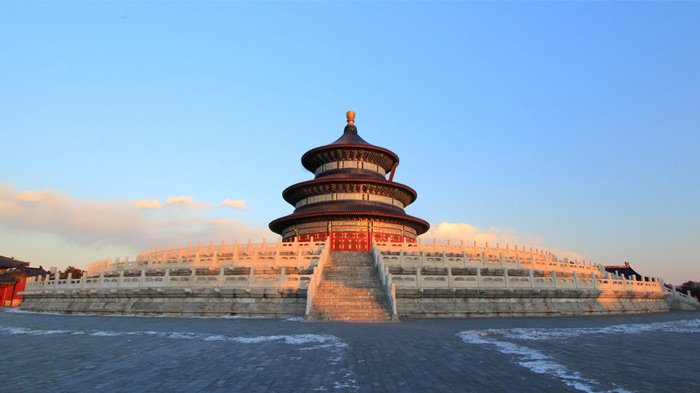 Temple of Heaven is located in the southern part of Beijing, and has been one of the most holy places for the whole country for more than five centuries.
Eat Beijing Roast Duck
The signature dish of Beijing is one of the must-try's for anyone visiting the city. The traditional method of preparing Beijing Duck has a history of over a hundred years and boasts a great reputation to this day. There are excellent Beijing duck restaurants all over the city where you can savor this traditional food.
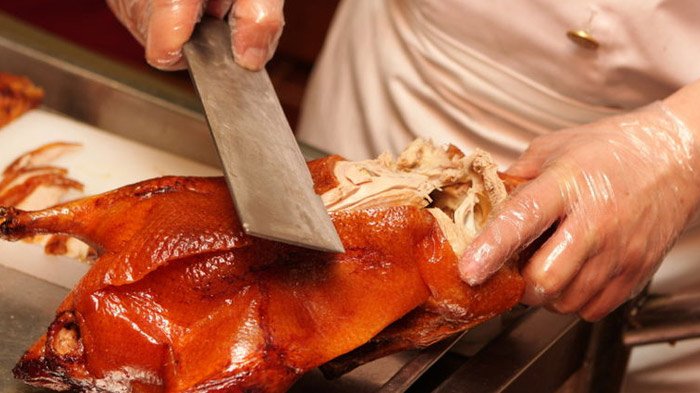 Beijing duck is the local flavor of Beijing.
Watch Beijing Opera
Beijing opera is a stylized performance of action, singing, dancing, drama, and acrobatic fighting. This highly specialized art form has a long history and has become a cultural symbol of China. It could be the best choice for your night in Beijing.
 After treat yourself with a delicious Beijing Duck, you can spend the rest time of the night on watching Beijing Opera.
6. More Useful Tips for Traveling to Tibet from Beijing
To ensure a smooth and comfortable trip, here are some helpful tips for getting to Tibet from Beijing:
Get the Tibet Travel Permit in Advance
All international travelers to Tibet need to obtain a Tibet Travel Permit first. After booking your Tibet tour and sending us your information, we will take care of the details for you. It can take up to two weeks to process, so make sure to book in advance. Once the permit is issued, we will mail it to your address in Beijing, allowing you to board the train or flight to Tibet.
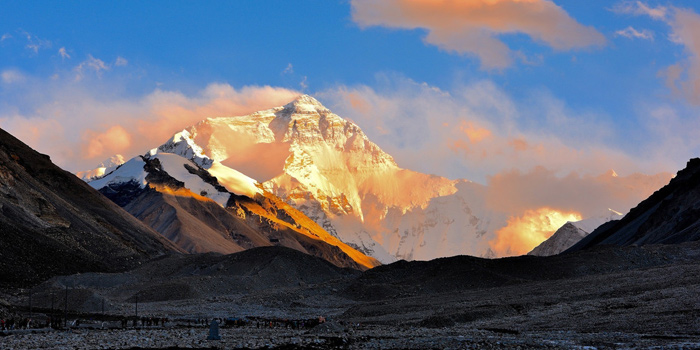
Prepare for High Altitude
Beijing's altitude is 43.5 meters, while Lhasa's is 3650 meters. If you're flying from Beijing to Lhasa, take it slowly upon arrival and rest at the hotel to allow your body to acclimatize to the high altitude. If traveling by train, you may experience mild altitude symptoms on board. However, the Tibet train activates the oxygen supply system after passing through Golmud, which can alleviate discomfort. Still, it's advisable to avoid strenuous exercise.
Choose the Best Time to Go
The best time to visit Tibet is from April to early June and from September to October. Winter is also a good time for a budget tour in Tibet.
When planning your Beijing Tibet tour, try to avoid visiting during the summer months and the first week of October, as these periods coincide with peak domestic tourism seasons. During these times, flight fares from Beijing to Lhasa may be higher, and securing a Beijing to Lhasa train ticket can be challenging due to increased demand.
Conclusion
With the development of transportation infrastructure, how to get to Tibet from Beijing is no longer a problem. Serving as the primary gateway for Tibet tours, Beijing offers not only direct flights but also train routes to Tibet. Additionally, the Beijing-Lhasa Expressway enables overland travel from the capital to the sacred city.
Regardless of the mode of transportation chosen for the journey to Tibet from Beijing, it's crucial not to forget to obtain the Tibet Travel Permit in advance.
Furthermore, for first-time travelers to both Beijing and Tibet, arranging a Beijing Tibet tour with us can significantly streamline your experience. From local tour arrangements to transfer bookings, from Tibet Permit applications to China Visa assistance, we are dedicated to facilitating the most seamless journey from Beijing to Lhasa. Please don't hesitate to share your travel plans with us.

The Lhasa-born prodigy used to study business overseas, and got his Bachelor of Business in Nepal and India before moving back to his homeland. With pure passion for life and unlimited love for Tibet, Kunga started his guide career as early as 1997.
Responsible, considerate, and humorous, he devoted his entire life to guiding and serving international tourists traveling in Tibet. As a legendary Tibetan travel guru with 20-year pro guide experience. Currently, he is working in Tibet Vista as the Tour Operating Director. Whenever our clients run into trouble, he is your first call and will offer prompt support.
 Email me about your travel idea
Related Articles & Posts


Most Popular Tibet Tour Packages
-
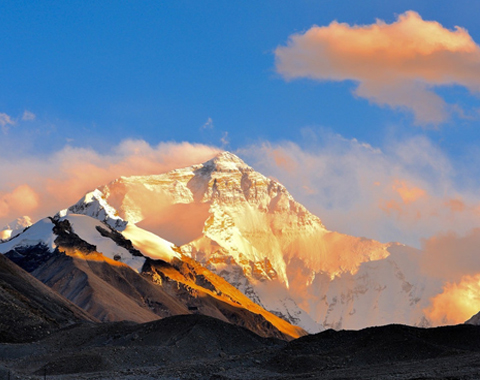
Lhasa - Gyantse - Shigatse - Everest Base Camp - Shigatse - Lhasa
USD939
View Details -
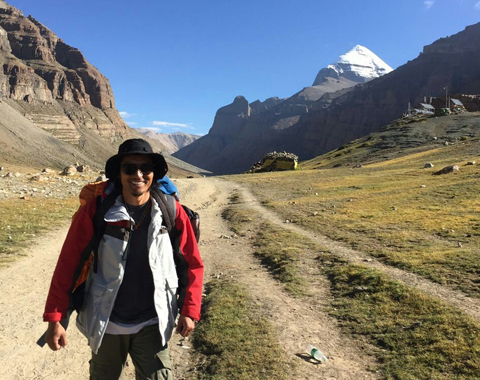
Lhasa - Gyantse - Shigatse - E.B.C - Saga - Kailash Trek - Darchen - Lake Manasarovar - Saga - Gyirong - Tingri - Lhasa
USD2059
View Details -
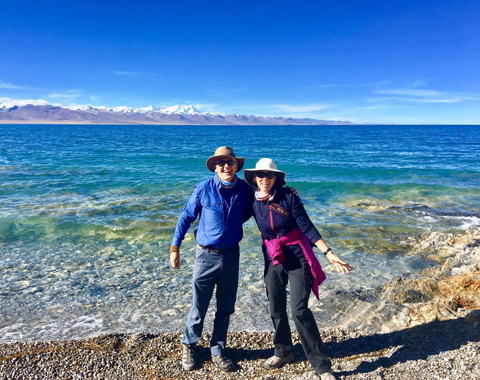
10 Days Lhasa to Everest Base Camp and Namtso Lake Small Group Tour
Lhasa - Gyantse - Shigatse - EBC - Shigatse - Lhasa - Namtso Lake - Damxung - Lhasa
USD1289
View Details -
8 Days Driving Across Himalaya Overland Adventure from Kathmandu to Lhasa
Kathmandu - Gyirong - Everest Base Camp - Tingri - Shigatse - Gyantse - Lhasa
USD1069
View Details -
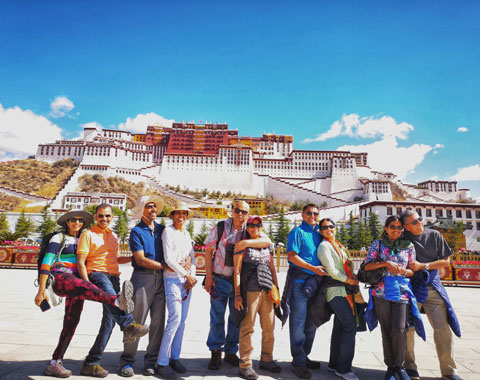
4 Days Lhasa Impression Small Group Tour: Explore the Heart of Tibet and Mingle with the Locals
Lhasa
USD509
View Details -
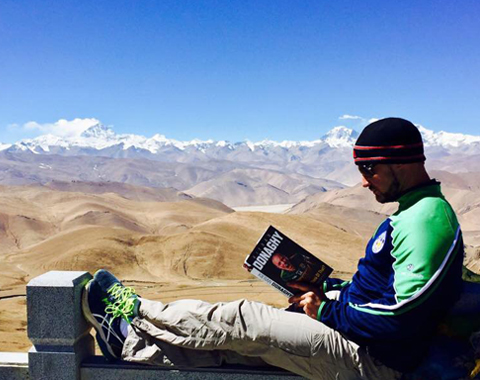
Lhasa - Gyantse - Shigatse - Everest Base Camp - Gyirong - Kathmandu
USD979
View Details -
Lhasa - Gyantse - Shigatse- Lhasa
USD799
View Details -
13 Day Lhasa, Mt. Everest, Mt. Kailash, Lake Manasarovar and Kathmandu Adventure Tour
Lhasa - Gyantse - Shigatse - EBC - Saga - Darchen - Kailash Trek - Darchen - Saga - Gyirong - Kathmandu
USD2059
View Details